
A vengeful ghost is a figure in global folklore described as the soul of someone who returns after an unjust or violent end. These spirits are believed to seek redress for their suffering, often targeting their killers or tormentors until their grievances are settled.
- A spirit returning for revenge after an unjust death
- Found in folklore across Africa, Asia, Europe, and the Americas
- Often linked to improper burial or violent ends
- Frequently depicted as female in many traditions
- Appears in modern horror movies and video games
What it is
In mythology and folklore, a vengeful ghost is a spirit that returns from the afterlife to pursue revenge. This figure is typically linked to individuals who suffered a cruel, unnatural, or unjust death. The core belief holds that these souls remain active in the world of the living because they have not found peace. Their primary drive is to correct past wrongs by punishing those responsible for their harm. In some traditions, these entities are also viewed as unhappy ghosts resulting from improper funeral rites or burial practices. They are considered part of a broader category of legendary creatures and undead beings found across many cultures.
Where it comes from
The concept of a vengeful spirit seeking retribution for harm endured during life has deep roots in ancient times. It appears as a common theme in the folklore of numerous cultures worldwide. These legends suggest that such spirits roam the earth as restless entities. Their goal is to have their grievances addressed. They are said to remain unsatisfied until they successfully punish their murderers or tormentors. This narrative structure reflects universal human concerns about justice and the consequences of violence.
Vengeful ghost, drawn and placed
- Living
- Revived
- Fading
- Historical
- Legendary
- Performed
What it is for
These spirits are primarily associated with the intent of harm. They act to inflict punishment on specific targets related to their deaths. The purpose is to achieve retribution for the injustice they experienced while alive. Communities may engage in exorcisms or appeasement rituals to manage these entities. For instance, some groups cremate remains to prevent dangerous spirits from arising. Others may exhume bodies for proper burial to calm the spirit. Salt and burning of bones are also mentioned as methods to deal with unceremoniously disposed corpses.
Peoples and places
Vengeful ghosts appear in diverse cultural contexts. In Africa, figures like Madam Koi Koi haunt schools. Roman mythology features Lemures, spirits denied proper rites. Greek tradition includes Keres and Vrykolakas. The UK has the Green Lady of Scotland. Eastern Europe offers Drekavac and Strigoi. Jewish culture describes the Dybbuk. Asian traditions include Japan's Onryō and India's Chudail. Latin America features La Llorona and Patasola. Southeast Asia has the Krasue and Sundel bolong. North American Navajo lore mentions the Chindi. These examples show a widespread pattern of female spirits often linked to violent or unjust deaths.

What people believe
The underlying worldview connects spiritual unrest to earthly injustice. Spirits are believed to be bound to the physical world by unresolved trauma or improper funerary treatment. They are not merely dead but actively engaged in pursuing justice. The belief system often distinguishes between natural death and violent ends, with the latter creating more potent and dangerous spirits. Proper ritual observance is seen as crucial for maintaining balance between the living and the dead.
How scholars and sceptics see it
Scholars study these figures as part of global folklore and mythology. They analyze how different cultures process trauma and the desire for justice through supernatural narratives. Anthropologists examine the social functions of these beliefs, such as reinforcing moral codes regarding treatment of women and the dead. The recurring motif of female vengeful spirits is often interpreted through gender studies, highlighting historical vulnerabilities. Media scholars track the evolution of these legends into modern horror cinema and literature.
Compare and confuse
Vengeful ghosts are similar to revenants, which are also undead beings returning to cause trouble. They differ from benevolent ancestors who offer protection. While some ghosts are tied to specific locations, vengeful spirits are often mobile, seeking out their targets. The concept overlaps with demons in some contexts but retains a personal connection to the victim's identity and grievance.
Today
Vengeful ghosts remain popular in contemporary media. They feature in films like Candyman and The Grudge, TV series such as Supernatural, and video games like Dota 2. This enduring presence shows how ancient folklore adapts to modern storytelling. The themes of injustice and retribution continue to resonate with audiences globally.
Questions people ask about Vengeful ghost
What is a vengeful ghost?
It is a figure in folklore described as the spirit of someone who returns after an unjust or violent death to seek revenge against those who harmed them.
Where do these legends come from?
They originate from ancient times and are found in the myths and folktales of many cultures around the world, including Japan, India, Greece, and Brazil.
Why do these spirits return?
They are believed to return because they suffered a cruel or unnatural death and have not received proper funeral rites, leaving them restless and seeking justice.
Good reading and sources
- Vengeful ghost on WikipediaEncyclopedia
- More photos on Wikimedia CommonsPhotos and video
- Wikidata recordOpen data
The facts on this page come from the Wikipedia article "Vengeful ghost", written by its contributors and used under the CC BY-SA 4.0 licence, and from its Wikidata record (CC0). EveryJaadu rewrote the text in its own words, with AI assistance, and compares every page with the article to make sure no passage is copied. It may be reused under the same CC BY-SA 4.0 licence with a link back.
It may contain mistakes. Names and customs differ from one community to the next, and some knowledge is closed to outsiders and left out here. This page describes belief and practice. It does not say that any of it works, it is not a how-to, and it is not medical advice. If something is wrong, tell us. Last refreshed 2026-10-06.
More from Indonesia
All the entries from Indonesia 🇲🇾 Malaysia and 5 morePenanggalan
A floating head with trailing organs from Malay folklore, said to hunt pregnant women and newborns.Being · Cursing and harm Legendary
🇮🇩 Indonesia and 2 moreKuntilanak
A vengeful female spirit of Indonesian and Malaysian folklore, known for luring victims with beauty before revealing a mBeing · Cursing and harm · Love and attraction Legendary
🇲🇾 Malaysia and 5 morePenanggalan
A floating head with trailing organs from Malay folklore, said to hunt pregnant women and newborns.Being · Cursing and harm Legendary
🇮🇩 Indonesia and 2 moreKuntilanak
A vengeful female spirit of Indonesian and Malaysian folklore, known for luring victims with beauty before revealing a mBeing · Cursing and harm · Love and attraction Legendary
Related elsewhere
All being 🇷🇸 Serbia and 5 moreVampire
An undead creature from folklore that feeds on the blood or life force of the livingBeing · Cursing and harm · Luck and prosperity Legendary
🇷🇸 Serbia and 5 moreVampire
An undead creature from folklore that feeds on the blood or life force of the livingBeing · Cursing and harm · Luck and prosperity Legendary
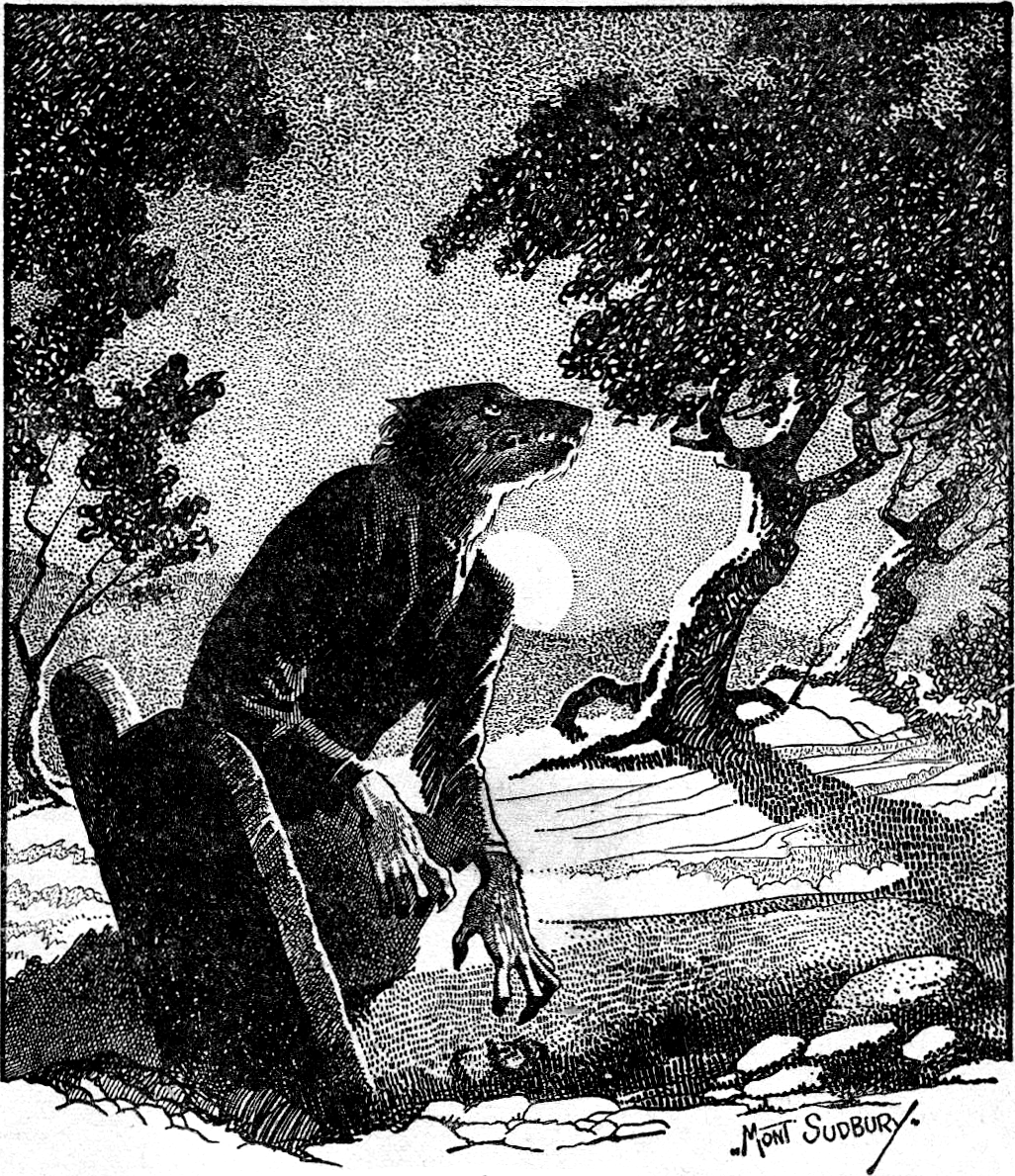 🇫🇷 France and 5 moreWerewolf
A mythical shapeshifter that turns into a wolf, central to European witch-hunts and Gothic horror.Being · Cursing and harm · Wonder and entertainment Legendary
🇫🇷 France and 5 moreWerewolf
A mythical shapeshifter that turns into a wolf, central to European witch-hunts and Gothic horror.Being · Cursing and harm · Wonder and entertainment Legendary
 🇪🇬 Egypt and 1 moreLilithלִילִית
A feminine figure from Mesopotamian and Jewish mythology, often depicted as a night demon or spirit.Being · Cursing and harm Legendary
🇪🇬 Egypt and 1 moreLilithלִילִית
A feminine figure from Mesopotamian and Jewish mythology, often depicted as a night demon or spirit.Being · Cursing and harm Legendary
 🇪🇬 EgyptCurse
A spoken wish for misfortune to befall a person or placeBelief · Cursing and harm · Luck and prosperity Historical
🇪🇬 EgyptCurse
A spoken wish for misfortune to befall a person or placeBelief · Cursing and harm · Luck and prosperity Historical