Siyokoy
from Hokkien shui gui, meaning water ghost
A hostile aquatic humanoid from Philippine mythology that drags victims underwater
The siyokoy is an aquatic humanoid creature from Philippine mythology. It is described as having scales and webbed limbs and is said to drown humans.
- Also called shokoy or syokoy
- Has scales, webbed limbs, and fins
- Hostile to humans
- Said to drown individuals
- Name from Hokkien shui gui
What it is
The siyokoy is a fearsome aquatic humanoid found in Philippine folklore. Unlike sirenas or kataw, which retain more human features, the siyokoy is distinctly animalistic. Its body is covered in slimy green or brown fish scales. It possesses muscular limbs, webbed hands and feet, and fins. Some accounts describe long green tentacles and gill slits on its neck. The creature has a grotesque face with sharp teeth and bulging eyes. It symbolizes the hidden dangers of deep waters.
Where it comes from
The name comes from the Hokkien term shui gui. In Chinese folklore, these are restless spirits of drowned people who drag victims underwater to possess their bodies. The concept may also relate to Siukuy, an anito of rivers among ancient Tagalogs. Modern legends view it as a sea monster rather than a spirit. It is distinct from other merfolk types in Philippine stories.
Siyokoy, drawn and placed
- Living
- Revived
- Fading
- Historical
- Legendary
- Performed
- Lineage
- Philippine mythology
What it is for
The siyokoy is known for harming humans. Legends say it drowns individuals, particularly fishermen. It consumes its victims for food. The creature is described as malevolent and predatory. It lurks in ocean depths and lakes to hunt unsuspecting people.
Peoples and places
The siyokoy is central to Filipino mythology. It is part of the broader tradition of Philippine mythical creatures. The creature is feared for its strength and ability to move on land and in water. It represents a specific type of aquatic threat in local storytelling.
At a glance: who, where and when
Peoples
What people believe
The belief stems from ideas about water ghosts and river spirits. It connects to Chinese concepts of restless drowned souls. In local context, it serves as a warning about dangerous waters. The creature embodies the fear of drowning and being taken by unseen forces.
Compare and confuse
It is similar to the kataw and general merman figures. However, it differs from sirenas by having legs instead of a tail. It shares traits with Chinese water ghosts but is adapted into a physical monster form.
Questions people ask about Siyokoy
What is a siyokoy?
A siyokoy is an aquatic humanoid creature from Philippine mythology. It has scales, webbed limbs, and fins. It is often described as hostile to humans.
Where does the name come from?
The name comes from the Hokkien term shui gui. This means water ghost. It refers to restless spirits of drowned people in Chinese folklore.
What does the siyokoy do?
Legends say the siyokoy drowns humans. It is said to consume fishermen for food. It lurks in deep waters to attack unsuspecting victims.
Good reading and sources
The facts on this page come from the Wikipedia article "Siyokoy", written by its contributors and used under the CC BY-SA 4.0 licence, and from its Wikidata record (CC0). EveryJaadu rewrote the text in its own words, with AI assistance, and compares every page with the article to make sure no passage is copied. It may be reused under the same CC BY-SA 4.0 licence with a link back.
It may contain mistakes. Names and customs differ from one community to the next, and some knowledge is closed to outsiders and left out here. This page describes belief and practice. It does not say that any of it works, it is not a how-to, and it is not medical advice. If something is wrong, tell us. Last refreshed 2026-10-06.
More from the Philippines
All the entries from the Philippines 🇵🇭 PhilippinesAswang
A shape-shifting monster from Philippine folklore that preys on humans.Being · Cursing and harm Legendary
🇵🇭 PhilippinesAswang
A shape-shifting monster from Philippine folklore that preys on humans.Being · Cursing and harm Legendary
 🇲🇾 Malaysia and 5 morePenanggalan
A floating head with trailing organs from Malay folklore, said to hunt pregnant women and newborns.Being · Cursing and harm Legendary
🇵🇭 PhilippinesKapre
A tree giant of Philippine folklore that smokes cigars and plays pranks on travelersBeing · Wonder and entertainment Legendary
🇲🇾 Malaysia and 5 morePenanggalan
A floating head with trailing organs from Malay folklore, said to hunt pregnant women and newborns.Being · Cursing and harm Legendary
🇵🇭 PhilippinesKapre
A tree giant of Philippine folklore that smokes cigars and plays pranks on travelersBeing · Wonder and entertainment Legendary
Related elsewhere
All being 🇷🇸 Serbia and 5 moreVampire
An undead creature from folklore that feeds on the blood or life force of the livingBeing · Cursing and harm · Luck and prosperity Legendary
🇷🇸 Serbia and 5 moreVampire
An undead creature from folklore that feeds on the blood or life force of the livingBeing · Cursing and harm · Luck and prosperity Legendary
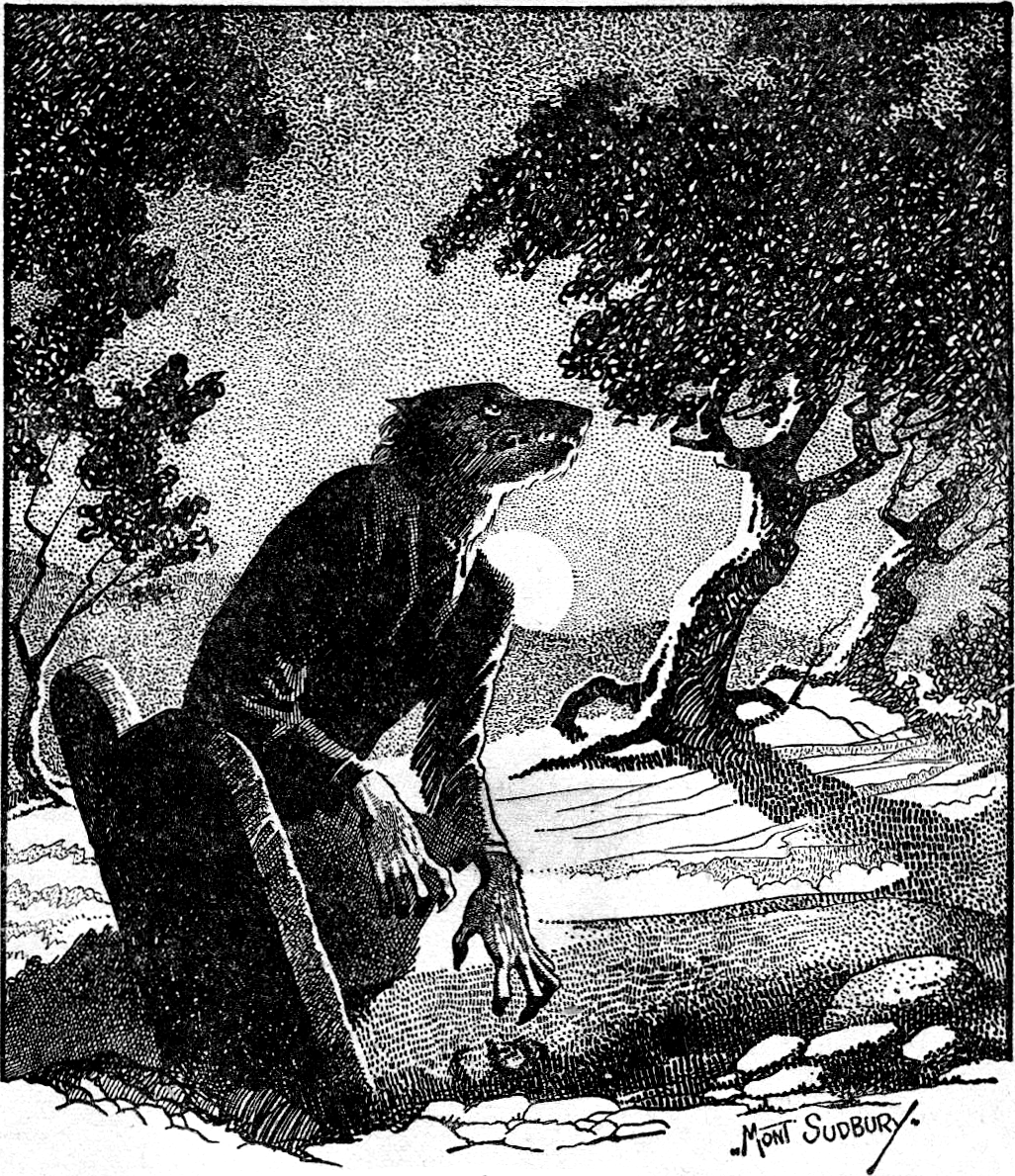 🇫🇷 France and 5 moreWerewolf
A mythical shapeshifter that turns into a wolf, central to European witch-hunts and Gothic horror.Being · Cursing and harm · Wonder and entertainment Legendary
🇫🇷 France and 5 moreWerewolf
A mythical shapeshifter that turns into a wolf, central to European witch-hunts and Gothic horror.Being · Cursing and harm · Wonder and entertainment Legendary
 🇪🇬 Egypt and 1 moreLilithלִילִית
A feminine figure from Mesopotamian and Jewish mythology, often depicted as a night demon or spirit.Being · Cursing and harm Legendary
🇪🇬 Egypt and 1 moreLilithלִילִית
A feminine figure from Mesopotamian and Jewish mythology, often depicted as a night demon or spirit.Being · Cursing and harm Legendary
 🇪🇬 EgyptCurse
A spoken wish for misfortune to befall a person or placeBelief · Cursing and harm · Luck and prosperity Historical
🇪🇬 EgyptCurse
A spoken wish for misfortune to befall a person or placeBelief · Cursing and harm · Luck and prosperity Historical