Traditions and systems
Whole bodies of practice: Vodou, shamanism, hoodoo, Wicca, onmyodo, Ifa and the rest.
A tradition is a whole body of magical practice with its own teachers, vocabulary and rules, as distinct from a single charm or rite. Ifa in West Africa, Vodou in Haiti, Tibetan Buddhist ritual, Wicca in Britain and America, and Siberian shamanism are all traditions in this sense. Some are living religions, some are modern inventions, and some survive only in fragments. This page looks at how they differ and what each label hides. Each is described here in its own terms wherever the community has chosen to share them.
Who holds them
A tradition has keepers. In Ifa, a babalawo trains for years and memorises the verses of Odu. In Haitian Vodou, a houngan or mambo is initiated within a house and a lineage. Wicca, by contrast, grew from the writings of Gerald Gardner in the 1950s and spreads by books and covens. Access varies: some traditions are open, some require initiation, and some are closed to outsiders by the community's own rule.
Names that mislead
Outsiders have often given traditions names their keepers did not choose. Colonial officials and missionaries called African and Indigenous religions fetishism, witchcraft or devil worship. The word voodoo, borrowed from the Haitian religion, became a stock horror image, while practitioners say Vodou. Many people also reject the word magic for what they see as plain religion, worship of ancestors or medicine of the land. Some are written down in long poems or scriptures, while others are carried only in memory, song and apprenticeship, which affects how outsiders can study them.
How states treat them
Treatment ranges from protection to prohibition. Haiti recognised Vodou as a religion in 2003. Britain repealed its Witchcraft Act only in 1951. Several African and Pacific states still prosecute witchcraft accusations, and Saudi Arabia has executed people for sorcery. Many traditions were absorbed rather than banned: Santeria wore the faces of Catholic saints, and Taoist ritual was licensed by Chinese emperors. Recognition on paper does not end prejudice: a faith can be legal under a constitution and still be mocked, taxed or policed at local level.
Scholars and sceptics
Anthropologists such as Evans-Pritchard, who studied the Azande in the 1930s, described magic as a coherent system of explanation, not stupidity. Historians stress that boundaries between religion, magic and science were drawn by particular people for particular reasons. Sceptics point out that tests of efficacy have found no effect beyond expectation. Many tradition-bearers answer that the question misses what the practice is for. Folklorists add that traditions are always changing, with no pure original to return to, and that revival is itself a form of change.
Tradition on EveryJaadu
The entries written up so far, best known first.
 🇵🇭 PhilippinesMananambal
A Filipino folk healer who treats illness with herbs, prayers, and sorceryTradition · Healing · Cursing and harm Living
🇺🇸 United StatesChurch of Light
An esoteric organization teaching astrology, alchemy, and magic as a way of life.Tradition · Power and authority · Change and initiation Living
 🇬🇧 United KingdomTeinddeachamh
A Scottish tithe for clergy and a fairy tribute to the devilTradition · Power and authority Historical
🇭🇹 HaitiFèy
A Haitian Vodou folk song used as a political anthem during military ruleTradition · Power and authority Living
 🇺🇸 United States and 1 moreChurch of Satan
An atheistic religious body founded in 1966 that practices ritual magicTradition · Power and authority · Change and initiation Living
 🇺🇸 United StatesFairy houses
Small outdoor structures built as homes for fairies using natural materialsTradition · Wonder and entertainment Living
 🇺🇸 United States and 1 moreDianism
A 19th-century American practice of sexual contact without ejaculationTradition · Power and authority Historical
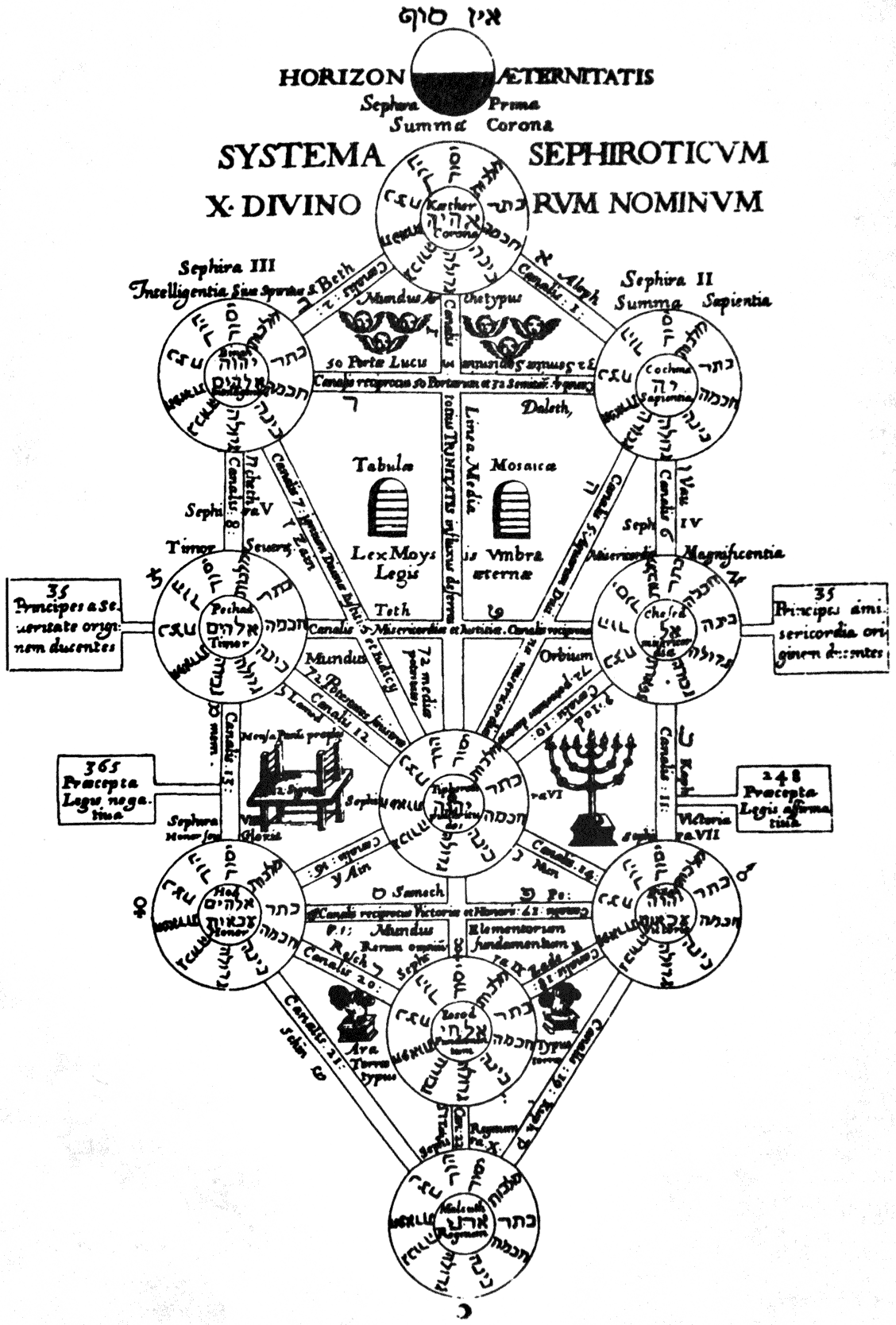 🇺🇸 United StatesChristian views on magic
A spectrum of Christian beliefs about magical practices, ranging from strict condemnation to esoteric integration.Belief · Cursing and harm · Protection Living
🇺🇸 United States and 3 moreAlaska Native religion
Traditional spiritual practices of the Inuit, Yupik, and Aleut peoples of AlaskaTradition · Healing · Luck and prosperity Historical
🇨🇳 ChinaMien shiang面相
A Chinese practice of reading character and fate through facial featuresBelief · Seeing and foretelling · Healing Historical
 🇪🇬 Egypt and 5 moreMawlidمولد
An annual festival commemorating the birth of the Prophet MuhammadTradition · Power and authority Living
🇩🇪 GermanyGerman Faith MovementDeutsche Glaubensbewegung
A Nazi-era religious movement seeking to replace Christianity with Germanic paganism and state ideology.Tradition · Power and authority Historical
 🇮🇩 IndonesiaSunda Wiwitanᮞᮥᮔ᮪ᮓ ᮝᮤᮝᮤᮒᮔ᮪
A folk religion of the Sundanese people in western Java, IndonesiaTradition · Protection · Speaking with spirits and the dead Living
🇲🇳 Mongolia and 1 moreYellow shamanismШар бөө
A Mongolian and Siberian shamanic tradition blended with Buddhist ritualsTradition · Speaking with spirits and the dead · Protection Historical
 🇬🇧 United Kingdom and 2 moreOrder of Nine Angles
A British Satanic network linked to neo-Nazism and violent extremismTradition · Cursing and harm · Power and authority Living
 🇯🇵 JapanGoryō御霊
A Japanese belief in appeasing vengeful spirits through Shinto shrinesBelief · Protection · Speaking with spirits and the dead Historical
🇲🇳 MongoliaBlack shamanismХар бөө
A Mongolian shamanic tradition working with lower spirits and ancestral power.Tradition · Speaking with spirits and the dead · Power and authority Revived
 🇬🇧 United KingdomGorsedd stonesCerrig yr Orsedd
Stone circles built for the National Eisteddfod of Wales to host druidic ceremonies.Tradition · Speaking with spirits and the dead · Power and authority Living
 🇭🇹 HaitiChristian-Vodou
The blending of Haitian Vodou and Roman Catholicism into a single spiritual practiceTradition · Speaking with spirits and the dead · Protection Living
 🇯🇵 Japan and 1 moreChain letterFukou no Tegami
A message that demands copying and forwarding to avoid bad luck or gain fortuneBelief · Luck and prosperity · Cursing and harm Historical
🇪🇬 EgyptEnochian chess
A four-player chess variant used by the Hermetic Order of the Golden Dawn for divination and playTradition · Wonder and entertainment Historical
 🇧🇷 Brazil and 1 moreSpiritualist art
Art produced during séances by mediums who claim spirits guide their hands or create images directly.Tradition · Speaking with spirits and the dead Historical
 🇬🇷 Greece and 3 moreExorcist
A religious specialist who performs rites to remove alleged demonic possession from people or places.Tradition · Cursing and harm · Cleansing and purification Living
 🇮🇹 ItalyTredesin de Mars
A Milanese spring celebration marked by a flower fair and a legendary stoneTradition · Luck and prosperity · Wonder and entertainment Historical
 🇮🇩 IndonesiaMarapu
Ancestral religion of Sumba and Flores in IndonesiaTradition · Speaking with spirits and the dead · Protection Living
 🇨🇳 China and 1 moreCash coins in feng shui古銅錢的風水
Old Chinese square-holed coins, hung or carried to draw luck and bar harmCharm · Luck and prosperity · Protection Living
🇬🇧 United KingdomEnglish Qaballa
A gematria system giving English letters fixed number valuesTradition Living
🇭🇹 HaitiBizango
Haitian secret societies linked to Vodou and social controlTradition · Cursing and harm · Binding and oaths Living
 🇷🇴 Romania and 3 moreCălușariCălușarii
A Romanian men's dance society that tours villages from Easter to PentecostTradition · Healing · Binding and oaths Living
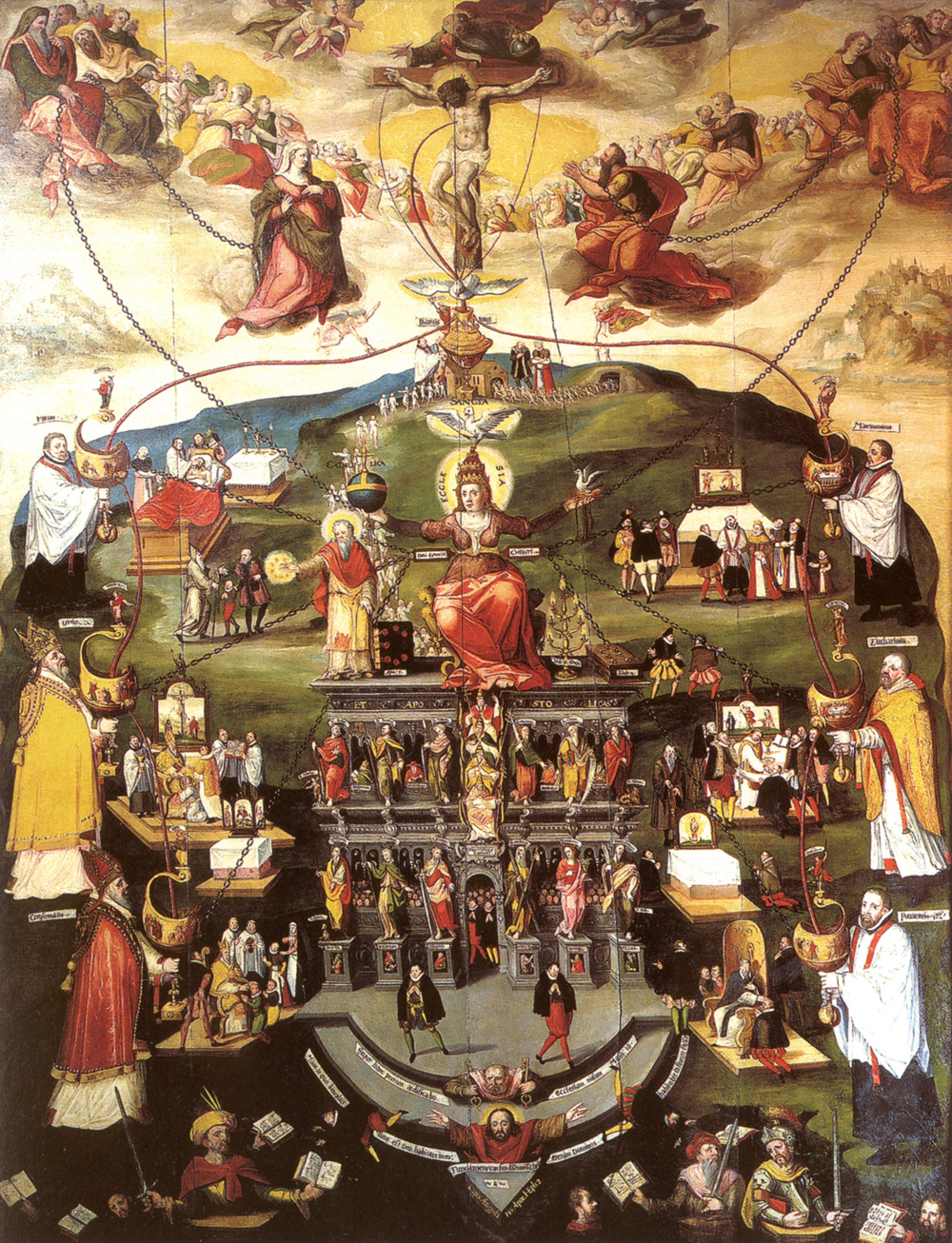 🇬🇷 GreeceSacred mysteriesμυστήριον
Secret ceremonies and divine doctrines held to exceed human reasonBelief · Speaking with spirits and the dead · Change and initiation Living
 🇮🇳 IndiaGandharvaगन्धर्व
Celestial musicians of Indian religions and a form of marriage by consentBeing · Power and authority · Luck and prosperity Living
🇭🇹 Haiti and 1 moreHaitian Vodou and homosexuality
The place of LGBTQ people in Hait Vodou practice and beliefTradition · Speaking with spirits and the dead Living
 🇲🇽 MexicoEntheogenics and the Maya
Hallucinogenic substances used by the Maya for spiritual rituals and healingTradition · Speaking with spirits and the dead · Healing Historical
 🇺🇸 United StatesMedicine man
A traditional healer and spiritual leader within Indigenous communities of the Americas.Tradition · Healing · Speaking with spirits and the dead Living
🇺🇸 United States and 2 moreSolar Lodge
A California-based magical order active in the 1960s, known for its A∴A∴ curriculum and legal troubles.Tradition · Power and authority Historical
🇬🇷 GreeceIsopsephy
A Greek letter-number method that links words by equal totalsTradition Historical
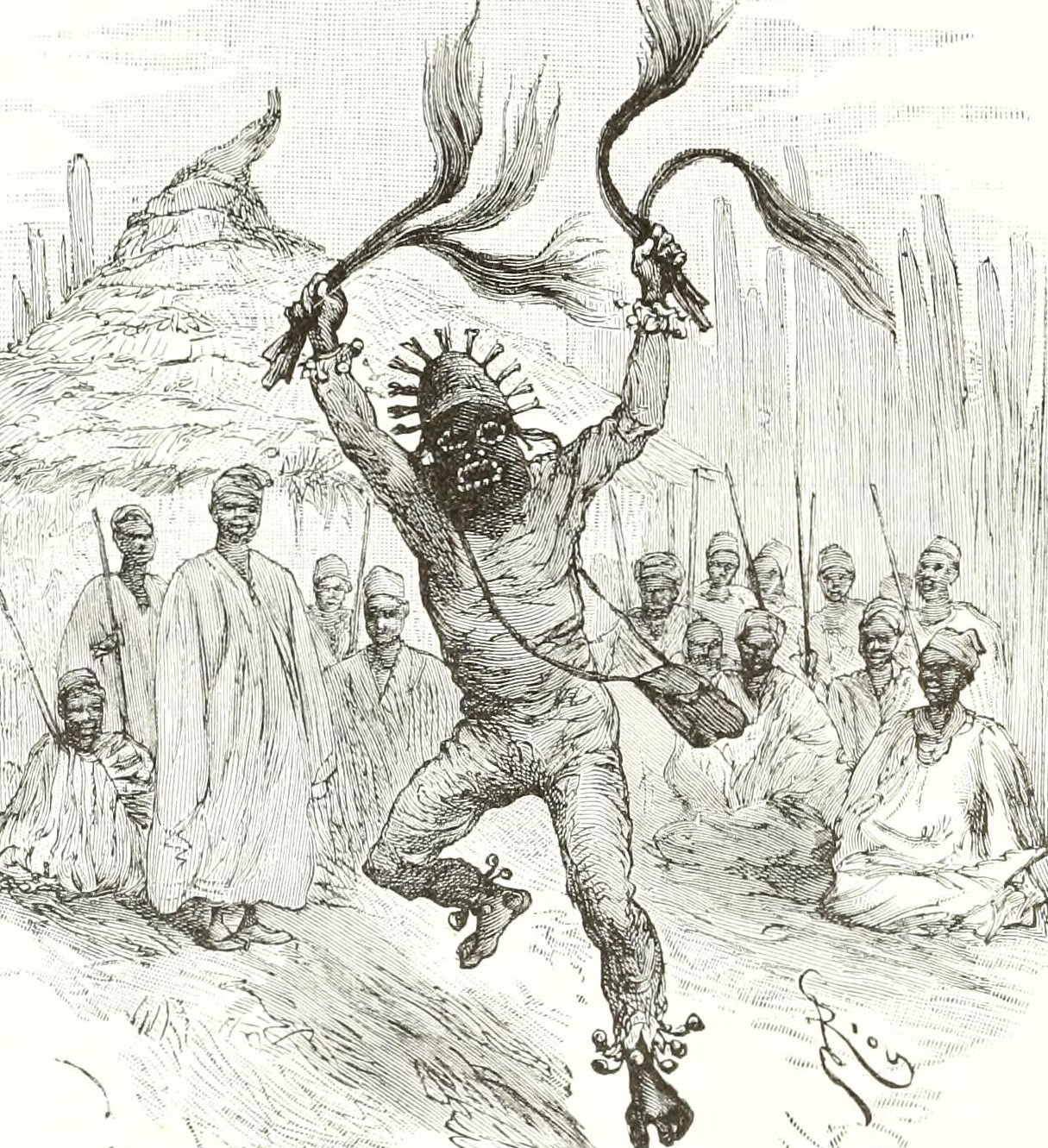 🇹🇹 Trinidad and Tobago and 1 moreTrinidadian Vodunu
A West African Vodun tradition practiced in Trinidad and Tobago with Catholic elementsTradition · Speaking with spirits and the dead · Power and authority Living
🇬🇧 United Kingdom and 3 moreOdinic Rite
A UK-based Heathen group that restricts membership to people of European ancestry.Tradition · Power and authority Living
🇧🇩 Bangladesh and 1 moreFolk deities of Sylhet
Seven local gods and goddesses of the Sylhet region, each with its own careBeing · Protection · Love and attraction Living
🇺🇸 United StatesSeax-Wica
A neopagan tradition blending Wiccan ritual with Anglo-Saxon symbolism and self-initiationTradition · Speaking with spirits and the dead · Power and authority Living
🇺🇸 United StatesOpen Source Order of the Golden Dawn
A modern magical order using open-source principles to adapt ceremonial ritualsTradition · Change and initiation Historical
 🇮🇹 ItalyUR Group
An Italian esoteric circle studying magic and traditional philosophy in the late 1920s.Tradition · Speaking with spirits and the dead · Change and initiation Historical
 🇬🇧 United Kingdom and 4 moreSpiritualism
A metaphysical belief that spirits communicate with the living through mediums.Belief · Speaking with spirits and the dead Living
🇨🇳 ChinaJiugongdao九宫道
A Chinese folk sect centered on Mount Wutai and esoteric cosmologyTradition · Power and authority Revived
🇺🇸 United StatesBlue Star Wicca
A US-based Wiccan path using a seven-point star and musical ritual.Tradition · Speaking with spirits and the dead · Change and initiation Living
🇰🇷 South KoreaMusok eumak무속 음악
Traditional Korean shamanistic music performed during gut rituals to induce tranceTradition · Speaking with spirits and the dead Living
 🇪🇸 Spain and 3 moreJewish heraldry
Heraldic achievements used by Jewish communities in Europe and abroadTradition · Power and authority Historical
🇷🇴 Romania and 5 moreMărțișor
A red and white string charm worn in early spring to welcome the seasonTradition · Protection · Luck and prosperity Living
Photo credits on this page
The small pictures above come from Wikimedia Commons under free licences. Some are cropped to fit.
- Mawlid: Firdaus Latif, CC BY-SA 2.0, source
- Rada lwa: Calvin Hennick, for WBUR Boston, CC BY 3.0, source
- Goryō: Tsukioka Yoshitoshi (1839–1892), Public domain, source
- Xtabay: Unknown author, Public domain, source
- Spiritualist art: Bodasia, CC BY-SA 4.0, source
- Exorcist: Francisco Goya, Public domain, source
- Tredesin de Mars: A ntv, Public domain, source
- Sacred mysteries: Johannes Hopffe, Public domain, source
- Medicine man: Smallbones, Public domain, source
- Spiritualism: Internet Archive Book Images, No restrictions, source
- West African Vodún: I cropped, original authors are Ridpath, John Clark, CC BY-SA 4.0, source
- Teind: Palickap, CC BY-SA 4.0, source
- Church of Satan: Palnu ., CC BY-SA 3.0, source
- Fairy houses: liz west, CC BY 2.0, source
- Dianism: Guillaume Seignac, Public domain, source
- Order of Nine Angles: Unknown author, CC BY 4.0, source
- Marapu: Unknown author, CC BY-SA 3.0, source
- Cash coins in feng shui: No machine-readable author provided. Galopin~commonswiki assumed (base, CC BY-SA 3.0, source
- Călușari: El bes, CC BY 3.0, source
- Gandharva: Biswarup Ganguly, CC BY 3.0, source
- Kejawèn: Greenland4, Public domain, source
- Christian views on magic: Athanasius Kircher, Public domain, source
- Gorsedd stones: Robin Drayton, CC BY-SA 2.0, source
- Chain letter: Alpha, CC BY-SA 2.0, source
- UR Group: Gruppo di Ur, Public domain, source
- Mananambal: Ji-Elle, CC BY-SA 4.0, source
- Jewish heraldry: Consulta Araldica, 1868, CC BY-SA 4.0, source