Isopsephy
from Greek isos, equal, and psephos, count or pebble
A Greek letter-number method that links words by equal totals
Isopsephy is a Greek numerological practice. It gives letters fixed number values, sums them for a word, and treats the total as a link to another word or phrase with the same value. Surviving Greek examples appear in verse, graffiti and stone inscriptions.
- Greek letters stood for units, tens and hundreds, with three obsolete signs filling gaps.
- Graffiti at Pompeii around 79 AD compare a lover's name with a number total.
- The Book of Revelation's 666 uses a Greek word for count linked to pebble.
- A Sparta memorial for a boy singer repeats a line total of 2730.
- Leonidas of Alexandria wrote paired verses whose sums matched.
What it is
Isopsephy is a Greek practice in numerology. A word's letters carry set numbers, and those numbers are added to produce one total. That total is then set beside another name, word or verse with the same total. The match is the link between them. The term's Greek parts mean equal and count, and the old counter was a pebble. Examples survive in poetry, wall graffiti and stone inscriptions from the Greek world. It sits with other alphabetic number systems, especially Hebrew gematria and the Arabic Abjad numerals.
Where it comes from
Before Arabic numerals spread, Greek numerals were written with the alphabet. Arabic numerals came into use after Indian numerals influenced them in the eighth and ninth centuries. Fibonacci of Pisa's 1202 book Liber Abaci helped bring them to Europe. Letter-based counting had already made it easy to see numbers inside words. Apollonius of Perga, a third-century BC mathematician, posed a verse puzzle about Artemis that used multiplication. Graffiti at Pompeii from around 79 AD compare lovers by totals. A wall slogan from Rome is noted by Suetonius in 121 AD. The Book of Revelation supplies the famous 666, and its word for count shares the pebble root. Leonidas of Alexandria made paired verses with matching sums in the first century AD. A second-century gravestone from the Artemis sanctuary at Sparta Orthia gives a singing champion's verse, with each line adding to 2730. Aelius Nicon of Pergamon also composed isopsephic works.
How it is done
Greek letters are assigned units, tens and hundreds. The 24-letter alphabet was extended with three obsolete signs: digamma, also written stigma, for 6; qoppa for 90; and sampi for 900. Values are added in a line. For example, 241 can be written as sigma, mu, alpha, because 200, 40 and 1 make that sum. A word's total is then compared with another word, name or verse. Apollonius used multiplication rather than addition in his puzzle. Leonidas set a hexameter and a pentameter against the next pair so their sums agreed.
Tools and materials
The alphabet is the central instrument. It supplies 27 values from one to 900, using three obsolete letters for the gaps. Counting boards were used for arithmetic and accounts in ancient Greece, and their counter was called psephos, a pebble. Latin calculus carries the same sense, and English calculate comes from it. In the surviving examples the total is sometimes written at the end of a line, as on the Sparta stone. The number is both a result and a mark to compare.
Isopsephy, drawn and placed
- Living
- Revived
- Fading
- Historical
- Legendary
- Performed
- Lineage
- Greek alphabetic numerology, related to gematria
What it is for
A shared total lets one word be read against another. The Pompeii graffiti give personal examples: one writer says his beloved's number is 545, and another gives Harmonia's name as 45. Leonidas used matching sums to address Nero in verse. The Sparta stone records a boy's singing victory and repeats the line total. Apollonius turned a verse about Artemis into a multiplication problem. The later legacy is placed in code-breaking and numerology.
Who does it
Several kinds of writer left examples. Apollonius of Perga was a mathematician. Leonidas of Alexandria was a poet who built epigrams with equal totals. Aelius Nicon of Pergamon was an architect, and his son Galen described him as skilled in geometry and numbers and as a composer of isopsephic works. Anonymous people left graffiti at Pompeii and a slogan on a Roman wall. A memorial verse for a singing champion was set up at Sparta. The practice was not confined to one profession.
Peoples and places
The Greek world is the setting for the surviving examples. They come from Alexandria, Pergamon, Sparta, Pompeii and Rome, and the verses and graffiti are in Greek. Other alphabets have related practices. Hebrew gematria applies the same broad idea to Hebrew letters. The Arabic Abjad numerals are the Arabic-alphabet counterpart. A Latin-script gematria had a following in Europe during medieval and Renaissance times. The Greek examples remain the core of isopsephy, while these relatives show the idea in other scripts.
At a glance: who, where and when
Who does it
Peoples
What people believe
The practice rests on the idea that a word has a numerical side. Letters stand for fixed amounts, and a sum can be placed next to another sum. When the two agree, the words are treated as joined by that equality. Greek isos, equal, names the match. The examples in Greek verse and graffiti work through the alphabet's number scheme. The Book of Revelation uses the same counting idea in an apocalyptic Christian setting. Hebrew gematria is the closest parallel.
When it is done
The examples belong to particular moments. Pompeii graffiti link a lover to a number. A Roman wall carries a political slogan. Leonidas addresses Nero at the time of the emperor's nativity. The Sparta stone commemorates a boy's win in a singing competition. Apollonius frames his puzzle around a verse for Artemis. The examples are dated by the poems, graffiti and stones that carry them.
Compare and confuse
Isopsephy is the Greek counterpart of gematria, which works with the Hebrew alphabet. The Arabic-alphabet version is called Abjad numerals. A Latin-script gematria had a following in Europe in medieval and Renaissance times. The same broad idea appears in chronograms, where letters in an inscription stand for a date. The practice is also called isopsephism.
Today
Its stated legacy is in code-breaking and numerology. Online Greek isopsephy calculators are listed, including one that accepts Unicode Greek letters and one that totals verse lines. The old examples survive as texts and inscriptions: Pompeii graffiti, Leonidas's epigrams, the Sparta memorial and the Revelation verse. Related modern systems such as English Qaballa appear alongside it in reference lists.
Questions people ask about Isopsephy
What is isopsephy?
It is a Greek numerological practice. Each letter of a word has a fixed number, and the letters are summed. The total is then compared with another word or phrase that gives the same number, making a link between them.
Where does it come from?
The practice is Greek and uses the Greek alphabet. Its surviving examples come from the Greek world, including Alexandria, Pergamon, Sparta, Pompeii and Rome. Related letter-number systems exist in Hebrew gematria and Arabic Abjad numerals.
What is the 666 connection?
The Book of Revelation gives 666 as the number of the beast. The word translated as count in that verse, psephisato, shares the pebble root found in isopsephy. The verse asks a reader with understanding to count the number of a man.
Did isopsephy only appear in serious mathematics?
No. Examples range from a mathematician's verse puzzle by Apollonius of Perga to Pompeii graffiti, a Roman wall slogan, a birthday poem for Nero, and a memorial for a singing champion at Sparta.
How does the Greek letter numbering work?
Letters are assigned units from 1 to 9, tens from 10 to 90, and hundreds from 100 to 900. Because 27 values are needed, three obsolete letters are used: digamma or stigma for 6, qoppa for 90, and sampi for 900.
Good reading and sources
The facts on this page come from the Wikipedia article "Isopsephy", written by its contributors and used under the CC BY-SA 4.0 licence, and from its Wikidata record (CC0). EveryJaadu rewrote the text in its own words, with AI assistance, and compares every page with the article to make sure no passage is copied. It may be reused under the same CC BY-SA 4.0 licence with a link back.
It may contain mistakes. Names and customs differ from one community to the next, and some knowledge is closed to outsiders and left out here. This page describes belief and practice. It does not say that any of it works, it is not a how-to, and it is not medical advice. If something is wrong, tell us. Last refreshed 2026-10-20.
More from Greece
All the entries from Greece 🇬🇷 Greece and 5 moreCrossroads (folklore)
A junction between worlds where spirits are met and deals are madeBelief · Speaking with spirits and the dead · Cursing and harm Living
 🇬🇷 Greece and 5 moreBay Laurelδάφνη
An aromatic Mediterranean plant used in cooking and as a symbol of victory and purification.Substance · Protection · Cleansing and purification Living
 🇮🇪 Ireland and 5 moreCairn
A human-made stack of stones used as a marker, memorial, or religious symbol across many cultures.Tradition · Protection · Speaking with spirits and the dead Living
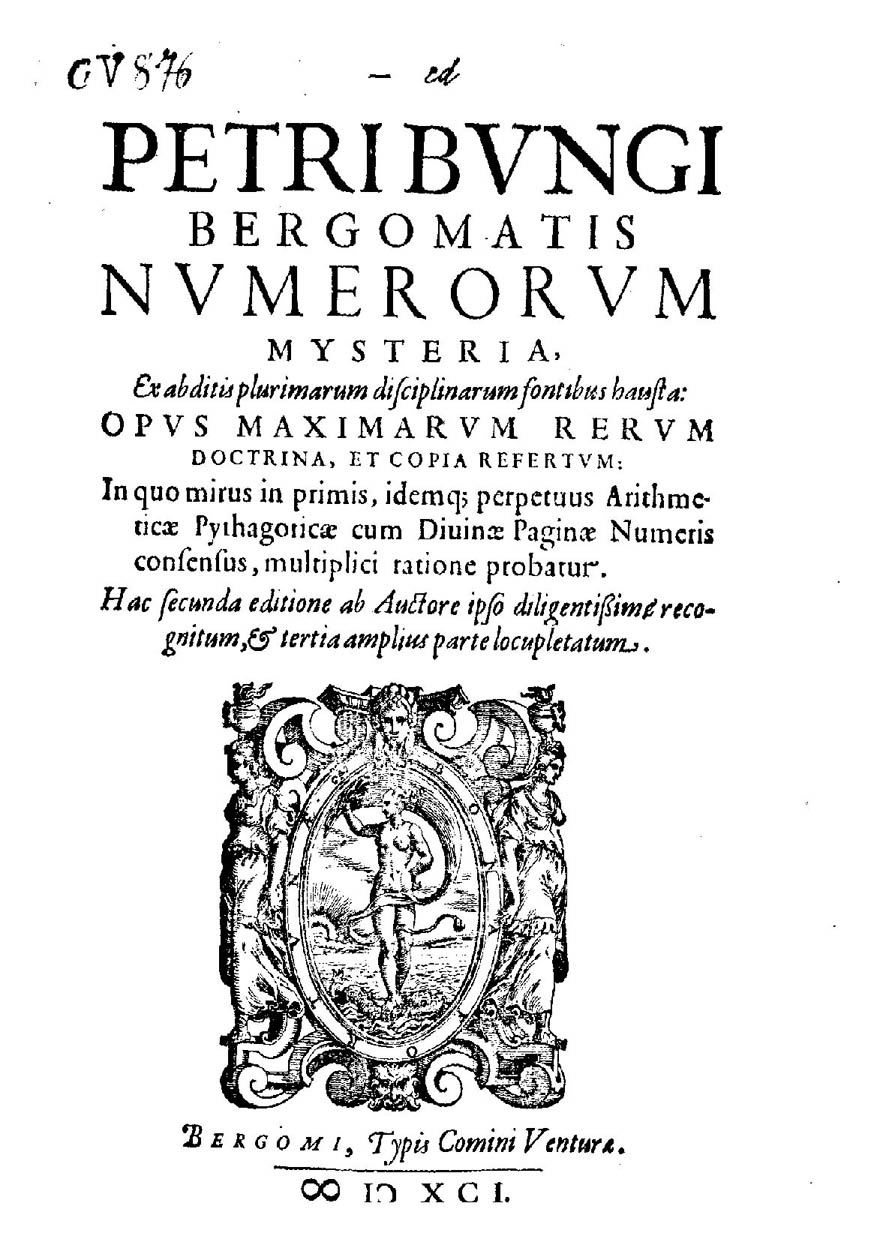 🇬🇷 Greece and 2 moreNumerology
The belief that numbers hold hidden meanings and influence human events.Belief · Seeing and foretelling · Luck and prosperity Historical
Related elsewhere
All tradition 🇮🇶 Iraq and 4 moreAstrology
A system of divination that links human affairs to the positions of celestial bodiesTradition · Seeing and foretelling · Luck and prosperity Living
 🇺🇸 United States and 5 moreSatanism
A modern set of beliefs using the figure of Satan as a symbol or deity.Tradition · Power and authority · Cursing and harm Living
 🇪🇬 Egypt and 1 moreLilithלִילִית
A feminine figure from Mesopotamian and Jewish mythology, often depicted as a night demon or spirit.Being · Cursing and harm Legendary
 🇪🇬 EgyptCurse
A spoken wish for harm, often backed by ritual or divine authorityBelief · Cursing and harm · Protection Historical