Fèy
from Haitian Creole fèy, meaning leaf
A Haitian Vodou folk song used as a political anthem during military rule
Fèy is a traditional Vodou folk song from Haiti. Its lyrics describe a leaf falling from a tree and are believed to carry religious and political meanings.
- Fèy means leaf in Haitian Creole
- RAM performed it at the 1992 Carnival
- Banned by the Cédras military junta
- Unofficial anthem for Aristide supporters
- Released on the album Aïbobo in 1996
What it is
Fèy is a traditional Vodou folk song from Haiti. The title means leaf in Haitian Creole. The lyrics describe a leaf falling from a tree. Listeners believe the words hold deep religious and political meanings. It serves as a cultural expression of faith and resistance.
Where it comes from
The song originates from Haitian Vodou folklore. RAM, a rasin band in Port-au-Prince, performed it at the 1992 Carnival. They also played it at weekly concerts at the Hotel Oloffson. A recording was widely played on radio. It became an unofficial anthem for supporters of President Jean-Bertrand Aristide.
How it is done
The song is performed by vocalists and musicians. RAM sang adaptations of the traditional tune. The lyrics are sung in Haitian Creole. The performance conveys messages through metaphor. The melody carries emotional weight for the audience.
Tools and materials
The primary tool is the human voice. Musicians use instruments typical of rasin music. The lyrics are central to the performance. The song relies on oral tradition and musical arrangement.
Fèy, drawn and placed
- Living
- Revived
- Fading
- Historical
- Legendary
- Performed
- Lineage
- Vodou folklore
- Timing
- during festivals and concerts
What it is for
The song expresses support for political leaders. It unites people under a common symbol. It reflects religious beliefs through nature imagery. It serves as a form of peaceful protest against oppression.
Who does it
Musicians and singers perform Fèy. RAM's leader Richard A. Morse faced death threats. Performers risk their safety to sing the song. They act as voices for political dissent and cultural pride.
Peoples and places
The song is deeply rooted in Haitian culture. It is practiced by Haitians who follow Vodou traditions. Rasin bands popularized its modern versions. The military junta banned its performance in Haiti.
At a glance: who, where and when
What people believe
Listeners believe the falling leaf symbolizes change or loss. The song connects spiritual Vodou practices with daily life. It is seen as a vessel for collective memory and hope.
When it is done
The song was performed during Carnival. It was also sung at weekly concerts. These events mark important times for community gathering and expression.
How scholars and sceptics see it
Scholars view the song as a key example of rasin music. It shows how art can influence politics. Researchers study its role in the 1990s Haitian crisis.
Cautions and what is closed
Singing the song led to death threats. The military regime banned its public performance. Artists faced severe risks for expressing dissent. The song remains a sensitive historical artifact.
Compare and confuse
Fèy is similar to other protest songs in Latin America. It shares themes with other Vodou folk tunes. Rasin music often blends tradition with modern politics.
Law and persecution
The Cédras military junta banned the song. Performing it was illegal under martial law. The ban lasted until U.S. troops ousted the regime in 1994.
Today
The song appears on RAM's album Aïbobo. Other rasin bands have recorded adaptations. It remains a symbol of Haitian resilience and artistic freedom.
Days linked to Fèy
Questions people ask about Fèy
What does Fèy mean?
Fèy means leaf in Haitian Creole. The lyrics describe a leaf falling from a tree. It is a traditional Vodou folk song from Haiti.
Why was the song banned?
The military junta led by Raoul Cédras banned the song. It became an unofficial anthem for supporters of President Aristide. Authorities viewed it as a threat to their rule.
Who performs Fèy today?
Rasin bands like RAM perform adaptations of the song. It is part of the living Vodou folklore tradition in Haiti. The lyrics are considered public domain.
Good reading and sources
The facts on this page come from the Wikipedia article "Fèy", written by its contributors and used under the CC BY-SA 4.0 licence, and from its Wikidata record (CC0). EveryJaadu rewrote the text in its own words, with AI assistance, and compares every page with the article to make sure no passage is copied. It may be reused under the same CC BY-SA 4.0 licence with a link back.
It may contain mistakes. Names and customs differ from one community to the next, and some knowledge is closed to outsiders and left out here. This page describes belief and practice. It does not say that any of it works, it is not a how-to, and it is not medical advice. If something is wrong, tell us. Last refreshed 2026-10-06.
More from Haiti
All the entries from Haiti 🇹🇹 Trinidad and Tobago and 3 moreCaribbean folklore
The blended tales and spirits of the Caribbean islandsTradition · Wonder and entertainment Living
🇹🇹 Trinidad and Tobago and 3 moreCaribbean folklore
The blended tales and spirits of the Caribbean islandsTradition · Wonder and entertainment Living
 🇭🇹 Haiti and 2 moreManbo
A female priestess in Haitian Vodou who leads rituals and healing workTradition · Healing · Speaking with spirits and the dead Living
🇭🇹 Haiti and 2 moreManbo
A female priestess in Haitian Vodou who leads rituals and healing workTradition · Healing · Speaking with spirits and the dead Living
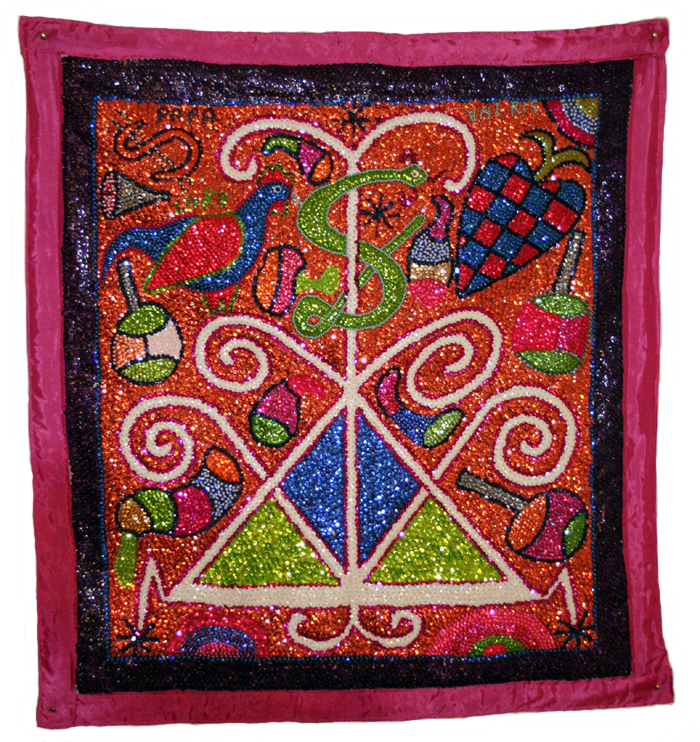 🇭🇹 Haiti and 2 moreHaitian VodouVodou
An Afro-Haitian religion blending West African traditions with Catholicism and FreemasonryTradition · Protection · Healing Living
🇭🇹 Haiti and 2 moreHaitian VodouVodou
An Afro-Haitian religion blending West African traditions with Catholicism and FreemasonryTradition · Protection · Healing Living
 🇭🇹 Haiti and 2 moreBokorbòkò
A Haitian Vodou practitioner said to serve spirits for both protection and harmTradition · Protection · Cursing and harm Living
🇭🇹 Haiti and 2 moreBokorbòkò
A Haitian Vodou practitioner said to serve spirits for both protection and harmTradition · Protection · Cursing and harm Living
Related elsewhere
All tradition 🇮🇳 India and 5 moreAstrology
A divinatory practice that reads human fate through the positions of celestial bodies.Belief · Seeing and foretelling · Luck and prosperity Living
🇮🇳 India and 5 moreAstrology
A divinatory practice that reads human fate through the positions of celestial bodies.Belief · Seeing and foretelling · Luck and prosperity Living
 🇬🇧 United Kingdom and 2 moreKing ArthurBrenin Arthur
A legendary British king and folk hero of medieval literature and Welsh mythologyFigure · Power and authority · Wonder and entertainment Legendary
🇬🇧 United Kingdom and 2 moreKing ArthurBrenin Arthur
A legendary British king and folk hero of medieval literature and Welsh mythologyFigure · Power and authority · Wonder and entertainment Legendary
 🇫🇷 FranceHoly GrailSaint Graal
A cup or stone from Arthurian tales that grants healing and eternal lifeFigure · Healing · Luck and prosperity Legendary
🇫🇷 FranceHoly GrailSaint Graal
A cup or stone from Arthurian tales that grants healing and eternal lifeFigure · Healing · Luck and prosperity Legendary
 🇮🇳 India and 2 morePalmistry
A divination method that interprets the lines and shapes of the hand to predict fate or reveal character.Oracle · Seeing and foretelling · Power and authority Living
🇮🇳 India and 2 morePalmistry
A divination method that interprets the lines and shapes of the hand to predict fate or reveal character.Oracle · Seeing and foretelling · Power and authority Living