Blue Star Wicca
named for its central seven-pointed star symbol
A US-based Wiccan path using a seven-point star and musical ritual.
Blue Star Wicca is a modern Pagan tradition founded in Philadelphia during the 1970s. It adapts British Wiccan structures for American practitioners, emphasizing music, flexible theology, and a seven-pointed star symbol.
- Founded in Philadelphia in the 1970s by Frank Dufner
- Uses a blue seven-pointed star as its main symbol
- Incorporates music and ritual feasting into ceremonies
- Allows polytheist, pantheist, and monotheist participation
- Has around 1,000 members in the United States
What it is
Blue Star Wicca represents a distinct branch of modern witchcraft that developed within the United States. It functions as an eclectic path, blending elements from established British traditions with unique American innovations. The group identifies itself through specific symbolic markers, most notably the use of a seven-pointed star instead of the more common five-pointed pentagram. This visual distinction signals a theological openness that accommodates various spiritual perspectives, including polytheism, pantheism, and monotheism. Members gather in covens to perform rites that emphasize community, music, and shared meals alongside standard magical workings.
Where it comes from
The tradition traces its roots to Philadelphia, Pennsylvania, where it was founded by Frank Dufner in the mid-1970s. Initially organized as the Coven of the Blue Star, the group sought recognition within broader Pagan networks. By 1980, they described their practice as Great American Nontraditional Collective Eclectic Wicca to the Covenant of the Goddess. Early members spread the tradition to the New York metropolitan area. Key figures like Tzipora Katz helped shape its early identity before her departure in the 1980s led to further dissemination through touring and publishing.
How it is done
Rituals center on a round altar placed within a circle of participants. Practitioners pay close attention to how tools are arranged and handled on this altar. Music plays a significant role in their liturgy, distinguishing them from many other covens. The tradition also incorporates ritual feasting as part of communal bonding. Initiatory tattooing serves as a permanent marker of commitment within the path. These practices combine structured ceremonial magic with expressive artistic elements to create a unique experiential framework for members.
Tools and materials
The septegram, or seven-pointed star, serves as the primary symbol of the tradition. This geometric shape replaces the traditional pentagram found in many other Wiccan groups. Ritual tools are arranged on a central round altar with specific care regarding their positioning. These instruments facilitate the ceremonial work performed during gatherings. The emphasis on tool placement reflects a belief in the importance of physical arrangement in supporting spiritual intent and ritual structure.
Blue Star Wicca, drawn and placed
- Living
- Revived
- Fading
- Historical
- Legendary
- Performed
- Lineage
- American Wicca
- Timing
- during rituals and life passages
What it is for
Members engage in the tradition for spiritual growth, community connection, and religious expression. The flexible theology allows individuals with diverse beliefs to participate without requiring strict adherence to a single dogma. Practitioners may invoke Wiccan deities, Pagan gods, or abstract spiritual concepts depending on their personal inclinations. The tradition supports life passage ceremonies and daily spiritual practice. It aims to provide a supportive environment for those seeking a structured yet adaptable form of witchcraft.
Who does it
Leaders within the tradition hold titles such as Priest and Priestess. These roles involve guiding covens and overseeing initiations. The tradition has historically been led by individuals who helped establish its early structure and liturgy. Training occurs within the coven setting, passing knowledge from experienced members to newcomers. The path attracts practitioners who value both ceremonial rigor and creative expression in their spiritual lives.
Peoples and places
The tradition is primarily based in the United States, with smaller communities existing outside the country. It emerged from the American Pagan landscape of the 1970s, responding to the desire for localized Wiccan forms. While inspired by British Gardnerian and Alexandrian models, it adapted these frameworks to fit American cultural contexts. The tradition has influenced other groups like Maidenhill Wicca and Braided Wheel, showing its impact on the broader development of American witchcraft.
At a glance: who, where and when
Who does it
Peoples
Belief worlds
Occasions
What people believe
Theological flexibility is a core tenet, allowing polytheists, pantheists, and monotheists to join. Rituals can include prayers or invocations directed toward various divine entities. This inclusivity extends to the gods and goddesses of different Pagan peoples as well as deified abstractions. The tradition does not enforce a single cosmological view, instead focusing on shared ritual practice and ethical living. This approach creates a broad tent for diverse spiritual interpretations within a unified ceremonial structure.
When it is done
The tradition observes life passage ceremonies and regular ritual gatherings. Specific festivals are not detailed in the available records, but the path supports ongoing spiritual practice throughout the year. Musical performances and tours have historically been part of the community's engagement with the wider Pagan world. These events often coincide with opportunities to found new covens and expand the tradition's reach across different regions.
How scholars and sceptics see it
Academic interest in Blue Star Wicca focuses on its role in the development of American eclectic Wicca. Researchers note its significance as one of the few large witchcraft traditions besides Feri to prominently feature the septegram. Studies highlight its adaptation of British traditions into a uniquely American format. The tradition's emphasis on music and literary output provides insight into the cultural dimensions of modern Pagan practice.
Cautions and what is closed
As with any religious group, members should be aware of the personal commitments involved in initiation and leadership roles. The tradition requires dedication to its specific ritual methods and symbolic systems. Outsiders may find the theological flexibility confusing if they expect rigid doctrinal boundaries. The history includes internal changes following the departure of key founders, which can affect continuity and lineage claims.
Compare and confuse
Blue Star Wicca is often compared to Gardnerian and Alexandrian Wicca due to its structural similarities. However, it differs significantly in its use of the septegram and its incorporation of music. It is considered a cousin to the Odyssean tradition by some adherents. The tradition shares the eclectic nature of many American Wiccan paths while maintaining distinct ceremonial features that set it apart from British-derived groups.
Law and persecution
The tradition operates legally within the United States as a recognized religious organization. Members have secured rights to practice their faith openly. The path has engaged with legal frameworks for religious recognition, such as applications to the Covenant of the Goddess. This status helps protect the community's ability to gather and conduct rituals without interference.
Questions people ask about Blue Star Wicca
What makes Blue Star Wicca different from other Wiccan traditions?
It uses a seven-pointed star instead of a pentagram and includes music and feasting in its rituals. The tradition also allows greater theological flexibility for different types of believers.
Where did Blue Star Wicca originate?
It was created in Philadelphia, Pennsylvania, during the 1970s. The founder established it as an American adaptation of British Wiccan structures.
Can people with different religious beliefs join this tradition?
Yes. The theology is flexible enough to accommodate polytheists, pantheists, and monotheists who wish to participate in its rituals and ceremonies.
Good reading and sources
The facts on this page come from the Wikipedia article "Blue Star Wicca", written by its contributors and used under the CC BY-SA 4.0 licence, and from its Wikidata record (CC0). EveryJaadu rewrote the text in its own words, with AI assistance, and compares every page with the article to make sure no passage is copied. It may be reused under the same CC BY-SA 4.0 licence with a link back.
It may contain mistakes. Names and customs differ from one community to the next, and some knowledge is closed to outsiders and left out here. This page describes belief and practice. It does not say that any of it works, it is not a how-to, and it is not medical advice. If something is wrong, tell us. Last refreshed 2026-10-14.
More from the United States
All the entries from the United States 🇺🇸 United States and 5 moreSatanism
A modern set of beliefs using the figure of Satan as a symbol or deity.Tradition · Power and authority · Cursing and harm Living
🇺🇸 United States and 5 moreSatanism
A modern set of beliefs using the figure of Satan as a symbol or deity.Tradition · Power and authority · Cursing and harm Living
 🇺🇸 United StatesFolk healer
An unlicensed community member who provides healing care using local plants and traditional knowledge.Tradition · Healing · Protection Historical
🇺🇸 United StatesFolk healer
An unlicensed community member who provides healing care using local plants and traditional knowledge.Tradition · Healing · Protection Historical
 🇺🇸 United States and 1 moreGroundhog DayGrund'sau dåk
A North American custom using a burrowing rodent to forecast the end of winterTradition · Seeing and foretelling · Luck and prosperity Living
🇺🇸 United States and 1 moreGroundhog DayGrund'sau dåk
A North American custom using a burrowing rodent to forecast the end of winterTradition · Seeing and foretelling · Luck and prosperity Living
 🇺🇸 United States and 3 moreMediumship
The practice of mediating communication between the living and spirits of the dead.Tradition · Speaking with spirits and the dead Living
🇺🇸 United States and 3 moreMediumship
The practice of mediating communication between the living and spirits of the dead.Tradition · Speaking with spirits and the dead Living
Related elsewhere
All tradition 🇮🇳 IndiaChakraचक्र
Meditation points in the subtle body used in Hindu and Buddhist yogaTradition · Speaking with spirits and the dead · Change and initiation Living
🇮🇳 IndiaChakraचक्र
Meditation points in the subtle body used in Hindu and Buddhist yogaTradition · Speaking with spirits and the dead · Change and initiation Living
 🇫🇷 France and 5 moreKabbalahקַבָּלָה
An esoteric school of thought within Judaism focused on the hidden meanings of scripture and the divine.Tradition · Speaking with spirits and the dead · Change and initiation Living
🇫🇷 France and 5 moreKabbalahקַבָּלָה
An esoteric school of thought within Judaism focused on the hidden meanings of scripture and the divine.Tradition · Speaking with spirits and the dead · Change and initiation Living
 🇪🇸 Spain and 5 moreIbn Arabiمحيي الدين أبو عبد الله محمد بن علي بن عربي الحاتمي الطائي
A medieval Andalusian mystic and philosopher whose teachings shaped Sufi metaphysics across the Islamic world.Text · Speaking with spirits and the dead · Change and initiation Living
🇪🇸 Spain and 5 moreIbn Arabiمحيي الدين أبو عبد الله محمد بن علي بن عربي الحاتمي الطائي
A medieval Andalusian mystic and philosopher whose teachings shaped Sufi metaphysics across the Islamic world.Text · Speaking with spirits and the dead · Change and initiation Living
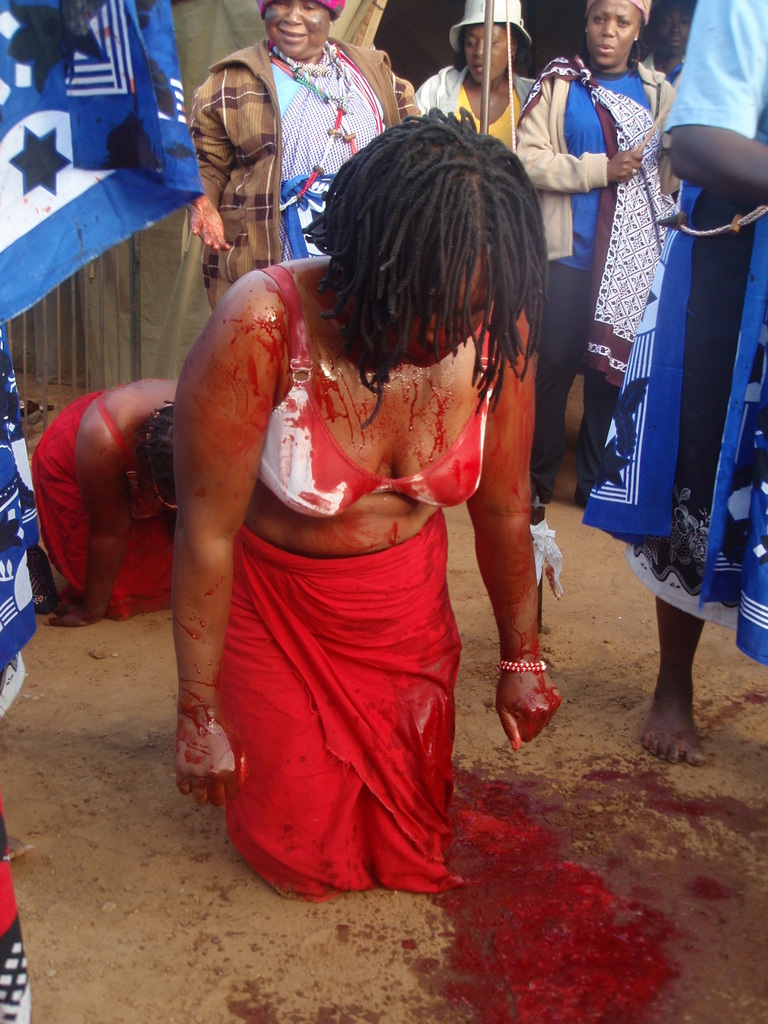 🇿🇦 South AfricaUkuthwasa
A spiritual calling and initiation process for traditional healers in Southern Africa.Rite · Healing · Speaking with spirits and the dead Living
🇿🇦 South AfricaUkuthwasa
A spiritual calling and initiation process for traditional healers in Southern Africa.Rite · Healing · Speaking with spirits and the dead Living