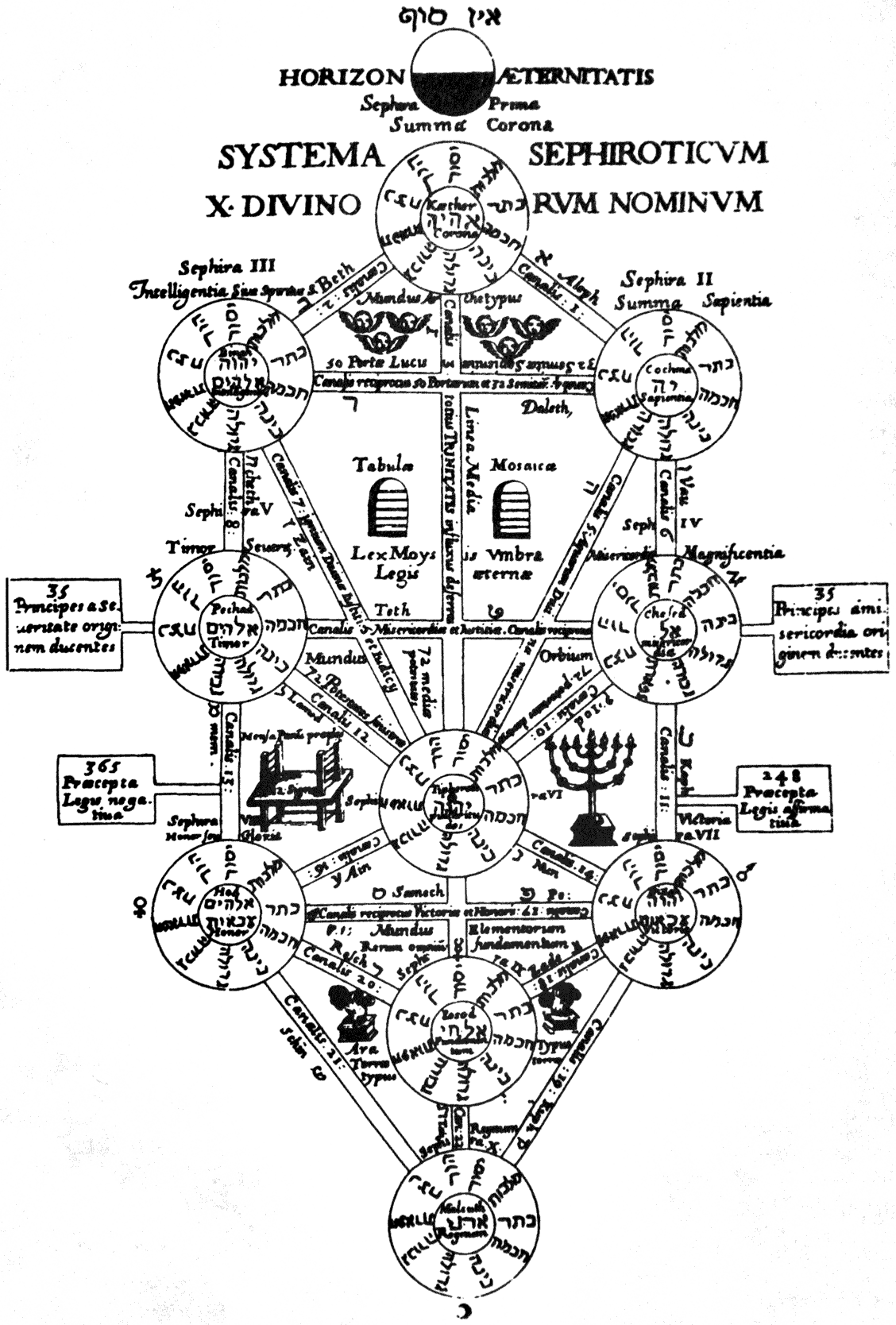
Christian views on magic
A spectrum of Christian beliefs about magical practices, ranging from strict condemnation to esoteric integration.
These views are shaped by biblical prohibitions, historical witch hunts, and modern theological debates about the nature of spiritual power.
- Biblical texts like Exodus 22:18 condemn sorcery, influencing centuries of Christian doctrine.
- Martin Luther advocated harsh penalties for witches, viewing them as agents of the Devil.
- Renaissance magicians like Agrippa and Ficino integrated Hermeticism into Christian thought.
- Early medieval churches did not conduct witch trials; some even outlawed belief in witches.
- Modern African Independent Churches develop specific responses to local beliefs in sorcery.
What it is
Christian perspectives on magic are not uniform but vary significantly across denominations and individuals. The core tension lies in distinguishing between genuine paranormal activity, stage illusions, superstition, and fantasy mechanics. This diversity reflects a broader struggle to define the boundaries of spiritual authority and supernatural influence within a monotheistic framework.
Where it comes from
The roots of these views lie in biblical texts that strongly condemn witchcraft and sorcery. Passages such as Deuteronomy 18:11–12 and Exodus 22:18 explicitly prohibit divination and spellcasting, labeling practitioners as detestable. Early Christian writings, including the Apostle Paul’s Epistle to the Galatians and the Didache, reinforced this disapproval by listing sorcery among the works of the flesh. Over time, interpretations of Hebrew terms like kashaph evolved, with some scholars suggesting links to whispering or herbalism, while others maintained strict prohibitions against necromancy and malevolent bewitchery.
Christian views on magic, drawn and placed
- Living
- Revived
- Fading
- Historical
- Legendary
- Performed
What it is for
For those who oppose magic, the purpose is protective: warding off perceived demonic influence and maintaining doctrinal purity. Historically, medieval and Renaissance figures like John Dee sought to use magic for theological reconciliation and angelic communication. Modern African Independent Churches often address magic to protect communities from sorcery, reflecting a worldview where spiritual harm is an active threat.
Who does it
Scholars and theologians analyze these views through historical and linguistic lenses. Historical figures like Martin Luther and Reginald Scot offered conflicting interpretations of biblical mandates, with Luther advocating harsh penalties for witches and Scot questioning the translation of key terms. In the Renaissance, magicians like Heinrich Cornelius Agrippa and Marsilio Ficino blended Christian theology with Hermeticism, creating a scholarly tradition of occult study. Today, practitioners range from fundamentalist critics to esoteric mystics who view magic as a sacred art.
Peoples and places
These views are prominent in Western Christianity, particularly in Europe and North America, where historical witch hunts and Enlightenment rationalism shaped public opinion. In contrast, Christianity in Africa and parts of Asia often retains stronger beliefs in the power of witches and sorcerers, leading to the development of distinct responses within local churches. The spread of Christianity to regions with premodern worldviews has complicated global attitudes, creating a divide between rationalist skepticism and persistent belief in spiritual harm.
At a glance: who, where and when
What people believe
The underlying worldview often hinges on the nature of evil and divine power. Early Christians believed Christ had defeated evil powers, rendering witchcraft less potent. Later medieval views saw witches as directly allied with the Devil, justifying severe persecution. Renaissance humanists explored natural magic and hermeticism, seeking to reconcile pagan wisdom with Christian theology. Modern neo-pagan perspectives, which some Christians engage with, reject the existence of Satan, framing witchcraft as a religious identity rather than a demonic pact.
How scholars and sceptics see it
Anthropologists and historians note that early medieval churches did not conduct witch trials, and some councils even outlawed belief in witches. The Inquisition initially focused on heresy rather than witchcraft, though later periods saw systematic hunts. Scholars like James Strong and Spiros Zodhiates have debated the etymology of biblical terms, suggesting nuances like 'whispering' or 'herbalism.' Skeptics and rationalists argue that disbelief in magic stems from empirical evidence, while believers maintain that spiritual forces operate beyond scientific explanation.
Cautions and what is closed
Historical witch hunts resulted in thousands of executions, particularly in North-Western Europe. Some Christian groups have faced criticism for promoting fear-based doctrines or engaging in abusive exorcisms. Fraudulent healers and psychics have exploited beliefs in magic for financial gain. Legal protections vary, with some countries still criminalizing witchcraft accusations, leading to violence against accused individuals. Closed knowledge and initiatory rites in esoteric traditions remain inaccessible to outsiders.
Compare and confuse
Christian views on magic are often confused with secular superstition or stage illusion. They differ from Jewish and Islamic traditions, which also have complex histories with sorcery and demonology. In Africa, Christian responses to witchcraft overlap with indigenous beliefs, creating unique syncretic practices.
Questions people ask about Christian views on magic
What does the Bible say about magic?
The Bible contains strong condemnations of witchcraft and sorcery. Passages like Deuteronomy 18:11–12 and Exodus 22:18 prohibit divination and spellcasting, labeling practitioners as detestable to God. These texts form the basis for many Christian prohibitions against magical practices.
Are all Christians against magic?
No. While many denominations condemn magic as demonic, some esoteric Christians integrate magical practices into their theology.
How did the Renaissance change Christian views on magic?
The Renaissance saw a resurgence of Hermeticism and Neo-Platonic ceremonial magic. Figures like Agrippa and Ficino blended Christian theology with pagan wisdom, creating a scholarly tradition of occult study. This period blurred lines between superstition, blasphemy, and pious ritual.
Why do some Christians in Africa believe in witchcraft?
In many African regions, premodern worldviews persist, and belief in the power of witches and sorcerers remains strong. Christian churches in these areas have developed specific responses to address local concerns about spiritual harm and sorcery, often integrating traditional beliefs with Christian doctrine.
Good reading and sources
The facts on this page come from the Wikipedia article "Christian views on magic", written by its contributors and used under the CC BY-SA 4.0 licence, and from its Wikidata record (CC0). EveryJaadu rewrote the text in its own words, with AI assistance, and compares every page with the article to make sure no passage is copied. It may be reused under the same CC BY-SA 4.0 licence with a link back.
It may contain mistakes. Names and customs differ from one community to the next, and some knowledge is closed to outsiders and left out here. This page describes belief and practice. It does not say that any of it works, it is not a how-to, and it is not medical advice. If something is wrong, tell us. Last refreshed 2026-10-06.
More from the United States
All the entries from the United States 🇺🇸 United States and 1 moreMedicine wheel
Circular stone formations built by Indigenous peoples of North America for ceremony and astronomy.Tradition · Speaking with spirits and the dead · Power and authority Living
🇺🇸 United States and 1 moreMedicine wheel
Circular stone formations built by Indigenous peoples of North America for ceremony and astronomy.Tradition · Speaking with spirits and the dead · Power and authority Living
 🇺🇸 United StatesSalem Witch Trials
A colonial legal crisis where over two hundred people faced accusations of sorcery in Massachusetts.Belief · Cursing and harm Historical
🇺🇸 United StatesSalem Witch Trials
A colonial legal crisis where over two hundred people faced accusations of sorcery in Massachusetts.Belief · Cursing and harm Historical
 🇺🇸 United StatesFolk healer
An unlicensed community member who provides healing care using local plants and traditional knowledge.Tradition · Healing · Protection Historical
🇺🇸 United StatesFolk healer
An unlicensed community member who provides healing care using local plants and traditional knowledge.Tradition · Healing · Protection Historical
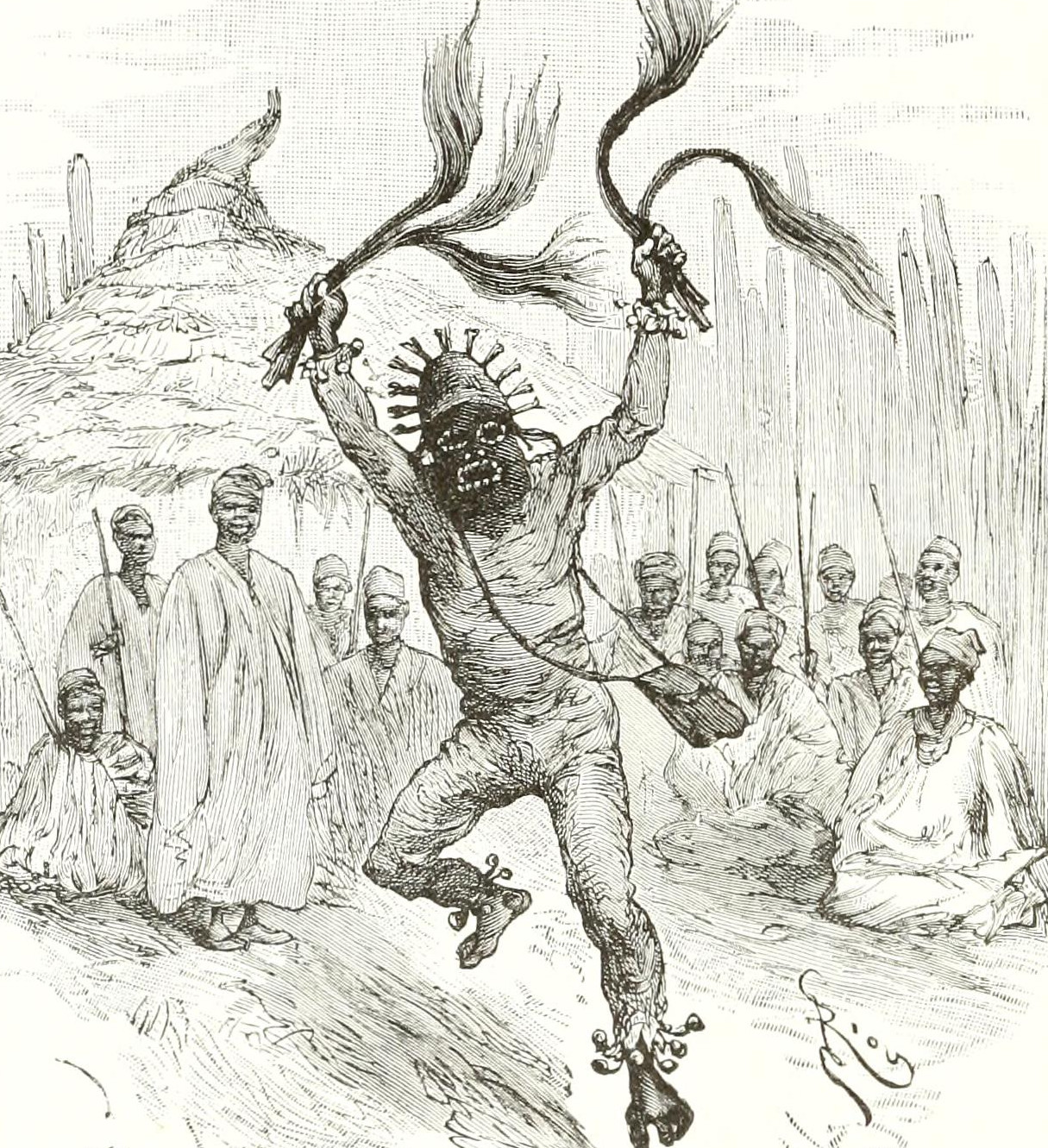 🇺🇸 United States and 2 moreLouisiana Voodoo
An African diasporic religion practiced in Louisiana from the 18th to early 20th centuriesTradition · Healing · Protection Historical
🇺🇸 United States and 2 moreLouisiana Voodoo
An African diasporic religion practiced in Louisiana from the 18th to early 20th centuriesTradition · Healing · Protection Historical
Related elsewhere
All belief 🇫🇷 FranceLady of the LakeDame du Lac
A water spirit who raises knights and captures wizards in Arthurian talesFigure · Protection · Cursing and harm Legendary
🇫🇷 FranceLady of the LakeDame du Lac
A water spirit who raises knights and captures wizards in Arthurian talesFigure · Protection · Cursing and harm Legendary
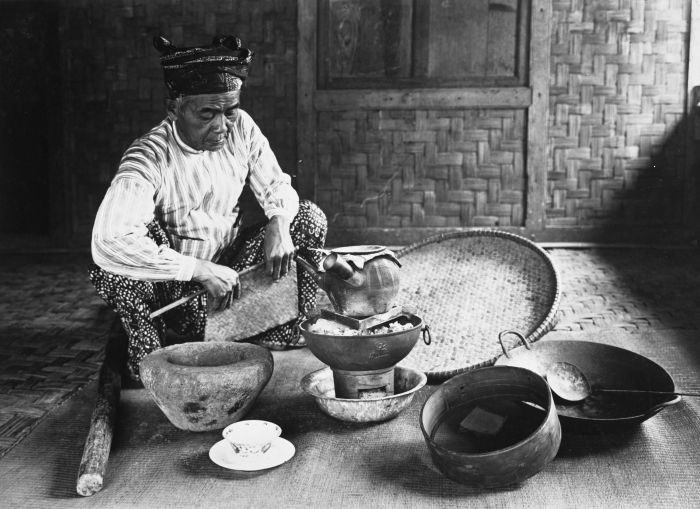 🇮🇩 Indonesia and 2 moreDukun
A traditional healer and spirit medium in Indonesian folk practiceTradition · Healing · Seeing and foretelling Living
🇬🇧 United KingdomGlaistig
A Scottish shape-shifting spirit linked to cattle, deer, and haunted castles.Being · Protection · Cursing and harm Legendary
🇮🇩 Indonesia and 2 moreDukun
A traditional healer and spirit medium in Indonesian folk practiceTradition · Healing · Seeing and foretelling Living
🇬🇧 United KingdomGlaistig
A Scottish shape-shifting spirit linked to cattle, deer, and haunted castles.Being · Protection · Cursing and harm Legendary
 🇮🇷 Iran and 1 moreJinnجِنّ
Supernatural beings in Islamic and pre-Islamic Arabian belief, created from smokeless fire.Being · Protection · Cursing and harm Living
🇮🇷 Iran and 1 moreJinnجِنّ
Supernatural beings in Islamic and pre-Islamic Arabian belief, created from smokeless fire.Being · Protection · Cursing and harm Living