Traditions and systems
Whole bodies of practice: Vodou, shamanism, hoodoo, Wicca, onmyodo, Ifa and the rest.
A tradition is a whole body of magical practice with its own teachers, vocabulary and rules, as distinct from a single charm or rite. Ifa in West Africa, Vodou in Haiti, Tibetan Buddhist ritual, Wicca in Britain and America, and Siberian shamanism are all traditions in this sense. Some are living religions, some are modern inventions, and some survive only in fragments. This page looks at how they differ and what each label hides. Each is described here in its own terms wherever the community has chosen to share them.
Who holds them
A tradition has keepers. In Ifa, a babalawo trains for years and memorises the verses of Odu. In Haitian Vodou, a houngan or mambo is initiated within a house and a lineage. Wicca, by contrast, grew from the writings of Gerald Gardner in the 1950s and spreads by books and covens. Access varies: some traditions are open, some require initiation, and some are closed to outsiders by the community's own rule.
Names that mislead
Outsiders have often given traditions names their keepers did not choose. Colonial officials and missionaries called African and Indigenous religions fetishism, witchcraft or devil worship. The word voodoo, borrowed from the Haitian religion, became a stock horror image, while practitioners say Vodou. Many people also reject the word magic for what they see as plain religion, worship of ancestors or medicine of the land. Some are written down in long poems or scriptures, while others are carried only in memory, song and apprenticeship, which affects how outsiders can study them.
How states treat them
Treatment ranges from protection to prohibition. Haiti recognised Vodou as a religion in 2003. Britain repealed its Witchcraft Act only in 1951. Several African and Pacific states still prosecute witchcraft accusations, and Saudi Arabia has executed people for sorcery. Many traditions were absorbed rather than banned: Santeria wore the faces of Catholic saints, and Taoist ritual was licensed by Chinese emperors. Recognition on paper does not end prejudice: a faith can be legal under a constitution and still be mocked, taxed or policed at local level.
Scholars and sceptics
Anthropologists such as Evans-Pritchard, who studied the Azande in the 1930s, described magic as a coherent system of explanation, not stupidity. Historians stress that boundaries between religion, magic and science were drawn by particular people for particular reasons. Sceptics point out that tests of efficacy have found no effect beyond expectation. Many tradition-bearers answer that the question misses what the practice is for. Folklorists add that traditions are always changing, with no pure original to return to, and that revival is itself a form of change.
Tradition on EveryJaadu
The entries written up so far, best known first.
 🇮🇶 Iraq and 4 moreAstrology
A system of divination that links human affairs to the positions of celestial bodiesTradition · Seeing and foretelling · Luck and prosperity Living
 🇺🇸 United States and 5 moreSatanism
A modern set of beliefs using the figure of Satan as a symbol or deity.Tradition · Power and authority · Cursing and harm Living
 🇨🇳 ChinaChinese alchemy煉丹術 (liàndānshù)
A historical Taoist practice seeking immortality through elixirs and spiritual cultivationTradition · Healing · Power and authority Historical
 🇬🇷 Greece and 5 moreNecromancy
A form of divination that seeks to speak with the dead for hidden knowledge.Tradition · Seeing and foretelling · Power and authority Historical
 🇱🇻 Latvia and 1 moreLatvian mythology
A collection of myths about gods, spirits, and the afterlife from the Baltic region.Tradition · Speaking with spirits and the dead · Power and authority Living
 🇨🇳 China and 5 moreFeng shui風水
A Chinese geomantic practice for aligning structures with cosmic energyTradition · Protection · Luck and prosperity Living
 🇩🇿 Algeria and 1 moreAhmad al-Buniأحمد البوني المالكي
A medieval Sufi scholar known for works on letter mysticism and talismansText · Power and authority · Seeing and foretelling Historical
🇪🇬 EgyptHekaḥkꜣw
The ancient Egyptian deification of magic, medicine, and primordial creative powerBeing · Healing · Protection Historical
🇨🇳 China and 4 moreQimen Dunjia奇門遁甲
An ancient Chinese divination system mapping time and space for strategic decision-makingOracle · Seeing and foretelling · Power and authority Revived
🇮🇳 IndiaMuhurtamuhūrta
A Hindu unit of time used to select auspicious moments for rituals and daily practiceBelief · Power and authority · Speaking with spirits and the dead Living
🇪🇹 EthiopiaPlanetary hours
A system assigning celestial rulers to each hour of the day and weekTradition · Power and authority · Cursing and harm Historical
 🇬🇧 United Kingdom and 1 moreEnochian magic
A Renaissance system of ceremonial magic using a constructed language said to be revealed by angels.Tradition · Speaking with spirits and the dead · Power and authority Living
 🇮🇳 IndiaLeft-Hand and Right-Hand Paths
Two distinct orientations in occult magic, dividing taboo-breaking from orthodoxy.Tradition · Change and initiation · Power and authority Living
 🇪🇸 Spain and 5 moreAlfonso X of Castileel Sabio
A medieval king who sponsored astronomical tables and translated works on magic and astrology.Text · Power and authority · Seeing and foretelling Historical
 🇲🇬 Madagascar and 4 moreGeomancy
A cross-cultural system of divination using earth, sand, and landforms to read the future or align spaces.Oracle · Seeing and foretelling · Power and authority Living
 🇪🇬 Egypt and 2 moreNatural magic
A historical tradition exploring hidden forces in the physical worldTradition · Seeing and foretelling · Power and authority Historical
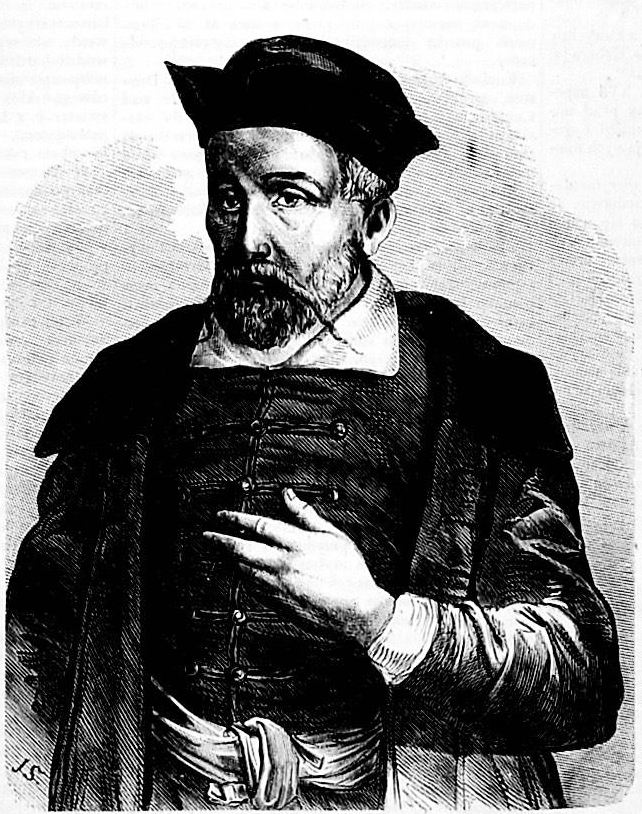 🇵🇱 Poland and 1 moreMichael SendivogiusMichał Sędziwój
A Polish alchemist who discovered oxygen and wrote on the 'food of life'Text · Power and authority · Change and initiation Historical
 🇳🇿 New Zealand and 5 moreFace tattoo
Marks inked on the face for spiritual protection, identity, rank, and rite of passageTradition · Protection · Power and authority Living
 🇯🇵 Japan and 1 moreKūkai空海
Founder of Shingon Buddhism who brought Vajrayana esoteric practices from China to Japan.Text · Power and authority · Protection Historical
 🇬🇧 United Kingdom and 5 moreAleister Crowley
English occultist and founder of the religion of ThelemaText · Power and authority · Change and initiation Living
 🇮🇳 India and 1 moreYoginiयोगिनी
A female master of yoga and tantra, or a fierce goddess aspect worshipped in open-air shrines.Tradition · Power and authority · Protection Historical
 🇬🇹 Guatemala and 1 moreMaya mythology
The reconstructed tales of the Maya people about gods, heroes, and the creation of the world.Tradition · Seeing and foretelling · Power and authority Historical
 🇸🇳 Senegal and 5 moreMaraboutmurābiṭ
A Muslim religious leader and teacher in West Africa, often linked to Sufi brotherhoods.Tradition · Protection · Speaking with spirits and the dead Living
 🇮🇹 Italy and 3 moreRenaissance magic
A 15th and 16th century revival of magical arts blending philosophy, astrology, and hidden knowledge.Tradition · Power and authority · Seeing and foretelling Historical
 🇷🇸 Serbia and 3 moreSerbian folkloreСрпски фолклор
The folk traditions and epic poetry of the Serbs, blending pre-Christian customs with Orthodox faith.Tradition · Speaking with spirits and the dead · Power and authority Living
 🇨🇳 China and 1 moreGe Hong葛洪
A Jin dynasty scholar and alchemist who wrote key texts on Taoist immortality and early medicine.Text · Healing · Power and authority Historical
 🇷🇺 Russia and 12 moreSlavic Native FaithРодноверие
A modern polytheistic movement drawing on Slavic folklore, romanticism, and global spiritual traditions.Tradition · Speaking with spirits and the dead · Power and authority Living
🇬🇧 United Kingdom and 1 moreJohn Dee
An English scholar and advisor to Elizabeth I who pursued angelic communication through scrying.Tradition · Speaking with spirits and the dead · Seeing and foretelling Historical
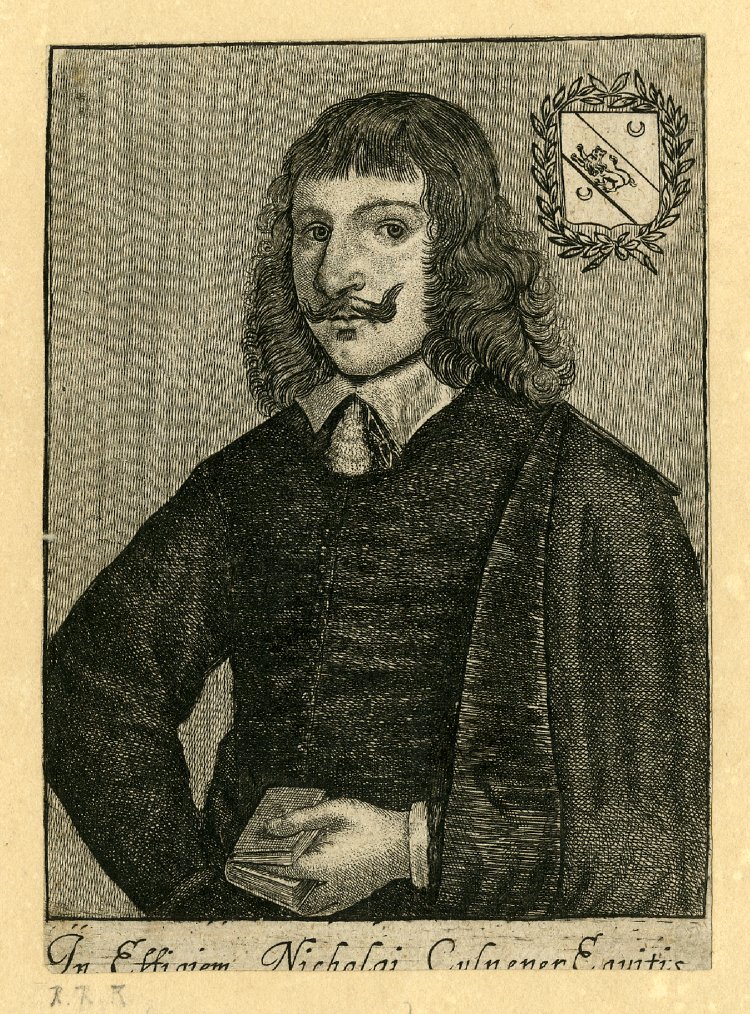 🇬🇧 United Kingdom and 1 moreNicholas Culpeper
An English herbalist and astrologer who translated medical texts into English for the poor.Text · Healing · Power and authority Historical
 🇬🇧 United KingdomHermetic Order of the Golden DawnOrdo Hermeticus Aurorae Aureae
A late-19th-century British magical order that shaped modern Western occultismTradition · Speaking with spirits and the dead · Change and initiation Historical
 🇸🇳 Senegal and 5 morePentagramπεντάγραμμον
A five-pointed star figure used across history for protection, ritual, and cosmologyCharm · Protection · Binding and oaths Living
 🇲🇲 MyanmarWeizzaဝိဇ္ဇာ
Burmese mystics who seek immortality and await the future BuddhaTradition · Protection · Healing Living
 🇨🇦 Canada and 1 moreTotemdoodem
A spirit or symbol linking a group to nature, from Ojibwe clan systems to Australian kinshipBelief · Speaking with spirits and the dead · Power and authority Living
🇬🇷 GreeceAncient Greek folklore
The oral stories, music and rituals of the ancient GreeksTradition · Speaking with spirits and the dead · Power and authority Historical
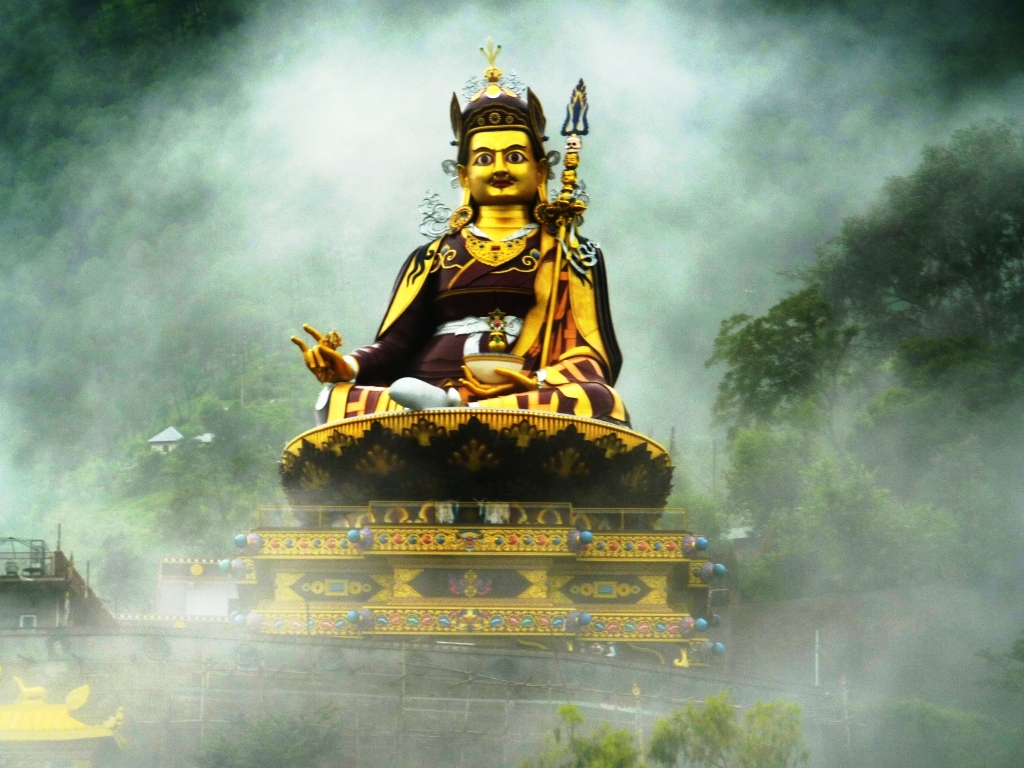 🇮🇳 India and 2 morePadmasambhavaཔདྨ་འབྱུང་གནས།
A tantric master credited with establishing Buddhism in Tibet and founding the Nyingma school.Figure · Protection · Power and authority Living
 🇩🇪 Germany and 2 moreOccultism in Nazism
The study of alleged magical links to the Nazi regime and the myths that surround themBelief · Cursing and harm · Power and authority Historical
🇮🇳 India and 1 moreNeotantraनवतन्त्र (navatantra)
A Western movement blending Tantra with modern views on sacred sexualityTradition · Love and attraction · Change and initiation Living
🇮🇷 Iran and 4 moreAstrology in the medieval Islamic worldعلم النجوم (Ilm an-Nujūm)
The study of celestial influences on earthly affairs within the medieval Islamic traditionTradition · Seeing and foretelling · Power and authority Historical
 🇮🇷 Iran and 1 moreMundane astrology
A branch of astrology that reads the horoscopes of nations and governments instead of individuals.Tradition · Seeing and foretelling · Power and authority Historical
🇮🇳 India and 1 moreNatal astrology
A chart built from birth details to map personality traits and life pathsTradition · Power and authority Living
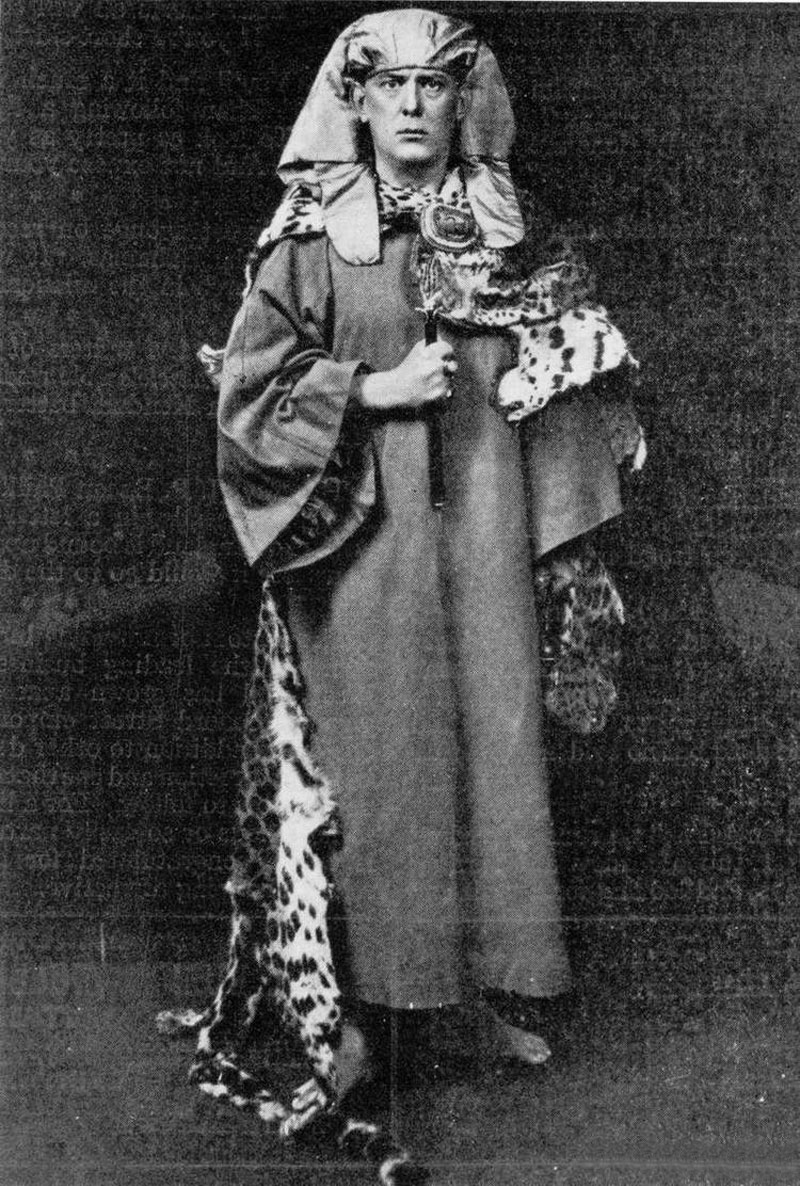 🇪🇬 Egypt and 4 moreThelema
A Western esoteric philosophy centered on discovering and following one's True WillTradition · Change and initiation · Power and authority Living
 🇮🇹 ItalyArcheosofica
A school of esoteric Christianity founded in Rome that teaches ascetic disciplines and magical theory.Tradition · Power and authority · Speaking with spirits and the dead Living
🇩🇪 Germany and 2 moreLocational astrology
A branch of astrology that maps planetary influences to specific places on Earth.Tradition · Power and authority Living
🇮🇳 India and 3 moreAstrology
A divinatory practice that links celestial positions to human affairs and earthly eventsTradition · Seeing and foretelling · Luck and prosperity Historical
 🇮🇳 IndiaVahanaवाहन
The animal or mythical creature that carries a Hindu deityTradition · Power and authority Living
 🇺🇸 United States and 1 moreNew Thought
A spiritual philosophy linking mental states to physical health and prosperityTradition · Healing · Luck and prosperity Living
🇺🇸 United States and 4 moreAMORCAntiquus Mysticusque Ordo Rosae Crucis
A US-based Rosicrucian order with global lodges and a focus on correspondence study.Tradition · Change and initiation · Power and authority Living
🇺🇸 United StatesFive-Percent Nation
A New York movement teaching that Black people are the original gods and earth of civilizationTradition · Power and authority · Speaking with spirits and the dead Living
Photo credits on this page
The small pictures above come from Wikimedia Commons under free licences. Some are cropped to fit.
- Alfonso X of Castile: Otto Posse (1847-1921), Public domain, source
- Xtabay: Unknown author, Public domain, source
- Chinese alchemy: 尹真人, Public domain, source
- Necromancy: Unknown author, CC BY 4.0, source
- Thelema: Unknown author, Public domain, source
- Latvian mythology: Dezidor, CC BY 3.0, source
- Theistic Satanism: Alexandre Cabanel, Public domain, source
- Hermetica: Jean-Louis Durant (1654-1718), Public domain, source
- Feng shui: Unknown author, Public domain, source
- Enochian magic: The .:X, CC BY-SA 3.0, source
- Astrology: Wilfredor, CC0, source
- Baphomet: Eliphas Levi, Public domain, source
- Ahmad al-Buni: Khalili Collections, CC BY-SA 3.0 igo, source
- Geomancy: Jacopo188, CC BY-SA 3.0, source
- Natural magic: Unidentified painter, Public domain, source
- Vahana: Unknown Nepali, Public domain, source
- Michael Sendivogius: Łuszczkiewicz, Public domain, source
- Face tattoo: Gottfried Lindauer, Public domain, source
- Kūkai: Unknown author, CC BY 4.0, source
- Aleister Crowley: Aleister Crowley, Public domain, source
- Yogini: Soumendra Barik, CC BY-SA 3.0, source
- Marabout: Jan Broekhuijse, CC BY-SA 3.0, source
- Renaissance magic: Unknown author, Public domain, source
- Mundane astrology: Andreas Cellarius, Public domain, source
- Serbian folklore: Uroš Predić, Public domain, source
- Ge Hong: Hannah, Public domain, source
- Slavic Native Faith: Union of Slavic Rodnover Communities (Союз Славянских Общин Славянской, CC BY-SA 4.0, source
- Archeosofica: Unknown author, Public domain, source
- Occultism in Nazism: Peretz Kaminsky, Public domain, source
- Nicholas Culpeper: Richard Gaywood, Public domain, source
- Pentagram: Tomruen, Attribution, source
- Weizza: YashiWong, CC BY-SA 3.0, source
- Totem: Jami430, CC BY-SA 4.0, source
- New Thought: Nyttend, Public domain, source
- Padmasambhava: John Hill, CC BY-SA 3.0, source