Traditions and systems
Whole bodies of practice: Vodou, shamanism, hoodoo, Wicca, onmyodo, Ifa and the rest.
A tradition is a whole body of magical practice with its own teachers, vocabulary and rules, as distinct from a single charm or rite. Ifa in West Africa, Vodou in Haiti, Tibetan Buddhist ritual, Wicca in Britain and America, and Siberian shamanism are all traditions in this sense. Some are living religions, some are modern inventions, and some survive only in fragments. This page looks at how they differ and what each label hides. Each is described here in its own terms wherever the community has chosen to share them.
Who holds them
A tradition has keepers. In Ifa, a babalawo trains for years and memorises the verses of Odu. In Haitian Vodou, a houngan or mambo is initiated within a house and a lineage. Wicca, by contrast, grew from the writings of Gerald Gardner in the 1950s and spreads by books and covens. Access varies: some traditions are open, some require initiation, and some are closed to outsiders by the community's own rule.
Names that mislead
Outsiders have often given traditions names their keepers did not choose. Colonial officials and missionaries called African and Indigenous religions fetishism, witchcraft or devil worship. The word voodoo, borrowed from the Haitian religion, became a stock horror image, while practitioners say Vodou. Many people also reject the word magic for what they see as plain religion, worship of ancestors or medicine of the land. Some are written down in long poems or scriptures, while others are carried only in memory, song and apprenticeship, which affects how outsiders can study them.
How states treat them
Treatment ranges from protection to prohibition. Haiti recognised Vodou as a religion in 2003. Britain repealed its Witchcraft Act only in 1951. Several African and Pacific states still prosecute witchcraft accusations, and Saudi Arabia has executed people for sorcery. Many traditions were absorbed rather than banned: Santeria wore the faces of Catholic saints, and Taoist ritual was licensed by Chinese emperors. Recognition on paper does not end prejudice: a faith can be legal under a constitution and still be mocked, taxed or policed at local level.
Scholars and sceptics
Anthropologists such as Evans-Pritchard, who studied the Azande in the 1930s, described magic as a coherent system of explanation, not stupidity. Historians stress that boundaries between religion, magic and science were drawn by particular people for particular reasons. Sceptics point out that tests of efficacy have found no effect beyond expectation. Many tradition-bearers answer that the question misses what the practice is for. Folklorists add that traditions are always changing, with no pure original to return to, and that revival is itself a form of change.
Tradition on EveryJaadu
The entries written up so far, best known first.
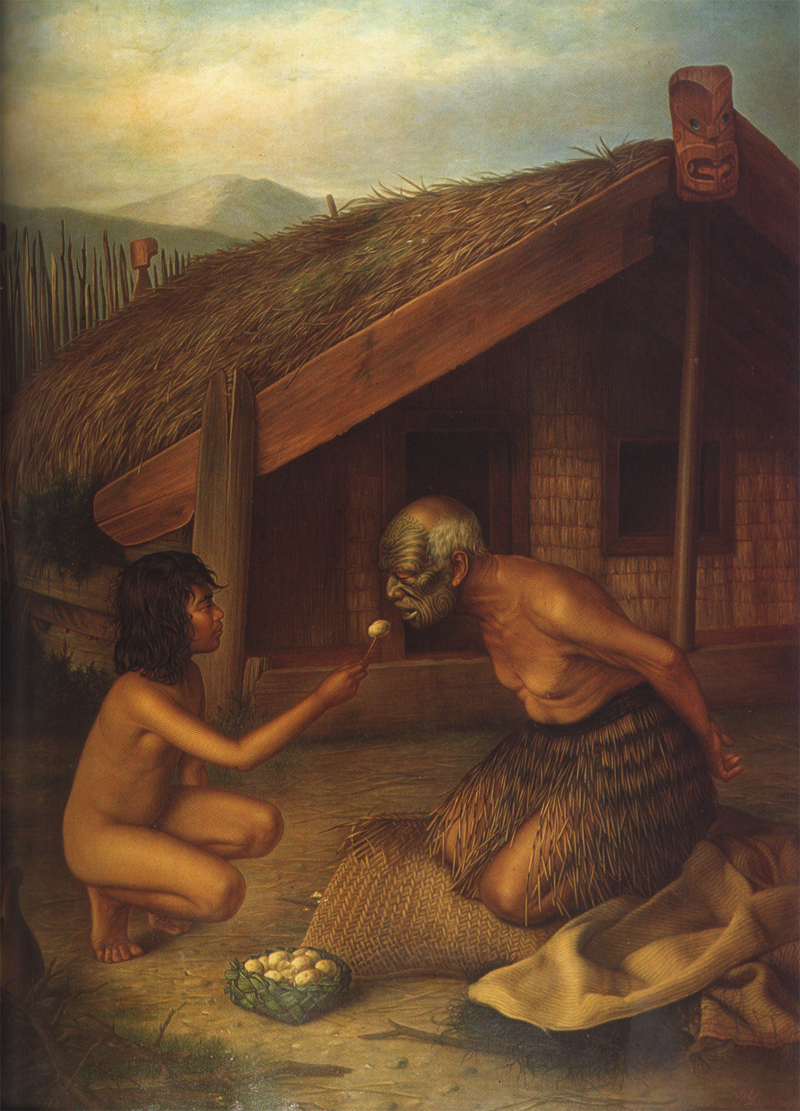 🇳🇿 New ZealandTohunga
A Māori expert practitioner of sacred or secular arts, from priests to carvers.Tradition · Healing · Seeing and foretelling Living
 🇬🇷 Greece and 2 moreMagic in the Greco-Roman world
Private supernatural practices in ancient Greece and Rome, distinct from public state religion.Tradition · Protection · Cursing and harm Historical
 🇬🇷 Greece and 5 moreNecromancy
A form of divination that seeks to speak with the dead for hidden knowledge.Tradition · Seeing and foretelling · Power and authority Historical
 🇸🇪 Sweden and 2 moreGermanic seeressvǫlva
Diviners and sorceresses of early Germanic and Norse societyTradition · Seeing and foretelling · Power and authority Revived
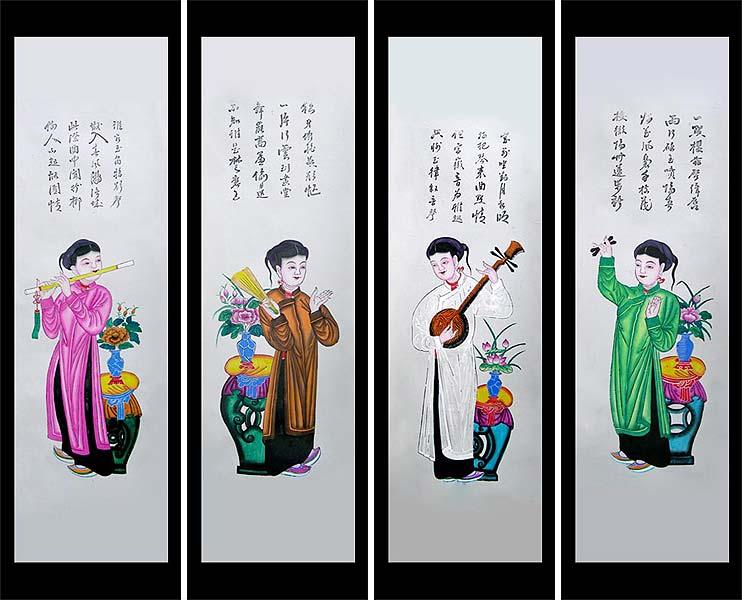 🇻🇳 Vietnam and 1 moreVietnamese folk religiontín ngưỡng dân gian Việt Nam
A collection of local spirit worship and ancestral veneration in VietnamTradition · Protection · Healing Living
 🇯🇵 JapanShugendō修験道
A Japanese mountain ascetic path blending Esoteric Buddhism, Shinto, and folk ritualsTradition · Protection · Healing Living
 🇺🇸 United StatesGhost DanceNanissaanah
A circular movement seeking spiritual renewal and reunion with ancestorsRite · Speaking with spirits and the dead · Change and initiation Living
 🇵🇭 PhilippinesPhilippine mythology
The indigenous stories and spirits of the Philippines, shaped by centuries of trade and colonization.Tradition · Speaking with spirits and the dead · Power and authority Living
 🇮🇸 IcelandGaldergaldr
A Germanic incantation and the written charms derived from itText · Protection · Cursing and harm Historical
 🇹🇬 TogoAkodessawa Fetish MarketMarché des Féticheurs
A market in Togo selling ritual objects for Vodún practiceTradition · Power and authority · Healing Living
🇮🇳 IndiaSiddhiसिद्धि
Magical powers and spiritual attainments in Indian religionsBelief · Power and authority · Seeing and foretelling Living
 🇬🇹 GuatemalaMaximónRi Laj Mam
A Maya folk saint and trickster deity venerated in the Guatemalan HighlandsBeing · Protection · Healing Living
 🇿🇦 South AfricaSympathetic magic
A magical principle based on imitation or contact between objectsTradition · Protection · Healing Historical
 🇲🇬 Madagascar and 4 moreGeomancy
A cross-cultural system of divination using earth, sand, and landforms to read the future or align spaces.Oracle · Seeing and foretelling · Power and authority Living
 🇦🇺 AustraliaKurdaitchakwertatye
A ritual executioner and feathered shoes of the Arrernte people in Central Australia.Tradition · Cursing and harm · Power and authority Historical
 🇱🇰 Sri Lanka and 1 moreKataragama templeකතරගම / கதிர்காமம் முருகன் கோயில்
A Sri Lankan shrine shared by Buddhists, Hindus, Muslims and VeddasTradition · Protection · Speaking with spirits and the dead Living
 🇮🇸 Iceland and 3 moreSeiðr
A Norse divination and manipulation magic practiced during the Viking Age.Tradition · Seeing and foretelling · Cursing and harm Revived
 🇪🇬 Egypt and 5 moreSacred dance
Movement used in worship to honour deities, heal communities, or connect with the spirit world.Tradition · Protection · Healing Living
 🇨🇳 China and 1 moreChinese shamanism巫教 (Wūjiào)
Spirit-mediums of China who dance and trance to carry messages between people and godsTradition · Speaking with spirits and the dead · Seeing and foretelling Living
🇺🇸 United StatesFeri Tradition
An American ecstatic witchcraft tradition founded on the West Coast in the mid-twentieth century.Tradition · Power and authority · Change and initiation Living
 🇺🇸 United States and 5 moreNeoshamanism
A modern spiritual practice adapting shamanic techniques for personal growth outside traditional cultures.Tradition · Healing · Power and authority Living
 🇨🇳 China and 1 moreShamanism in the Qing dynasty
State-managed rituals of the Manchu rulers and their shamansTradition · Protection · Healing Historical
🇪🇸 SpainGuañameñe
A Guanche prophet and the highest priestly rank in pre-conquest TenerifeFigure · Seeing and foretelling · Power and authority Historical
 🇹🇷 TurkeyKhirqaخرقه
An initiatory cloak in Sufism that passes spiritual lineage and blessings from teacher to student.Tradition · Speaking with spirits and the dead · Power and authority Living
🇲🇳 MongoliaBlack shamanismХар бөө
A Mongolian shamanic tradition working with lower spirits and ancestral power.Tradition · Speaking with spirits and the dead · Power and authority Revived
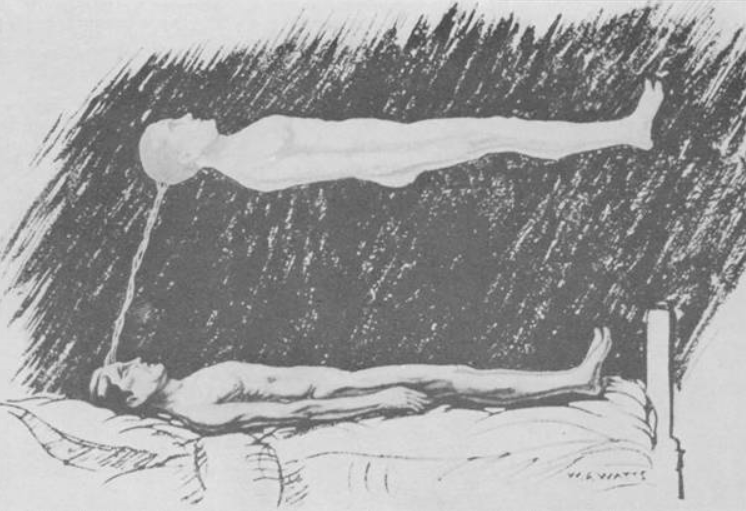 🇮🇳 India and 3 moreAstral projection
An intentional out-of-body experience where consciousness travels through the astral planeTradition · Speaking with spirits and the dead · Change and initiation Living
 🇩🇿 AlgeriaMawsimموسم
Annual Maghrebi festival blending Sufi veneration with social and economic gatheringTradition · Speaking with spirits and the dead · Luck and prosperity Living
 🇳🇿 New Zealand and 5 moreMokomokaiToi moko
Preserved Māori heads with facial tattoos, once traded as curios and now repatriated.Being · Cursing and harm · Power and authority Historical
 🇲🇽 MexicoEntheogenics and the Maya
Hallucinogenic substances used by the Maya for spiritual rituals and healingTradition · Speaking with spirits and the dead · Healing Historical
🇮🇳 IndiaTawajjuh
A Sufi practice of transmitting spiritual energy from a master to a studentTradition · Speaking with spirits and the dead · Power and authority Living
 🇩🇿 Algeria and 5 moreZawiyaزاوية
A Sufi building and institution for worship, education, and community life in the Islamic world.Tradition · Speaking with spirits and the dead · Healing Living
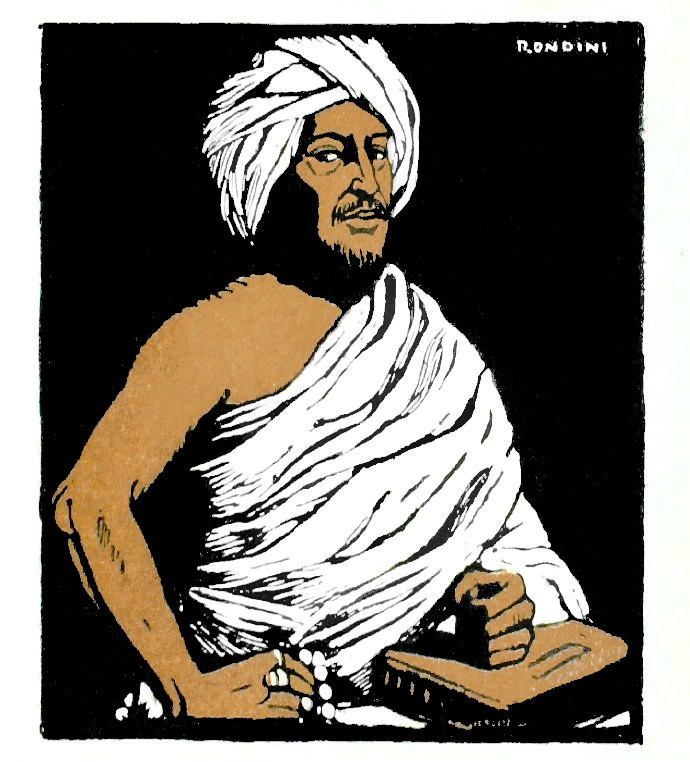 🇸🇴 Somalia and 2 moreSalihiyyaالصالحية
A Somali Sufi order founded by Sayyid Muhammad Salih, known for its strict stance against saint intercession and anti-coTradition · Power and authority Historical
 🇮🇪 IrelandTailteann GamesÁenach Tailteann
Ancient Irish funeral games and assemblies held in County Meath to honor the dead.Rite · Speaking with spirits and the dead · Luck and prosperity Historical
 🇮🇳 IndiaFakirفقير
An Islamic ascetic who seeks spiritual neediness and devotion to God.Tradition · Power and authority · Speaking with spirits and the dead Living
Photo credits on this page
The small pictures above come from Wikimedia Commons under free licences. Some are cropped to fit.
- Sacred dance: Jorge Barrios, CC BY-SA 3.0, source
- Xtabay: Unknown author, Public domain, source
- Necromancy: Unknown author, CC BY 4.0, source
- Germanic seeress: Emil Doepler, Public domain, source
- Vietnamese folk religion: Unknown (traditional painting dated back to the 17th century), Public domain, source
- Shugendō: 唐山健志郎 (Kenshiro Karayama), CC BY-SA 3.0, source
- Ghost Dance: Unknown author, Public domain, source
- Freyja: John Bauer, Public domain, source
- Philippine mythology: The original uploader was Rodsan18 at English Wikipedia . ( Original t, CC BY 2.5, source
- Mokomokai: New Zealand Electronic Text Centre, Public domain, source
- Akodessawa Fetish Market: Alexander Sarlay, CC BY-SA 4.0, source
- Mawsim: Beghdadi Walid, CC BY-SA 4.0, source
- Maximón: Sapfan (Jan Pesula), Public domain, source
- Geomancy: Jacopo188, CC BY-SA 3.0, source
- Shamanism in the Qing dynasty: A nineteenth-century team of editors., Public domain, source
- Neoshamanism: Carptrash, CC BY-SA 4.0, source
- Fakir: Herbert Ponting, Public domain, source
- Chinese shamanism: No machine-readable author provided. +上帝+ assumed (based on copyright, CC BY-SA 3.0, source
- Zawiya: Schneders, CC BY-SA 4.0, source
- Tohunga: Gottfried Lindauer, Public domain, source
- Tailteann Games: Unknown author, Public domain, source
- Kataragama temple: Ghostface Buddha, CC BY-SA 2.0, source
- Khirqa: Unknown author, CC0, source
- Kurdaitcha: Unknown author, CC BY 4.0, source
- Astral projection: Hereward Carrington, Sylvan Muldoon., Public domain, source
- Sympathetic magic: Marie-Lan Nguyen, CC BY 2.5, source
- Galder: Bengt A. Lundberg, CC BY 2.5, source
- Magic in the Greco-Roman world: ArchaiOptix, CC BY-SA 4.0, source
- Salihiyya: Douglas James Jardine (1888-1946), Public domain, source