Beliefs, omens and superstitions
Luck and unluck, the evil eye, knocking on wood and the small customs people keep without asking why.
Beliefs, omens and superstitions are the small customs people keep without asking why: knocking on wood, salt over the shoulder, avoiding the number thirteen, the evil eye, a black cat crossing the road, a first visitor of the new year. They are found on every continent and are rarely tied to a priest or book. This page looks at where they come from, what the word superstition hides, and why they persist.
What they look like
Beliefs differ by place. The number four is avoided in China, Japan and Korea because it sounds like the word for death, while thirteen is avoided in much of the West. In India, a sneeze before leaving home may delay a journey, and a lemon and chillies are hung over a shop. The evil eye is feared under many names: nazar, mal de ojo, ayin hara. First-footing at new year in Scotland is said to bring luck to a house.
Whose word is superstition
The word superstition has a history. Roman writers used it for religion they disliked, and Christian writers for forbidden practice. Today it often means someone else's belief. Many religions regard some of their own customs as faith and others as superstition, and where the line falls depends on the speaker. Using the word can mark a speaker as modern and a neighbour as backward. Tests of common superstitions show that people who hold them are not less educated or less rational than others, and many hold them lightly.
Why people keep them
Psychologists find that superstition rises with uncertainty and stakes, which is why athletes, sailors, students and gamblers are known for them. Anthropologist Bronislaw Malinowski observed in the 1920s that Trobriand fishermen used rites in dangerous deep-sea fishing and not in safe lagoon fishing. Most people who follow small customs say they do so partly in jest and partly just in case. Similar customs turn up in places that have never met each other, which suggests that people everywhere respond to risk in similar ways.
When belief causes harm
Most superstitions are harmless. Some are not: beliefs about witchcraft have led to killings in parts of Africa, India and Papua New Guinea, and beliefs about albinism have led to attacks in Tanzania and Malawi. Others cost people money, as when a fee is demanded to lift a bad omen. Education, law and trusted community leaders have all been part of reducing harm. Campaigns by health workers, teachers and community radio have been effective where they listen first and explain later.
Belief on EveryJaadu
The entries written up so far, best known first.
 🇮🇹 ItalyBefana
An Italian witch-like figure who delivers gifts on Epiphany EveFigure · Luck and prosperity · Wonder and entertainment Living
 🇬🇭 GhanaWitchcraft in Ghana
Beliefs about harmful magic and the social responses to accusations of witchcraft in Ghana.Belief · Cursing and harm Living
🇫🇯 FijiFijian mythology
The traditional beliefs and stories of the indigenous people of FijiTradition · Speaking with spirits and the dead Living
 🇲🇽 Mexico and 5 moreSanta MuerteNuestra Señora de la Santa Muerte
A female skeletal folk saint in Mexico and the Americas, worshipped for protection, healing, and safe passage.Tradition · Protection · Healing Living
 🇺🇸 United States and 4 moreRainmaking
Efforts to force rain through technology, ritual, or trickeryTradition · Protection · Luck and prosperity Living
 🇲🇲 MyanmarBurmese folk religionNat Worship
Animistic worship of nature spirits and ancestors in Myanmar, often practiced alongside Buddhism.Tradition · Protection · Luck and prosperity Living
 🇳🇴 Norway and 2 moreValknut
A symbol of three interlocked triangles found on Germanic artifacts and used in modern Heathenry.Belief · Power and authority Living
 🇺🇸 United StatesPunxsutawney Phil
A groundhog who serves as the central figure in an annual American weather prediction festival.Belief · Seeing and foretelling Living
 🇮🇳 India and 5 moreAncestor veneration
Rituals honoring the dead to maintain kinship bonds and seek guidance from spiritsTradition · Speaking with spirits and the dead · Protection Living
 🇮🇳 India and 2 moreYantraयन्त्र
A geometric diagram from Indian traditions used for worship and meditationCharm · Protection · Speaking with spirits and the dead Living
 🇨🇳 China and 2 moreDiyu地獄
The underworld realm of trial, atonement, and rebirth in Chinese mythologyBelief · Cleansing and purification · Change and initiation Living
 🇷🇺 Russia and 12 moreSlavic Native FaithРодноверие
A modern polytheistic movement drawing on Slavic folklore, romanticism, and global spiritual traditions.Tradition · Speaking with spirits and the dead · Power and authority Living
 🇮🇪 Ireland and 5 moreFairy ring
A natural ring of mushrooms surrounded by folklore about dancing spirits and witches.Belief · Wonder and entertainment Living
🇨🇳 China and 3 moreQi氣 / 气
A vital force in Chinese philosophy and medicine, believed to flow through all living things.Substance · Healing · Power and authority Living
 🇺🇸 United States and 4 moreFortune-telling
A practice of predicting future events or personal details through various methods and tools.Rite · Seeing and foretelling · Power and authority Living
 🇮🇳 India and 3 moreSpirit
An invisible force or soul found in many cultures, linked to gods, humans, and nature.Being · Speaking with spirits and the dead · Power and authority Living
🇬🇧 United KingdomEvil eye bead (sample)Nazar boncuğu
A blue glass bead hung to turn aside envy.Charm · Protection Living
🇺🇸 United StatesBloody Mary
A mirror ritual to summon a spirit that reveals the future or brings harmBelief · Seeing and foretelling · Cursing and harm Living
 🇮🇳 India and 2 moreBhootभूत
A restless spirit of the dead in South Asian belief and folkloreBeing · Cursing and harm · Protection Living
 🇯🇵 JapanHatsuyume初夢
The first dream of the new year and its traditional omensBelief · Seeing and foretelling · Luck and prosperity Living
 🇹🇼 TaiwanKuai Kuai culture乖乖文化
A Taiwanese custom of placing obedient snacks on machines to ensure smooth operationBelief · Protection Living
 🇱🇦 Laos and 3 moreTai folk religionສາສະໜາຜີ
Spirits, ancestor rites, and soul-calling ceremonies of the Tai peoplesTradition · Protection · Healing Living
 🇦🇫 AfghanistanCurse of 39
A number feared in Afghanistan for its link to prostitution and shameBelief Living
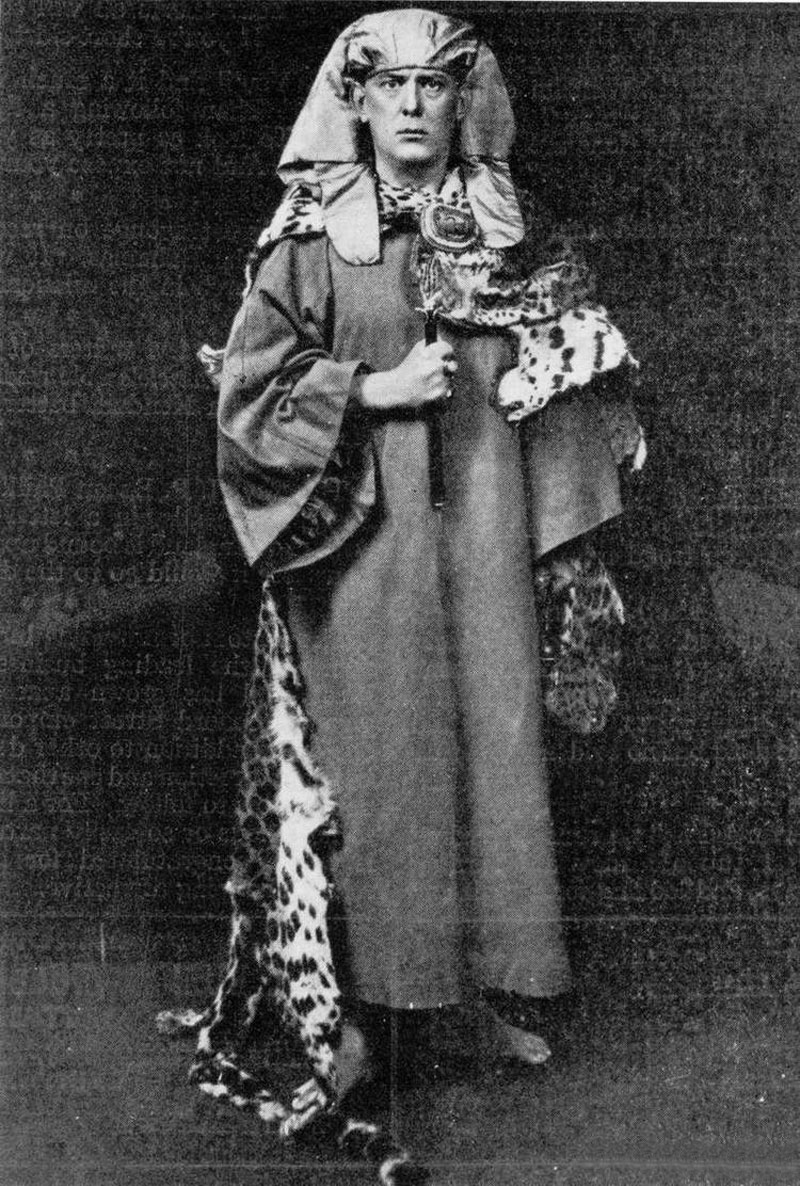 🇪🇬 Egypt and 4 moreThelema
A Western esoteric philosophy centered on discovering and following one's True WillTradition · Change and initiation · Power and authority Living
🇮🇳 IndiaMangala Dosha
A Hindu astrological belief that Mars causes marital trouble and the rituals used to address itBelief · Protection Living
🇺🇸 United States and 1 moreJinx
A curse or attribute believed to attract bad luckBelief · Cursing and harm Living
 🇮🇳 India and 5 moreAsian witchcraft
A broad overview of magical practices and persecution across Asian culturesTradition · Cursing and harm · Protection Living
 🇮🇳 India and 5 moreSailors' superstitions
A global collection of omens, charms and taboos used by mariners to manage the risks of life at seaBelief · Protection · Luck and prosperity Living
 🇺🇸 United States and 5 moreFriday the 13th
A Western superstition marking a specific calendar date as unluckyBelief · Cursing and harm Living
🇯🇲 Jamaica and 2 moreKromanti
A ritual language spoken by ancestral spirits in Jamaican Maroon ceremoniesBelief · Speaking with spirits and the dead Living
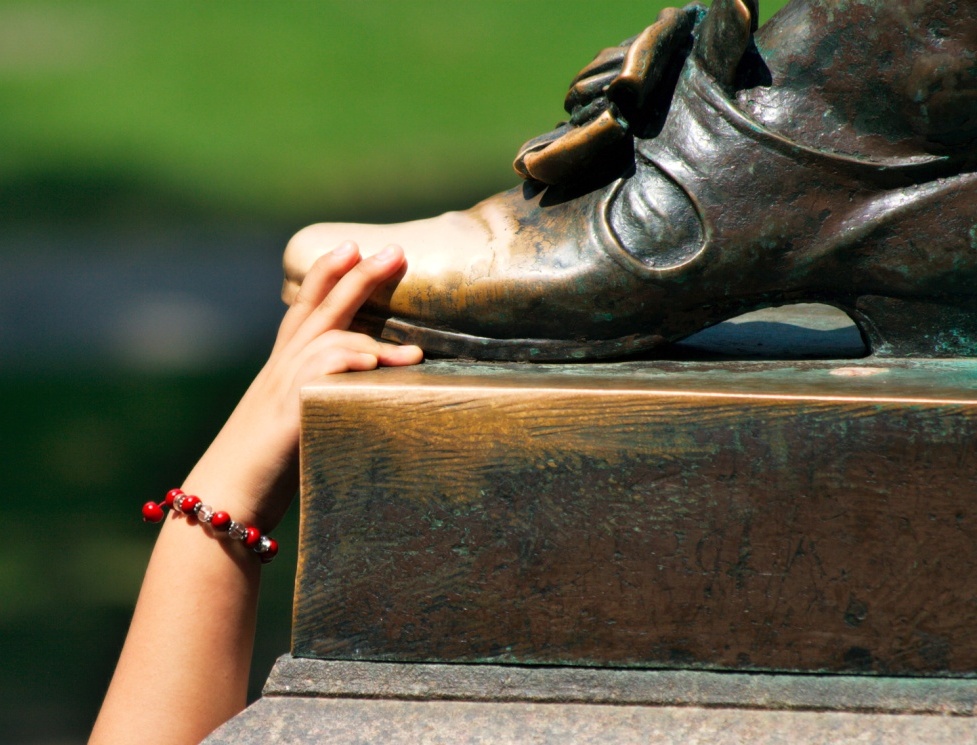 🇮🇪 IrelandStatue rubbing
A tourist custom of touching statues to attract luck, love, or a return visit.Belief · Luck and prosperity · Love and attraction Living
🇦🇺 Australia and 2 moreTheatrical superstitions
Beliefs and rituals among actors to avoid bad luck and ward off spiritsBelief · Protection · Luck and prosperity Living
🇯🇵 JapanJapanese superstitions
Common beliefs in Japan about luck, numbers, and omens rooted in language and customBelief · Luck and prosperity · Protection Living
🇷🇺 RussiaAugust curse
A Russian belief that severe disasters and national tragedies cluster in the month of August.Belief Living
🇺🇸 United States and 5 moreFriday the 13th
A Western superstition that a specific calendar alignment brings misfortuneBelief · Cursing and harm Living
🇦🇷 Argentina and 1 moreSpiritual mapping
A Christian practice of mapping locations to identify and pray against territorial demonsBelief · Protection · Cursing and harm Living
 🇮🇱 Israel and 4 moreAngelמלאך
A supernatural messenger or intermediary spirit found in many religious traditions.Being · Speaking with spirits and the dead · Protection Living
 🇨🇳 China and 1 moreFalun Gong法轮功
A Chinese cultivation practice blending meditative exercises with moral principlesTradition · Healing · Protection Living
 🇱🇰 Sri LankaMara
A Buddhist figure representing the forces that block spiritual awakening and keep beings trapped in rebirth.Being · Cursing and harm · Binding and oaths Living
 🇺🇸 United States and 4 moreTooth fairy
A childhood figure who exchanges lost baby teeth for gifts or coins.Figure · Luck and prosperity Living
 🇮🇳 India and 3 moreBrahma Kumarisप्रजापिता ब्रह्माकुमारी ईश्वरीय विश्वविद्यालय
A meditation-based spiritual movement that teaches soul identity and global peaceTradition · Cleansing and purification · Change and initiation Living
 🇺🇸 United StatesAshtar
A channeled extraterrestrial figure central to mid-century American ufology and New Age spiritualityBeing · Speaking with spirits and the dead · Seeing and foretelling Living
🇯🇲 Jamaica and 3 moreDuppy
A Caribbean term for a ghost or malevolent spirit, rooted in West African folklore.Being · Cursing and harm · Luck and prosperity Living
🇮🇱 Israel and 1 moreTerritorial spirit
A belief that demons or angels rule over specific lands and nations.Belief · Cursing and harm · Power and authority Living
🇯🇵 Japan and 1 moreKōshin庚申信仰
A Japanese folk belief involving vigils to prevent internal spirits from reporting human deeds to heavenBelief · Protection · Healing Living
 🇷🇴 Romania and 1 moreSânziană
Romanian fairies and a summer solstice festival of flowers and magicBeing · Protection · Love and attraction Living
 🇷🇺 Russia and 1 moreIvanovismИвановство
A Slavic Neopagan movement and healing practice based on the teachings of Porfiry IvanovTradition · Healing · Power and authority Living
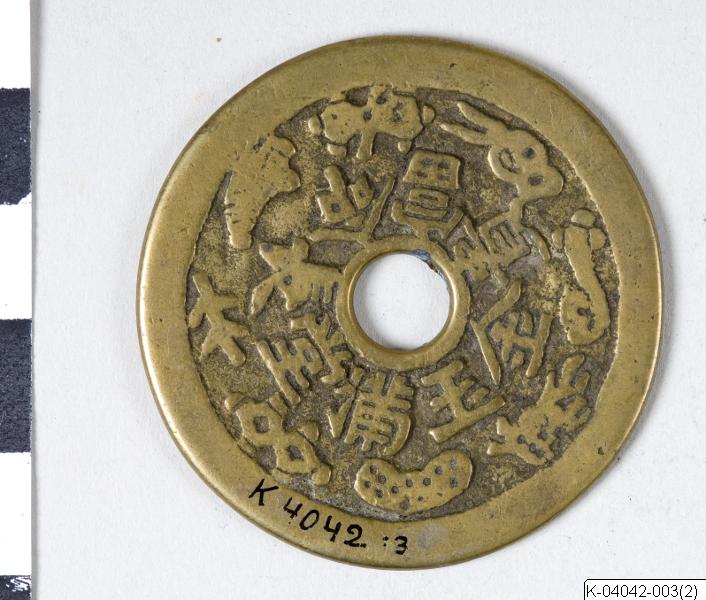 🇨🇳 ChinaEight Treasures八寶 (Bābǎo)
A set of eight symbols in Chinese art and amulets representing good fortune.Charm · Luck and prosperity · Protection Living
Photo credits on this page
The small pictures above come from Wikimedia Commons under free licences. Some are cropped to fit.
- Tooth fairy: Eden, CC BY 2.0, source
- Slavic Native Faith: Union of Slavic Rodnover Communities (Союз Славянских Общин Славянской, CC BY-SA 4.0, source
- Friday the 13th: Leonardo da Vinci, Public domain, source
- Sex magic: Unknown author, Public domain, source
- Angel: Unknown author, CC0, source
- Ancestor veneration: Thang Nguyen, CC BY-SA 2.0, source
- Diyu: ScribblingGeek, CC BY-SA 4.0, source
- Bhoot: Anilbhardwajnoida, CC BY-SA 3.0, source
- Ashtar: Evedawn99, Public domain, source
- Sânziană: Saturnian, CC BY-SA 3.0, source
- Witchcraft in Ghana: SALTN, CC BY-SA 4.0, source
- Rainmaking: George Catlin, Public domain, source
- Fortune-telling: Taras Shevchenko, Public domain, source
- Valknut: Sacrificial_scene_on_Hammars_(I).JPG : Berig derivative work: The Man, CC BY-SA 3.0, source
- Ivanovism: Sergey Chebotorev (photo)., CC BY-SA 3.0, source
- Curse of 39: Fahim1133, CC BY-SA 4.0, source
- Mara: Under the Bo, CC BY-SA 3.0, source
- Tai folk religion: ( เทวประภาส มากคล้าย ), Tevaprapas, Public domain, source
- Brahma Kumaris: Tamasin Ramsey, CC BY-SA 3.0, source
- Asian witchcraft: Utagawa Kuniyoshi, Public domain, source
- Hatsuyume: Takeuchi Seihō, Public domain, source
- Sailors' superstitions: Siren Painter (eponymous vase), Public domain, source
- Kuai Kuai culture: 總統府, CC BY 2.0, source
- Statue rubbing: Matthias Rosenkranz, CC BY-SA 2.0, source
- Spirit: Jastrow, Public domain, source
- Falun Gong: longtrekhome, CC BY 3.0, source
- Eight Treasures: Etnografiska Museet, CC BY 2.5, source
- Befana: El Ágora, Public domain, source
- Santa Muerte: Not home, Public domain, source
- Burmese folk religion: Wagaung ( talk ), CC BY-SA 3.0, source
- Punxsutawney Phil: Anthony Quintano, CC BY 2.0, source
- Yantra: Photo by Daniel Conrad (Chromacon), artwork by Daniel Conrad under dir, Public domain, source
- Fairy ring: User:Mrs skippy, Public domain, source