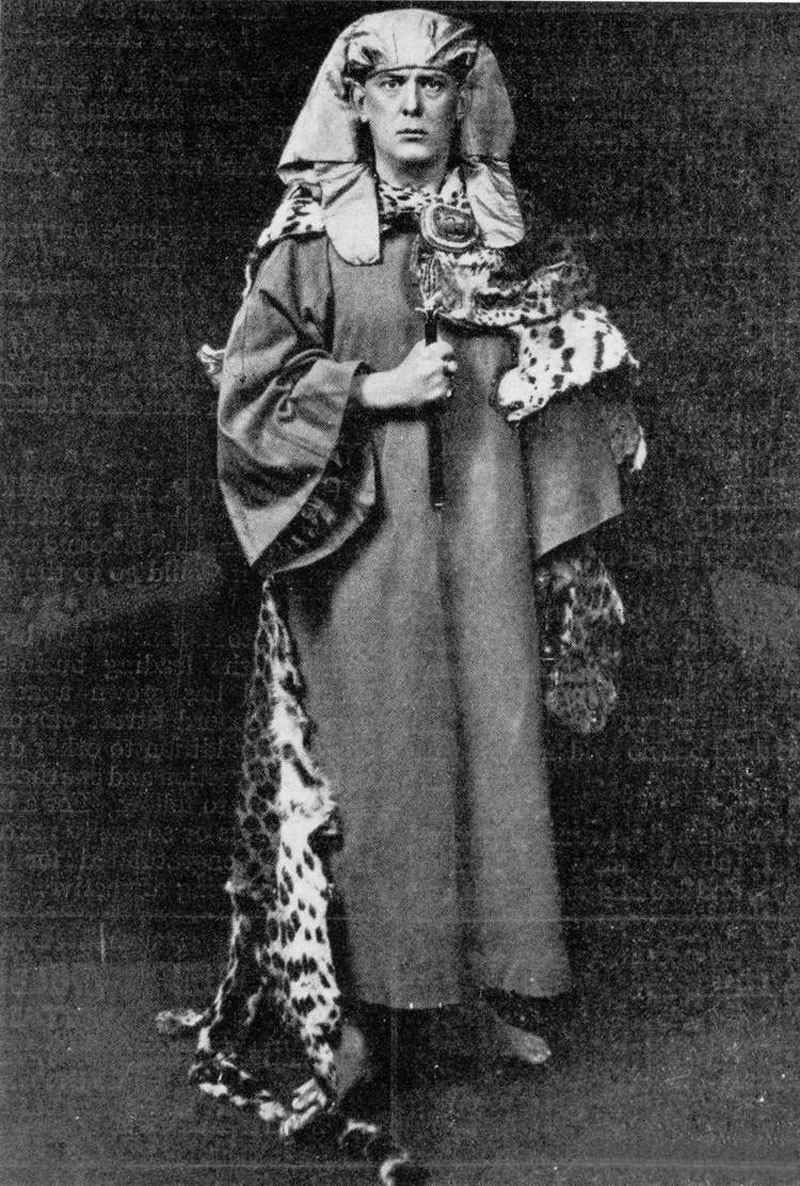
Thelema
from Greek thelema, meaning will or desire
A Western esoteric philosophy centered on discovering and following one's True Will
Thelema is a spiritual system founded by Aleister Crowley in the early twentieth century. It teaches that every person has a unique purpose called True Will, which should be pursued above all else. The movement uses magick and ritual to align with this inner drive.
- Founded by Aleister Crowley in 1904
- Centers on discovering one's True Will
- Based on The Book of the Law
- Uses magick for self-mastery
- Celebrates Equinoxes and holy days
What it is
Thelema functions as a spiritual path and social philosophy within Western occultism. Its core teaching focuses on identifying and living according to one's True Will, a divine purpose distinct from casual desires. Followers believe that aligning life with this inner direction leads to personal fulfillment. The system relies on magick, defined as the art of causing change in accordance with will, to achieve self-mastery and spiritual growth.
Where it comes from
Aleister Crowley established Thelema in Cairo during 1904 after receiving a text called The Book of the Law. He claimed this work was dictated by a non-corporeal entity named Aiwass. The philosophy draws on earlier ideas, including Rabelais’s fictional Abbey of Thélème and Dashwood’s Hellfire Club motto. Crowley also integrated elements from the Golden Dawn, Rosicrucianism, and Theosophy into his system.
How it is done
Practitioners use rituals, yoga, and meditation to explore consciousness and uncover their True Will. Central ceremonies include the Gnostic Mass, which adapts traditional service structures for Thelemic principles. Specific holy days like the Equinoxes mark key moments in the tradition’s history and are observed through communal rites and personal reflection.
Tools and materials
Magick serves as the primary tool, involving physical and mental exercises to enact change aligned with one’s will. Ritual texts, particularly The Book of the Law, guide practice. Symbols from Egyptian mythology, such as Nuit and Hadit, represent cosmic forces. Yoga and meditation act as methods for achieving the self-control necessary to discern and follow one’s path.
Thelema, drawn and placed
- Living
- Revived
- Fading
- Historical
- Legendary
- Performed
- Lineage
- Western esotericism
- Timing
- during Equinoxes and holy days
What it is for
The goal is to discover and fulfill one’s True Will, seen as a unique individual destiny. This pursuit aims at self-realization and personal freedom. Adherents believe that loving others under the guidance of will strengthens community bonds while maintaining individual integrity. The system rejects external moral constraints in favor of internal alignment with one’s nature.
Who does it
Crowley founded the movement and wrote its foundational texts. Later figures like Jack Parsons and Kenneth Grant expanded its practices. Practitioners engage in magickal work and study esoteric texts. Training involves mastering rituals, understanding cosmology, and developing discipline through yoga and meditation to achieve the Great Work.
Peoples and places
Thelema originated in Egypt but spread globally through Crowley’s writings. It has followers in France, India, Dominica, and Russia. The tradition draws on Western esoteric heritage, incorporating Greek philosophical terms and Renaissance literary references. Different branches interpret the core teachings, with some emphasizing magical practice and others focusing on philosophical inquiry.
At a glance: who, where and when
Peoples
Belief worlds
Occasions
What people believe
Cosmology features deities like Nuit, representing infinite possibility, and Hadit, symbolizing manifestation. Ra-Hoor-Khuit embodies active solar energy. The universe operates through the interplay of these forces, guiding individuals toward their True Will. Chaos, Babalon, and Baphomet are also acknowledged in certain creeds, reflecting a complex symbolic framework.
When it is done
The Equinoxes mark seasonal transitions and are celebrated as holy days. The Feast of the Three Days commemorates the writing of The Book of the Law in April 1904. These occasions involve rituals and gatherings to reinforce community bonds and reaffirm commitment to the path of True Will.
How scholars and sceptics see it
Researchers view Thelema as a new religious movement within Western esotericism. Some note parallels with Yeats’s work, suggesting shared insights into occult symbolism. Critics distinguish Crowley’s practical system from Rabelais’s satirical utopia. Scholars analyze the text’s numerical puzzles and historical influences to understand its development and impact on modern occultism.
Cautions and what is closed
The tradition requires deep personal commitment and study of complex texts. Misinterpretations can lead to confusion about the concept of True Will. Outsiders may find the esoteric language and symbols challenging. The movement emphasizes individual responsibility, which can be isolating for those unprepared for such autonomy.
Compare and confuse
Thelema shares themes with other esoteric systems but distinguishes itself through its focus on True Will. It differs from Rabelais’s fictional abbey by offering a practical framework rather than a satirical ideal. Similarities with Golden Dawn practices highlight its roots in late nineteenth-century occultism, yet it diverges in its central axioms and cosmological structure.
Law and persecution
Thelema faces varying legal statuses globally. In some regions, it is recognized as a legitimate spiritual path. Elsewhere, it may encounter skepticism or misunderstanding due to its association with Crowley’s controversial reputation. Followers navigate these contexts by emphasizing the philosophical and ethical dimensions of their practice.
Questions people ask about Thelema
What is Thelema?
Thelema is a spiritual philosophy founded by Aleister Crowley. It teaches that everyone has a unique True Will to discover and follow. This path aims at personal fulfillment and self-realization through magick and ritual.
Where does Thelema come from?
It originated in Cairo in 1904 when Crowley received The Book of the Law. The name comes from Greek words for will. It draws on Renaissance literature and Western esoteric traditions.
What is True Will?
True Will is each person’s divine purpose, distinct from casual desires. Following it leads to harmony and fulfillment. It is the central goal of Thelemic practice and ethics.
How do Thelemites practice?
They use magick, rituals, yoga, and meditation. These tools help uncover True Will and align life with it. Ceremonies like the Gnostic Mass reinforce these principles.
Good reading and sources
The facts on this page come from the Wikipedia article "Thelema", written by its contributors and used under the CC BY-SA 4.0 licence, and from its Wikidata record (CC0). EveryJaadu rewrote the text in its own words, with AI assistance, and compares every page with the article to make sure no passage is copied. It may be reused under the same CC BY-SA 4.0 licence with a link back.
It may contain mistakes. Names and customs differ from one community to the next, and some knowledge is closed to outsiders and left out here. This page describes belief and practice. It does not say that any of it works, it is not a how-to, and it is not medical advice. If something is wrong, tell us. Last refreshed 2026-10-06.
More from Egypt
All the entries from Egypt 🇪🇪 Estonia and 5 moreSoul dualism
A belief that a person contains two or more distinct kinds of soulsBelief · Healing · Speaking with spirits and the dead Historical
🇪🇪 Estonia and 5 moreSoul dualism
A belief that a person contains two or more distinct kinds of soulsBelief · Healing · Speaking with spirits and the dead Historical
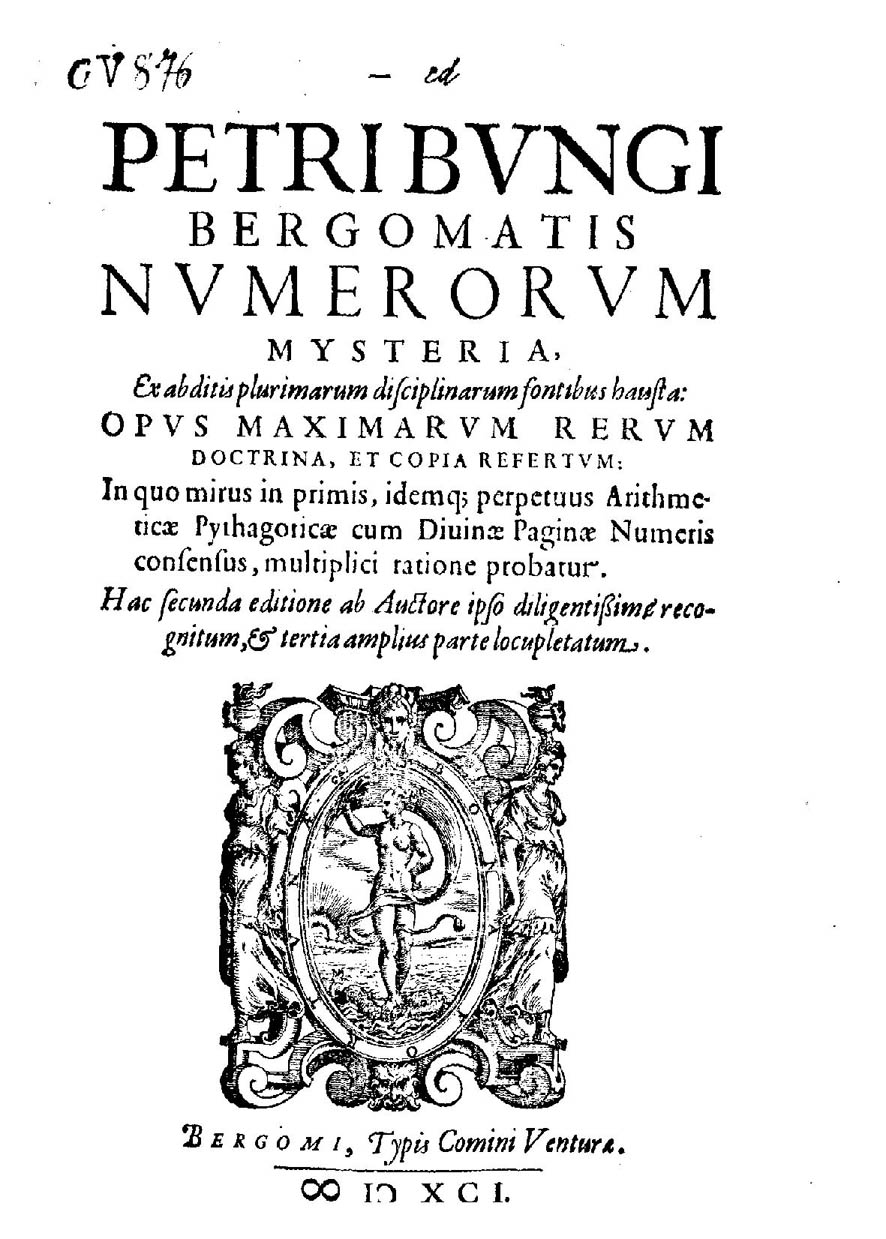 🇬🇷 Greece and 2 moreNumerology
The belief that numbers hold hidden meanings and influence human events.Belief · Seeing and foretelling · Luck and prosperity Historical
🇬🇷 Greece and 2 moreNumerology
The belief that numbers hold hidden meanings and influence human events.Belief · Seeing and foretelling · Luck and prosperity Historical
 🇬🇧 United Kingdom and 5 moreAleister Crowley
English occultist and founder of the religion of ThelemaText · Power and authority · Change and initiation Living
🇬🇧 United Kingdom and 5 moreAleister Crowley
English occultist and founder of the religion of ThelemaText · Power and authority · Change and initiation Living
 🇫🇷 France and 1 moreBaphomet
A name from medieval trials and a symbol of occult equilibriumFigure · Power and authority Legendary
🇫🇷 France and 1 moreBaphomet
A name from medieval trials and a symbol of occult equilibriumFigure · Power and authority Legendary
Related elsewhere
All tradition 🇪🇬 Egypt and 5 moreHermetica
A collection of ancient texts attributed to Hermes Trismegistus, covering magic, alchemy and philosophy.Text · Seeing and foretelling · Change and initiation Historical
🇪🇬 Egypt and 5 moreHermetica
A collection of ancient texts attributed to Hermes Trismegistus, covering magic, alchemy and philosophy.Text · Seeing and foretelling · Change and initiation Historical
 🇮🇳 India and 4 moreTantraतन्त्र
An esoteric yogic tradition from India focusing on ritual, mantra, and body-based spiritual practices.Tradition · Power and authority · Change and initiation Living
🇨🇳 China and 3 moreQi氣 / 气
A vital force in Chinese philosophy and medicine, believed to flow through all living things.Substance · Healing · Power and authority Living
🇮🇳 India and 4 moreTantraतन्त्र
An esoteric yogic tradition from India focusing on ritual, mantra, and body-based spiritual practices.Tradition · Power and authority · Change and initiation Living
🇨🇳 China and 3 moreQi氣 / 气
A vital force in Chinese philosophy and medicine, believed to flow through all living things.Substance · Healing · Power and authority Living
 🇮🇳 India and 4 moreShivaशिव
A principal Hindu deity of destruction and yoga, worshipped across South and Southeast AsiaBeing · Power and authority · Change and initiation Living
🇮🇳 India and 4 moreShivaशिव
A principal Hindu deity of destruction and yoga, worshipped across South and Southeast AsiaBeing · Power and authority · Change and initiation Living