Beliefs, omens and superstitions
Luck and unluck, the evil eye, knocking on wood and the small customs people keep without asking why.
Beliefs, omens and superstitions are the small customs people keep without asking why: knocking on wood, salt over the shoulder, avoiding the number thirteen, the evil eye, a black cat crossing the road, a first visitor of the new year. They are found on every continent and are rarely tied to a priest or book. This page looks at where they come from, what the word superstition hides, and why they persist.
What they look like
Beliefs differ by place. The number four is avoided in China, Japan and Korea because it sounds like the word for death, while thirteen is avoided in much of the West. In India, a sneeze before leaving home may delay a journey, and a lemon and chillies are hung over a shop. The evil eye is feared under many names: nazar, mal de ojo, ayin hara. First-footing at new year in Scotland is said to bring luck to a house.
Whose word is superstition
The word superstition has a history. Roman writers used it for religion they disliked, and Christian writers for forbidden practice. Today it often means someone else's belief. Many religions regard some of their own customs as faith and others as superstition, and where the line falls depends on the speaker. Using the word can mark a speaker as modern and a neighbour as backward. Tests of common superstitions show that people who hold them are not less educated or less rational than others, and many hold them lightly.
Why people keep them
Psychologists find that superstition rises with uncertainty and stakes, which is why athletes, sailors, students and gamblers are known for them. Anthropologist Bronislaw Malinowski observed in the 1920s that Trobriand fishermen used rites in dangerous deep-sea fishing and not in safe lagoon fishing. Most people who follow small customs say they do so partly in jest and partly just in case. Similar customs turn up in places that have never met each other, which suggests that people everywhere respond to risk in similar ways.
When belief causes harm
Most superstitions are harmless. Some are not: beliefs about witchcraft have led to killings in parts of Africa, India and Papua New Guinea, and beliefs about albinism have led to attacks in Tanzania and Malawi. Others cost people money, as when a fee is demanded to lift a bad omen. Education, law and trusted community leaders have all been part of reducing harm. Campaigns by health workers, teachers and community radio have been effective where they listen first and explain later.
Belief on EveryJaadu
The entries written up so far, best known first.
 🇹🇷 Turkey and 5 moreEvil eye
A curse caused by an envious look and the charms used to block itBelief · Protection · Cursing and harm Living
🇹🇷 Turkey and 5 moreEvil eye
A curse caused by an envious look and the charms used to block itBelief · Protection · Cursing and harm Living
 🇺🇸 United States and 5 moreFriday the 13th
A Western superstition marking a specific calendar date as unlucky.Belief · Luck and prosperity Living
🇺🇸 United States and 5 moreFriday the 13th
A Western superstition marking a specific calendar date as unlucky.Belief · Luck and prosperity Living
 🇺🇸 United States and 4 moreRainmaking
Efforts to induce rain through technology, ritual, or prayer.Tradition · Protection · Healing Living
🇺🇸 United States and 4 moreRainmaking
Efforts to induce rain through technology, ritual, or prayer.Tradition · Protection · Healing Living
 🇹🇭 Thailand and 1 moreGhosts in Thai cultureผี (phi)
A wide range of spirits and ghosts found in Thai folklore and popular belief.Belief · Protection · Cursing and harm Living
🇳🇿 New Zealand and 5 moreTapu
A Polynesian concept of sacred restriction and spiritual prohibitionTradition · Protection · Speaking with spirits and the dead Living
🇹🇭 Thailand and 1 moreGhosts in Thai cultureผี (phi)
A wide range of spirits and ghosts found in Thai folklore and popular belief.Belief · Protection · Cursing and harm Living
🇳🇿 New Zealand and 5 moreTapu
A Polynesian concept of sacred restriction and spiritual prohibitionTradition · Protection · Speaking with spirits and the dead Living
 🇯🇵 JapanMount Osore恐山
A volcanic pilgrimage site in Japan believed to be a gateway to the underworldTradition · Speaking with spirits and the dead · Protection Living
🇯🇵 JapanMount Osore恐山
A volcanic pilgrimage site in Japan believed to be a gateway to the underworldTradition · Speaking with spirits and the dead · Protection Living
 🇮🇳 India and 1 moreMantraमन्त्रम्
A sacred sound or phrase repeated to focus the mind and invoke spiritual powerText · Speaking with spirits and the dead · Power and authority Living
🇮🇳 India and 1 moreMantraमन्त्रम्
A sacred sound or phrase repeated to focus the mind and invoke spiritual powerText · Speaking with spirits and the dead · Power and authority Living
 🇨🇦 Canada and 1 moreTotemdoodem
A spirit or symbol linking a group to nature, from Ojibwe clan systems to Australian kinshipBelief · Speaking with spirits and the dead · Power and authority Living
🇨🇦 Canada and 1 moreTotemdoodem
A spirit or symbol linking a group to nature, from Ojibwe clan systems to Australian kinshipBelief · Speaking with spirits and the dead · Power and authority Living
 🇪🇪 Estonia and 5 moreFern flower
A mythical bloom said to bring fortune and unlock secrets, found only on midsummer night.Belief · Luck and prosperity · Love and attraction Living
🇪🇪 Estonia and 5 moreFern flower
A mythical bloom said to bring fortune and unlock secrets, found only on midsummer night.Belief · Luck and prosperity · Love and attraction Living
 🇲🇽 Mexico and 5 moreSanta MuerteNuestra Señora de la Santa Muerte
A female skeletal folk saint in Mexico and the Americas, worshipped for protection, healing, and safe passage.Tradition · Protection · Healing Living
🇮🇳 IndiaPanchagavya
A fermented mixture of five cow products used in Hindu rituals and Ayurvedic traditions.Substance · Cleansing and purification · Healing Living
🇲🇽 Mexico and 5 moreSanta MuerteNuestra Señora de la Santa Muerte
A female skeletal folk saint in Mexico and the Americas, worshipped for protection, healing, and safe passage.Tradition · Protection · Healing Living
🇮🇳 IndiaPanchagavya
A fermented mixture of five cow products used in Hindu rituals and Ayurvedic traditions.Substance · Cleansing and purification · Healing Living
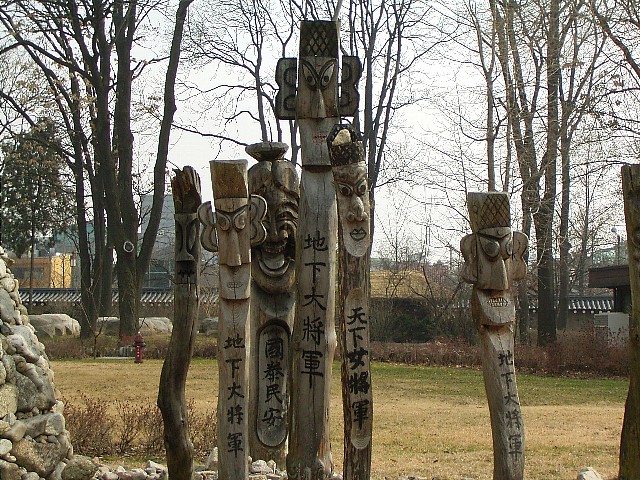 🇰🇷 South Korea and 1 moreJangseung장승
Wooden or stone poles that guard Korean villages and temples from evil spiritsTradition · Protection · Speaking with spirits and the dead Living
🇬🇧 United KingdomSt Mark's Eve
An English folk custom to witness omens of death and future marriage on the eve of a saint's feast dayRite · Seeing and foretelling · Cursing and harm Historical
🇰🇷 South Korea and 1 moreJangseung장승
Wooden or stone poles that guard Korean villages and temples from evil spiritsTradition · Protection · Speaking with spirits and the dead Living
🇬🇧 United KingdomSt Mark's Eve
An English folk custom to witness omens of death and future marriage on the eve of a saint's feast dayRite · Seeing and foretelling · Cursing and harm Historical
 🇨🇳 China and 2 moreEight Immortals八仙
Eight legendary Taoist figures of China, each with a power and a vesselFigure · Protection · Healing Living
🇨🇳 China and 2 moreEight Immortals八仙
Eight legendary Taoist figures of China, each with a power and a vesselFigure · Protection · Healing Living
 🇪🇬 EgyptDjedḏd
An ancient Egyptian pillar symbol representing stability and resurrectionCharm · Protection · Power and authority Historical
🇧🇷 BrazilMacumba
A term for Afro-Brazilian spiritual practices, often carrying negative connotations of sorceryBelief · Healing · Luck and prosperity Historical
🇪🇬 EgyptDjedḏd
An ancient Egyptian pillar symbol representing stability and resurrectionCharm · Protection · Power and authority Historical
🇧🇷 BrazilMacumba
A term for Afro-Brazilian spiritual practices, often carrying negative connotations of sorceryBelief · Healing · Luck and prosperity Historical
 🇮🇳 India and 5 moreKolamகோலம்
A daily geometric floor drawing made with rice flour at the home entrance in South IndiaTradition · Protection · Luck and prosperity Living
🇮🇳 India and 5 moreKolamகோலம்
A daily geometric floor drawing made with rice flour at the home entrance in South IndiaTradition · Protection · Luck and prosperity Living
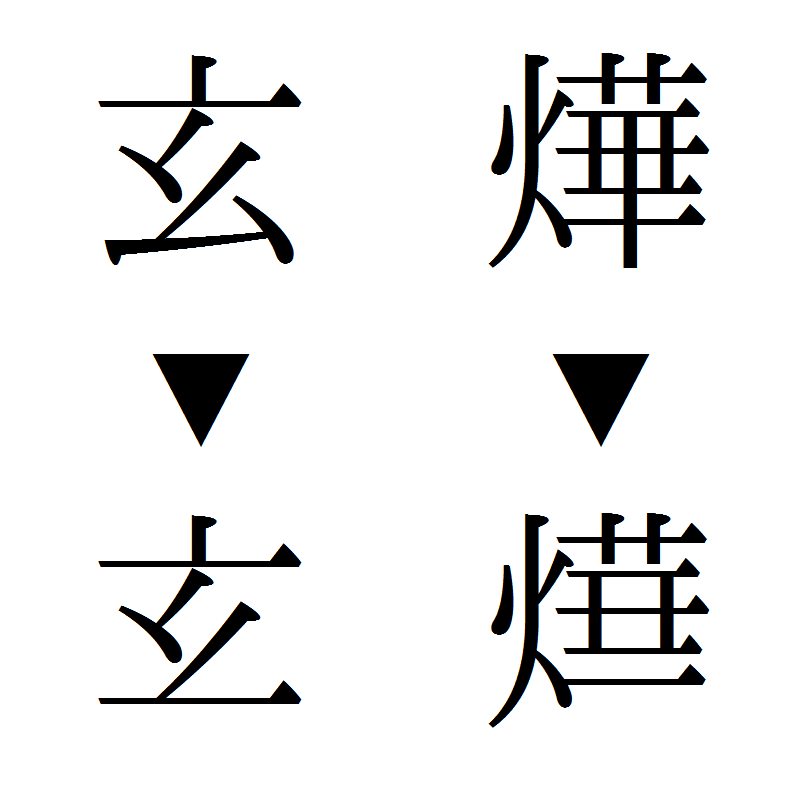 🇨🇳 China and 2 moreNaming taboo避諱
A cultural rule against speaking or writing the names of rulers and ancestors in East AsiaBelief · Protection Historical
🇨🇳 China and 2 moreNaming taboo避諱
A cultural rule against speaking or writing the names of rulers and ancestors in East AsiaBelief · Protection Historical
 🇮🇹 ItalyFortunaFortūna
The Roman goddess of luck and fate, shown with a wheel and a horn of plentyBeing · Luck and prosperity · Seeing and foretelling Historical
🇮🇹 ItalyFortunaFortūna
The Roman goddess of luck and fate, shown with a wheel and a horn of plentyBeing · Luck and prosperity · Seeing and foretelling Historical
 🇪🇸 Spain and 6 moreBurning of Judas
An Easter rite where an effigy of the betrayer is destroyed by fire or other meansRite · Cursing and harm · Cleansing and purification Living
🇬🇧 United Kingdom and 3 moreFirst-footciad-chuairt
The first visitor on New Year's Day, believed to set the household's fortune for the year aheadTradition · Luck and prosperity Living
🇪🇸 Spain and 6 moreBurning of Judas
An Easter rite where an effigy of the betrayer is destroyed by fire or other meansRite · Cursing and harm · Cleansing and purification Living
🇬🇧 United Kingdom and 3 moreFirst-footciad-chuairt
The first visitor on New Year's Day, believed to set the household's fortune for the year aheadTradition · Luck and prosperity Living
 🇮🇪 Ireland and 4 moreWinter solstice
The shortest day and longest night of the year, marked by rites of solar returnTradition · Seeing and foretelling · Protection Living
🇮🇪 Ireland and 4 moreWinter solstice
The shortest day and longest night of the year, marked by rites of solar returnTradition · Seeing and foretelling · Protection Living
 🇮🇳 India and 1 moreNavagrahaनवग्रह
A group of nine celestial deities in Hinduism that govern fate and astrologyTradition · Protection · Luck and prosperity Living
🇮🇳 India and 1 moreNavagrahaनवग्रह
A group of nine celestial deities in Hinduism that govern fate and astrologyTradition · Protection · Luck and prosperity Living
 🇷🇺 Russia and 2 moreCaul
A birth membrane kept as a talisman for luck and protection from drowningCharm · Protection · Luck and prosperity Historical
🇷🇺 Russia and 2 moreCaul
A birth membrane kept as a talisman for luck and protection from drowningCharm · Protection · Luck and prosperity Historical
 🇮🇷 Iran and 5 moreKnocking on wood
A gesture of tapping wood to ward off bad luck or prevent tempting fateBelief · Protection · Luck and prosperity Living
🇮🇷 Iran and 5 moreKnocking on wood
A gesture of tapping wood to ward off bad luck or prevent tempting fateBelief · Protection · Luck and prosperity Living
 🇬🇷 Greece and 5 moreBay Laurelδάφνη
An aromatic Mediterranean plant used in cooking and as a symbol of victory and purification.Substance · Protection · Cleansing and purification Living
🇬🇷 Greece and 5 moreBay Laurelδάφνη
An aromatic Mediterranean plant used in cooking and as a symbol of victory and purification.Substance · Protection · Cleansing and purification Living
 🇮🇳 India and 1 moreNazar battuनज़र बट्टू / نظر بٹو
A charm or deliberate flaw used in South Asia to ward off the evil eye.Charm · Protection Living
🇮🇳 India and 1 moreNazar battuनज़र बट्टू / نظر بٹو
A charm or deliberate flaw used in South Asia to ward off the evil eye.Charm · Protection Living
 🇮🇳 IndiaKumkumकुङ्कुमम्
A red powder made from turmeric and lime, used in Hindu markings and ritualsSubstance · Protection · Luck and prosperity Living
🇮🇳 IndiaKumkumकुङ्कुमम्
A red powder made from turmeric and lime, used in Hindu markings and ritualsSubstance · Protection · Luck and prosperity Living
 🇨🇳 China and 5 moreTetraphobia
The avoidance of the number four due to its similarity to the word for death in East Asian languagesBelief · Luck and prosperity Living
🇨🇳 China and 5 moreTetraphobia
The avoidance of the number four due to its similarity to the word for death in East Asian languagesBelief · Luck and prosperity Living
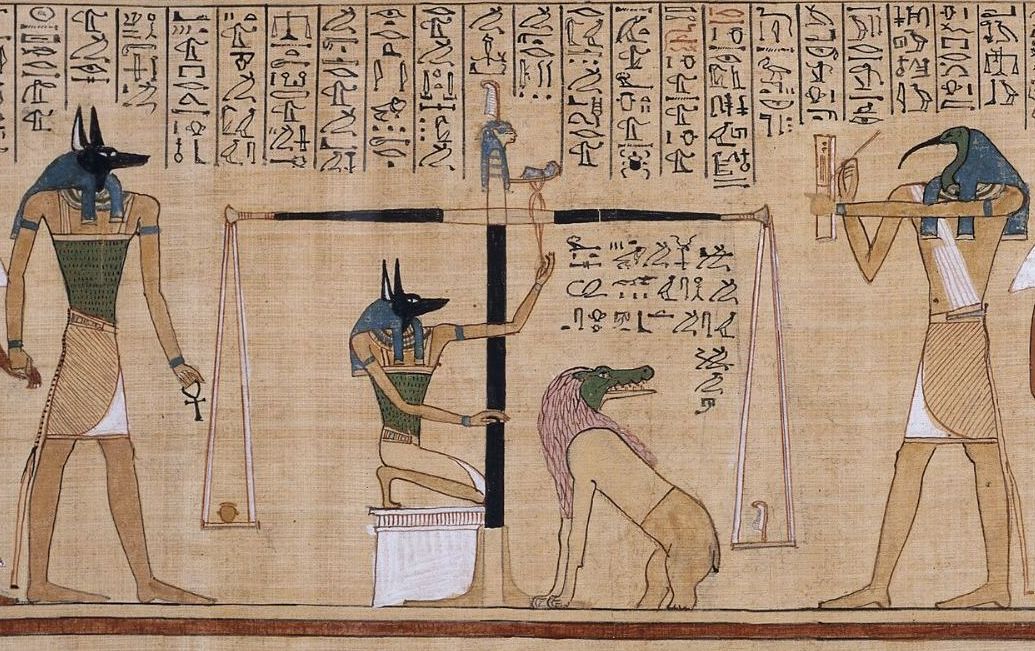 🇪🇬 EgyptAncient Egyptian afterlife beliefs
A system of rituals and texts guiding the soul through the underworld to eternal rebirthTradition · Protection · Speaking with spirits and the dead Historical
🇪🇬 EgyptAncient Egyptian afterlife beliefs
A system of rituals and texts guiding the soul through the underworld to eternal rebirthTradition · Protection · Speaking with spirits and the dead Historical
 🇺🇸 United States and 1 morePunxsutawney Phil
A groundhog who serves as the central figure in an annual American weather prediction festival.Belief · Seeing and foretelling · Wonder and entertainment Living
🇺🇸 United States and 1 morePunxsutawney Phil
A groundhog who serves as the central figure in an annual American weather prediction festival.Belief · Seeing and foretelling · Wonder and entertainment Living
 🇩🇪 Germany and 7 moreWalpurgis NightWalpurgisnacht
A spring vigil marking the eve of Saint Walpurga's feast day with bonfires and student festivalsRite · Protection · Speaking with spirits and the dead Living
🇫🇯 FijiFijian mythology
The traditional beliefs and stories of the indigenous people of FijiTradition · Speaking with spirits and the dead Living
🇩🇪 Germany and 7 moreWalpurgis NightWalpurgisnacht
A spring vigil marking the eve of Saint Walpurga's feast day with bonfires and student festivalsRite · Protection · Speaking with spirits and the dead Living
🇫🇯 FijiFijian mythology
The traditional beliefs and stories of the indigenous people of FijiTradition · Speaking with spirits and the dead Living
 🇵🇹 Portugal and 5 moreCocoCoca
A monster used to frighten children into obedience across the Iberian world and Latin America.Figure · Cursing and harm · Binding and oaths Living
🇵🇹 Portugal and 5 moreCocoCoca
A monster used to frighten children into obedience across the Iberian world and Latin America.Figure · Cursing and harm · Binding and oaths Living
 🇨🇳 China and 2 moreMenshen門神
Guardian figures pasted to doors in Chinese folk religion to protect homes from evil.Belief · Protection · Luck and prosperity Living
🇨🇳 China and 2 moreMenshen門神
Guardian figures pasted to doors in Chinese folk religion to protect homes from evil.Belief · Protection · Luck and prosperity Living
 🇯🇵 Japan and 2 moreTanabataたなばた (七夕)
A Japanese celebration of star-crossed lovers and written wishesTradition · Luck and prosperity · Wonder and entertainment Living
🇯🇵 Japan and 2 moreTanabataたなばた (七夕)
A Japanese celebration of star-crossed lovers and written wishesTradition · Luck and prosperity · Wonder and entertainment Living
 🇲🇳 Mongolia and 2 moreWind Horseརླུང་རྟ་
An East and Central Asian symbol of the soul, luck, and vital energyBeing · Luck and prosperity · Protection Living
🇲🇳 Mongolia and 2 moreWind Horseརླུང་རྟ་
An East and Central Asian symbol of the soul, luck, and vital energyBeing · Luck and prosperity · Protection Living
 🇱🇻 Latvia and 1 moreLatvian mythology
A collection of myths about gods, spirits, and the afterlife from the Baltic region.Tradition · Speaking with spirits and the dead · Power and authority Living
🇱🇻 Latvia and 1 moreLatvian mythology
A collection of myths about gods, spirits, and the afterlife from the Baltic region.Tradition · Speaking with spirits and the dead · Power and authority Living
 🇸🇳 Senegal and 5 morePentagramπεντάγραμμον
A five-pointed star figure used across history for protection, ritual, and cosmologyCharm · Protection · Binding and oaths Living
🇸🇳 Senegal and 5 morePentagramπεντάγραμμον
A five-pointed star figure used across history for protection, ritual, and cosmologyCharm · Protection · Binding and oaths Living
 🇮🇹 Italy and 5 moreFig sign
A hand gesture used to ward off the evil eye or as an insult in many culturesBelief · Protection · Cursing and harm Living
🇮🇹 Italy and 5 moreFig sign
A hand gesture used to ward off the evil eye or as an insult in many culturesBelief · Protection · Cursing and harm Living
 🇨🇳 China and 1 moreAncestor veneration in China中國傳統宗法性宗教
Rites for dead kin who are thought to watch over the familyTradition · Protection · Speaking with spirits and the dead Living
🇮🇳 IndiaMuhurtamuhūrta
A Hindu unit of time used to select auspicious moments for rituals and daily practiceBelief · Power and authority · Speaking with spirits and the dead Living
🇨🇳 China and 1 moreAncestor veneration in China中國傳統宗法性宗教
Rites for dead kin who are thought to watch over the familyTradition · Protection · Speaking with spirits and the dead Living
🇮🇳 IndiaMuhurtamuhūrta
A Hindu unit of time used to select auspicious moments for rituals and daily practiceBelief · Power and authority · Speaking with spirits and the dead Living
 🇹🇴 Tonga and 5 moreTabootapu
A cultural prohibition that marks something as forbidden or sacredBelief · Protection · Speaking with spirits and the dead Living
🇹🇴 Tonga and 5 moreTabootapu
A cultural prohibition that marks something as forbidden or sacredBelief · Protection · Speaking with spirits and the dead Living
 🇲🇽 Mexico and 3 moreFolk saint
Unofficially recognized holy figures venerated by local communities for intercession and miraclesBelief · Protection · Healing Living
🇬🇧 United Kingdom and 1 moreScottish folkloreBeul-aithris na h-Alba
The myths, creatures and beliefs of the Scottish people, recorded from ancient times to the present.Tradition · Seeing and foretelling · Protection Living
🇲🇽 Mexico and 3 moreFolk saint
Unofficially recognized holy figures venerated by local communities for intercession and miraclesBelief · Protection · Healing Living
🇬🇧 United Kingdom and 1 moreScottish folkloreBeul-aithris na h-Alba
The myths, creatures and beliefs of the Scottish people, recorded from ancient times to the present.Tradition · Seeing and foretelling · Protection Living
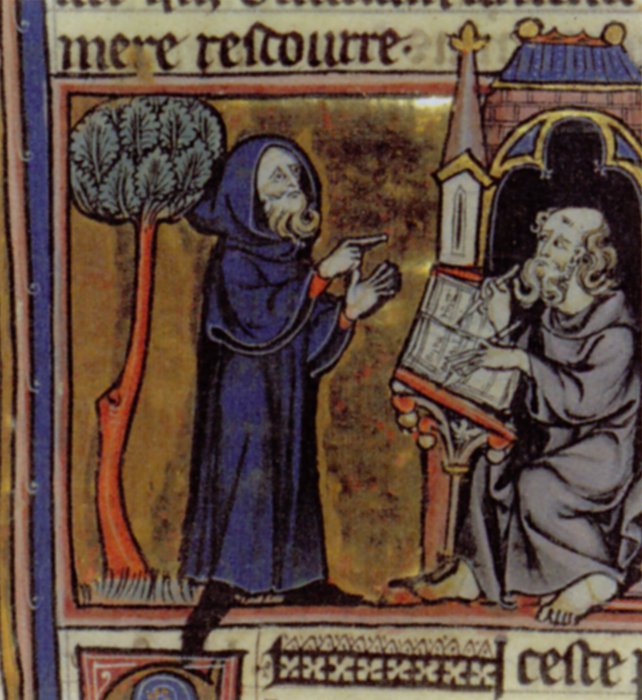 🇮🇹 Italy and 1 moreMedieval European magic
A broad category of ritual and natural practices in the Middle Ages, blending healing, divination, and religious belief.Tradition · Healing · Seeing and foretelling Historical
🇮🇹 Italy and 1 moreMedieval European magic
A broad category of ritual and natural practices in the Middle Ages, blending healing, divination, and religious belief.Tradition · Healing · Seeing and foretelling Historical
 🇮🇪 Ireland and 1 moreBrigid's crossCros Bhríde
A woven straw charm hung for protection, named after Ireland's patron saintCharm · Protection · Luck and prosperity Living
🇮🇪 Ireland and 1 moreBrigid's crossCros Bhríde
A woven straw charm hung for protection, named after Ireland's patron saintCharm · Protection · Luck and prosperity Living
 🇷🇺 Russia and 7 moreSlavic Native FaithРодноверие
A modern polytheistic movement drawing on Slavic folklore, romanticism, and global spiritual traditions.Tradition · Speaking with spirits and the dead · Power and authority Living
🇷🇺 Russia and 7 moreSlavic Native FaithРодноверие
A modern polytheistic movement drawing on Slavic folklore, romanticism, and global spiritual traditions.Tradition · Speaking with spirits and the dead · Power and authority Living
Photo credits on this page
The small pictures above come from Wikimedia Commons under free licences. Some are cropped to fit.
- Kolam: mckaysavage, CC BY 2.0, source
- Fortuna: Charles Samuel, CC BY-SA 4.0, source
- Mantra: Markrosenrosen, CC BY-SA 3.0, source
- Eight Immortals: Fanghong, CC BY-SA 3.0, source
- Amniomancy: JC Brand, CC BY-SA 4.0, source
- Navagraha: Kiran891, CC BY-SA 4.0, source
- Knocking on wood: The White House, Public domain, source
- Bay Laurel: Forest and Kim Starr, CC BY 3.0 us, source
- Nazar battu: Wiki-uk, CC BY-SA 3.0, source
- Kumkum: Thamizhpparithi Maari, CC BY-SA 3.0, source
- Tetraphobia: Halowand, CC BY-SA 3.0, source
- Ancient Egyptian afterlife beliefs: Hunefer, Public domain, source
- Rainmaking: George Catlin, Public domain, source
- Walpurgis Night: Luis Ricardo Falero, Public domain, source
- Coco: Francisco de Goya, CC0, source
- Friday the 13th: Leonardo da Vinci, Public domain, source
- Menshen: Taiwankengo, CC BY-SA 3.0, source
- Tanabata: Laika ac, CC BY-SA 2.0, source
- Latvian mythology: Dezidor, CC BY 3.0, source
- Pentagram: Tomruen, Attribution, source
- Fig sign: Harald the Bard, CC BY-SA 4.0, source
- Taboo: Jonathan McIntosh, CC BY 2.0, source
- Folk saint: Sergio Serrano, CC BY-SA 2.0, source
- Medieval European magic: Unknown author, Public domain, source
- Imbolc: Culnacreann, CC BY 3.0, source
- Slavic Native Faith: Union of Slavic Rodnover Communities (Союз Славянских Общин Славянской, CC BY-SA 4.0, source
- Wind Horse: Clemensmarabu, CC BY-SA 3.0, source
- Winter solstice: Image by Przemyslaw " Blueshade " Idzkiewicz, CC BY-SA 2.0, source
- Jangseung: Yoshiaki Sano, CC BY-SA 2.0, source
- Naming taboo: Haruno Akiha, Public domain, source
- Djed: Anonymous ( Egypt ) Unknown author, Public domain, source
- Ancestor veneration in China: Three huntings, CC BY-SA 4.0, source
- Totem: Jami430, CC BY-SA 4.0, source
- Burning of Judas: Unknown author, Public domain, source
- Fern flower: Antoni Piotrowski, Public domain, source
- Mount Osore: Douglas P Perkins ( Douglaspperkins ( talk )), CC BY 3.0, source
- Santa Muerte: Not home, Public domain, source
- Ghosts in Thai culture: Heinrich Damm ( User:Hdamm , Hdamm at de.wikipedia.org ), CC BY 2.0, source
- Punxsutawney Phil: Anthony Quintano, CC BY 2.0, source
- Evil eye: FocalPoint, CC BY-SA 3.0, source