Spirits, creatures and beings
Djinn, fairies, orisha, golems and the other powers that magic deals with.
Beings are the powers that magic deals with: spirits, ancestors, gods, djinn, fairies, orisha, nats, kami, demons, golems, ghosts and the many kinds of household and landscape spirit. People in most cultures have described a world shared with unseen others, who may help, trouble or ask for respect. This page covers what these beings are said to be and the very different ways communities relate to them. They are always described here as what communities believe, not as established fact.
Different kinds of beings
A being can be a god with a priesthood, such as an orisha served in Yoruba religion, Cuba and Brazil. It can be an ancestor, honoured in China, Africa and Mexico. It can belong to a place, such as the kami of Shinto, the Thai phi or the Burmese nats. It can be a trouble-maker, like the djinn of Arabic and Islamic tradition, formed from smokeless fire, or the fairies of Ireland, whom people avoided naming.
Relationship, not command
In many traditions, a person does not command a being but enters a relationship with it, through offerings, promises and respect. Possession and mediumship are forms of that relationship, as in Vodou, Candomblé, Korean mudang rites and Sufi gatherings. In ceremonial magic of the European grimoires, by contrast, the magician summons spirits by name and authority, which the Church condemned as demon-raising. The same being may be loved in one household and feared in the next, and a spirit helpful to its servant can be harmful to a stranger.
Religions and renaming
Dominant religions often absorbed beings by relabelling them. Christian missionaries called many African and Indigenous spirits demons. Islam reads the djinn as real creatures, some of whom are Muslim, and Hindu and Buddhist traditions fold local deities into their own pantheons. Pagan and fairy beliefs were sometimes recast as the devil's work, which fed witch trials in Europe. Churches and mosques have sometimes divided beings into good and evil in ways the older traditions did not, so that a neutral local spirit became a demon on the day a missionary arrived.
Harm and interpretation
Belief in harmful spirits has been used to accuse people. Children in parts of West and Central Africa have been branded as witches possessed by evil spirits, and some have been abused by pastors or families in the name of deliverance. Scholars read spirit beliefs as ways to make sense of illness, loss and conflict, and many communities see them simply as neighbours. That is why accusations tied to spirit beliefs fall hardest on children and the vulnerable, and why many agencies train local leaders to challenge them.
Being on EveryJaadu
The entries written up so far, best known first.
 🇯🇵 JapanShidaidaka次第高
A tall spirit in Japan that grows when you look up and shrinks when you look down.Being · Cursing and harm Legendary
🇳🇿 New ZealandMaero
A wild supernatural people of New Zealand forests and mountainsBeing · Cursing and harm Legendary
🇮🇷 IranHouriحُورِيَّـة
Heavenly beings described in Islamic scripture as companions for the faithful in paradise.Being · Speaking with spirits and the dead Historical
 🇺🇸 United StatesAgropelter
An ape-faced beast of lumber tales that pelts passers-by with branches from hollow treesBeing · Cursing and harm Legendary
🇵🇭 PhilippinesBungisngis
A one-eyed giant from Philippine folklore that laughs constantly and relies on hearing.Being Legendary
🇵🇭 PhilippinesMandurugo
A shapeshifting spirit from Philippine folklore that feeds on human bloodBeing · Cursing and harm Legendary
 🇮🇩 IndonesiaOrang Pendek
A bipedal primate said to live in the forests of SumatraBeing · Wonder and entertainment Legendary
🇮🇳 IndiaEtheric body
A subtle energy layer said to sustain the physical form and connect it to higher states.Being · Power and authority Historical
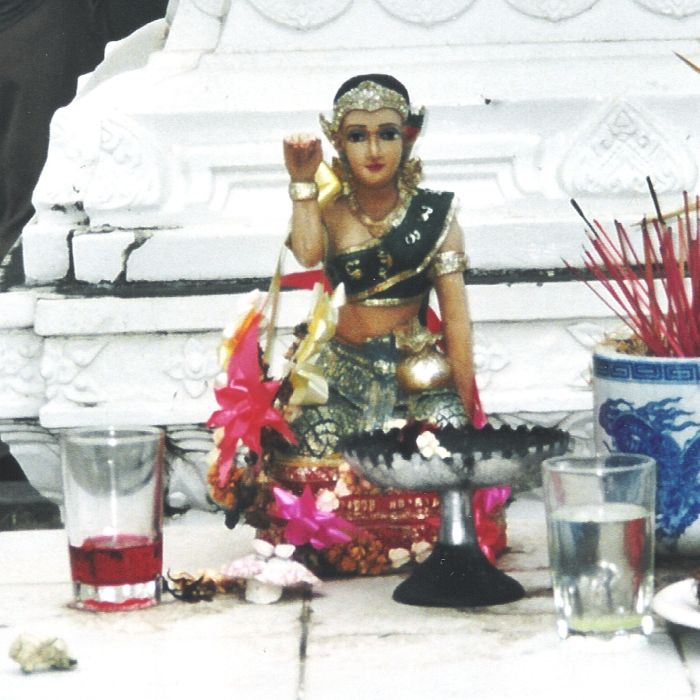 🇹🇭 ThailandNang Kwakนางกวัก
A Thai figure who beckons customers and money luck into shops and homesBeing · Luck and prosperity Living
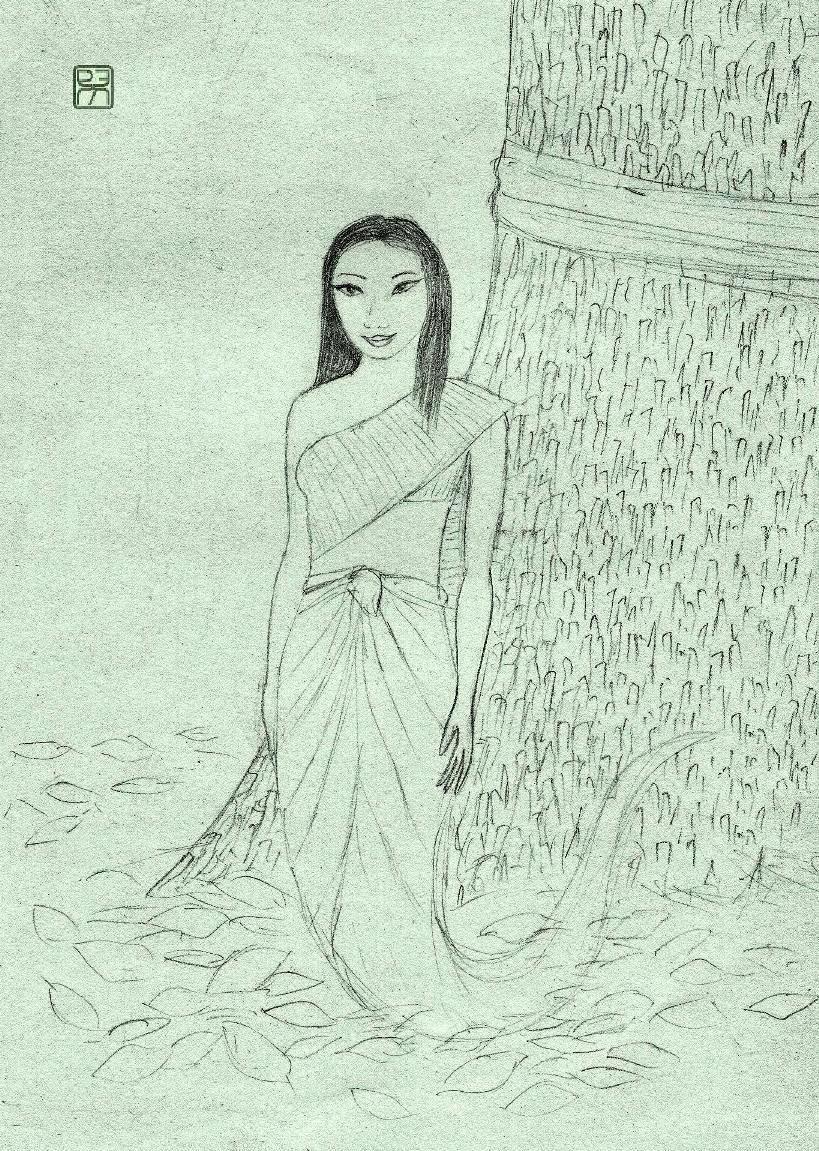 🇹🇭 ThailandNang Ta-khianนางตะเคียน
A Thai tree spirit said to dwell in the ta-khian treeBeing · Luck and prosperity · Cursing and harm Living
 🇷🇺 Russia and 5 moreVelesВелес
A Slavic chthonic deity of cattle, the underworld, and oathsBeing · Protection · Luck and prosperity Historical
🇹🇭 Thailand and 1 moreKong koiผีกองกอย
A one-legged Lao and Thai jungle ghost said to drink blood from travellers' toesBeing · Cursing and harm Legendary
 🇫🇮 Finland and 1 moreVäinämöinen
An ancient Finnish demigod and master singer from the Kalevala epicBeing · Wonder and entertainment Historical
 🇨🇱 ChilePincoya
A Chilotan sea spirit whose dance predicts the catch of fish and seafood.Being · Luck and prosperity · Power and authority Legendary
🇦🇺 AustraliaBobbi-Bobbi
A giant sky snake of the Binbinga who fed humans and gave the first boomerangBeing · Change and initiation Legendary
🇵🇭 PhilippinesBatibat
A tree-dwelling demon that causes sleep paralysis and nightmares in Philippine folkloreBeing · Cursing and harm Legendary
🇬🇧 United KingdomAsrai
Shy water fairy of English tale, said to melt in sun, likely born in an 1872 poem.Being · Cursing and harm Legendary
🇮🇳 IndiaKuttichathanകുട്ടിചാത്തൻ
A guardian spirit of Malabar folklore known for illusions and household pranksBeing · Cursing and harm · Luck and prosperity Historical
🇧🇷 Brazil and 2 moreCaiporaCaapora
A Brazilian forest spirit that guards game and tests hunters with bribes or terrorBeing · Protection · Cursing and harm Living
🇺🇸 United StatesTeakettler
A shy lumber-camp creature said to whistle like a boiling kettle and walk backwardsBeing · Wonder and entertainment Legendary
🇨🇳 ChinaChang伥
A Chinese ghost enslaved by a tiger to lure new victimsBeing · Cursing and harm Legendary
 🇵🇭 PhilippinesTigmamanukan
A pre-colonial Tagalog omen bird believed to guide journeys and aid creationBeing · Seeing and foretelling · Luck and prosperity Historical
 🇮🇳 IndiaJvarasuraज्वारासुर
A fever demon in Hindu lore who serves the pox goddess Shitala.Being · Cursing and harm · Healing Historical
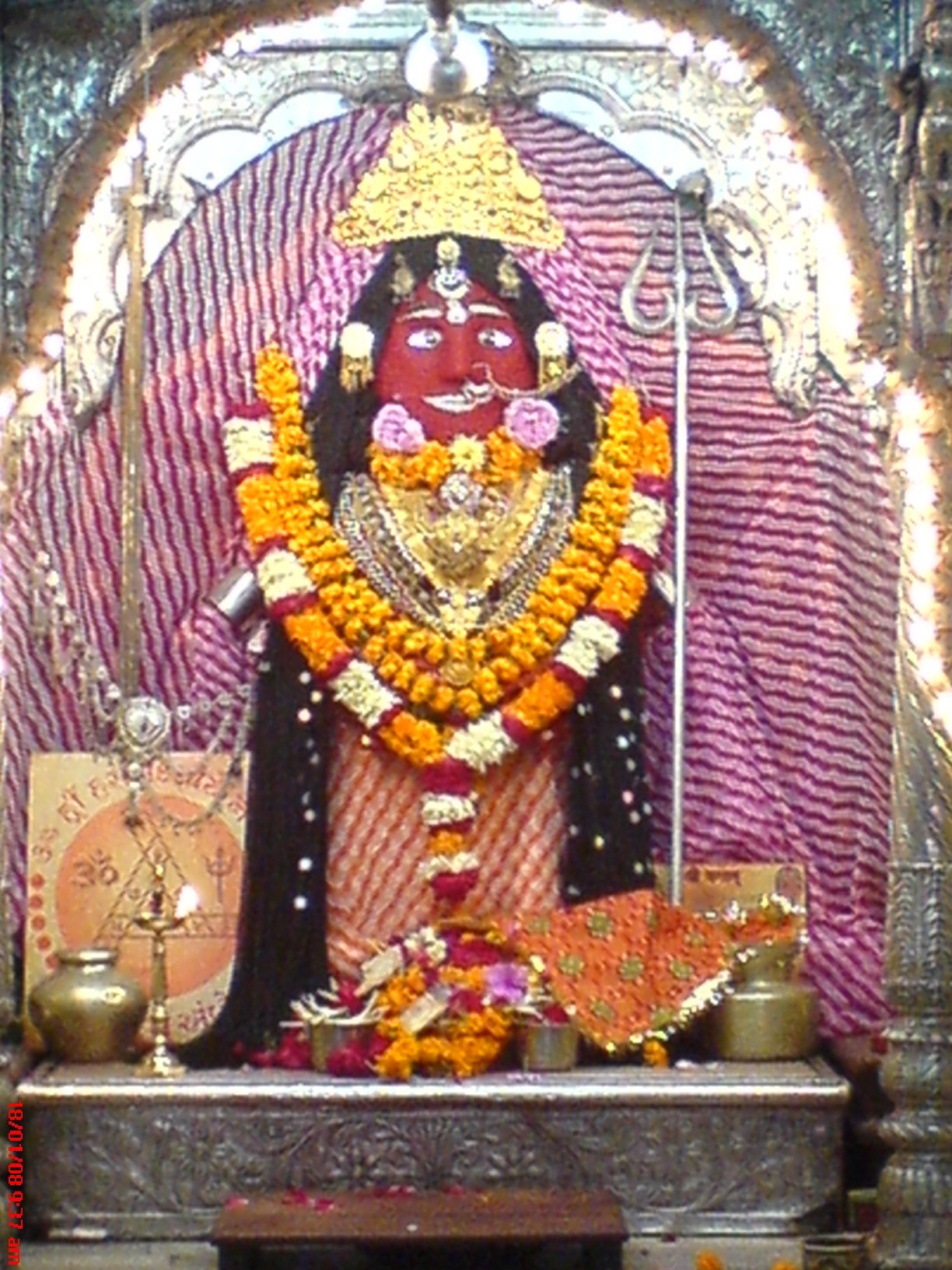 🇮🇳 IndiaHarsidhhi
A regional Hindu goddess kept as a clan deity and asked to guard shipsBeing · Protection Living
🇮🇳 IndiaPolerammaపోలేరమ్మ
A village goddess of smallpox and plague in Andhra PradeshBeing · Protection · Healing Living
 🇮🇳 IndiaPoomala Bhagavathy
A Hindu goddess of North Malabar, revered as the family deity of the Thiyya community.Being · Love and attraction · Luck and prosperity Living
 🇪🇹 Ethiopia and 5 moreWerehyena
A shapeshifter from African and Middle Eastern folklore that turns into a hyena or is a hyena in human formBeing · Cursing and harm Legendary
 🇬🇷 GreeceEurynomosΕὐρύνομος
An ancient Greek underworld spirit said to strip corpses down to bone.Being Legendary
 🇫🇷 FranceFarfadet
Small helpful spirits of French folklore that perform chores for foodBeing · Luck and prosperity Legendary
 🇮🇹 ItalyAngitia
A Sabine and Roman goddess of healing and snake magic in central ItalyBeing · Healing · Power and authority Historical
🇬🇧 United KingdomColt pixie
A scruffy pony spirit from English folklore that leads travellers astrayBeing · Cursing and harm Legendary
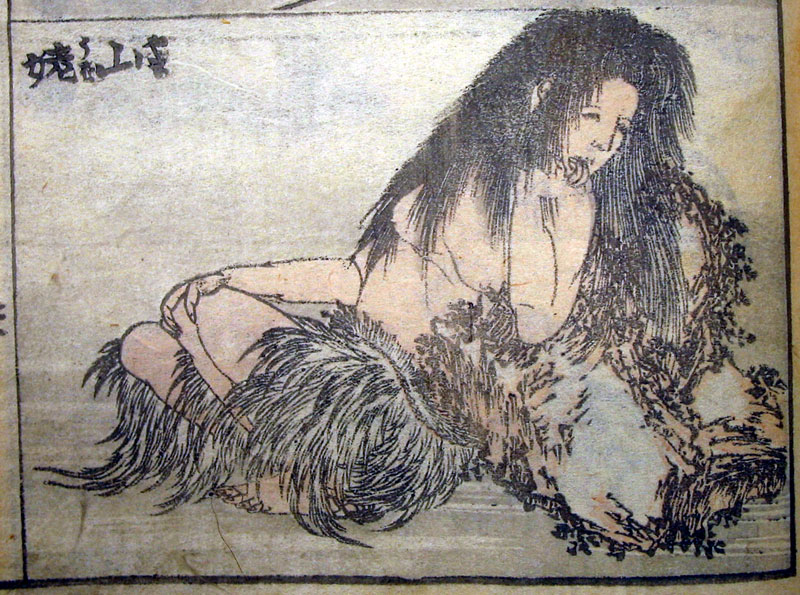 🇯🇵 JapanYama-uba山姥
A Japanese mountain spirit depicted as either a cannibalistic monster or a benevolent guardian.Being · Cursing and harm · Luck and prosperity Legendary
🇮🇪 IrelandSleih beggey
Manx fairies and little people of the Isle of ManBeing · Cursing and harm Legendary
 🇬🇷 GreeceMonopodσκιάποδες
A legendary one-legged people said to shade themselves with a giant footBeing Legendary
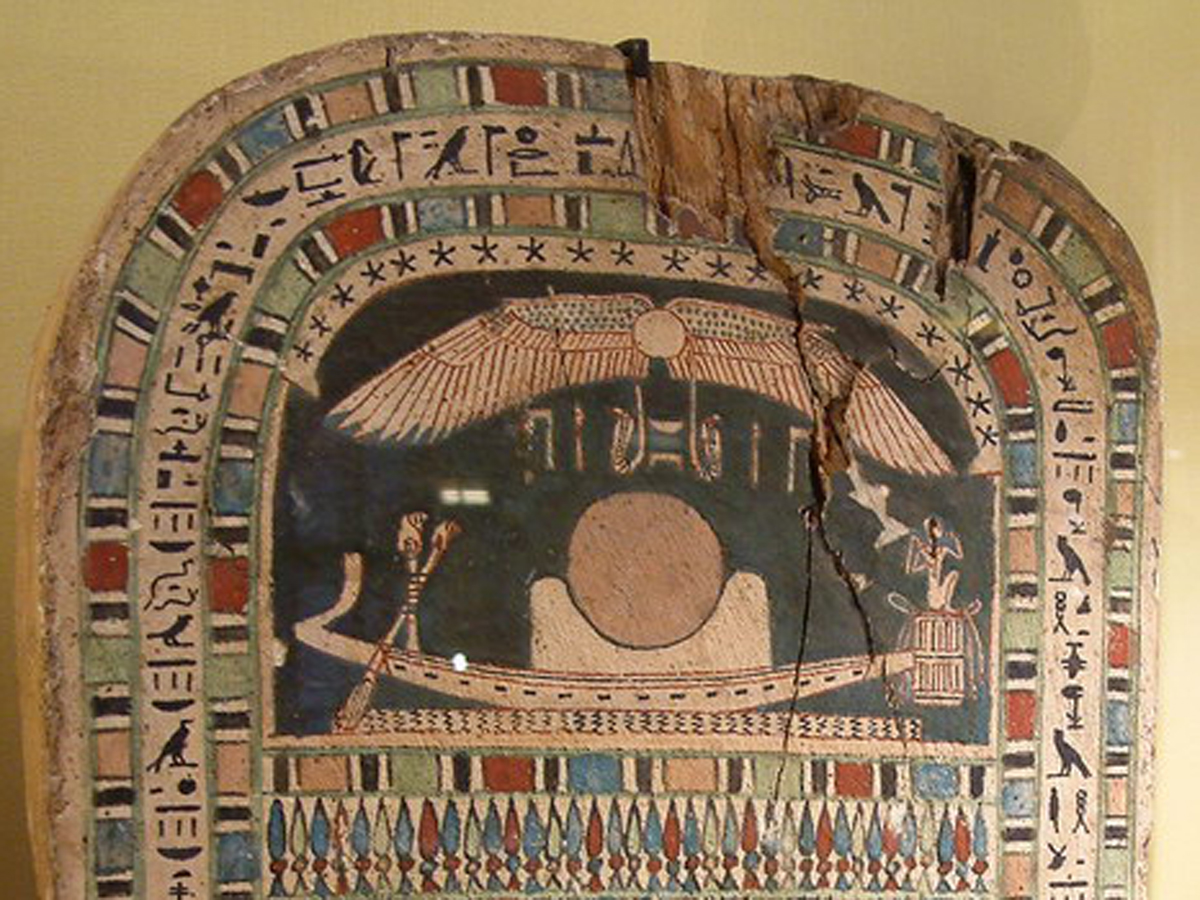 🇪🇬 EgyptSolar barque
The mythological vessels used by the sun god Ra to travel across the sky and through the underworld in ancient Egypt.Being · Wonder and entertainment Historical
🇮🇷 IranFaravaharفَرَوَهَر
Zoroastrian guardian spirits: ancestor-warriors and each person's unseen twinBeing · Protection · Speaking with spirits and the dead Living
 🇮🇩 IndonesiaBabi ngepet
A Javanese myth about a person who turns into a boar to steal wealthBeing · Luck and prosperity · Cursing and harm Legendary
🇮🇳 IndiaChedipeचेदिप
A witch-vampire spirit of the Godavari region that drains men and feeds on sorrowBeing · Cursing and harm Legendary
🇭🇹 HaitiMarassa Jumeaux
The divine twins of Haitian Vodou, representing love, truth, and justice.Being · Love and attraction · Cursing and harm Living
 🇬🇷 Greece and 3 moreGeryonΓηρυών
A three-headed or three-bodied giant of Greek myth, keeper of red cattleBeing Legendary
 🇮🇪 IrelandBánánach
Battlefield spectres of early Irish story, tied to the din of warBeing · Cursing and harm Legendary
 🇬🇷 Greece and 2 moreDioneΔιώνη
An ancient Greek oracular goddess and Titaness, mother of Aphrodite.Being · Seeing and foretelling Historical
 🇮🇳 India and 2 moreAiravataऐरावत
A pristine white mythic elephant that carries the king of gods and controls the rains.Being · Power and authority · Protection Legendary
 🇮🇹 ItalyŚuri𐌑𐌖𐌛 (Etruscan)
An ancient Etruscan deity of volcanic fire, the underworld, and healingBeing · Protection · Healing Historical
 🇮🇸 IcelandSurtrSurtur
A fire giant of Norse myth who guards a burning realm and ends the worldBeing · Cursing and harm Legendary
 🇬🇷 GreeceShadeσκιά
A ghostly shadow of the dead, said to linger in the world belowBeing · Speaking with spirits and the dead Legendary
🇮🇷 IranGochihrگوچهر
A dragon from Iranian myth linked to world renewal and later used as an astronomical term.Being Historical
Photo credits on this page
The small pictures above come from Wikimedia Commons under free licences. Some are cropped to fit.
- Shade: Henry Fuseli, Public domain, source
- Surtr: Friedrich Wilhelm Heine (1845-1921) after an original by Friedrich Wil, Public domain, source
- Airavata: Unknown, India, Rajasthan, Amber, South Asia, Public domain, source
- Geryon: E Group, Public domain, source
- Solar barque: Guillaume Blanchard , uploaded to Commons by User:Borislav, CC BY-SA 2.5, source
- Monopod: Michael Wolgemut / Wilhelm Pleydenwurff, Public domain, source
- Buda: Aberdeen Bestiary, Public domain, source
- Hecate: Henryk Siemiradzki, Public domain, source
- Welsh mythology: Unknown author, Public domain, source
- Nang Kwak: Günter Trageser, Public domain, source
- Nang Ta-khian: Xavier Romero-Frias, CC BY-SA 4.0, source
- Veles: Andrey Shishkin, CC BY 3.0, source
- Väinämöinen: Akseli Gallen-Kallela, Public domain, source
- Pincoya: Paul Lowry, CC BY 2.0, source
- Tigmamanukan: Illustrator and uploader Dragonbite ., CC BY-SA 1.0, source
- Jvarasura: Suraj Belbase, CC BY-SA 4.0, source
- Harsidhhi: Dkgohil, CC BY-SA 3.0, source
- Poomala Bhagavathy: Ajeeshkumar4u, CC BY-SA 4.0, source
- Farfadet: User:Mattes, Public domain, source
- Angitia: Marica Massaro, CC BY-SA 4.0, source
- Yama-uba: Unknown author, Public domain, source
- Babi ngepet: Tropenmuseum, CC BY-SA 3.0, source
- Dione: Phidias, CC BY 2.5, source
- Śuri: Marie-Lan Nguyen, Public domain, source
- Shidaidaka: by Reggaeman, CC BY-SA 3.0, source
- Agropelter: Fearsome Critters, Written by Henry H. Tryon • Illustrated by Margaret, CC0, source
- Orang Pendek: Tim Bertelink, CC BY-SA 4.0, source