
Werehyena
from the word werewolf, applied to hyenas
A shapeshifter from African and Middle Eastern folklore that turns into a hyena or is a hyena in human form
The werehyena is a shapeshifting creature found in the folklore of many African cultures and parts of the Arabian Peninsula. It may be a human who transforms into a hyena at night, or a hyena disguised as a person.
- Term coined by analogy to werewolf
- Blacksmiths in Ethiopia linked to bouda belief
- Bambara Korè cult uses masks for roleplay
- Hyenas in Greek folklore became vampiric
- Kanuri name means I change myself into a hyena
What it is
In folklore, a werehyena is a creature capable of changing between human and hyena forms. The term was created by analogy to the European werewolf. Unlike other therianthropes that are usually humans turning into beasts, some werehyena stories describe hyenas that disguise themselves as people. These beings appear across numerous African cultures and in tales from the Arabian Peninsula. They are often seen as dangerous figures associated with theft, murder, and fear.
Where it comes from
The concept of the werehyena has deep roots in African oral traditions. Specific names for these creatures vary by region and language. In the Kanuri language of the Lake Chad area, they are called bultungin, meaning one who changes into a hyena. In Ethiopia and Sudan, blacksmiths are traditionally linked to this belief. The connection likely stems from the historical prevalence of blacksmithing among Jewish communities in Ethiopia, which led to accusations against them. Similar beliefs exist among Berber groups in Morocco.
How it is done
Transformation methods differ across stories. In Mali, members of the Korè cult use masks and roleplay to imitate hyena behavior, using the experience to enforce social discipline. In Somalia, a figure named Qori Ismaris used a magic stick to transform nightly. Other accounts suggest transformation happens automatically at dusk or through spiritual possession. Some beings reveal their true nature by showing a hyena face on the back of their head.
Tools and materials
Masks are used in Bambara rituals to embody hyena traits. A magic stick is mentioned in Somali lore as a tool for transformation. Physical signs of the creature include a hairy body, red gleaming eyes, and a nasal voice. In some stories, pheromones or mesmerizing eyes are used to control victims before an attack.
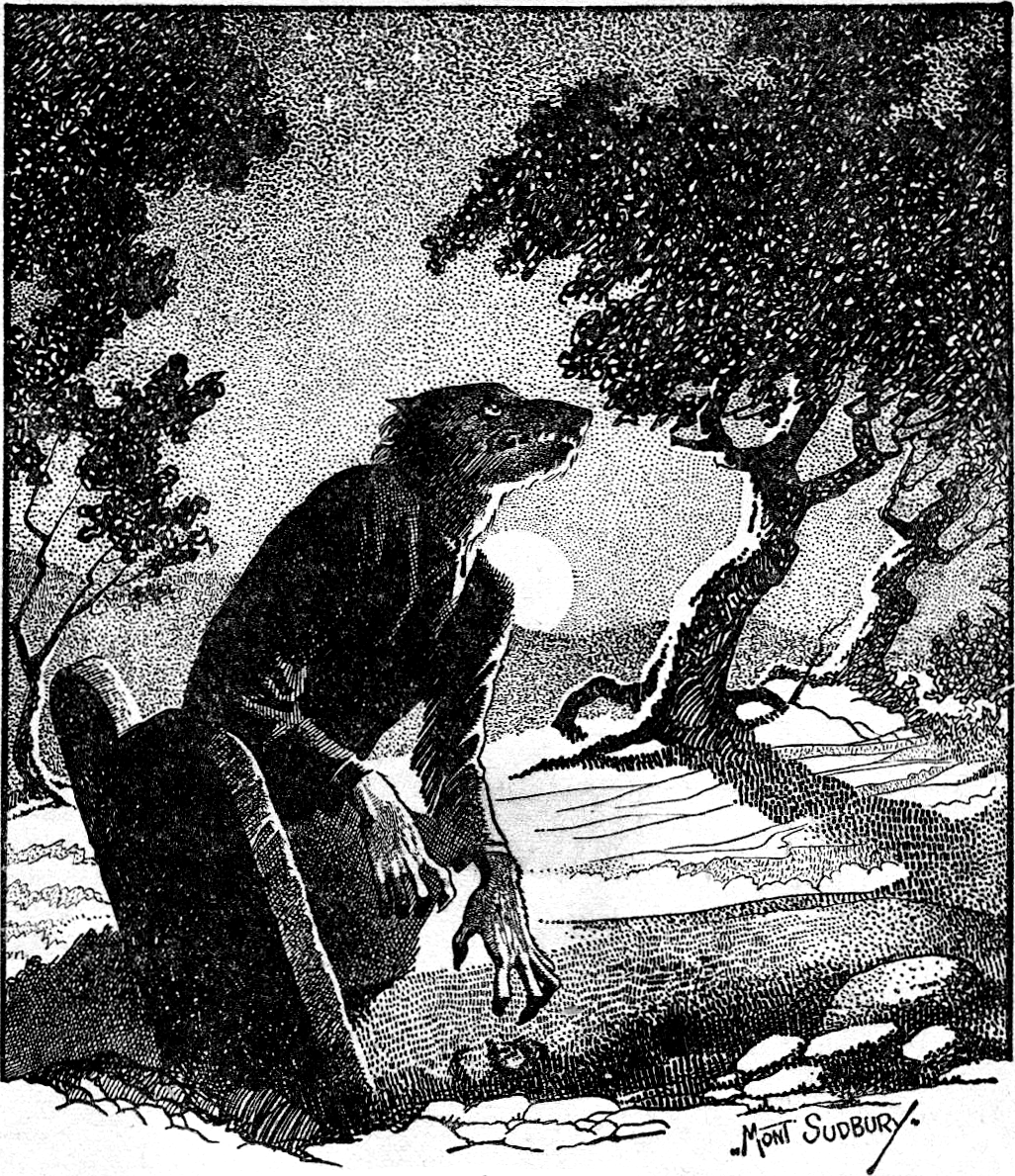
Werehyena, drawn and placed
- Living
- Revived
- Fading
- Historical
- Legendary
- Performed
- Lineage
- African folklore
- Timing
- at night
What it is for
These beings are generally feared for their harmful actions. They are said to rob graves, devour women, slaughter children, and terrorize lovers. Some are viewed as deceptive evil spirits that lure victims with charm before attacking. Others are believed to be powerful healers or wizards who use their powers for malicious ends. The belief serves to explain unexplained deaths or misfortunes.
Who does it
No specific practitioners perform werehyena rites today. Historically, blacksmiths in Ethiopia were suspected of being werehyenas. Members of the Bambara Korè cult performed ritual transformations to learn moral lessons. Scholars and skeptics view these beliefs as cultural explanations for social taboos or as mechanisms to marginalize specific occupational or ethnic groups.
Peoples and places
The belief is widespread in Africa. Among the Kimbundu and Bakongo peoples, werehyenas are spirits of the dead or deceptive entities. Ethiopian Christians have historically accused Ethiopian Jews of being bouda. The Kanuri people of the Lake Chad region have legends of villages populated entirely by these beings. Berbers in Morocco also hold similar beliefs about nightly transformations.
At a glance: who, where and when
What people believe
The worldview behind werehyena lore involves a fluid boundary between human and animal. Spirits can inhabit human bodies, and animals can wear human skin. Hyenas are reviled for their scavenging habits, so attributing these traits to humans reinforces social norms. The belief in blacksmiths as witches reflects suspicion toward those with specialized knowledge. In Greek folklore until the 19th century, werewolves were thought to become vampiric hyenas after death.
When it is done
Transformations typically occur at night, often at dusk or midnight. Some beings resume human shape at dawn. Rituals involving hyena mimicry are part of the Korè cult practices but are not tied to a specific calendar festival. Grave robbing is said to happen at midnight.
How scholars and sceptics see it
Anthropologists see these beliefs as ways to enforce community standards. The Bambara rituals use fear of hyena traits to discourage bad behavior. Accusations against blacksmiths and Jewish communities reflect social tensions and scapegoating. Historians note that the term werehyena is a modern neologism, while the underlying concepts are ancient. Skeptics view the physical signs as hallucinations or misidentifications.
Cautions and what is closed
Accusations of being a werehyena have led to violence and persecution. Ethiopian Jews faced suspicion and blame for grave robbing. Blacksmiths were viewed with suspicion in rural areas. In popular culture, these creatures are often depicted as monsters, reinforcing negative stereotypes about hyenas and marginalized groups.
Compare and confuse
The werehyena is similar to the skinwalker of North American folklore and the werecat of other traditions. It differs from the werewolf in that the starting point can be either human or animal. It shares traits with the ghoul and crocotta, which are also hybrid or vampiric creatures. The term kaftar appears in Persian texts describing half-man, half-hyena beings.
Questions people ask about Werehyena
What is a werehyena?
It is a shapeshifting creature from African and Middle Eastern folklore that can turn into a hyena or be a hyena disguised as a human. The name was created later to match the werewolf concept.
Where does the belief come from?
It originates in various African cultures including Ethiopia, Sudan, Mali, and Somalia. It also appears in Arabian and Persian folklore. The specific names and details vary by region.
How do they transform?
Methods vary. Some stories say it happens at night naturally. Others mention using a magic stick or wearing masks during rituals. Some beings show a hyena face on the back of their head.
Why are blacksmiths associated with werehyenas?
In Ethiopia, blacksmiths were hereditary trades. Jewish men often held this profession. Christian neighbors accused them of being bouda who robbed graves, linking the trade to the supernatural belief.
Good reading and sources
The facts on this page come from the Wikipedia article "Werehyena", written by its contributors and used under the CC BY-SA 4.0 licence, and from its Wikidata record (CC0). EveryJaadu rewrote the text in its own words, with AI assistance, and compares every page with the article to make sure no passage is copied. It may be reused under the same CC BY-SA 4.0 licence with a link back.
It may contain mistakes. Names and customs differ from one community to the next, and some knowledge is closed to outsiders and left out here. This page describes belief and practice. It does not say that any of it works, it is not a how-to, and it is not medical advice. If something is wrong, tell us. Last refreshed 2026-10-10.
More from Ethiopia
All the entries from Ethiopia
🇪🇹 Ethiopia and 4 moreBudaቡዳ
An Ethiopian and Eritrean belief in the evil eye and hyena transformationBelief · Cursing and harm · Protection Living
 🇪🇬 Egypt and 5 moreZārزار
A spirit possession tradition and healing ritual in the Horn of Africa and Middle EastTradition · Healing · Speaking with spirits and the dead Living
🇪🇬 Egypt and 5 moreZārزار
A spirit possession tradition and healing ritual in the Horn of Africa and Middle EastTradition · Healing · Speaking with spirits and the dead Living
 🇸🇴 Somalia and 5 moreFrankincense
An aromatic tree resin harvested for incense, perfume, and religious ritualSubstance · Speaking with spirits and the dead · Power and authority Living
🇸🇴 Somalia and 5 moreFrankincense
An aromatic tree resin harvested for incense, perfume, and religious ritualSubstance · Speaking with spirits and the dead · Power and authority Living
Related elsewhere
All being 🇷🇸 Serbia and 5 moreVampire
An undead creature from folklore that feeds on the blood or life force of the livingBeing · Cursing and harm · Luck and prosperity Legendary
🇷🇸 Serbia and 5 moreVampire
An undead creature from folklore that feeds on the blood or life force of the livingBeing · Cursing and harm · Luck and prosperity Legendary
 🇫🇷 France and 5 moreWerewolf
A mythical shapeshifter that turns into a wolf, central to European witch-hunts and Gothic horror.Being · Cursing and harm · Wonder and entertainment Legendary
🇫🇷 France and 5 moreWerewolf
A mythical shapeshifter that turns into a wolf, central to European witch-hunts and Gothic horror.Being · Cursing and harm · Wonder and entertainment Legendary
 🇪🇬 Egypt and 1 moreLilithלִילִית
A feminine figure from Mesopotamian and Jewish mythology, often depicted as a night demon or spirit.Being · Cursing and harm Legendary
🇪🇬 Egypt and 1 moreLilithלִילִית
A feminine figure from Mesopotamian and Jewish mythology, often depicted as a night demon or spirit.Being · Cursing and harm Legendary
 🇪🇬 EgyptCurse
A spoken wish for misfortune to befall a person or placeBelief · Cursing and harm · Luck and prosperity Historical
🇪🇬 EgyptCurse
A spoken wish for misfortune to befall a person or placeBelief · Cursing and harm · Luck and prosperity Historical