The chang is a spirit in Chinese folk religion, often said to be the ghost of someone killed by a tiger. The creature is believed to be forced to help the tiger that killed it, luring other people to their death.
- A Chinese ghost enslaved by a tiger
- Lures victims to their death for the tiger
- Described in the Taiping Guangji
- Similar creature called changgwi in Korea
- Featured in idioms about helping evil people
What it is
The chang is a type of ghost or zombie found in Chinese folklore. It is described as a spirit that has been killed by a tiger and enslaved by the beast. The chang cannot find peace until it helps the tiger kill another person. In some stories, the chang is also created when a person drowns, serving a similar role for water spirits. This figure appears in historical texts like the Song-era Taiping Guangji.
Where it comes from
The chang originates from Chinese folk religion and mythology. It is recorded in classical literature such as the Taiping Guangji compiled during the Song dynasty. A similar creature exists in Korean tradition, known as the changgwi. The concept reflects beliefs about restless spirits and the power of animals in the afterlife.
How it is done
The chang acts as a lure for its master, the tiger. It approaches potential victims, often pretending to be lost or in need of help. Once the victim is close enough, the chang leads them into the tiger's path. The tiger then kills the new victim, and the chang takes the place of the previous victim it had served.
Chang, drawn and placed
- Living
- Revived
- Fading
- Historical
- Legendary
- Performed
- Lineage
- Chinese folk religion
What it is for
The chang serves the tiger by providing it with food. It is driven by an inability to move on until it fulfills this duty. People believe the chang is malicious, helping evil forces harm others. The creature embodies the idea of being trapped in a cycle of violence and servitude.
Peoples and places
The chang is primarily associated with Chinese culture and folklore. It appears in idioms used to describe people who help villains. A related figure, the changgwi, is found in Korean traditions. These stories highlight shared mythological themes across East Asia regarding animal spirits and ghosts.
At a glance: who, where and when
Peoples
What people believe
In Chinese belief, the chang represents a soul that has not found release. It is thought that tigers can enslave the spirits of those they kill. The chang must continue to serve the tiger until it finds a replacement. This reflects views on karma, justice, and the lingering power of violent deaths.
Compare and confuse
The chang is similar to the Korean changgwi. Both are spirits enslaved by powerful animals. The chang also appears in Chinese idioms, such as 'act the chang for the tiger,' which means to help evil people. Another idiom links wolves, beasts, and tigers to the chang, showing its cultural importance.
Questions people ask about Chang
What is a chang?
A chang is a Chinese ghost or zombie. It is the spirit of someone killed by a tiger. The chang is enslaved by the tiger to lure new victims.
Where does the chang come from?
The chang comes from Chinese folk religion. It is recorded in the Song-era text Taiping Guangji. A similar figure exists in Korean folklore.
How does the chang work?
The chang lures people to the tiger. It pretends to need help. The tiger then kills the victim. The chang takes the victim's place in service.
Are there idioms about the chang?
Yes. One idiom means to help evil people. Another links tigers and changs to show that evil needs helpers to succeed.
Good reading and sources
The facts on this page come from the Wikipedia article "Chang (monster)", written by its contributors and used under the CC BY-SA 4.0 licence, and from its Wikidata record (CC0). EveryJaadu rewrote the text in its own words, with AI assistance, and compares every page with the article to make sure no passage is copied. It may be reused under the same CC BY-SA 4.0 licence with a link back.
It may contain mistakes. Names and customs differ from one community to the next, and some knowledge is closed to outsiders and left out here. This page describes belief and practice. It does not say that any of it works, it is not a how-to, and it is not medical advice. If something is wrong, tell us. Last refreshed 2026-10-08.
More from China
All the entries from China 🇨🇳 China and 3 moreChinese dragon龍
A legendary water deity and imperial symbol in East Asian cultureBeing · Protection · Luck and prosperity Historical
🇨🇳 China and 3 moreChinese dragon龍
A legendary water deity and imperial symbol in East Asian cultureBeing · Protection · Luck and prosperity Historical
 🇨🇳 ChinaLan Caihe藍采和
An ambiguous Taoist immortal known for a flower basket and wandering songsBeing · Wonder and entertainment Legendary
🇨🇳 ChinaLan Caihe藍采和
An ambiguous Taoist immortal known for a flower basket and wandering songsBeing · Wonder and entertainment Legendary
 🇨🇳 China and 2 moreXiezhi獬豸
A one-horned beast from East Asia that separates the guilty from the innocentBeing · Cursing and harm · Protection Legendary
🇨🇳 China and 2 moreXiezhi獬豸
A one-horned beast from East Asia that separates the guilty from the innocentBeing · Cursing and harm · Protection Legendary
 🇨🇳 China and 2 moreEight Immortals八仙
Eight legendary Taoist figures of China, each with a power and a vesselFigure · Protection · Healing Living
🇨🇳 China and 2 moreEight Immortals八仙
Eight legendary Taoist figures of China, each with a power and a vesselFigure · Protection · Healing Living
Related elsewhere
All being 🇷🇸 Serbia and 5 moreVampire
An undead creature from folklore that feeds on the blood or life force of the livingBeing · Cursing and harm · Luck and prosperity Legendary
🇷🇸 Serbia and 5 moreVampire
An undead creature from folklore that feeds on the blood or life force of the livingBeing · Cursing and harm · Luck and prosperity Legendary
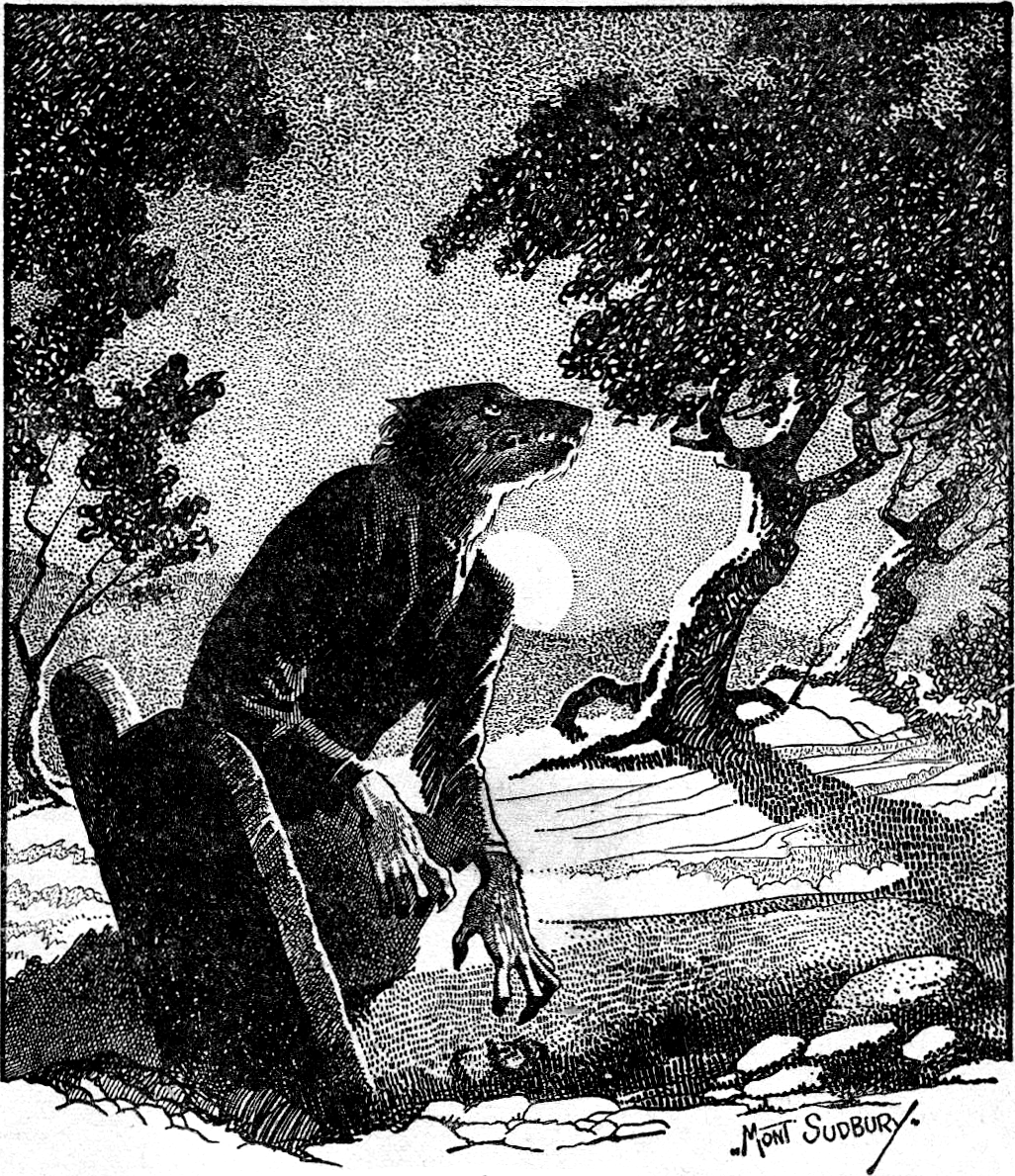 🇫🇷 France and 5 moreWerewolf
A mythical shapeshifter that turns into a wolf, central to European witch-hunts and Gothic horror.Being · Cursing and harm · Wonder and entertainment Legendary
🇫🇷 France and 5 moreWerewolf
A mythical shapeshifter that turns into a wolf, central to European witch-hunts and Gothic horror.Being · Cursing and harm · Wonder and entertainment Legendary
 🇪🇬 Egypt and 1 moreLilithלִילִית
A feminine figure from Mesopotamian and Jewish mythology, often depicted as a night demon or spirit.Being · Cursing and harm Legendary
🇪🇬 Egypt and 1 moreLilithלִילִית
A feminine figure from Mesopotamian and Jewish mythology, often depicted as a night demon or spirit.Being · Cursing and harm Legendary
 🇪🇬 EgyptCurse
A spoken wish for misfortune to befall a person or placeBelief · Cursing and harm · Luck and prosperity Historical
🇪🇬 EgyptCurse
A spoken wish for misfortune to befall a person or placeBelief · Cursing and harm · Luck and prosperity Historical