🇷🇺 Magic in Russia
137 entries from Russia, best known first, across 22 places of magic.
Shamanism in Siberia is a diverse set of practices among indigenous groups, often blending with Islam or Buddhism. It centers on spirit journeys and healing, with distinct traditions among Uralic, Samoyedic, Turkic, and Tungusic peoples.
- Female shaman terms share a root linked to the hearth goddess Etügen.
- Nganasan shamans used three different crowns for different spiritual realms.
- Shamanic songs mimic animal sounds like birds, wolves, and polar bears.
- Skeleton-like dress overlays symbolize shamanic rebirth in several cultures.
- The word 'shaman' derives from Proto-Turkic *bögü via Evenk.
Overview
Siberia is considered the heartland of shamanism, where many ethnic groups maintain these religio-cultural practices today. The tradition is highly diverse, shaped by linguistic families like Uralic, Samoyedic, Turkic, and Tungusic. While some groups have adopted Islam or Buddhism, core elements remain. The practice involves communicating with spirits for healing and guidance. Female shamans are prominent, with linguistic roots suggesting women may have practiced first. The tradition shares features with neighboring cultures, such as the Sami joiks, but retains unique local characteristics in music, dress, and ritual objects.
Practices and beliefs
Shamans undertake spirit journeys to rescue lost souls, reenacting dreams from their training. Healing séances involve mimicking natural sounds, such as bird calls or reindeer noises, to invoke helping spirits. Music includes overtone singing and songs that imitate animals like wolves or polar bears. Divination and contact with upper, lower, or dead worlds are common functions. Specific tools include drums with two transoms and headdresses adorned with effigies of human organs or bones, symbolizing rebirth. Songs often contain magical spell-like mumbling styles.
Rites and charms
Rites include clean tent ceremonies held after the polar night, involving sacrifices. Initiating songs describe the shaman's transformation, mentioning details like a dress with seven vertebrae. Seances are accompanied by women imitating animal sounds to provide fertility or aid the shaman's journey. Shamans wear specific crowns for different realms: upper world, underworld, or childbirth. Rituals often involve transforming into helper animals, such as a polar bear, through sound mimesis and costume.
Who practises
Practitioners include male shamans (böö, saman) and female shamans (udagan), with the latter term sharing a root across many languages. Types of shamans vary by function: those contacting the upper world, the underworld, or the dead. Healers, diviners, and sacral rite specialists are distinguished. Some shamans are chosen through dreams or illness. Historical records note notable figures like Dyukhade Kosterkin. In some groups, like the Ket, shamans are associated with specific helper animals like deer or bears.
Regions and communities
Practices differ by linguistic group. Uralic speakers like the Khanty and Mansi show remnants, while Samoyedic groups like the Nganasans and Nenets maintained living traditions longer. Turkic peoples in Altai and Tuva blend shamanism with Islam or Buddhism. Tungusic groups have their own folklore, such as the Tale of the Nisan Shaman. Regional variations exist in drum structure, headdress design, and the influence of neighboring cultures like Buryat or Abakan-Turkic peoples.
The calendar
Specific rites are tied to seasons, such as the clean tent ceremony after the polar night. Childbirth occasions require specific ceremonial crowns. Life events like death and resurrection are addressed through shamanic intervention. Festivals are not explicitly detailed, but seasonal transitions and community needs drive the timing of seances and sacrifices.
Law and the state
The text does not provide information on legal status, persecution, or state treatment of shamanism in Siberia.
Today
Shamanism persists among indigenous groups, though it has declined in some areas. The last Nganasan seances were recorded in the 1970s. Folklore memories were collected in the 1960s. Some languages, like Kamassian, are extinct, affecting cultural transmission. Modern practitioners maintain traditions, while scholars study historical records and folklore to understand the belief system.
The facts in this overview come from the Wikipedia article "Shamanism in Siberia", written by its contributors and used under the CC BY-SA 4.0 licence. EveryJaadu rewrote the text in its own words, with AI assistance, and compares every page with the article to make sure no passage is copied. It may be reused under the same CC BY-SA 4.0 licence with a link back.
Places of magic in Russia
 🇬🇧 United Kingdom and 5 moreStreet performance
Public entertainment offered for voluntary tips in open spacesIllusion · Wonder and entertainment · Luck and prosperity Living
 🇺🇸 United States and 5 moreMagic
A performance art using natural means to create the appearance of impossible featsIllusion · Wonder and entertainment Living
 🇷🇺 Russia and 1 moreTelekinesis
A purported psychic ability to move objects with the mind aloneBelief · Wonder and entertainment Historical
 🇧🇬 Bulgaria and 1 moreIspolinисполин
A legendary giant from Bulgarian folklore, said to be the second generation of Earth's inhabitants.Figure Legendary
🇬🇱 Greenland and 2 moreThe Goose Wife
A circumpolar myth of a hunter and a woman who sheds her bird skinFigure · Wonder and entertainment Legendary
 🇷🇺 Russia and 5 moreVelesВелес
A Slavic chthonic deity of cattle, the underworld, and oathsBeing · Protection · Luck and prosperity Historical
🇺🇸 United States and 3 more11:11
A clock time believed to signal spiritual alignment or synchronicity in numerology and New Age thoughtBelief · Wonder and entertainment · Power and authority Living
🇺🇸 United States and 3 moreAlaska Native religion
Traditional spiritual practices of the Inuit, Yupik, and Aleut peoples of AlaskaTradition · Healing · Luck and prosperity Historical
 🇬🇷 Greece and 1 moreAstrological symbols
Glyphs used to map celestial bodies and their positions in horoscopesBelief · Seeing and foretelling Living
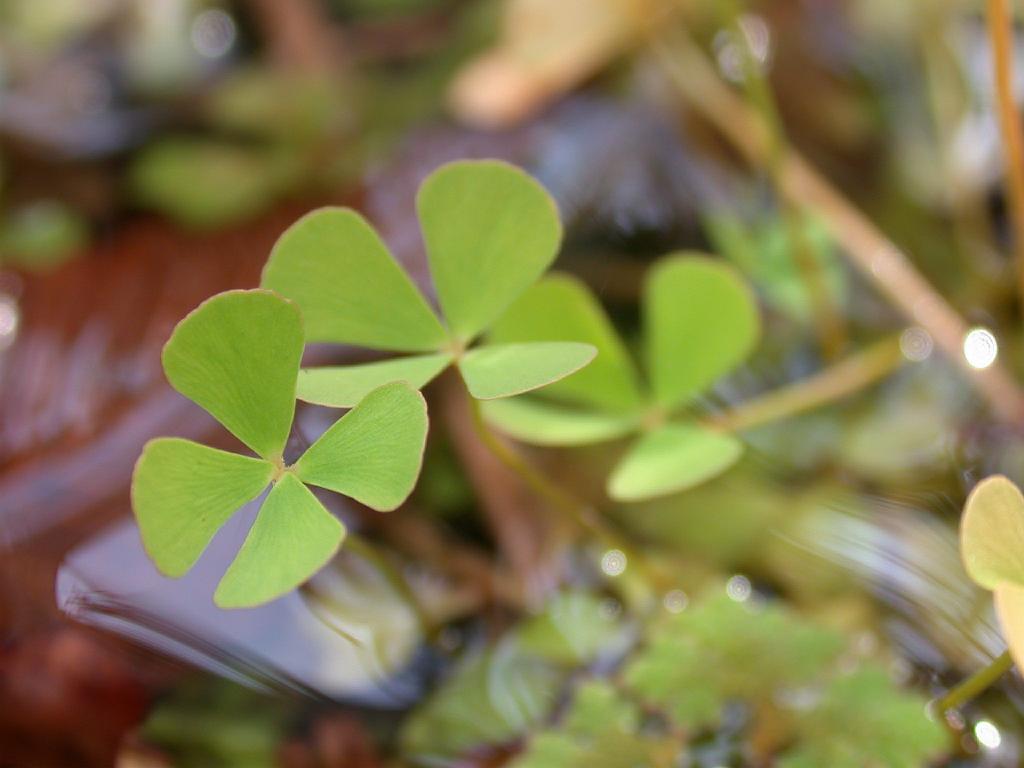 🇧🇬 Bulgaria and 4 moreRaskovnikразковник
A mythical Slavic herb believed to unlock any lock or reveal hidden treasure.Substance · Luck and prosperity · Power and authority Legendary
 🇷🇺 Russia and 2 moreAlatyrАлатырь
A sacred mythological stone in Russian folklore, said to be the center of the world.Figure · Healing · Power and authority Legendary
🇩🇪 Germany and 3 morePalestinabuch
A lost manuscript by Herman Wirth said to reveal the secret history of Jews and Aryans.Text · Cursing and harm Historical
🇺🇸 United States and 5 moreReligious discrimination against modern pagans
Persecution and bias faced by contemporary pagan communities across multiple nationsBelief Living
🇷🇺 RussiaBook of prophecieschrismologion
A literary genre collecting prophecies and divination methodsText · Seeing and foretelling · Power and authority Historical
🇷🇺 Russia and 1 moreThree on a match
A wartime taboo against three people lighting cigarettes from one flameBelief · Cursing and harm Historical
🇲🇳 Mongolia and 1 moreÇor
An invisible spirit in Turkic and Mongolian myth, linked to mental states and later Islamic jinn beliefs.Being · Cursing and harm Legendary
🇷🇺 RussiaGagana
A wonder-working bird of Russian tales, said to guard the Alatyr on the isle of BuyanBeing · Protection · Speaking with spirits and the dead Legendary
 🇷🇺 RussiaAlkonostАлконост
A woman-faced bird of Russian folklore whose song makes listeners forget everythingBeing · Seeing and foretelling · Healing Legendary
🇦🇿 Azerbaijan and 1 moreYuxaЮха елан
A snake of a hundred years said to become a fire-breathing, shape-shifting dragonBeing · Love and attraction · Protection Legendary
🇷🇺 RussiaZoya's Standing
A Soviet-era tale of a dancer frozen in place for mocking a saint's iconBelief Legendary
 🇳🇵 Nepal and 4 moreYetiགཡའ་དྲེད་
A hairy humanoid of Himalayan story, known in the West as the Abominable SnowmanBeing · Protection Legendary
 🇷🇺 RussiaGolden WomanЗолотая баба
A legendary idol of northeastern Europe and Siberia described in early European accounts.Figure · Cursing and harm · Seeing and foretelling Legendary
 🇩🇪 Germany and 3 moreMephistopheles in popular culture
A fictional devil figure adapted across global media and musicFigure · Wonder and entertainment Living
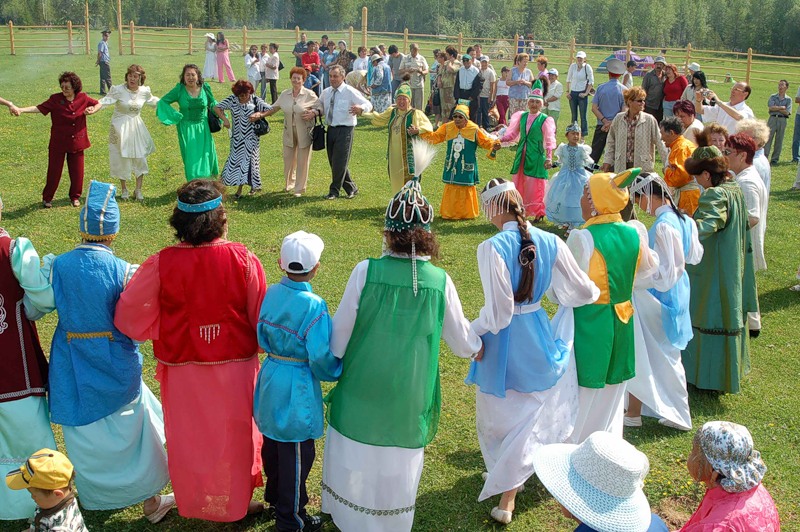 🇷🇺 RussiaYhyakhЫһыах
A summer solstice festival of the Sakha people marking the new year and nature's returnTradition · Luck and prosperity · Speaking with spirits and the dead Living
 🇲🇳 Mongolia and 1 moreOngon
Ancestor spirits in Mongolian shamanism, represented by consecrated idols and talismansBeing · Protection · Speaking with spirits and the dead Living
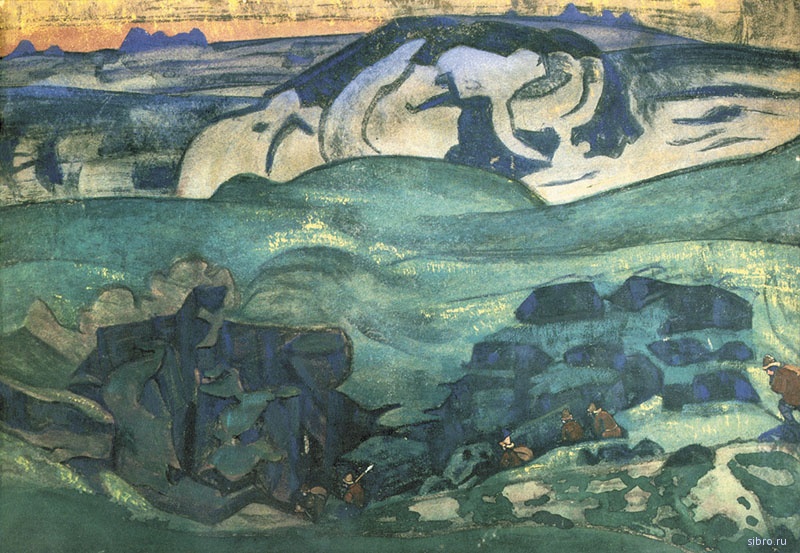 🇷🇺 RussiaChudчудь белоглазая
A mythical ancient people of Russian and Finno-Ugric folkloreFigure Legendary
🇬🇧 United Kingdom and 1 moreElder Mother
A guardian spirit of elder trees in English and Scandinavian folkloreBeing · Protection · Cursing and harm Historical
 🇵🇱 Poland and 1 morePan Twardowski
A Polish sorcerer who bargained with the Devil and ended up on the MoonFigure · Power and authority Legendary
 🇦🇱 Albania and 3 moreCross necklace
A pendant bearing the Christian cross worn as a sign of faith or protection.Charm · Protection · Power and authority Living
🇧🇬 Bulgaria and 5 moreApocryphal prayer
A folk prayer text blending church forms with apocrypha and incantations for protection and healingText · Protection · Healing Living
 🇷🇺 Russia and 1 moreFourth Way
A spiritual path for inner development that does not require leaving ordinary lifeTradition · Change and initiation Living
🇲🇳 Mongolia and 1 moreYellow shamanismШар бөө
A Mongolian and Siberian shamanic tradition blended with Buddhist ritualsTradition · Speaking with spirits and the dead · Protection Historical
 🇮🇹 Italy and 5 moreCrucifix
A cross bearing the figure of Jesus, central to Christian worship and artText · Power and authority Living
 🇷🇺 Russia and 5 moreFiredrakeognennyi zmei
A European dragon myth born from sightings of shooting stars and will-o'-the-wispsBeing · Cursing and harm · Luck and prosperity Historical
🇷🇺 RussiaVolkhovnikВолховник
A lost Old Russian divination book of omens and signsText · Seeing and foretelling · Healing Historical
🇹🇷 Turkey and 3 moreYel iyesiҪил ийи (Chuvash), Тыал иччи (Yakut)
A Turkic wind spirit and its divine parents, known for healing and fierce power.Being · Healing · Seeing and foretelling Legendary
🇦🇿 Azerbaijan and 1 moreErgene iyesi
An underground spirit in Turkic folklore that guards mines and protects miners.Being · Protection Legendary
Photo credits on this page
The small pictures above come from Wikimedia Commons under free licences. Some are cropped to fit.
- Magic: Hieronymus Bosch and workshop / Workshop of Hieronymus Bosch / After H, Public domain, source
- Telekinesis: Strobridge Lithographing Co., Public domain, source
- Ongon: Vyacheslav Kirillin, CC BY-SA 4.0, source
- Alkonost: Viktor Vasnetsov, Public domain, source
- Mephistopheles in popular culture: shakko, CC BY-SA 3.0, source
- Yeti: Gardner Soule, Public domain, source
- Firedrake: Ramesh Kumar R, CC BY-SA 4.0, source
- Raskovnik: No machine-readable author provided. Keisotyo assumed (based on copyri, CC BY-SA 3.0, source
- Veles: Andrey Shishkin, CC BY 3.0, source
- Astrological symbols: Peter Presslein, CC BY-SA 3.0, source
- Ispolin: Joshua Davis, CC BY-SA 2.0, source
- Golden Woman: Sigismund von Herberstein, Public domain, source
- Cross necklace: paterm, CC BY-SA 4.0, source
- Pan Twardowski: Pit1233, Public domain, source
- Crucifix: Turismo Bahia, CC BY-SA 2.0, source
- Street performance: Dwight Burdette, CC BY 3.0, source
- Fourth Way: Londonlinks, CC BY-SA 4.0, source
- Yhyakh: Humano92, Public domain, source
- Alatyr: М. Порсина (M. Porsina), CC BY-SA 4.0, source
- Chud: Nicholas Roerich, Public domain, source
The weekly digest
Every Monday: seven entries you may not know, what is on the calendar this week, and one rite drawn step by step.