Curse of Timur
In its own language: Проклятие Тамерлана
A rumor that disturbing the conqueror's tomb brings invasion and calamity.
The Curse of Timur is a legend surrounding the tomb of the Turco-Mongol ruler in Samarkand. It claims that opening the grave releases an invader worse than the conqueror himself. The story gained traction after Soviet scientists opened the site days before World War II began.
- Soviet anthropologists opened the tomb on June 20, 1941.
- Nazi Germany invaded the Soviet Union two days later.
- Timur was reburied in November 1942 with Islamic rites.
- The Red Army won the Battle of Stalingrad five weeks later.
- No threatening inscription was found inside the coffin.
What it is
The Curse of Timur is a persistent rumor about the burial place of the Turco-Mongol conqueror known as Timur or Tamerlane. The legend holds that the tomb carries a supernatural warning. Anyone who disturbs the resting place will face severe calamity. A popular version claims the inscription warns that opening the grave will unleash an invader even more terrible than the ruler himself. The belief serves as a protective myth for the sacred site. It links historical events to supernatural causes. People use the curse to explain sudden disasters or military defeats. The story functions as a cautionary tale about respecting ancient graves and forbidden knowledge.
Where it comes from
Timur founded the Timurid Empire across Central Asia and Iran. He was buried in the Gur-e-Amir mausoleum in Samarkand. The curse likely emerged to protect his remains from looters. In 1740, Nader Shah attempted to remove a jade slab from the tomb. His son fell ill shortly after, reinforcing the idea of divine retribution. The modern version solidified in June 1941. Soviet anthropologists opened the tomb under Stalin's orders. They found no threatening inscription, only Islamic prayers. However, journalists and crew members reported foul smells and technical failures. These details fueled the narrative of a disturbed spirit.
How it is done
The curse is activated by the physical act of opening the tomb. Soviet teams led by Mikhail Gerasimov entered the mausoleum in June 1941. Three local men had previously offered a manuscript claiming the tomb could not be opened. The team ignored these warnings. Upon opening the coffin, they reported bad odors and electrical issues. The disturbance lasted only briefly. Stalin ordered the remains returned to the tomb in November 1942. The reburial included Islamic rites. This act was believed to break the curse and restore balance to the site.
Tools and materials
The primary tool involved is the tomb itself. The structure contains a sarcophagus and a jade slab. The jade slab lists Timur's ancestors. The coffin holds simple Islamic prayers. No magical instruments are used to trigger or stop the curse. The event relies on the physical breach of the burial chamber. The return of the body required a special transport aircraft. The aircraft flew over Stalingrad during its journey back. This route became part of the legend's geography.
Curse of Timur, drawn and placed
- Living
- Revived
- Fading
- Historical
- Legendary
- Performed
What it is for
People believe the curse protects the sanctity of the dead. It deters grave robbers and disrespectful visitors. The legend also explains historical trauma. The invasion of the Soviet Union by Nazi Germany occurred just two days after the tomb was opened. Many attributed this catastrophe to the curse. Later, the Soviet victory at Stalingrad was seen as the curse being lifted. The belief provides a framework for understanding war and loss through supernatural agency.
Who does it
The original practitioners were the guardians of the tomb. Local elders warned against opening the site. The Soviet expedition included academics and journalists. Malik Qayumov filmed the excavation. He later claimed the curse threatened war. Other crew members disputed his account. Sadriddin Ayni dismissed the warnings as superstition. The reburial was performed by religious officials following Islamic rites. Scholars now study the event as a case of political folklore and media manipulation.
Peoples and places
The curse is tied to Uzbekistan, where the tomb stands. It involves Russian and Soviet history deeply. The legend spread through Soviet media and documentaries. It connects to Afghan and Iranian heritage through Timur's empire. Different cultures interpret the events differently. Some see it as a valid spiritual warning. Others view it as a convenient excuse for wartime failures. The story persists in Central Asian folklore and global pop culture.
At a glance: who, where and when
Belief worlds
What people believe
The worldview assumes that powerful spirits guard their resting places. Disturbing them invites chaos into the world. The curse operates on a cause-and-effect basis. Opening the tomb causes invasion. Reburying the body stops the invasion. This logic mirrors other tomb curses like that of King Tut. It reflects a fear of unknown forces unleashed by scientific curiosity. The belief ignores historical context in favor of supernatural explanation.
When it is done
The key date is June 20, 1941, when the tomb was opened. June 22, 1941, marks the start of Operation Barbarossa. November 1942 saw the reburial of Timur. The Battle of Stalingrad victory followed five weeks later. These dates form the timeline of the curse's activation and resolution. No regular festivals celebrate the curse. It is remembered as a specific historical anomaly.
How scholars and sceptics see it
Anthropologists and historians analyze the curse as a social construct. The story was first published in detail in 1990. A 2004 documentary popularized Malik Qayumov's claims. Researchers note that Qayumov may have exaggerated his role. The manuscript offered by locals was identified as a 19th-century legend book. Scholars argue the curse served political purposes. It helped justify the initial excavation and later reburial. The narrative simplifies complex wartime events into a moral fable.
Cautions and what is closed
The curse itself poses no physical danger. It is a story told about past events. However, the belief has been used to manipulate public opinion. False claims about inscriptions misled many readers. The real harm came from the war that followed the excavation. Accusations of breaking the curse were used to assign blame. Fraudulent stories about magical threats persist in media. People should distinguish between historical fact and legendary embellishment.
Compare and confuse
The Curse of Timur resembles the Curse of King Tut. Both involve opening a tomb and subsequent disaster. Both claim threatening inscriptions that do not exist. The Egyptian curse focuses on individual death. The Timur curse focuses on national invasion. Similar legends exist in various cultures regarding royal graves. The name Tamerlane is used interchangeably with Timur in Western sources.
Law and persecution
No laws specifically address the curse. The tomb is a protected historical site in Uzbekistan. Soviet authorities controlled access to the remains. Modern regulations preserve the mausoleum as a cultural heritage site. Grave robbing is illegal worldwide. The legal status of the site ensures its preservation. There are no penalties for believing in the curse. The focus remains on archaeological protection and tourism management.
Questions people ask about Curse of Timur
What is the Curse of Timur?
It is a legend that disturbing Timur's tomb in Samarkand brings invasion and calamity. The story claims an inscription warns of an even worse invader. The belief links the opening of the grave to World War II.
Where is the tomb located?
The tomb is in the Gur-e-Amir mausoleum in Samarkand, Uzbekistan. Timur, the founder of the Timurid Empire, was buried there. The site is a major historical landmark in Central Asia.
Did the curse really happen?
There is no evidence of a supernatural curse. The timing of the invasion was coincidental. Historians view the story as a myth created to explain tragic events. No inscription threatening war was ever found in the tomb.
Who opened the tomb?
Soviet anthropologists led by Mikhail Gerasimov opened the tomb in 1941. They acted on orders from Stalin to verify the remains. Journalists and cameramen documented the process for propaganda purposes.
Good reading and sources
The facts on this page come from the Wikipedia article "Curse of Timur", written by its contributors and used under the CC BY-SA 4.0 licence, and from its Wikidata record (CC0). EveryJaadu rewrote the text in its own words, with AI assistance, and compares every page with the article to make sure no passage is copied. It may be reused under the same CC BY-SA 4.0 licence with a link back.
It may contain mistakes. Names and customs differ from one community to the next, and some knowledge is closed to outsiders and left out here. This page describes belief and practice. It does not say that any of it works, it is not a how-to, and it is not medical advice. If something is wrong, tell us. Last refreshed 2026-10-07.
More from Uzbekistan
All the entries from Uzbekistan 🇮🇷 Iran and 2 moreSomaसोम
A sacred ritual drink of the ancient Vedic religion and its Iranian counterpartSubstance · Power and authority · Speaking with spirits and the dead Historical
🇮🇷 Iran and 2 moreSomaसोम
A sacred ritual drink of the ancient Vedic religion and its Iranian counterpartSubstance · Power and authority · Speaking with spirits and the dead Historical
 🇮🇷 Iran and 7 moreNowruzنوروز
A spring equinox festival marking the new year across Persianate culturesTradition · Luck and prosperity · Cleansing and purification Living
🇨🇳 China and 4 moreHuoshu火鼠
A legendary fire-resistant rat from Chinese folklore said to yield self-cleaning cloth.Being · Wonder and entertainment Legendary
🇮🇷 Iran and 7 moreNowruzنوروز
A spring equinox festival marking the new year across Persianate culturesTradition · Luck and prosperity · Cleansing and purification Living
🇨🇳 China and 4 moreHuoshu火鼠
A legendary fire-resistant rat from Chinese folklore said to yield self-cleaning cloth.Being · Wonder and entertainment Legendary
Related elsewhere
All belief 🇷🇸 Serbia and 5 moreVampire
An undead creature from folklore that feeds on the blood or life force of the livingBeing · Cursing and harm · Luck and prosperity Legendary
🇷🇸 Serbia and 5 moreVampire
An undead creature from folklore that feeds on the blood or life force of the livingBeing · Cursing and harm · Luck and prosperity Legendary
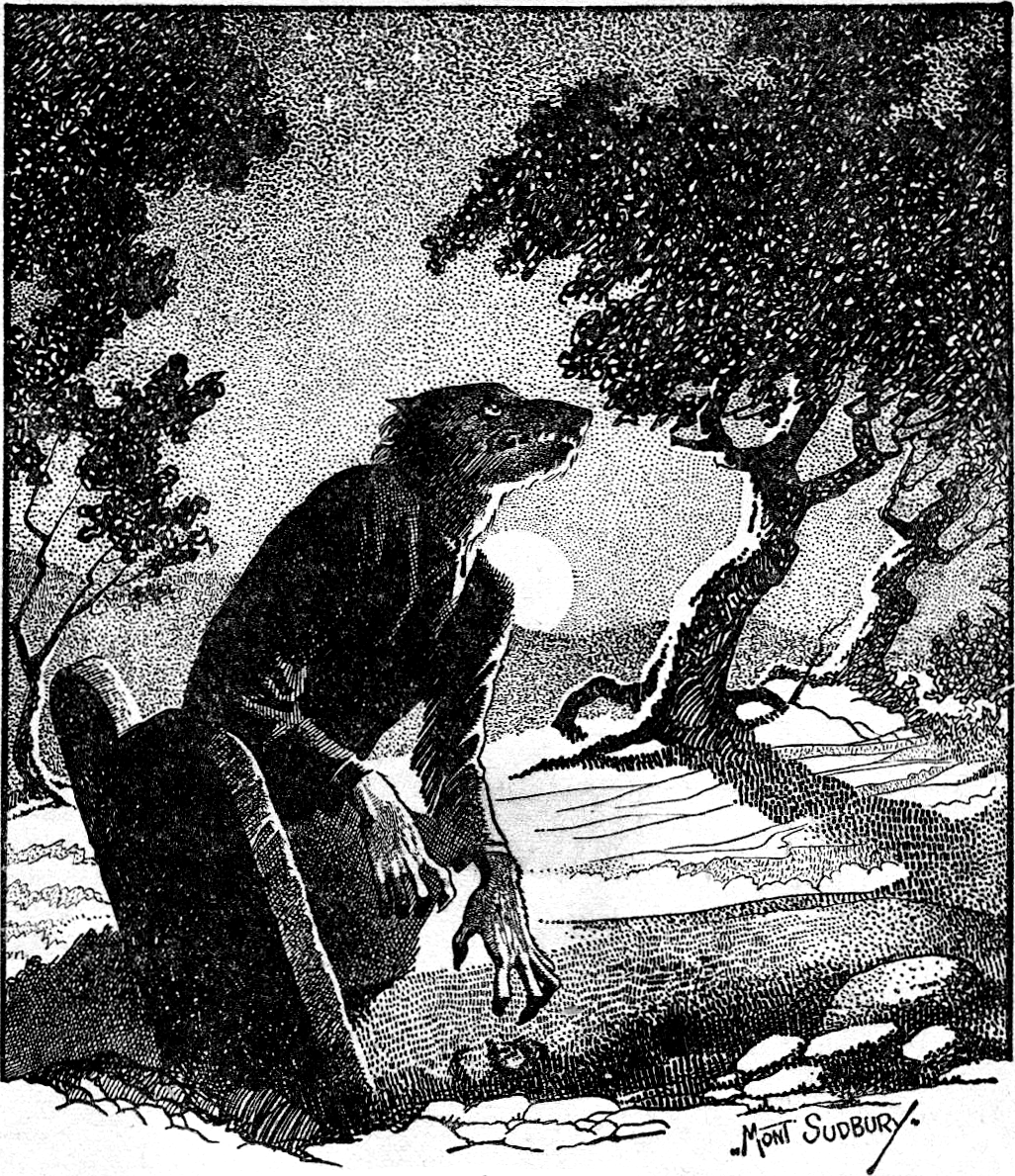 🇫🇷 France and 5 moreWerewolf
A mythical shapeshifter that turns into a wolf, central to European witch-hunts and Gothic horror.Being · Cursing and harm · Wonder and entertainment Legendary
🇫🇷 France and 5 moreWerewolf
A mythical shapeshifter that turns into a wolf, central to European witch-hunts and Gothic horror.Being · Cursing and harm · Wonder and entertainment Legendary
 🇪🇬 Egypt and 1 moreLilithלִילִית
A feminine figure from Mesopotamian and Jewish mythology, often depicted as a night demon or spirit.Being · Cursing and harm Legendary
🇪🇬 Egypt and 1 moreLilithלִילִית
A feminine figure from Mesopotamian and Jewish mythology, often depicted as a night demon or spirit.Being · Cursing and harm Legendary
 🇪🇬 EgyptCurse
A spoken wish for misfortune to befall a person or placeBelief · Cursing and harm · Luck and prosperity Historical
🇪🇬 EgyptCurse
A spoken wish for misfortune to befall a person or placeBelief · Cursing and harm · Luck and prosperity Historical