🇷🇺 Magic in Russia
112 entries from Russia, best known first, across 15 places of magic.
Shamanism in Siberia is a diverse set of practices among indigenous groups, often blending with Islam or Buddhism. It centers on spirit journeys and healing, with distinct traditions among Uralic, Samoyedic, Turkic, and Tungusic peoples.
- Female shaman terms share a root linked to the hearth goddess Etügen.
- Nganasan shamans used three different crowns for different spiritual realms.
- Shamanic songs mimic animal sounds like birds, wolves, and polar bears.
- Skeleton-like dress overlays symbolize shamanic rebirth in several cultures.
- The word 'shaman' derives from Proto-Turkic *bögü via Evenk.
Overview
Siberia is considered the heartland of shamanism, where many ethnic groups maintain these religio-cultural practices today. The tradition is highly diverse, shaped by linguistic families like Uralic, Samoyedic, Turkic, and Tungusic. While some groups have adopted Islam or Buddhism, core elements remain. The practice involves communicating with spirits for healing and guidance. Female shamans are prominent, with linguistic roots suggesting women may have practiced first. The tradition shares features with neighboring cultures, such as the Sami joiks, but retains unique local characteristics in music, dress, and ritual objects.
Practices and beliefs
Shamans undertake spirit journeys to rescue lost souls, reenacting dreams from their training. Healing séances involve mimicking natural sounds, such as bird calls or reindeer noises, to invoke helping spirits. Music includes overtone singing and songs that imitate animals like wolves or polar bears. Divination and contact with upper, lower, or dead worlds are common functions. Specific tools include drums with two transoms and headdresses adorned with effigies of human organs or bones, symbolizing rebirth. Songs often contain magical spell-like mumbling styles.
Rites and charms
Rites include clean tent ceremonies held after the polar night, involving sacrifices. Initiating songs describe the shaman's transformation, mentioning details like a dress with seven vertebrae. Seances are accompanied by women imitating animal sounds to provide fertility or aid the shaman's journey. Shamans wear specific crowns for different realms: upper world, underworld, or childbirth. Rituals often involve transforming into helper animals, such as a polar bear, through sound mimesis and costume.
Who practises
Practitioners include male shamans (böö, saman) and female shamans (udagan), with the latter term sharing a root across many languages. Types of shamans vary by function: those contacting the upper world, the underworld, or the dead. Healers, diviners, and sacral rite specialists are distinguished. Some shamans are chosen through dreams or illness. Historical records note notable figures like Dyukhade Kosterkin. In some groups, like the Ket, shamans are associated with specific helper animals like deer or bears.
Regions and communities
Practices differ by linguistic group. Uralic speakers like the Khanty and Mansi show remnants, while Samoyedic groups like the Nganasans and Nenets maintained living traditions longer. Turkic peoples in Altai and Tuva blend shamanism with Islam or Buddhism. Tungusic groups have their own folklore, such as the Tale of the Nisan Shaman. Regional variations exist in drum structure, headdress design, and the influence of neighboring cultures like Buryat or Abakan-Turkic peoples.
The calendar
Specific rites are tied to seasons, such as the clean tent ceremony after the polar night. Childbirth occasions require specific ceremonial crowns. Life events like death and resurrection are addressed through shamanic intervention. Festivals are not explicitly detailed, but seasonal transitions and community needs drive the timing of seances and sacrifices.
Law and the state
The text does not provide information on legal status, persecution, or state treatment of shamanism in Siberia.
Today
Shamanism persists among indigenous groups, though it has declined in some areas. The last Nganasan seances were recorded in the 1970s. Folklore memories were collected in the 1960s. Some languages, like Kamassian, are extinct, affecting cultural transmission. Modern practitioners maintain traditions, while scholars study historical records and folklore to understand the belief system.
The facts in this overview come from the Wikipedia article "Shamanism in Siberia", written by its contributors and used under the CC BY-SA 4.0 licence. EveryJaadu rewrote the text in its own words, with AI assistance, and compares every page with the article to make sure no passage is copied. It may be reused under the same CC BY-SA 4.0 licence with a link back.
 🇷🇺 Russia and 7 moreSlavic Native FaithРодноверие
A modern polytheistic movement drawing on Slavic folklore, romanticism, and global spiritual traditions.Tradition · Speaking with spirits and the dead · Power and authority Living
🇷🇺 Russia and 7 moreSlavic Native FaithРодноверие
A modern polytheistic movement drawing on Slavic folklore, romanticism, and global spiritual traditions.Tradition · Speaking with spirits and the dead · Power and authority Living
 🇷🇺 Russia and 5 moreBaba YagaБаба Яга
A Slavic witch who lives in a turning hut and flies in a mortarFigure · Cursing and harm · Protection Legendary
🇷🇺 Russia and 5 moreBaba YagaБаба Яга
A Slavic witch who lives in a turning hut and flies in a mortarFigure · Cursing and harm · Protection Legendary
 🇷🇺 RussiaBlack magic
Magic traditionally defined by malevolent intent and selfish purposesBelief · Cursing and harm Historical
🇷🇺 RussiaBlack magic
Magic traditionally defined by malevolent intent and selfish purposesBelief · Cursing and harm Historical
 🇪🇬 Egypt and 5 moreHermetica
A collection of ancient texts attributed to Hermes Trismegistus, covering magic, alchemy and philosophy.Text · Seeing and foretelling · Change and initiation Historical
🇪🇬 Egypt and 5 moreHermetica
A collection of ancient texts attributed to Hermes Trismegistus, covering magic, alchemy and philosophy.Text · Seeing and foretelling · Change and initiation Historical
 🇷🇺 Russia and 2 moreUpiórупіор
A demonic spirit from Slavic and Turkic folklore that is believed to return from the dead to feed on the living.Being · Cursing and harm Historical
🇷🇺 RussiaSlavic folklore
The traditional beliefs and stories of the Slavic peoplesTradition Living
🇷🇺 Russia and 2 moreUpiórупіор
A demonic spirit from Slavic and Turkic folklore that is believed to return from the dead to feed on the living.Being · Cursing and harm Historical
🇷🇺 RussiaSlavic folklore
The traditional beliefs and stories of the Slavic peoplesTradition Living
 🇷🇺 Russia and 4 moreLady MiddayPoludnitsa
A Slavic noon spirit who watches over fields and punishes those who work during the hottest hours.Being · Cursing and harm · Protection Historical
🇷🇺 Russia and 4 moreLady MiddayPoludnitsa
A Slavic noon spirit who watches over fields and punishes those who work during the hottest hours.Being · Cursing and harm · Protection Historical
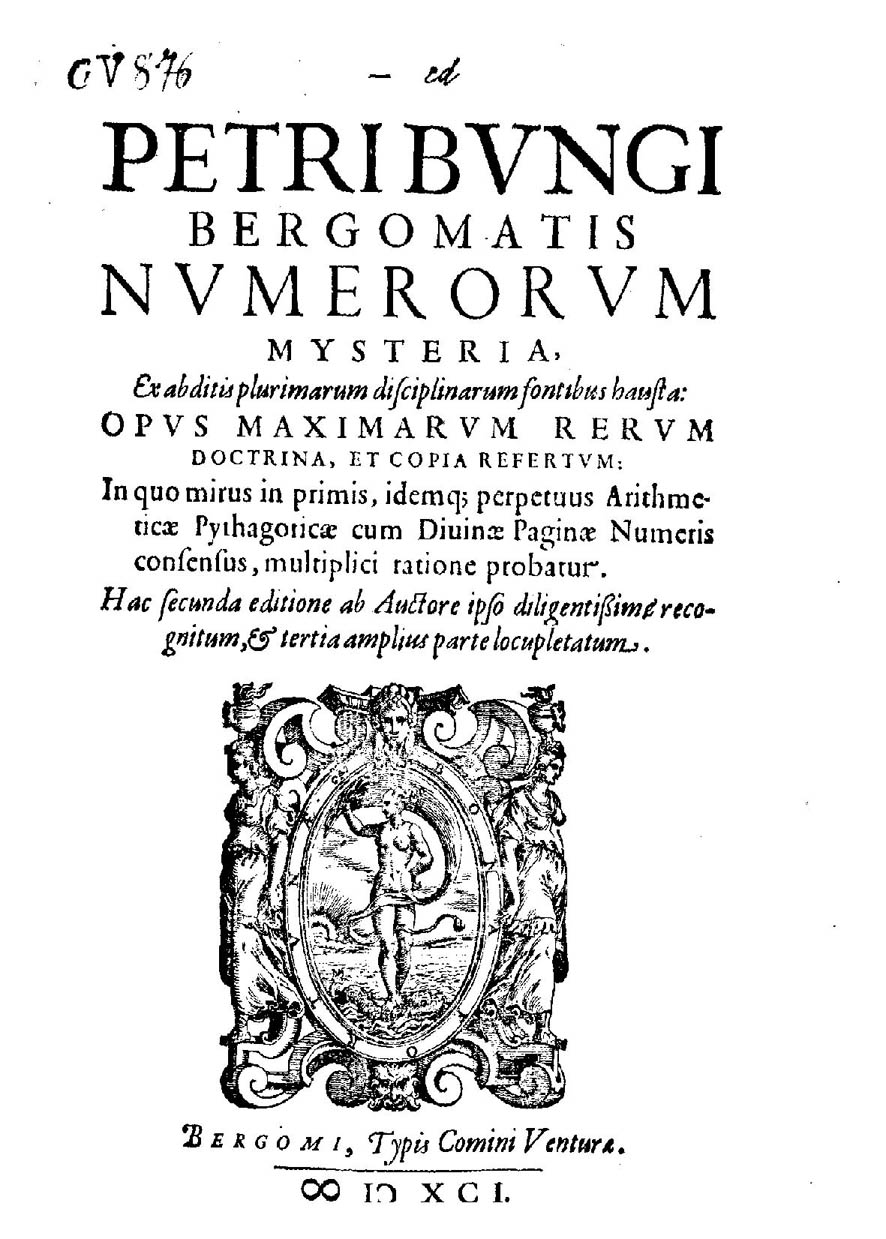 🇬🇷 Greece and 2 moreNumerology
The belief that numbers hold hidden meanings and influence human events.Belief · Seeing and foretelling · Luck and prosperity Historical
🇬🇷 Greece and 2 moreNumerology
The belief that numbers hold hidden meanings and influence human events.Belief · Seeing and foretelling · Luck and prosperity Historical
 🇷🇴 Romania and 5 moreVampire folklore
Global legends of blood-drinking spirits and undead revenantsBelief · Cursing and harm · Protection Historical
🇷🇺 Russia and 3 moreNart sagaНарты кадджытæ
A collection of epic tales from the North Caucasus about a legendary group of heroes.Text · Wonder and entertainment Historical
🇷🇴 Romania and 5 moreVampire folklore
Global legends of blood-drinking spirits and undead revenantsBelief · Cursing and harm · Protection Historical
🇷🇺 Russia and 3 moreNart sagaНарты кадджытæ
A collection of epic tales from the North Caucasus about a legendary group of heroes.Text · Wonder and entertainment Historical
 🇺🇸 United States and 5 moreSatanism
A modern set of beliefs using the figure of Satan as a symbol or deity.Tradition · Power and authority · Cursing and harm Living
🇷🇺 RussiaBlack magic
Magic used for evil or selfish purposes, and the beliefs surrounding itBelief · Cursing and harm Historical
🇺🇸 United States and 5 moreSatanism
A modern set of beliefs using the figure of Satan as a symbol or deity.Tradition · Power and authority · Cursing and harm Living
🇷🇺 RussiaBlack magic
Magic used for evil or selfish purposes, and the beliefs surrounding itBelief · Cursing and harm Historical
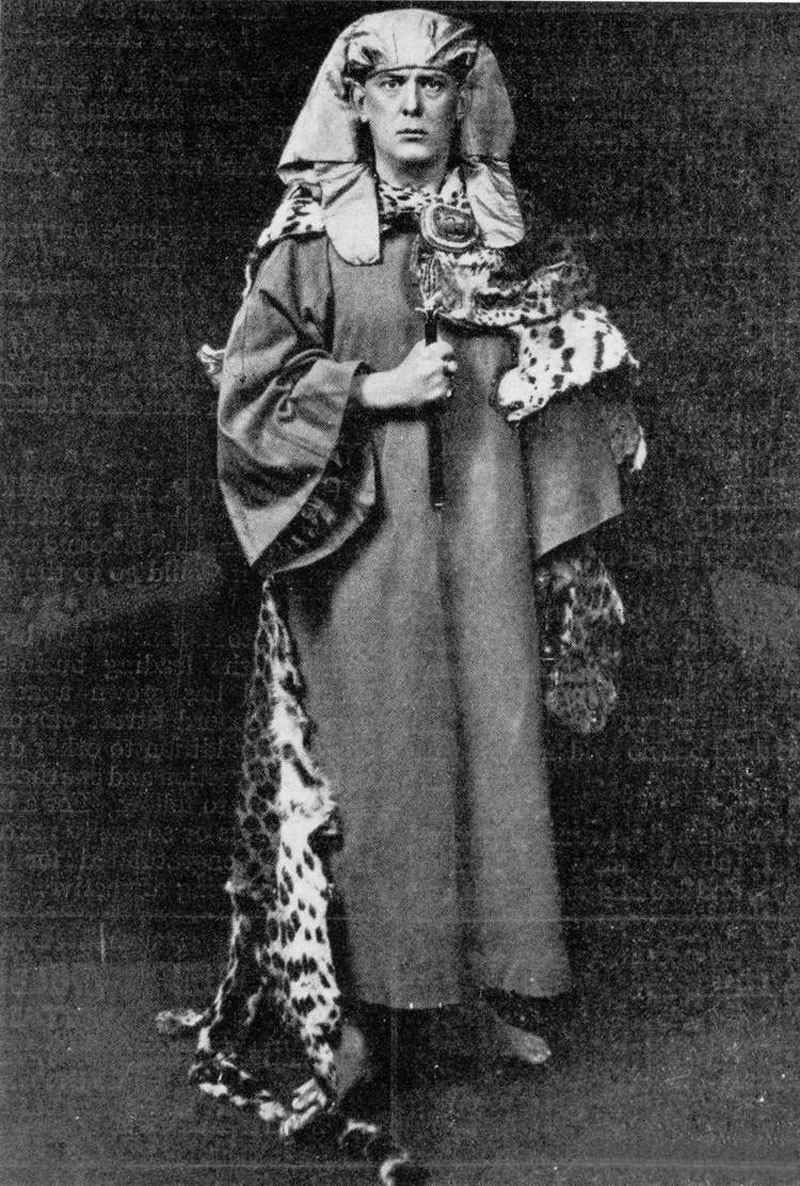 🇪🇬 Egypt and 4 moreThelema
A Western esoteric philosophy centered on discovering and following one's True WillTradition · Change and initiation · Power and authority Living
🇪🇬 Egypt and 4 moreThelema
A Western esoteric philosophy centered on discovering and following one's True WillTradition · Change and initiation · Power and authority Living
 🇷🇺 Russia and 1 moreUnclean forceнечисть
A Slavic term for evil spirits and the undead that inhabit the natural worldBelief · Cursing and harm Historical
🇷🇺 Russia and 1 moreUnclean forceнечисть
A Slavic term for evil spirits and the undead that inhabit the natural worldBelief · Cursing and harm Historical
 🇷🇺 Russia and 5 moreAxe of Perun
Bronze axe-shaped pendants worn in honor of the Slavic god PerunCharm · Power and authority Historical
🇷🇺 Russia and 5 moreAxe of Perun
Bronze axe-shaped pendants worn in honor of the Slavic god PerunCharm · Power and authority Historical
 🇷🇺 Russia and 3 moreChortчёрт
A Slavic demon spirit with horns and hooves, known in folklore as a trickster or minor evil force.Being · Cursing and harm · Luck and prosperity Historical
🇹🇷 Turkey and 4 moreAl BastyAlbastı
A female spirit of guilt and childbirth found in Turkic and Caucasian folkloreBeing · Cursing and harm Historical
🇷🇺 Russia and 3 moreChortчёрт
A Slavic demon spirit with horns and hooves, known in folklore as a trickster or minor evil force.Being · Cursing and harm · Luck and prosperity Historical
🇹🇷 Turkey and 4 moreAl BastyAlbastı
A female spirit of guilt and childbirth found in Turkic and Caucasian folkloreBeing · Cursing and harm Historical
 🇷🇺 RussiaTriple-headed eagle
A heraldic and mythological bird with three heads, appearing in Russian symbolism and European manuscripts.Being · Power and authority Historical
🇷🇺 RussiaHabernitsa
A noon demon of Slavic fields who punishes workers and causes pain.Being · Cursing and harm Historical
🇷🇺 RussiaTriple-headed eagle
A heraldic and mythological bird with three heads, appearing in Russian symbolism and European manuscripts.Being · Power and authority Historical
🇷🇺 RussiaHabernitsa
A noon demon of Slavic fields who punishes workers and causes pain.Being · Cursing and harm Historical
 🇬🇧 United Kingdom and 2 moreBevis of HamptonПовесть о Бове-королевиче
A medieval chivalric romance about a hero's exile and return across Europe and the Near EastText · Wonder and entertainment Historical
🇰🇬 Kyrgyzstan and 2 moreAyaz AtaАяз Ата
A Turkic winter spirit who brings snow and gifts during the cold seasonBeing · Luck and prosperity · Protection Living
🇬🇧 United Kingdom and 2 moreBevis of HamptonПовесть о Бове-королевиче
A medieval chivalric romance about a hero's exile and return across Europe and the Near EastText · Wonder and entertainment Historical
🇰🇬 Kyrgyzstan and 2 moreAyaz AtaАяз Ата
A Turkic winter spirit who brings snow and gifts during the cold seasonBeing · Luck and prosperity · Protection Living
 🇭🇺 Hungary and 1 moreSárkány
A winged reptilian beast from Hungarian folklore, linked to weather and literary heroes.Being · Cursing and harm · Wonder and entertainment Historical
🇱🇹 Lithuania and 3 moreThe Swan Queen
A Lithuanian fairy tale about a bird maiden who becomes human and returns to the skyFigure · Wonder and entertainment Historical
🇭🇺 Hungary and 1 moreSárkány
A winged reptilian beast from Hungarian folklore, linked to weather and literary heroes.Being · Cursing and harm · Wonder and entertainment Historical
🇱🇹 Lithuania and 3 moreThe Swan Queen
A Lithuanian fairy tale about a bird maiden who becomes human and returns to the skyFigure · Wonder and entertainment Historical
 🇷🇺 Russia and 1 moreTelekinesis
A purported psychic ability to move objects with the mind aloneBelief · Wonder and entertainment Historical
🇷🇺 RussiaAugust curse
A Russian belief that severe disasters and national tragedies cluster in the month of August.Belief Living
🇷🇺 Russia and 1 moreTelekinesis
A purported psychic ability to move objects with the mind aloneBelief · Wonder and entertainment Historical
🇷🇺 RussiaAugust curse
A Russian belief that severe disasters and national tragedies cluster in the month of August.Belief Living
 🇷🇺 Russia and 5 moreFiredrakeognennyi zmei
A European dragon myth born from sightings of shooting stars and will-o'-the-wispsBeing · Cursing and harm · Luck and prosperity Historical
🇷🇺 Russia and 5 moreFiredrakeognennyi zmei
A European dragon myth born from sightings of shooting stars and will-o'-the-wispsBeing · Cursing and harm · Luck and prosperity Historical
 🇷🇺 Russia and 1 moreFourth Way
A spiritual path for inner development that does not require leaving ordinary lifeTradition · Change and initiation Living
🇷🇺 Russia and 1 moreFourth Way
A spiritual path for inner development that does not require leaving ordinary lifeTradition · Change and initiation Living
 🇮🇳 India and 1 moreFire (classical element)
A classical substance of heat and transformation in Greek, Indian, and Western esoteric traditionsSubstance · Change and initiation · Power and authority Historical
🇮🇳 India and 1 moreFire (classical element)
A classical substance of heat and transformation in Greek, Indian, and Western esoteric traditionsSubstance · Change and initiation · Power and authority Historical
 🇷🇺 Russia and 2 moreBesomвеник
A twig broom used for sweeping, folk magic, and fire responseCharm · Protection · Wonder and entertainment Living
🇷🇺 Russia and 2 moreVerliokaВерлиока
A cross-eyed monster from East Slavic folk talesFigure · Cursing and harm Historical
🇷🇺 Russia and 2 moreBesomвеник
A twig broom used for sweeping, folk magic, and fire responseCharm · Protection · Wonder and entertainment Living
🇷🇺 Russia and 2 moreVerliokaВерлиока
A cross-eyed monster from East Slavic folk talesFigure · Cursing and harm Historical
Photo credits on this page
The small pictures above come from Wikimedia Commons under free licences. Some are cropped to fit.
- Heinrich Cornelius Agrippa: Jean-Louis Durant (1654-1718), Public domain, source
- Black magic: https://www.flickr.com/photos/eliogarcia/ (nick in flickr:creo que soy, CC BY 2.0, source
- Numerology: Pietro Bongo, Public domain, source
- Sex magic: Unknown author, Public domain, source
- Triple-headed eagle: Неизвестный автор. (фото обложки сборника: Александр Храмов), Public domain, source
- Baba Yaga: Ivan Bilibin, Public domain, source
- Upiór: Віщун, CC BY-SA 4.0, source
- Lady Midday: Віщун, CC BY-SA 4.0, source
- Vampire folklore: Dick Thomas Johnson, CC BY 2.0, source
- Unclean force: Unknown author, Public domain, source
- Axe of Perun: VoivodeZmey, Public domain, source
- Satanism: Alexandre Cabanel, Public domain, source
- Slavic Native Faith: Union of Slavic Rodnover Communities (Союз Славянских Общин Славянской, CC BY-SA 4.0, source
- Firedrake: Ramesh Kumar R, CC BY-SA 4.0, source
- Fourth Way: Londonlinks, CC BY-SA 4.0, source
- Chort: Unknown author, Public domain, source
- Fire (classical element): Correogsk, CC BY-SA 3.0, source
- Bevis of Hampton: Anonymous Unknown author, Public domain, source
- Sárkány: Albrecht Dürer, Public domain, source
- Besom: https://en.wikipedia.org/wiki/David_Cox_(artist), Public domain, source
- Telekinesis: Strobridge Lithographing Co., Public domain, source
The weekly digest
Every Monday: seven entries you may not know, what is on the calendar this week, and one rite drawn step by step.