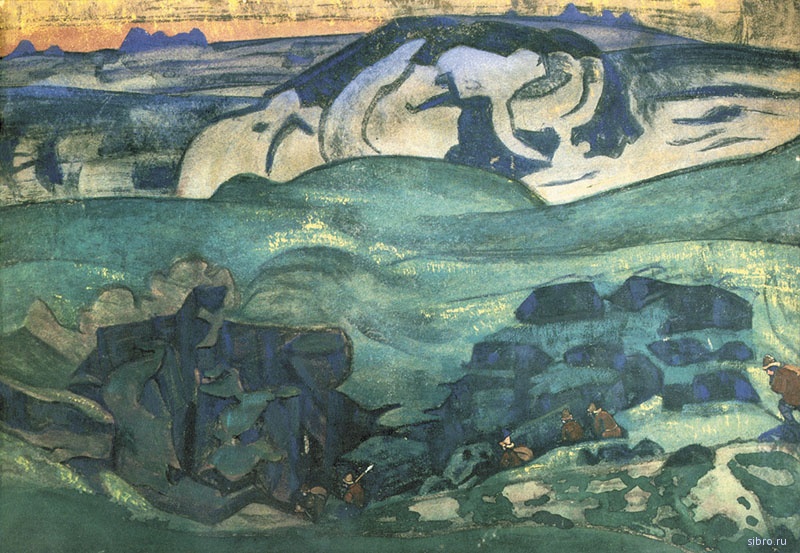
Chud
In its own language: чудь белоглазая
A mythical ancient people of Russian and Finno-Ugric folklore
The Chud are legendary beings from the folklore of Russia and its northern neighbors. They are described as short, wealthy ancestors who vanished underground to escape colonization and forced conversion.
- Described as short, wealthy people with white eyes
- Vanished underground to avoid baptism and taxes
- Central to Komi origin myths of a lost perfect world
- Associated with ancient Finno-Ugric populations
- Remembered as fierce resistors of Slavic expansion
What it is
The Chud are a group of mythical figures found in the oral traditions of Russia and various Finno-Ugric peoples. They are often characterized as an ancient race of short-statured individuals possessing great wealth. In many accounts, they are described as having white eyes, though some Komi variants depict them with black skin and shaggy hair. These beings represent a pre-human or ancestral era that existed before the current world order was established by modern humans.
Where it comes from
Scholars suggest these legends stem from ancient stories about the displacement or extinction of indigenous populations. The narratives likely preserve memories of early inhabitants of the region who were assimilated or displaced by Slavic settlers. Different ethnic groups interpret these origins differently; for the Komi and Mordvins, the Chud are revered ancestors, while among Russians and Sámi, they are often portrayed as foolish or primitive figures.
Chud, drawn and placed
- Living
- Revived
- Fading
- Historical
- Legendary
- Performed
- Lineage
- Finno-Ugric folklore
Peoples and places
Among the Komi, the Chud are central to creation myths involving a perfect world ruined by their own clumsy actions. For the Sámi and Mansi, similar legends exist regarding other ancient peoples like the Sabirs or Buruts. In Russian folklore, particularly in regions like Zavolochye and Verkhokamye, the Chud are remembered as fierce defenders who resisted Christianization and Russian rule, eventually disappearing into the earth rather than submitting to new authorities.
At a glance: who, where and when
What people believe
The worldview behind these tales involves a transition from a primordial state to the current imperfect one. In Komi lore, a perfect world without death or famine was corrupted when the Chud offended the sky God through destructive behavior. This caused the sky to rise, crops to fail, and the Chud to vanish, replaced by humans who gained logic but lost the ease of existence. The Chud are sometimes said to have become demons or hidden underground.
How scholars and sceptics see it
Researchers view the Chud legends as ethnographic records of cultural contact and conflict. The figure likely originated from historical interactions between Slavic settlers and Finno-Ugric tribes such as the Ves and Meryans. The term may have been used by newcomers to describe unfamiliar indigenous groups. The variation in descriptions, from white-eyed to black-skinned, reflects the diverse ethnic composition of the peoples encountered in the Urals and Northern Russia.
Compare and confuse
The Chud are similar to other mythical ancient races found in European folklore, such as the dwarves or elves, who are often depicted as skilled craftsmen or guardians of treasure. Unlike these figures, however, the Chud are specifically tied to the history of Russian expansion and the displacement of local Finno-Ugric cultures. They serve as a narrative device to explain the presence of ancient mounds and ruins in the landscape.
Today
Today, the Chud remain a subject of interest in folklore studies and regional history. They are referenced in literature and academic discussions about the identity of the Komi, Udmurt, and other northern peoples. The legends continue to be told as part of the cultural heritage of these communities, preserving the memory of their ancestors and their resistance to external domination.
Questions people ask about Chud
Who are the Chud?
The Chud are mythical ancient people from Russian and Finno-Ugric folklore. They are typically described as short, wealthy beings with white eyes who lived in the forests before vanishing underground.
Why did the Chud disappear?
Legends say they went underground to hide their wealth and avoid forced conversion to Christianity and taxation by the Russian tsar. Some stories claim they died by suicide rather than submit to invaders.
Are the Chud real people?
They are legendary figures representing ancestral populations. Scholars believe the myths preserve memories of actual Finno-Ugric tribes like the Ves and Meryans who were assimilated by Slavic settlers.
Good reading and sources
The facts on this page come from the Wikipedia article "Chud (folklore)", written by its contributors and used under the CC BY-SA 4.0 licence, and from its Wikidata record (CC0). EveryJaadu rewrote the text in its own words, with AI assistance, and compares every page with the article to make sure no passage is copied. It may be reused under the same CC BY-SA 4.0 licence with a link back.
It may contain mistakes. Names and customs differ from one community to the next, and some knowledge is closed to outsiders and left out here. This page describes belief and practice. It does not say that any of it works, it is not a how-to, and it is not medical advice. If something is wrong, tell us. Last refreshed 2026-10-26.
More from Russia
All the entries from Russia 🇷🇺 Russia and 3 moreFirebird
A glowing bird of Slavic folklore that brings both fortune and peril to those who seek itFigure · Wonder and entertainment · Luck and prosperity Legendary
 🇷🇺 Russia and 4 moreBaba Yaga
A complex Slavic witch figure who lives in a moving hut and flies in a mortar.Figure · Cursing and harm · Protection Legendary
 🇷🇺 RussiaGolden apple
A mythical fruit that sparks quests, wars, and linguistic confusion across culturesFigure · Cursing and harm · Luck and prosperity Legendary
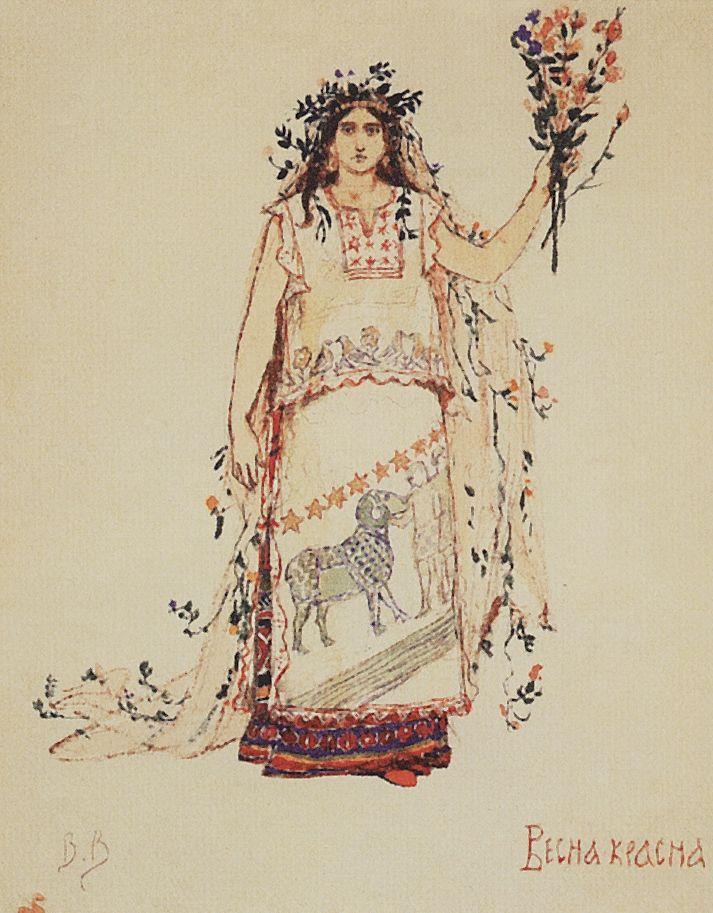 🇸🇮 Slovenia and 5 moreVesnaВесна
A Slavic personification of spring and youth, known in myth and languageFigure · Luck and prosperity Historical
Related elsewhere
All figure 🇮🇳 India and 2 moreGorakhnathगोरक्षनाथ
A Hindu yogi and saint who founded the Nath monastic order in India.Figure · Power and authority · Speaking with spirits and the dead Living
🇨🇳 ChinaZhang Jue張角
A Taoist leader who used healing magic to spark a major rebellion in ancient China.Figure · Healing · Power and authority Historical
 🇮🇩 IndonesiaRangdaᬭᬗ᭄ᬤ
A Balinese demon queen who leads witches in an eternal battle against good.Being · Cursing and harm · Wonder and entertainment Legendary