
Magic
from Greek mageia, referring to Persian priests
A performance art using natural means to create the appearance of impossible feats
Audiences are entertained by tricks that seem to defy physical laws. The practice relies on psychology and mechanics rather than supernatural forces.
- Jean-Eugène Robert-Houdin opened a magic theatre in Paris in 1845.
- The Magic Circle was founded in London in 1905 to promote the art.
- Reginald Scot's 1584 book explained tricks to debunk witchcraft fears.
- Harry Houdini became famous for escapology and escape stunts.
- Modern magicians use social media to reach wider global audiences.
What it is
This is a performing art where audiences watch tricks that appear to break the rules of nature. It uses natural methods to create effects that look impossible. The practice includes close-up work for small groups and parlor magic for medium crowds. It is distinct from supernatural beliefs because it relies on skill and engineering. One of the oldest forms of entertainment in human history, it focuses on wonder and surprise.
Where it comes from
The word comes from the Greek term mageia, which described Persian priests known as magoi. Ancient Greeks used the term for foreign rituals. Over time, it applied to any unorthodox practice. Early tricksters were seen as having special powers. The first books explaining these secrets appeared in the sixteenth century. Reginald Scot published one in 1584 to show how tricks worked naturally.
Tools and materials
Magicians utilize various props to achieve their effects. Coins, ropes, and paper are common for sleight-of-hand routines. Silk handkerchiefs change color or multiply. Mechanical automata move like living beings. Cards are shuffled and predicted. Large stage shows use assistants and exotic animals. Escapologists use straitjackets and locks. Modern acts may involve digital media and social platforms.
Magic, drawn and placed
- Living
- Revived
- Fading
- Historical
- Legendary
- Performed
- Lineage
- Performing arts
- Timing
- theatrical performances, television broadcasts, internet streams
What it is for
The primary goal is to entertain and amaze spectators. Performers aim to create moments of disbelief and joy. Historically, some used fear of the occult to gain obedience. Today, the focus is purely on theatrical enjoyment. Audiences pay to experience wonder and have their expectations challenged by skilled deception.
Who does it
Professional illusionists train through formal schools and informal mentorship. Many guard their specific methods closely. Some share techniques within the magic community. The profession has seen a rise in female performers recently. Famous figures include Jean-Eugène Robert-Houdin and Harry Houdini. Training involves mastering dexterity, psychology, and showmanship.
Peoples and places
The art form has global reach but originated in Western traditions. It flourished in Europe during the nineteenth century. American vaudeville and Broadway stages popularized large-scale shows. Magicians adapted to television and the internet to reach modern audiences. Different cultures have incorporated local styles into the global practice.
At a glance: who, where and when
Who does it
Belief worlds


What people believe
Secular audiences understand these acts as skilled deceptions. There is no belief in actual supernatural power behind the tricks. Spectators enjoy the mystery while knowing natural laws apply. The performance relies on the gap between perception and reality. Viewers appreciate the ingenuity required to fool the eye and mind.
When it is done
Performances occur at scheduled times in theaters and venues. Special events and festivals often feature magic acts. Television specials air on specific broadcast dates. Internet content is released according to creator schedules. Historical fairs once hosted itinerant performers year-round.
How scholars and sceptics see it
Researchers study the psychological impact of misdirection. Historians track the evolution of stagecraft and technology. Sociologists examine the cultural role of entertainment. Critics analyze the ethical boundaries of deception. The field intersects with cognitive science regarding attention and perception.
Cautions and what is closed
Performers must ensure safety during dangerous stunts. Escapology carries inherent risks if equipment fails. Large props require careful handling to avoid injury. Fraudulent claims about supernatural abilities can harm public trust. Professional ethics codes discourage revealing methods to protect the art.
Compare and confuse
It differs from supernatural magic, which claims real spiritual power. It also contrasts with stage combat or acrobatics, which lack deceptive intent. Close-up magic shares intimacy with street performance. Parlor magic bridges the gap between intimate and large-stage acts.
Questions people ask about Magic
What is the origin of the word magic?
It derives from the Greek mageia, describing Persian priests called magoi. The term originally referred to foreign rituals and later to any unorthodox practice.
How does magic differ from supernatural beliefs?
Magic uses natural means like psychology and mechanics. Supernatural magic claims spiritual power. Audiences know stage magic is a skilled deception.
Who pioneered modern entertainment magic?
Jean-Eugène Robert-Houdin transformed the art in the nineteenth century. He moved it from fairs to professional theaters. His work established the modern theatrical format.
What techniques do magicians use?
They employ sleight of hand, misdirection, and hidden compartments. Optical illusions and psychological suggestion guide audience perception. Props like cards and ropes facilitate the effects.
Good reading and sources
- Magic (illusion) on WikipediaEncyclopedia
- More photos on Wikimedia CommonsPhotos and video
- Wikidata recordOpen data
The facts on this page come from the Wikipedia article "Magic (illusion)", written by its contributors and used under the CC BY-SA 4.0 licence, and from its Wikidata record (CC0). EveryJaadu rewrote the text in its own words, with AI assistance, and compares every page with the article to make sure no passage is copied. It may be reused under the same CC BY-SA 4.0 licence with a link back.
It may contain mistakes. Names and customs differ from one community to the next, and some knowledge is closed to outsiders and left out here. This page describes belief and practice. It does not say that any of it works, it is not a how-to, and it is not medical advice. If something is wrong, tell us. Last refreshed 2026-10-07.
More from the United States
All the entries from the United States 🇺🇸 United StatesSociety of American Magicians
A global professional group for magicians that preserves the art and ethics of stage illusionIllusion · Wonder and entertainment Living
🇺🇸 United States and 1 moreHorace Goldin
A stage magician known for his fast style and the sawing illusion.Illusion · Wonder and entertainment Historical
🇺🇸 United StatesSociety of American Magicians
A global professional group for magicians that preserves the art and ethics of stage illusionIllusion · Wonder and entertainment Living
🇺🇸 United States and 1 moreHorace Goldin
A stage magician known for his fast style and the sawing illusion.Illusion · Wonder and entertainment Historical
 🇺🇸 United States and 1 moreChung Ling Soo程連蘇
An American stage magician who performed as a Chinese man and died during a bullet catch illusion.Illusion · Wonder and entertainment Historical
🇺🇸 United States and 1 moreChung Ling Soo程連蘇
An American stage magician who performed as a Chinese man and died during a bullet catch illusion.Illusion · Wonder and entertainment Historical
Related elsewhere
All illusion 🇬🇧 United Kingdom and 2 moreKing ArthurBrenin Arthur
A legendary British king and folk hero of medieval literature and Welsh mythologyFigure · Power and authority · Wonder and entertainment Legendary
🇬🇧 United Kingdom and 2 moreKing ArthurBrenin Arthur
A legendary British king and folk hero of medieval literature and Welsh mythologyFigure · Power and authority · Wonder and entertainment Legendary
 🇪🇬 Egypt and 1 moreSphinx
A mythical hybrid with a human head and lion body, serving as guardian or riddler in Egyptian and Greek traditions.Being · Protection · Wonder and entertainment Legendary
🇪🇬 Egypt and 1 moreSphinx
A mythical hybrid with a human head and lion body, serving as guardian or riddler in Egyptian and Greek traditions.Being · Protection · Wonder and entertainment Legendary
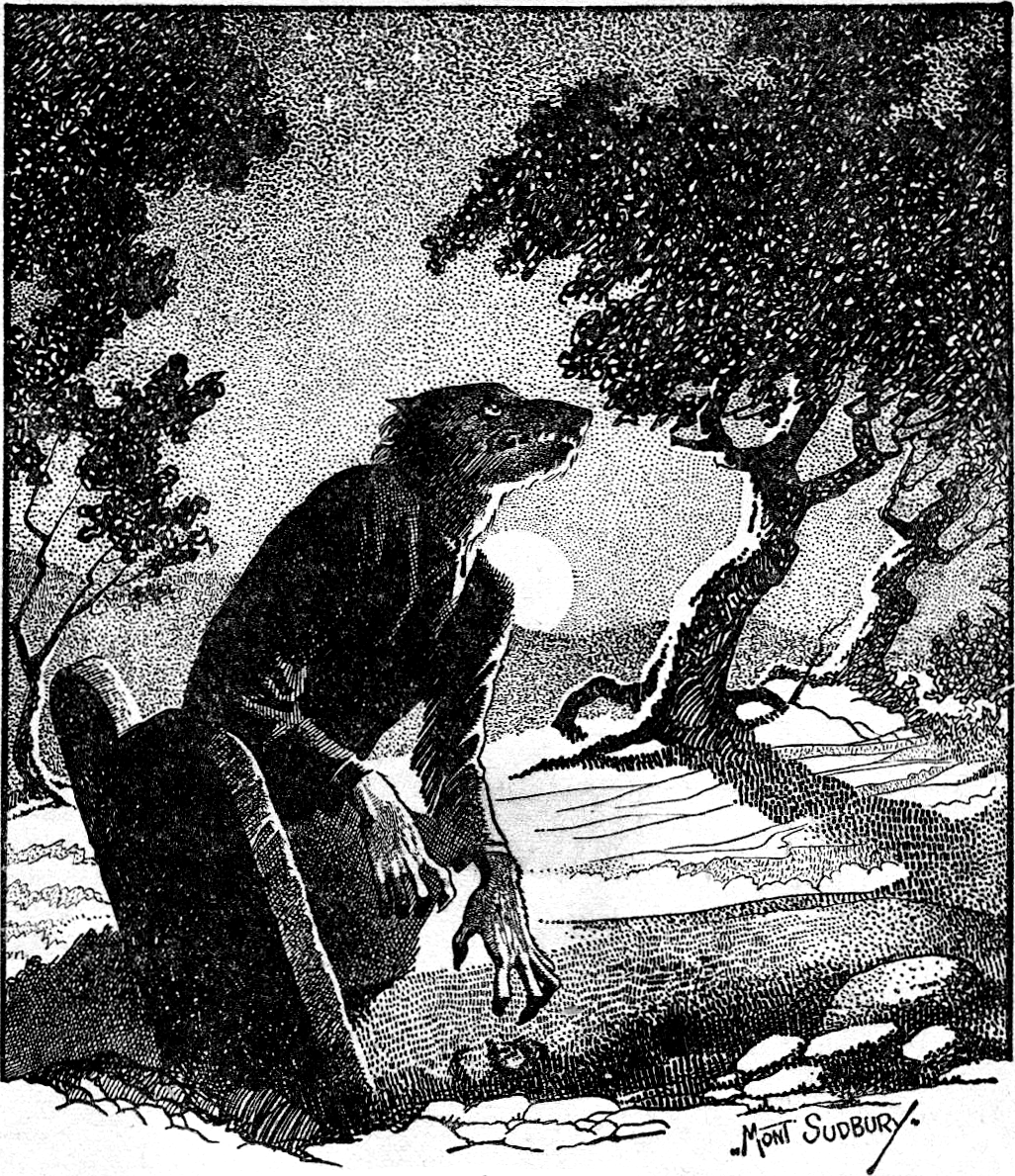 🇫🇷 France and 5 moreWerewolf
A mythical shapeshifter that turns into a wolf, central to European witch-hunts and Gothic horror.Being · Cursing and harm · Wonder and entertainment Legendary
🇫🇷 France and 5 moreWerewolf
A mythical shapeshifter that turns into a wolf, central to European witch-hunts and Gothic horror.Being · Cursing and harm · Wonder and entertainment Legendary
 🇪🇸 Spain and 5 moreSt John's Eve
A Christian vigil marked by bonfires and plant gathering on the summer solstice eveRite · Protection · Speaking with spirits and the dead Living
🇪🇸 Spain and 5 moreSt John's Eve
A Christian vigil marked by bonfires and plant gathering on the summer solstice eveRite · Protection · Speaking with spirits and the dead Living