🇷🇺 Magic in Russia
137 entries from Russia, best known first, across 22 places of magic.
Shamanism in Siberia is a diverse set of practices among indigenous groups, often blending with Islam or Buddhism. It centers on spirit journeys and healing, with distinct traditions among Uralic, Samoyedic, Turkic, and Tungusic peoples.
- Female shaman terms share a root linked to the hearth goddess Etügen.
- Nganasan shamans used three different crowns for different spiritual realms.
- Shamanic songs mimic animal sounds like birds, wolves, and polar bears.
- Skeleton-like dress overlays symbolize shamanic rebirth in several cultures.
- The word 'shaman' derives from Proto-Turkic *bögü via Evenk.
Overview
Siberia is considered the heartland of shamanism, where many ethnic groups maintain these religio-cultural practices today. The tradition is highly diverse, shaped by linguistic families like Uralic, Samoyedic, Turkic, and Tungusic. While some groups have adopted Islam or Buddhism, core elements remain. The practice involves communicating with spirits for healing and guidance. Female shamans are prominent, with linguistic roots suggesting women may have practiced first. The tradition shares features with neighboring cultures, such as the Sami joiks, but retains unique local characteristics in music, dress, and ritual objects.
Practices and beliefs
Shamans undertake spirit journeys to rescue lost souls, reenacting dreams from their training. Healing séances involve mimicking natural sounds, such as bird calls or reindeer noises, to invoke helping spirits. Music includes overtone singing and songs that imitate animals like wolves or polar bears. Divination and contact with upper, lower, or dead worlds are common functions. Specific tools include drums with two transoms and headdresses adorned with effigies of human organs or bones, symbolizing rebirth. Songs often contain magical spell-like mumbling styles.
Rites and charms
Rites include clean tent ceremonies held after the polar night, involving sacrifices. Initiating songs describe the shaman's transformation, mentioning details like a dress with seven vertebrae. Seances are accompanied by women imitating animal sounds to provide fertility or aid the shaman's journey. Shamans wear specific crowns for different realms: upper world, underworld, or childbirth. Rituals often involve transforming into helper animals, such as a polar bear, through sound mimesis and costume.
Who practises
Practitioners include male shamans (böö, saman) and female shamans (udagan), with the latter term sharing a root across many languages. Types of shamans vary by function: those contacting the upper world, the underworld, or the dead. Healers, diviners, and sacral rite specialists are distinguished. Some shamans are chosen through dreams or illness. Historical records note notable figures like Dyukhade Kosterkin. In some groups, like the Ket, shamans are associated with specific helper animals like deer or bears.
Regions and communities
Practices differ by linguistic group. Uralic speakers like the Khanty and Mansi show remnants, while Samoyedic groups like the Nganasans and Nenets maintained living traditions longer. Turkic peoples in Altai and Tuva blend shamanism with Islam or Buddhism. Tungusic groups have their own folklore, such as the Tale of the Nisan Shaman. Regional variations exist in drum structure, headdress design, and the influence of neighboring cultures like Buryat or Abakan-Turkic peoples.
The calendar
Specific rites are tied to seasons, such as the clean tent ceremony after the polar night. Childbirth occasions require specific ceremonial crowns. Life events like death and resurrection are addressed through shamanic intervention. Festivals are not explicitly detailed, but seasonal transitions and community needs drive the timing of seances and sacrifices.
Law and the state
The text does not provide information on legal status, persecution, or state treatment of shamanism in Siberia.
Today
Shamanism persists among indigenous groups, though it has declined in some areas. The last Nganasan seances were recorded in the 1970s. Folklore memories were collected in the 1960s. Some languages, like Kamassian, are extinct, affecting cultural transmission. Modern practitioners maintain traditions, while scholars study historical records and folklore to understand the belief system.
The facts in this overview come from the Wikipedia article "Shamanism in Siberia", written by its contributors and used under the CC BY-SA 4.0 licence. EveryJaadu rewrote the text in its own words, with AI assistance, and compares every page with the article to make sure no passage is copied. It may be reused under the same CC BY-SA 4.0 licence with a link back.
Places of magic in Russia
 🇧🇷 Brazil and 5 moreAmethyst
A violet quartz variety historically believed to guard against drunkenness and used in ritual jewelry.Substance · Protection · Power and authority Living
 🇯🇵 Japan and 1 moreAinu religion
The animist spiritual beliefs and ritual practices of the Ainu people of Japan and RussiaTradition · Protection · Speaking with spirits and the dead Living
 🇬🇷 Greece and 5 morePrayer beads
Beaded strands used across religions to track the number of recited prayers or chants.Tradition · Speaking with spirits and the dead · Power and authority Living
 🇬🇧 United Kingdom and 2 moreAdder stone
A naturally perforated stone used as a protective talisman in European folkloreCharm · Protection · Luck and prosperity Historical
 🇮🇹 Italy and 5 moreFig sign
A hand gesture used to ward off the evil eye or as an insult in many culturesBelief · Protection · Cursing and harm Living
 🇷🇺 Russia and 5 moreSlavic religion
The pre-Christian beliefs of the Slavic peoples before their conversion to Christianity.Tradition · Protection · Healing Revived
 🇷🇺 Russia and 12 moreSlavic Native FaithРодноверие
A modern polytheistic movement drawing on Slavic folklore, romanticism, and global spiritual traditions.Tradition · Speaking with spirits and the dead · Power and authority Living
 🇱🇹 Lithuania and 5 moreAmber
Fossilized tree resin used in jewelry and folk healing since ancient timesSubstance · Healing · Luck and prosperity Living
 🇷🇺 Russia and 1 moreCaul
A birth membrane kept as a talisman for luck and protection from drowningCharm · Protection · Luck and prosperity Historical
 🇷🇺 Russia and 2 moreDomovoyДомовой
A household spirit in Slavic folklore that guards the family and home.Being · Protection · Seeing and foretelling Historical
 🇬🇧 United Kingdom and 5 moreConcealed shoes
Shoes hidden in building structures as folk charms for protection and fertilityCharm · Protection · Speaking with spirits and the dead Historical
 🇲🇽 Mexico and 3 moreFolk saint
Unofficially recognized holy figures venerated by local communities for intercession and miraclesBelief · Protection · Healing Living
 🇷🇺 Russia and 4 moreFolk Orthodoxyнародное православие
A blend of Eastern Orthodox doctrine and pre-Christian pagan beliefs in Slavic communitiesTradition · Protection · Luck and prosperity Living
🇷🇺 RussiaAugust curse
A Russian belief that severe disasters and national tragedies cluster in the month of August.Belief Living
 🇩🇪 Germany and 4 moreAnimal TarotTiertarock
A family of playing card decks featuring animal imagery instead of traditional tarot scenesTradition · Luck and prosperity Living
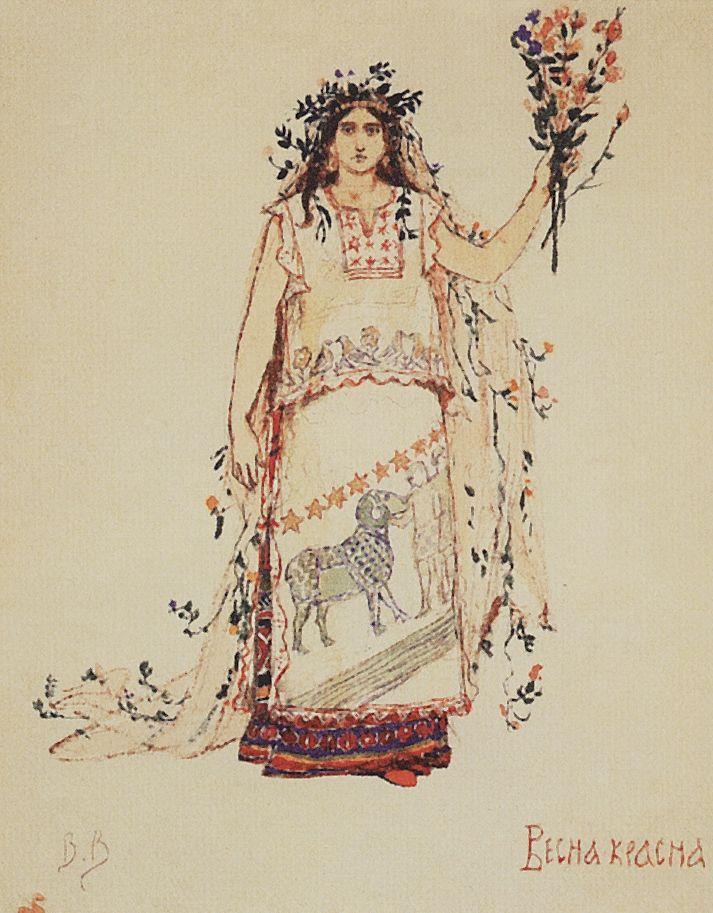 🇸🇮 Slovenia and 5 moreVesnaВесна
A Slavic personification of spring and youth, known in myth and languageFigure · Luck and prosperity Historical
🇷🇺 Russia and 4 moreFiery serpentsогненный змей
A pan-Slavic spirit of fire and wind, seen as a demon or a household helperBeing · Cursing and harm · Luck and prosperity Historical
 🇷🇺 Russia and 5 moreRinging Cedars' Anastasianismдвижение «Анастасия»
A Russian new religious movement based on books about a Siberian mystic and nature worshipTradition · Protection · Speaking with spirits and the dead Living
 🇷🇺 Russia and 12 moreOgnyena MariaОгнена Марија
A Slavic fire goddess linked to lightning, rain, and seasonal fire bansFigure · Protection · Healing Living
🇷🇺 Russia and 3 moreYehowistsильинцы
A Russian Spiritual Christian group founded by Nikolai Ilyin in the 1840sTradition · Protection · Speaking with spirits and the dead Living
🇷🇺 Russia and 1 moreNew IsraelНовый Израиль
A Russian sectarian movement that established a farming commune in UruguayTradition Living
🇧🇬 Bulgaria and 5 moreApocryphal prayer
A folk prayer text blending church forms with apocrypha and incantations for protection and healingText · Protection · Healing Living
 🇵🇱 Poland and 4 moreMoranaМорена
A Slavic goddess of winter and death, whose effigy is drowned to welcome springFigure · Cursing and harm · Power and authority Living
 🇷🇺 Russia and 2 moreBesomвеник
A twig broom used for sweeping, folk magic, and fire responseCharm · Protection · Wonder and entertainment Living
🇷🇺 RussiaAiyАйыы (Ayıı)
Benevolent spirits of the Upper World in Yakut mythologyBeing · Speaking with spirits and the dead · Power and authority Living
🇮🇳 India and 2 moreBlack Orlov
A black diamond linked to a legend of theft and tragic deathsCharm · Cursing and harm Historical
🇺🇸 United States and 3 more11:11
A clock time believed to signal spiritual alignment or synchronicity in numerology and New Age thoughtBelief · Wonder and entertainment · Power and authority Living
🇷🇺 Russia and 1 moreThree on a match
A wartime taboo against three people lighting cigarettes from one flameBelief · Cursing and harm Historical
🇬🇧 United Kingdom and 1 moreElder Mother
A guardian spirit of elder trees in English and Scandinavian folkloreBeing · Protection · Cursing and harm Historical
 🇦🇱 Albania and 3 moreCross necklace
A pendant bearing the Christian cross worn as a sign of faith or protection.Charm · Protection · Power and authority Living
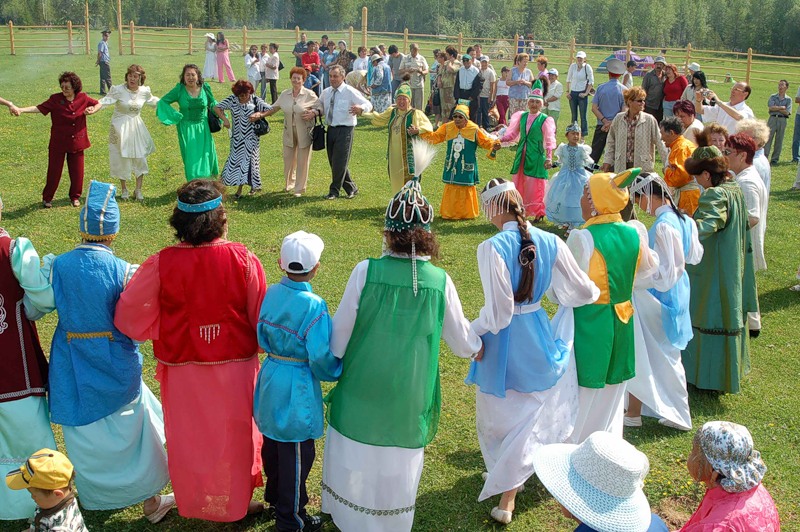 🇷🇺 RussiaYhyakhЫһыах
A summer solstice festival of the Sakha people marking the new year and nature's returnTradition · Luck and prosperity · Speaking with spirits and the dead Living
 🇮🇹 Italy and 5 moreCrucifix
A cross bearing the figure of Jesus, central to Christian worship and artText · Power and authority Living
Photo credits on this page
The small pictures above come from Wikimedia Commons under free licences. Some are cropped to fit.
- Vesna: Viktor Vasnetsov, Public domain, source
- Ainu religion: Unknown author, Public domain, source
- Caul: JC Brand, CC BY-SA 4.0, source
- Amber: uploaded with permission, CC BY-SA 3.0, source
- San La Muerte: Sergio Serrano, CC BY-SA 2.0, source
- Fig sign: Harald the Bard, CC BY-SA 4.0, source
- Prayer beads: ja:利用者:pack372sd, CC BY-SA 3.0, source
- Ognyena Maria: Unknown author, Public domain, source
- Amethyst: JJ Harrison ( https://jjharrison.com.au/ ), CC BY-SA 3.0, source
- Slavic religion: Alphonse Mucha, Public domain, source
- Animal Tarot: Cards: anonymous; Photo: Andreas Praefcke, Public domain, source
- Slavic Native Faith: Union of Slavic Rodnover Communities (Союз Славянских Общин Славянской, CC BY-SA 4.0, source
- Ringing Cedars' Anastasianism: Лобачев Владимир, CC BY-SA 3.0, source
- Folk Orthodoxy: Лобачев Владимир, CC BY-SA 4.0, source
- Domovoy: Ivan Bilibin, Public domain, source
- Adder stone: Ansgar Koreng, CC BY-SA 3.0 de, source
- Morana: Marta Malina Moraczewska, CC BY-SA 4.0, source
- Concealed shoes: Edmund Patrick, CC BY-SA 3.0, source
- Cross necklace: paterm, CC BY-SA 4.0, source
- Crucifix: Turismo Bahia, CC BY-SA 2.0, source
- Besom: https://en.wikipedia.org/wiki/David_Cox_(artist), Public domain, source
- Yhyakh: Humano92, Public domain, source
The weekly digest
Every Monday: seven entries you may not know, what is on the calendar this week, and one rite drawn step by step.