Yel iyesi
In its own language: Ҫил ийи (Chuvash), Тыал иччи (Yakut)
from Turkic 'yel' (wind) and 'iye' (familiar spirit)
A Turkic wind spirit and its divine parents, known for healing and fierce power.
Yel iyesi is a Turkic deity of the wind, appearing as a beautiful maiden or a fierce warrior. The name combines 'yel' for wind and 'iye' for a familiar spirit. It is part of a broader family that includes Yel Ana and Yel Ata in Turkic and Mongolian traditions.
- Name means wind familiar spirit in Turkic languages.
- Appears as a beautiful maiden in white robes.
- Shamans spin to symbolize whirlwinds.
- Silver is the sacred metal of Yel Ata.
- Associated with healing and prophecy.
What it is
Yel iyesi is a spirit of the wind found in Turkic mythology. It is often described as a fairy-like female figure living in the wilderness or clouds. These spirits are believed to be the souls of women who were frivolous in life. They appear as beautiful maidens in white robes. Despite their gentle look, they are fierce warriors. Their voices can create powerful gusts of wind. They possess healing abilities and can predict the future. Some traditions view them as helpful to humans.
Where it comes from
The name comes from the Turkic words 'yel' meaning wind and 'iye' meaning a familiar spirit. In some stories, these spirits are the transformed souls of women. The concept extends to other figures like Yel Ana and Yel Ata. These names appear in Chuvash, Yakut, and Turkish cultures. Similar entities exist in Mongolian belief systems. The Hungarian folklore also features related wind queens and kings.
How it is done
Shamans, known as Kams, were believed to control the weather through possession by wind spirits. A key movement in their ceremonies was spinning on one foot to symbolize a whirlwind. People would blow a light wind to appeal to supernatural forces. Before military campaigns, ancient Turkic communities visited temples dedicated to Yel Ata. They made sacrifices there to ask for victory and protection from the wind god.
Tools and materials
The spirits are associated with white dresses and sparkling fabrics. Yel Ata is described with armor and weapons made of pure silver. Silver is considered his sacred metal. The shamans use spinning movements to represent wind energy. Blowing air is used as a ritual gesture. The wind itself is seen as a carrier of Kut, which is spiritual energy.
Yel iyesi, drawn and placed
- Living
- Revived
- Fading
- Historical
- Legendary
- Performed
- Lineage
- Turkic mythology
- Timing
- before military campaigns
What it is for
The spirits are sought for healing and prophecy. Shamans use the connection to gain Kut, a form of natural and spiritual power. The wind god is trusted for energy and strength. In some beliefs, the wind brings diseases, so controlling it protects people. Military leaders seek the wind god's favor for success in battle. The spirits can also cause harm if angered.
Who does it
Kams, or shamans, are the primary practitioners. They undergo possession by wind spirits to gain power. Spinning during rituals is a key practice for them. Ancient Turkic soldiers and leaders also interacted with the wind deities. They visited specific temples to make offerings. The shamans are viewed as sacred persons with special skills.
Peoples and places
The belief is widespread among Turkic peoples. It appears in Chuvash, Yakut, and Turkish traditions. The Mongolian culture has similar figures called Salhi Eej. Hungarian folklore includes Szelanya and Szelatya. These figures share the meaning of wind mother or father. The concepts vary slightly but remain connected across regions.
At a glance: who, where and when
Occasions
What people believe
Wind is seen as a mischievous and sometimes violent force. It is personified as a wild horse in some myths. The wind cannot get along with Earth, Water, or Fire gods. Winter storms and summer hurricanes are signs of its anger. Illness-bearing spirits may appear as wind. The wind is perceived as a stroke from another world. It carries Kut, which can be stolen by whirlwinds.
When it is done
In January and February, windy days are common. These months are called Yel Ayı, or months of wind. The wind is seen as a dangerous force during this time. People avoid thoughtless actions, comparing them to being born of the wind. Military campaigns were planned around visits to the wind god's temple.
Questions people ask about Yel iyesi
What does Yel iyesi mean?
It means wind familiar spirit in Turkic. Yel is wind and iye is a spirit attached to nature.
Who are Yel Ana and Yel Ata?
They are the mother and father forms of the wind spirit. They guide and control the wind in Turkic lore.
How do shamans use wind spirits?
They spin to mimic whirlwinds and gain Kut energy. This helps them control weather and heal people.
Good reading and sources
The facts on this page come from the Wikipedia article "Yel iyesi", written by its contributors and used under the CC BY-SA 4.0 licence, and from its Wikidata record (CC0). EveryJaadu rewrote the text in its own words, with AI assistance, and compares every page with the article to make sure no passage is copied. It may be reused under the same CC BY-SA 4.0 licence with a link back.
It may contain mistakes. Names and customs differ from one community to the next, and some knowledge is closed to outsiders and left out here. This page describes belief and practice. It does not say that any of it works, it is not a how-to, and it is not medical advice. If something is wrong, tell us. Last refreshed 2026-10-23.
More from Turkey
All the entries from Turkey 🇮🇷 Iran and 5 moreParīپری
A winged being of Persian origin, linked to beauty and the spirit world across AsiaBeing · Love and attraction · Cursing and harm Legendary
🇹🇷 Turkey and 1 moreHortdan
A restless spirit of the dead in Turkic folklore, often linked to vampire myths.Being · Cursing and harm Legendary
 🇺🇸 United States and 5 moreNight hag
A supernatural being believed to sit on sleepers and cause paralysisBeing · Cursing and harm Legendary
 🇮🇷 Iran and 4 moreJinnجِنّ
Supernatural beings in Islamic and pre-Islamic Arabian belief, capable of shapeshifting and living in society.Being · Protection · Cursing and harm Living
Related elsewhere
All being 🇮🇹 Italy and 3 moreRenaissance magic
A 15th and 16th century revival of magical arts blending philosophy, astrology, and hidden knowledge.Tradition · Power and authority · Seeing and foretelling Historical
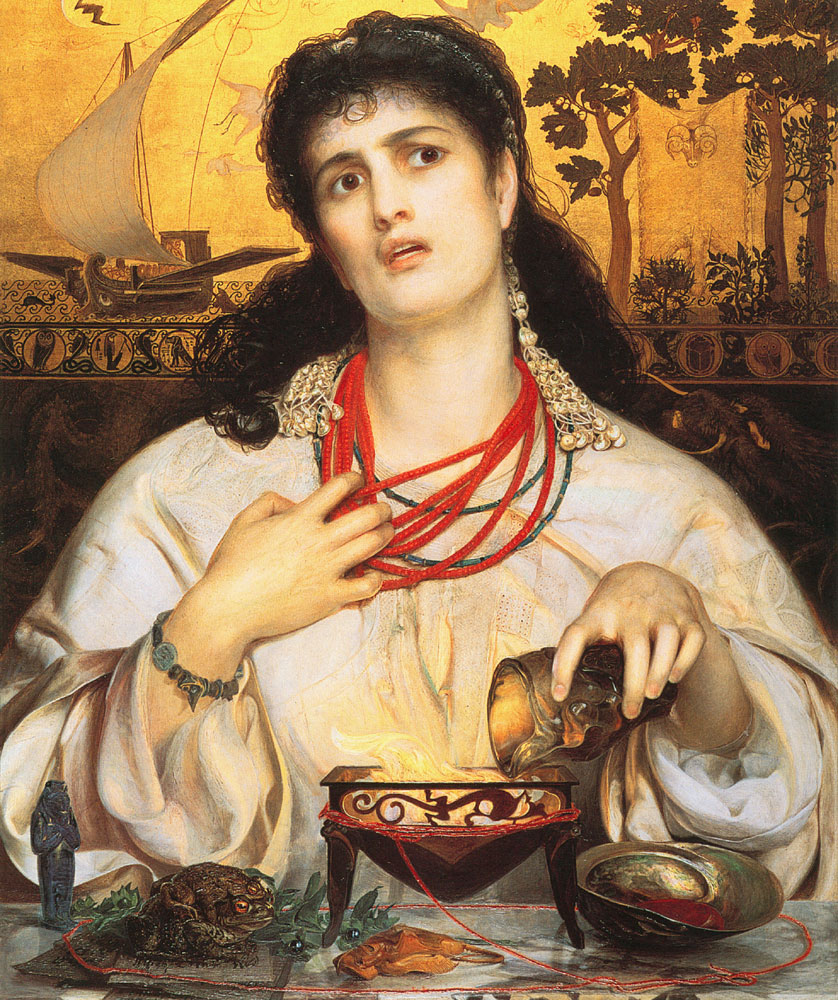 🇬🇷 GreeceMedeaΜήδεια
A sorceress and princess of Colchis who aids Jason and uses magic for revenge.Figure · Cursing and harm · Healing Legendary
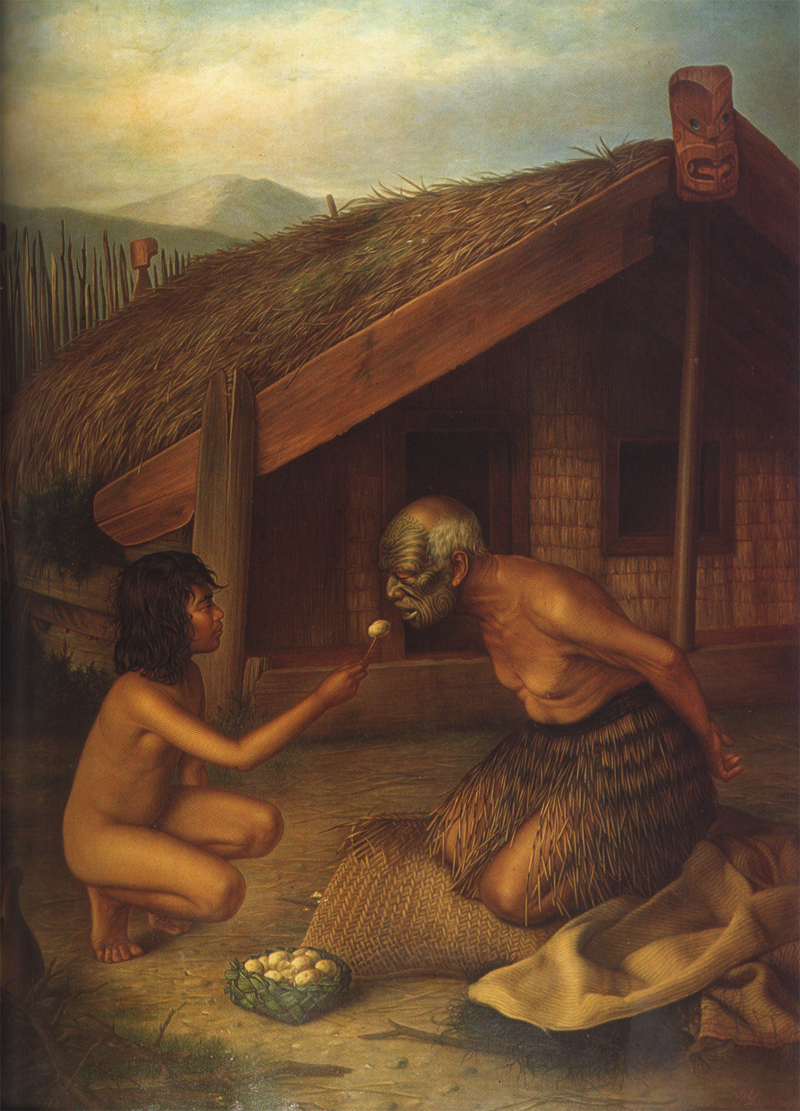 🇳🇿 New ZealandTohunga
A Māori expert practitioner of sacred or secular arts, from priests to carvers.Tradition · Healing · Seeing and foretelling Living
 🇮🇳 India and 2 moreSuryaसूर्य
The sun as a Hindu deity and the source of light and knowledgeBeing · Power and authority · Healing Historical