Imitation of sounds in shamanism
Shamanic vocal and musical mimicry of nature to invoke spirits or transform identity
This practice involves shamans mimicking natural animal and environmental sounds through song, chant, or instrumental music. It appears in Siberian, Sami, and Inuit traditions as a method for spirit communication, ritual transformation, and maintaining the vitality of sacred tools like drums.
- Nganasan shamans imitated polar bears to transform spiritually
- Sami yoiks resemble magic spell-chanting in shamanic rites
- Khanty shamans used dombra music and animal voices in dark tents
- Altai drum consecration involved imitating tree and deer voices
- Inuit throat-singing serves both shamanic and entertainment roles
What it is
Shamanic sound imitation is a vocal and musical technique where practitioners replicate natural noises to bridge the human and spirit worlds. This practice occurs across diverse cultures, including Siberian groups, the Sami of northern Europe, and the Inuit. Shamans use these sounds not merely as entertainment but as functional elements of ritual. The mimicry serves to invoke specific spirits, facilitate spiritual journeys, or imbue ritual objects with life. In some contexts, such as Inuit throat-singing, the practice also exists outside of strict shamanic rites for social purposes, but within shamanism, it remains a core method of engagement with the unseen environment.
Where it comes from
The origins of this practice are rooted in the diverse shamanic traditions of Eurasia and the Arctic. Anthropological records highlight its presence among Sami groups, whose practices share features with Siberian cultures. Historical observations, such as those by A. Popov in 1931 among the Nganasan, document specific instances of sound imitation. The practice is deeply embedded in the folklore and living traditions of these peoples, evolving from ancient methods of connecting with nature into structured ritual components.
How it is done
During seances, shamans employ specific vocal techniques to mimic animals or environmental sounds. For example, a Khanty shaman may sing to suggest movement, implying a flight around a dark tent while accompanied by animal voices. Nganasan shamans might imitate a polar bear to spiritually transform into one. In Sami rituals, yoiks are sung in styles that resemble magic spell-chanting. Drum consecration rituals involve the shaman imitating the voices of the tree and deer that provided the drum's materials, effectively giving the object life through spoken narrative and sound.
Tools and materials
The primary tools are the human voice and musical instruments. The dombra, a string instrument, accompanies Khanty shamans. Drums are central to Altai and Tubalar rituals; they are made from wood and deer skin. During drum consecration, beer is poured onto the materials as a libation. Women may assist in Nganasan seances by imitating reindeer calf sounds. The voice itself is the main instrument, used for overtone singing, yoiking, and direct animal mimicry.
Imitation of sounds in shamanism, drawn and placed
- Living
- Revived
- Fading
- Historical
- Legendary
- Performed
- Lineage
- Shamanism
- Timing
- during seances and rites
What it is for
Practitioners use sound imitation to commune with spirits and animals. Imitating a polar bear allows a shaman to assume its spiritual form. Mimicking bird and wolf sounds in Soyot songs represents assistance from helping spirits. In Altai traditions, giving the drum a voice ensures the tool serves the shaman. Among the Sami, yoiks connect to shamanistic beliefs and folklore. The practice also aims to provide fertility, as seen when women imitate reindeer calves for Nganasan women.
Who does it
Shamans are the primary practitioners, trained in specific vocal and musical skills. They undergo rituals to activate their tools, such as the drum consecration among the Tubalar. In Nganasan culture, women participate in seances by providing specific animal sounds. Sami yoiks are performed by various community members, though the shamanistic connection is preserved in specific styles. The role requires deep knowledge of animal behaviors and spiritual lore to execute the mimicry accurately during rites.
Peoples and places
The practice is found among Sami groups in northern Europe, Siberian peoples like the Nganasan, Khanty, Tubalar, and Soyot, and the Inuit. Sami yoiks share features with Siberian shamanism. Nganasan shamans use bear and reindeer sounds. Khanty shamans perform in birch bark tents. Tubalar shamans animate drums. Soyot songs feature birds and wolves. Inuit throat-singing exists both as shamanic practice and general entertainment, showing cultural diversity in application.
At a glance: who, where and when
Who does it
Belief worlds
Occasions
What people believe
Shamanic worldview holds that sounds carry spiritual power. Mimicking an animal allows the shaman to transform into that spirit. Drum materials possess life and must be acknowledged through voice. Spirits help the shaman, represented by bird and wolf sounds. The boundary between human and animal voices is permeable in ritual. Sound is not just representation but actualization of spiritual presence. This belief system underpins the efficacy of the mimicry in healing, journeying, and tool activation.
When it is done
Rites involving sound imitation occur during seances and rituals. Specific occasions include drum consecrations and fertility ceremonies. Sami yoiks are part of broader folkloric and ritual calendars. Inuit throat-singing is associated with games and songs. The timing is often linked to spiritual needs rather than fixed calendar dates, occurring when shamans require spirit assistance or tool activation.
How scholars and sceptics see it
Anthropologists and ethnomusicologists study these practices to understand shamanic cosmology. Researchers compare Sami yoik ideals with bel canto to highlight cultural differences in vocal expression. Studies on Inuit throat-singing analyze its role in games and songs. Scholars like Diószegi and Hoppál have documented Siberian shamanic music. These studies focus on the function of sound in ritual, the structure of shamanic songs, and the preservation of traditional knowledge in modern contexts.
Cautions and what is closed
Some aspects of shamanic knowledge are closed to outsiders. Sacred rituals and specific spirit communications may not be fully accessible to non-practitioners. The text does not report specific harms or legal risks associated with the practice itself. However, the intimate nature of seances and the spiritual significance of the sounds imply respect for cultural boundaries. Outsiders are advised to observe without participating in restricted rites.
Compare and confuse
Shamanic sound imitation differs from secular entertainment, though overlaps exist, as in Inuit throat-singing. It contrasts with bel canto, which focuses on technical vocal perfection rather than natural mimicry. Similar practices appear in other indigenous traditions globally, but the specific methods, such as yoiking or dombra accompaniment, are distinct to Sami and Siberian cultures. The practice is unique in its intent to transform identity through sound.
Questions people ask about Imitation of sounds in shamanism
What is sound imitation in shamanism?
It is a ritual practice where shamans mimic natural sounds, such as animal calls or environmental noises, to communicate with spirits, transform their identity, or activate sacred tools like drums. This occurs in Siberian, Sami, and Inuit traditions.
Which cultures practice this?
It is practiced by Sami groups in northern Europe, various Siberian peoples including the Nganasan, Khanty, Tubalar, and Soyot, and the Inuit. Each culture has distinct methods, such as yoiking or overtone singing.
Why do shamans imitate sounds?
Shamans believe imitating sounds allows them to assume the spirit of an animal, receive help from helping spirits, or give life to ritual objects. It is a functional tool for healing, journeying, and maintaining spiritual connections.
Good reading and sources
The facts on this page come from the Wikipedia article "Imitation of sounds in shamanism", written by its contributors and used under the CC BY-SA 4.0 licence, and from its Wikidata record (CC0). EveryJaadu rewrote the text in its own words, with AI assistance, and compares every page with the article to make sure no passage is copied. It may be reused under the same CC BY-SA 4.0 licence with a link back.
It may contain mistakes. Names and customs differ from one community to the next, and some knowledge is closed to outsiders and left out here. This page describes belief and practice. It does not say that any of it works, it is not a how-to, and it is not medical advice. If something is wrong, tell us. Last refreshed 2026-10-07.
More from Russia
All the entries from Russia 🇵🇱 Poland and 4 moreMoranaМорена
A Slavic goddess of winter and death, whose effigy is drowned to welcome springFigure · Cursing and harm · Power and authority Living
🇵🇱 Poland and 4 moreMoranaМорена
A Slavic goddess of winter and death, whose effigy is drowned to welcome springFigure · Cursing and harm · Power and authority Living
 🇷🇸 Serbia and 5 moreVampire
An undead creature from folklore that feeds on the blood or life force of the livingBeing · Cursing and harm · Luck and prosperity Legendary
🇷🇸 Serbia and 5 moreVampire
An undead creature from folklore that feeds on the blood or life force of the livingBeing · Cursing and harm · Luck and prosperity Legendary
 🇫🇷 France and 5 moreJean Eugène Robert-HoudinJean-Eugène Robert-Houdin
A French clockmaker who elevated stage magic into a refined theatrical art.Illusion · Wonder and entertainment Historical
🇫🇷 France and 5 moreJean Eugène Robert-HoudinJean-Eugène Robert-Houdin
A French clockmaker who elevated stage magic into a refined theatrical art.Illusion · Wonder and entertainment Historical
 🇷🇺 RussiaBlack magic
Magic traditionally defined by malevolent intent and selfish purposesBelief · Cursing and harm Historical
🇷🇺 RussiaBlack magic
Magic traditionally defined by malevolent intent and selfish purposesBelief · Cursing and harm Historical
Related elsewhere
All rite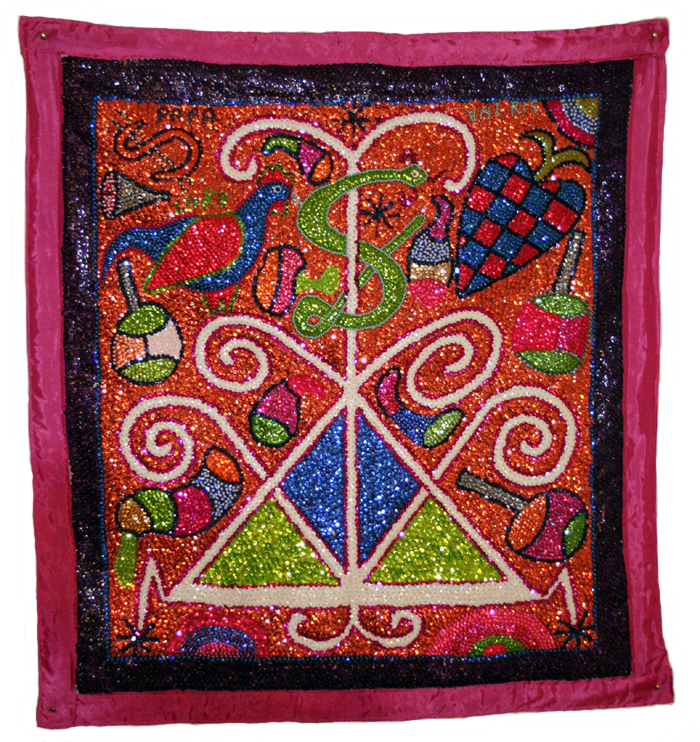 🇭🇹 Haiti and 2 moreHaitian VodouVodou
An Afro-Haitian religion blending West African traditions with Catholicism and FreemasonryTradition · Protection · Healing Living
🇭🇹 Haiti and 2 moreHaitian VodouVodou
An Afro-Haitian religion blending West African traditions with Catholicism and FreemasonryTradition · Protection · Healing Living
 🇳🇵 Nepal and 1 moreMatsyendranathMacchindranāth, Mīnanātha
A yogi and rain deity revered across Hindu and Buddhist traditions in South Asia.Figure · Speaking with spirits and the dead · Power and authority Living
🇳🇵 Nepal and 1 moreMatsyendranathMacchindranāth, Mīnanātha
A yogi and rain deity revered across Hindu and Buddhist traditions in South Asia.Figure · Speaking with spirits and the dead · Power and authority Living
 🇮🇳 India and 1 moreMantraमन्त्रम्
A sacred sound or phrase repeated to focus the mind and invoke spiritual powerText · Speaking with spirits and the dead · Power and authority Living
🇮🇳 India and 1 moreMantraमन्त्रम्
A sacred sound or phrase repeated to focus the mind and invoke spiritual powerText · Speaking with spirits and the dead · Power and authority Living
 🇮🇳 India and 1 moreAmritaअमृत (Sanskrit)
A Sanskrit concept of immortality and the nectar that grants it across Indian religionsBelief · Healing · Power and authority Living
🇮🇳 India and 1 moreAmritaअमृत (Sanskrit)
A Sanskrit concept of immortality and the nectar that grants it across Indian religionsBelief · Healing · Power and authority Living