🇷🇺 Magic in Russia
137 entries from Russia, best known first, across 22 places of magic.
Shamanism in Siberia is a diverse set of practices among indigenous groups, often blending with Islam or Buddhism. It centers on spirit journeys and healing, with distinct traditions among Uralic, Samoyedic, Turkic, and Tungusic peoples.
- Female shaman terms share a root linked to the hearth goddess Etügen.
- Nganasan shamans used three different crowns for different spiritual realms.
- Shamanic songs mimic animal sounds like birds, wolves, and polar bears.
- Skeleton-like dress overlays symbolize shamanic rebirth in several cultures.
- The word 'shaman' derives from Proto-Turkic *bögü via Evenk.
Overview
Siberia is considered the heartland of shamanism, where many ethnic groups maintain these religio-cultural practices today. The tradition is highly diverse, shaped by linguistic families like Uralic, Samoyedic, Turkic, and Tungusic. While some groups have adopted Islam or Buddhism, core elements remain. The practice involves communicating with spirits for healing and guidance. Female shamans are prominent, with linguistic roots suggesting women may have practiced first. The tradition shares features with neighboring cultures, such as the Sami joiks, but retains unique local characteristics in music, dress, and ritual objects.
Practices and beliefs
Shamans undertake spirit journeys to rescue lost souls, reenacting dreams from their training. Healing séances involve mimicking natural sounds, such as bird calls or reindeer noises, to invoke helping spirits. Music includes overtone singing and songs that imitate animals like wolves or polar bears. Divination and contact with upper, lower, or dead worlds are common functions. Specific tools include drums with two transoms and headdresses adorned with effigies of human organs or bones, symbolizing rebirth. Songs often contain magical spell-like mumbling styles.
Rites and charms
Rites include clean tent ceremonies held after the polar night, involving sacrifices. Initiating songs describe the shaman's transformation, mentioning details like a dress with seven vertebrae. Seances are accompanied by women imitating animal sounds to provide fertility or aid the shaman's journey. Shamans wear specific crowns for different realms: upper world, underworld, or childbirth. Rituals often involve transforming into helper animals, such as a polar bear, through sound mimesis and costume.
Who practises
Practitioners include male shamans (böö, saman) and female shamans (udagan), with the latter term sharing a root across many languages. Types of shamans vary by function: those contacting the upper world, the underworld, or the dead. Healers, diviners, and sacral rite specialists are distinguished. Some shamans are chosen through dreams or illness. Historical records note notable figures like Dyukhade Kosterkin. In some groups, like the Ket, shamans are associated with specific helper animals like deer or bears.
Regions and communities
Practices differ by linguistic group. Uralic speakers like the Khanty and Mansi show remnants, while Samoyedic groups like the Nganasans and Nenets maintained living traditions longer. Turkic peoples in Altai and Tuva blend shamanism with Islam or Buddhism. Tungusic groups have their own folklore, such as the Tale of the Nisan Shaman. Regional variations exist in drum structure, headdress design, and the influence of neighboring cultures like Buryat or Abakan-Turkic peoples.
The calendar
Specific rites are tied to seasons, such as the clean tent ceremony after the polar night. Childbirth occasions require specific ceremonial crowns. Life events like death and resurrection are addressed through shamanic intervention. Festivals are not explicitly detailed, but seasonal transitions and community needs drive the timing of seances and sacrifices.
Law and the state
The text does not provide information on legal status, persecution, or state treatment of shamanism in Siberia.
Today
Shamanism persists among indigenous groups, though it has declined in some areas. The last Nganasan seances were recorded in the 1970s. Folklore memories were collected in the 1960s. Some languages, like Kamassian, are extinct, affecting cultural transmission. Modern practitioners maintain traditions, while scholars study historical records and folklore to understand the belief system.
The facts in this overview come from the Wikipedia article "Shamanism in Siberia", written by its contributors and used under the CC BY-SA 4.0 licence. EveryJaadu rewrote the text in its own words, with AI assistance, and compares every page with the article to make sure no passage is copied. It may be reused under the same CC BY-SA 4.0 licence with a link back.
Places of magic in Russia
 🇨🇳 China and 5 moreRegional forms of shamanism
A global overview of indigenous spirit-interaction practices across Asia and the Americas.Tradition · Healing · Speaking with spirits and the dead Living
🇷🇺 RussiaAugust curse
A Russian belief that severe disasters and national tragedies cluster in the month of August.Belief Living
🇷🇺 Russia and 2 moreFavomancy
Divination by throwing beans and reading the patterns they form on the groundOracle · Seeing and foretelling · Luck and prosperity Historical
🇵🇱 Poland and 1 moreDydko
A Polish folk creature evolved from a Slavic house demon into a night-time scarecrow.Being · Cursing and harm Legendary
🇦🇺 Australia and 2 moreTheatrical superstitions
Beliefs and rituals among actors to avoid bad luck and ward off spiritsBelief · Protection · Luck and prosperity Living
 🇩🇪 Germany and 4 moreAnimal TarotTiertarock
A family of playing card decks featuring animal imagery instead of traditional tarot scenesTradition · Luck and prosperity Living
 🇮🇷 Iran and 5 moreHippomancy
Divination through the movements, sounds, and tracks of horsesOracle · Seeing and foretelling · Luck and prosperity Historical
 🇨🇳 China and 1 moreShamanism in the Qing dynasty
State-managed rituals of the Manchu rulers and their shamansTradition · Protection · Healing Historical
🇷🇺 RussiaMagic tablecloth
A cloth that produces food and meals when spread out in fairy talesFigure · Luck and prosperity · Protection Legendary
 🇷🇺 Russia and 1 moreVegetable Lamb of Tartary
A legendary plant-animal from Central Asia said to grow sheep as fruitFigure · Wonder and entertainment Legendary
 🇷🇺 RussiaGolden apple
A mythical fruit that sparks quests, wars, and linguistic confusion across culturesFigure · Cursing and harm · Luck and prosperity Legendary
 🇷🇺 Russia and 3 moreChortчёрт
A Slavic demon spirit with horns and hooves, known in folklore as a trickster or minor evil force.Being · Cursing and harm · Luck and prosperity Historical
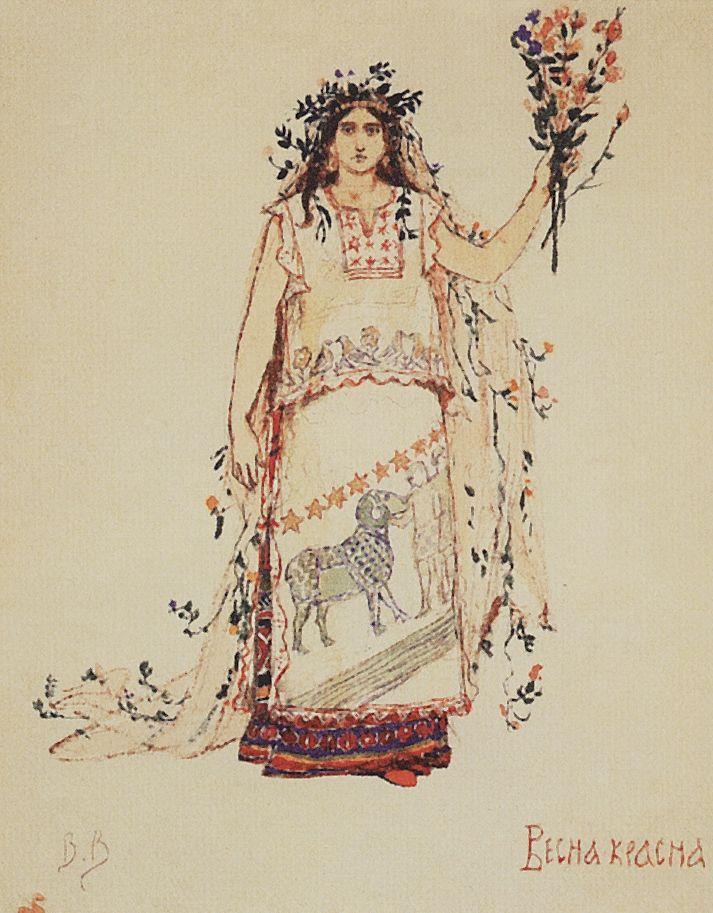 🇸🇮 Slovenia and 5 moreVesnaВесна
A Slavic personification of spring and youth, known in myth and languageFigure · Luck and prosperity Historical
🇹🇷 Turkey and 4 moreAl BastyAlbastı
A female spirit of guilt and childbirth found in Turkic and Caucasian folkloreBeing · Cursing and harm Historical
🇷🇺 RussiaIndrikИндрик-зверь
A legendary Russian beast said to rule all animals from a sacred mountainBeing · Wonder and entertainment Legendary
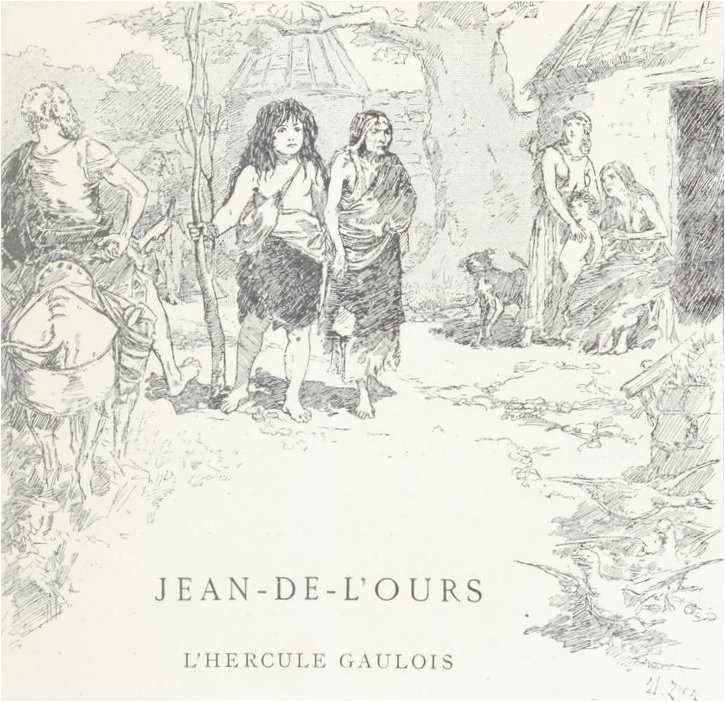 🇫🇷 France and 4 moreJean de l'Ours
A half-bear folk hero who rescues princesses from an underworld giant.Figure · Power and authority Legendary
 🇷🇺 Russia and 1 moreBabayБабай
A night spirit in Slavic folklore used to frighten children into sleepingFigure · Cursing and harm Legendary
🇷🇴 Romania and 2 moreZmeu
A humanoid dragon from Romanian folklore that kidnaps maidens and steals treasures.Being · Cursing and harm · Love and attraction Legendary
🇷🇺 Russia and 4 moreFiery serpentsогненный змей
A pan-Slavic spirit of fire and wind, seen as a demon or a household helperBeing · Cursing and harm · Luck and prosperity Historical
🇷🇺 Russia and 4 moreIriyВырай
A mythical Slavic realm where souls and birds gather for the winterBelief · Speaking with spirits and the dead Legendary
 🇷🇺 Russia and 5 moreRinging Cedars' Anastasianismдвижение «Анастасия»
A Russian new religious movement based on books about a Siberian mystic and nature worshipTradition · Protection · Speaking with spirits and the dead Living
🇷🇺 RussiaShishigaшишига
A female swamp spirit of Russian and Komi folklore that brings misfortune and death.Being · Cursing and harm Legendary
 🇷🇺 RussiaTriple-headed eagle
A heraldic and mythological bird with three heads, appearing in Russian symbolism and European manuscripts.Being · Power and authority Historical
 🇷🇺 Russia and 12 moreOgnyena MariaОгнена Марија
A Slavic fire goddess linked to lightning, rain, and seasonal fire bansFigure · Protection · Healing Living
🇷🇺 Russia and 1 moreLikhoradkaЛихорадка
A fever spirit in Slavic myth who brings illness and sicknessBeing · Cursing and harm Legendary
🇰🇬 Kyrgyzstan and 2 moreAyaz AtaАяз Ата
A Turkic winter spirit who brings snow and gifts during the cold seasonBeing · Luck and prosperity · Protection Living
🇷🇺 RussiaMoryanaМоря́на
A female sea spirit in Slavic folklore who controls winds and calms stormsBeing · Power and authority Legendary
 🇬🇧 United Kingdom and 2 moreBevis of HamptonПовесть о Бове-королевиче
A medieval chivalric romance about a hero's exile and return across Europe and the Near EastText · Wonder and entertainment Historical
🇷🇺 RussiaHabernitsa
A noon demon of Slavic fields who punishes workers and causes pain.Being · Cursing and harm Historical
🇷🇺 Russia and 1 moreChuvash dragonВӗрӗҫӗлен
A mythological serpent from Chuvash legends that can fly and breathe fire.Being · Wonder and entertainment Legendary
🇷🇺 RussiaPitsen
A shapeshifting forest spirit of the Siberian Tatars that brings luck or leads travelers astrayBeing · Luck and prosperity · Cursing and harm Legendary
🇷🇺 Russia and 3 moreYehowistsильинцы
A Russian Spiritual Christian group founded by Nikolai Ilyin in the 1840sTradition · Protection · Speaking with spirits and the dead Living
🇷🇺 Russia and 1 moreNew IsraelНовый Израиль
A Russian sectarian movement that established a farming commune in UruguayTradition Living
 🇷🇺 Russia and 2 moreSupernatural beings in Slavic religion
Mythic entities of nature, death, and fate in Slavic folklore and belief.Being · Protection · Cursing and harm Legendary
 🇭🇺 Hungary and 1 moreSárkány
A winged reptilian beast from Hungarian folklore, linked to weather and literary heroes.Being · Cursing and harm · Wonder and entertainment Historical
🇷🇺 RussiaAbzar iyesiAbzar іyesi
A Turkic courtyard spirit that guards farmsteads and livestockBeing · Protection · Power and authority Legendary
 🇮🇳 India and 1 moreFire (classical element)
A classical substance of heat and transformation in Greek, Indian, and Western esoteric traditionsSubstance · Change and initiation · Power and authority Historical
 🇵🇱 Poland and 4 moreMoranaМорена
A Slavic goddess of winter and death, whose effigy is drowned to welcome springFigure · Cursing and harm · Power and authority Living
 🇨🇳 China and 3 moreSwan maiden
A folk motif where a man steals a bird-woman's feather cloak to force marriage.Figure · Love and attraction · Cursing and harm Legendary
🇫🇮 Finland and 1 moreKyöpelinvuori
A Finnish mountain where dead women are said to gather after deathBelief Historical
 🇵🇱 Poland and 1 moreKarzełekСкарбник, Кладенец
A Slavic mine spirit that guards treasures and guides miners.Being · Protection · Power and authority Historical
 🇫🇮 Finland and 2 moreTietäjä
A traditional Finnic healer and sage whose power came from memorised spells and deep knowledge.Figure · Healing · Protection Historical
 🇷🇺 Russia and 2 moreBesomвеник
A twig broom used for sweeping, folk magic, and fire responseCharm · Protection · Wonder and entertainment Living
🇷🇺 Russia and 2 moreVerliokaВерлиока
A cross-eyed monster from East Slavic folk talesFigure · Cursing and harm Historical
 🇸🇪 Sweden and 4 moreStarkadStarkaðr
A Norse warrior cursed to commit crimes across three lifetimesFigure · Cursing and harm Legendary
🇷🇺 RussiaAiyАйыы (Ayıı)
Benevolent spirits of the Upper World in Yakut mythologyBeing · Speaking with spirits and the dead · Power and authority Living
🇷🇺 Russia and 1 moreKuma LisaКума Лиса
A trickster fox from Slavic folklore who outwits other animalsFigure · Wonder and entertainment Legendary
🇮🇳 India and 2 moreBlack Orlov
A black diamond linked to a legend of theft and tragic deathsCharm · Cursing and harm Historical
Photo credits on this page
The small pictures above come from Wikimedia Commons under free licences. Some are cropped to fit.
- Vesna: Viktor Vasnetsov, Public domain, source
- Shamanism in the Qing dynasty: A nineteenth-century team of editors., Public domain, source
- Starkad: User:Skadinaujo, Public domain, source
- Bevis of Hampton: Anonymous Unknown author, Public domain, source
- Jean de l'Ours: Édouard François Zier (1856–1924), illustrator, Public domain, source
- Triple-headed eagle: Неизвестный автор. (фото обложки сборника: Александр Храмов), Public domain, source
- Ognyena Maria: Unknown author, Public domain, source
- Tietäjä: Robert Wilhelm Ekman, Public domain, source
- Vegetable Lamb of Tartary: Unknown author, Public domain, source
- Golden apple: Guido Reni, Public domain, source
- Hippomancy: Wer?Du?!, CC BY-SA 3.0, source
- Regional forms of shamanism: Man Sing, Public domain, source
- Babay: Kyoukaa, CC BY-SA 4.0, source
- Sárkány: Albrecht Dürer, Public domain, source
- Animal Tarot: Cards: anonymous; Photo: Andreas Praefcke, Public domain, source
- Ringing Cedars' Anastasianism: Лобачев Владимир, CC BY-SA 3.0, source
- Karzełek: Krystian Hasterok, CC BY 2.5, source
- Chort: Unknown author, Public domain, source
- Morana: Marta Malina Moraczewska, CC BY-SA 4.0, source
- Supernatural beings in Slavic religion: Bartolomeo Giuliano, CC BY-SA 3.0, source
- Besom: https://en.wikipedia.org/wiki/David_Cox_(artist), Public domain, source
- Fire (classical element): Correogsk, CC BY-SA 3.0, source
- Swan maiden: Walter Crane, Public domain, source
The weekly digest
Every Monday: seven entries you may not know, what is on the calendar this week, and one rite drawn step by step.