🇮🇳 Magic in India
350 entries from India, best known first, across 80 places of magic.
Tantra is an esoteric yogic tradition from the Indian subcontinent, initially within Shaivism and Shaktism, later in Buddhism and Vaishnavism. It views the body as divine and uses mantras and rituals to achieve spiritual goals like liberation or supernatural power.
- Tantra means loom or weave in Sanskrit
- It began in India around the 1st millennium CE
- Mantras are central to tantric practice
- Sexual practices are rare and restricted
- Vajrayana Buddhism uses tantric ideas
Overview
Tantra developed in India around the middle of the first millennium CE. It began in Shaivism and Shaktism before spreading to Buddhism and Vaishnavism. The word means loom or weave, suggesting a system that interlaces different teachings. Practitioners see the human body as a reflection of the cosmos. They aim for union with the divine through complex cosmologies. This path is also called the Path of Mantra. It shares influences with Jainism, Taoism, and Shinto. Western views often wrongly link it to sex, but scholars say sexual practices are rare and restricted.
Practices and beliefs
Practitioners use mantras, rituals, and yoga to transform the self. Goals include siddhi, supernatural accomplishment, and kundalini ascent. Texts describe systems for worship and meditation. Deities, both male and female, are central to ritual worship. Magic, sorcery, and divination appear in these texts. The subtle body is mapped to cosmic elements. Geometric patterns called mandalas guide meditation. Initiation by a teacher is required for many advanced techniques.
Rites and charms
Rites focus on sādhanā, which includes initiation and daily practice. Puja, or ritual worship, honors deities and icons. Meditation helps awaken inner energy. Physical purification techniques cleanse the body and mind. Specific gestures and sounds assign meaning to sacred spaces. The house is swept and salt is thrown at the door in some folk contexts, though Tantra focuses more on internal transformation. These rites are said to protect against negative forces and aid spiritual progress.
Who practises
Tantrikas are adepts who follow specific tantric lineages. They undergo diksha, or initiation, to receive knowledge. Teachers guide students through complex practices. Scholars note that living traditions are often secretive. Ethnography of these groups remains scarce due to this secrecy. Practitioners view their path as a way to realize non-duality. They mix tantric elements with other religious aspects freely.
Regions and communities
Tantra spread across South and East Asia. In Tibet, it influenced Vajrayana Buddhism. Japan has Shingon Buddhism, which uses tantric ideas. China developed Esoteric Buddhism based on Indian tantras. Nepal has Newar Buddhist traditions with tantric roots. Southern Esoteric Buddhism parallels tantric ideas without direct reference. These regional variations show how the tradition adapted to local cultures while keeping core concepts.
The calendar
The text does not specify particular festivals or seasonal events for tantric rites. Practices are often tied to personal sadhana rather than public calendars. Life events may involve tantric rituals for protection or blessing. However, no detailed calendar of ceremonies is provided in the source material.
Law and the state
No information is given about legal status or persecution. The text mentions colonial-era definitions but not modern laws. Western scholarship historically labeled tantra as occult or secret. This was a construction by 19th-century Indologists. There is no mention of state treatment or witch-hunts in the provided article.
Today
Modern views often misrepresent tantra as erotic. Scholars work to correct this by studying texts and living traditions. Anthropological study is difficult due to the secretive nature of practitioners. Some researchers try to demystify the myth of secrecy. The tradition continues to influence Hindu, Buddhist, and Jain practices globally.
The facts in this overview come from the Wikipedia article "Tantra", written by its contributors and used under the CC BY-SA 4.0 licence. EveryJaadu rewrote the text in its own words, with AI assistance, and compares every page with the article to make sure no passage is copied. It may be reused under the same CC BY-SA 4.0 licence with a link back.
Places of magic in India
 🇮🇳 IndiaVedic astrologyJyotiṣa
A traditional Hindu system of astrology rooted in Vedic study and timekeepingTradition · Seeing and foretelling · Luck and prosperity Living
 🇮🇳 India and 3 moreAstrology
A divinatory practice that links celestial positions to human affairs and earthly eventsTradition · Seeing and foretelling · Luck and prosperity Historical
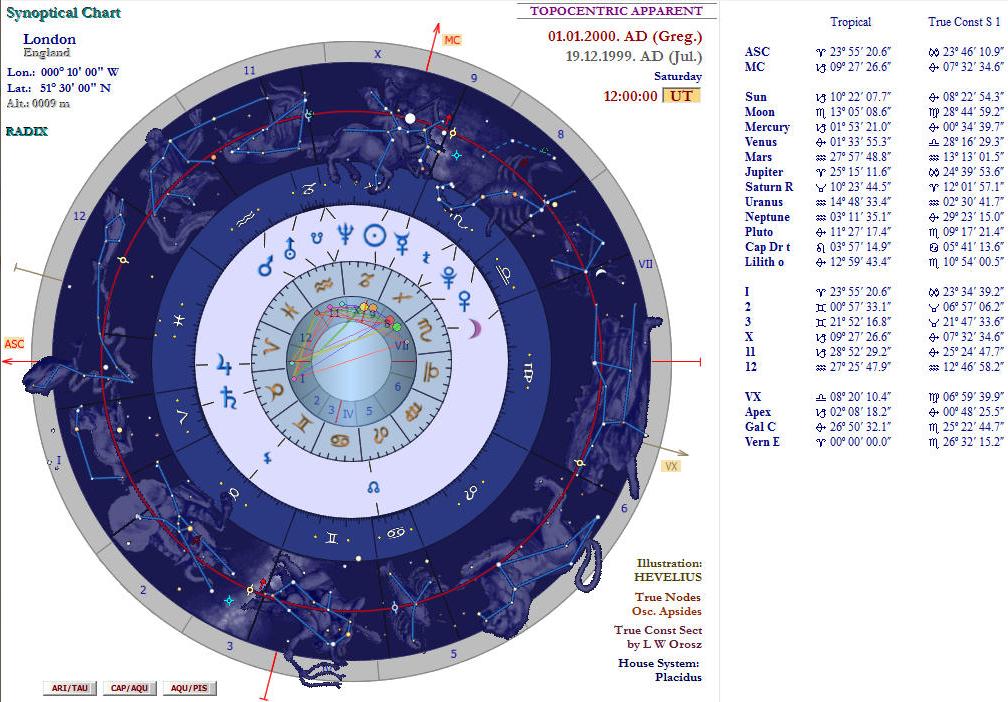 🇮🇳 IndiaSynoptical astrology
An astrological system that overlays tropical, sidereal and constellational zodiacsText · Seeing and foretelling · Speaking with spirits and the dead Historical
 🇮🇳 India and 4 moreMakaraमकर
A legendary sea-creature in Hindu mythology and a symbol of water and thresholdsBeing · Protection · Power and authority Historical
 🇮🇳 IndiaVahanaवाहन
The animal or mythical creature that carries a Hindu deityTradition · Power and authority Living
 🇮🇱 Israel and 5 moreAstaroth
An arch-demon in Western occultism, derived from the ancient goddess Astarte.Being · Power and authority · Cursing and harm Historical
🇮🇷 Iran and 2 moreYazata𐬫𐬀𐬰𐬀𐬙𐬀
A Zoroastrian term for divine beings worthy of worship and venerationBeing · Speaking with spirits and the dead · Power and authority Historical
 🇮🇳 IndiaKirtimukhaकीर्तिमुख
A swallowing face motif in Hindu and Buddhist temple architecture across South and Southeast AsiaBeing · Protection · Cleansing and purification Historical
 🇨🇳 China and 1 moreMogwai魔鬼
A Chinese term for demons and evil spirits, borrowed from Sanskrit lore through Buddhism.Being · Cursing and harm Historical
 🇮🇳 IndiaKhunu Leimaꯈꯨꯅꯨꯔꯩꯃ (Khunu Leima)
A Meitei goddess who rules over pigeons and doves in the religion of Manipur.Being Historical
 🇮🇳 IndiaSamatonꯁꯃꯗꯣꯟ ꯑꯌꯥꯡꯕ (Shamadon Ayangba)
A winged divine horse from Meitei mythology and ancestor of the Manipuri ponyBeing · Power and authority Living
 🇮🇳 IndiaVyatipāta
An astrological moment in India marking a sun-moon alignment believed to signal calamity.Belief · Cursing and harm Historical
🇮🇳 India and 1 moreQayyumقیوم
A supreme spiritual rank in the Naqshbandi Sufi orderTradition · Power and authority Historical
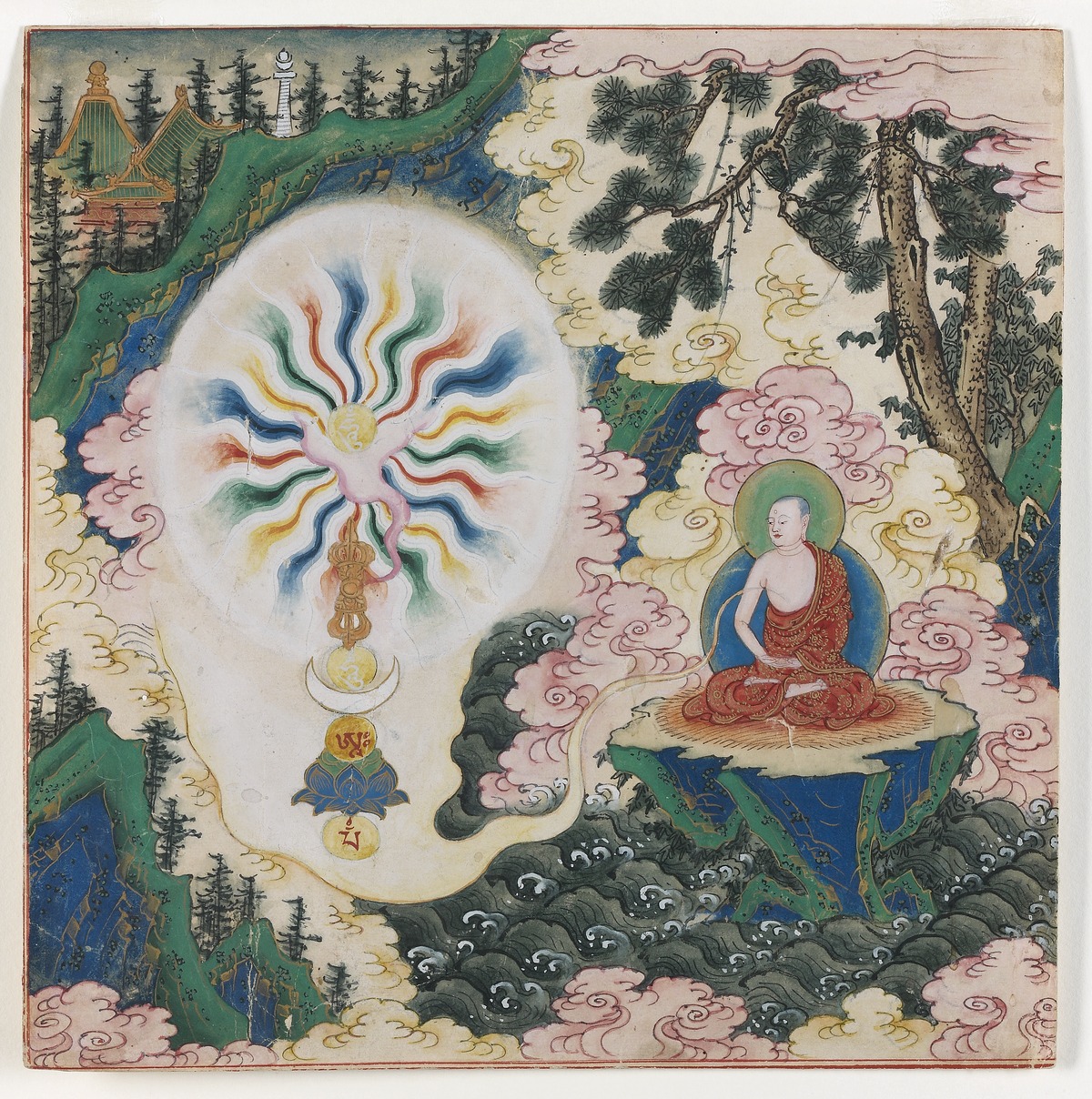 🇮🇳 India and 1 moreDeity yoga
A Vajrayana meditation on embodying a chosen Buddha figure to realize emptinessTradition · Change and initiation · Power and authority Living
🇮🇳 India and 1 moreManba al-Ansabمنبع الانساب
A Persian manuscript tracing Sayyid lineage and Sufi practice in early modern IndiaText · Speaking with spirits and the dead · Power and authority Historical
🇮🇳 IndiaBaakবাক
A shapeshifting water spirit from Assamese folklore that mimics humans and fears torn nets.Being · Cursing and harm · Wonder and entertainment Living
 🇮🇳 IndiaPranaप्राण
A Sanskrit concept of vital energy found in yoga and AyurvedaBelief · Healing · Power and authority Living
 🇮🇳 India and 1 moreFire (classical element)
A classical substance of heat and transformation in Greek, Indian, and Western esoteric traditionsSubstance · Change and initiation · Power and authority Historical
 🇬🇷 Greece and 2 moreClassical elements
Ancient theories that explain all matter as combinations of earth, water, fire, air, and aetherBelief · Wonder and entertainment Historical
🇮🇳 IndiaEtheric body
A subtle energy layer said to sustain the physical form and connect it to higher states.Being · Power and authority Historical
 🇮🇳 India and 1 moreAstral body
A subtle vehicle of emotion and dream said to travel beyond the physical formBelief · Speaking with spirits and the dead · Change and initiation Historical
🇮🇳 IndiaCausal bodyKarana-Sarira
A yogic and esoteric concept describing the highest innermost body that veils the true Self.Belief · Change and initiation Living
🇮🇳 IndiaWater (classical element)
A classical substance linked to emotion and intuition in Greek, Indian, and Western esoteric traditions.Substance · Speaking with spirits and the dead · Power and authority Historical
 🇮🇸 Iceland and 3 moreDeal with the Devil
A cultural trope of trading one's soul for worldly favours in exchange for demonic aidBelief · Power and authority · Cursing and harm Historical
 🇮🇳 IndiaEpic cycles of incarnations in MoirangMoirang Shayon
A Meitei mythic cycle tracing the repeated lives and deaths of divine lovers across generations.Figure · Love and attraction Historical
 🇮🇳 IndiaAbhijñāअभिज्ञा
A set of special insights and powers in Buddhist meditation.Belief · Speaking with spirits and the dead · Change and initiation Historical
 🇮🇳 India and 1 moreDamnation
A state of divine punishment or separation from the sacred after deathBelief · Cursing and harm Living
🇮🇳 IndiaKhongjomnubi NonggarolKhongchomnupi Nongkalol
A Meitei puya with two stories of transformation and ascent to the sky.Text · Wonder and entertainment Historical
 🇮🇳 India and 5 moreLock of hair
A piece of human hair kept for symbolic, sentimental, or superstitious reasons.Substance · Protection · Luck and prosperity Living
🇮🇳 India and 3 moreTermaགཏེར་མ
Hidden teachings in Tibetan Buddhism and Bon, revealed by tertöns when the time is right.Text · Speaking with spirits and the dead · Change and initiation Living
🇮🇳 IndiaCausal plane
A high spiritual realm in Theosophy and New Age cosmologyBelief · Speaking with spirits and the dead · Change and initiation Living
 🇺🇸 United States and 3 moreFortune telling fraud
A confidence trick where a grifter invents a curse to extract money from a vulnerable client.Belief · Cursing and harm Living
 🇮🇳 India and 2 moreCintāmaṇiचिन्तामणि
A wish-fulfilling jewel from Hindu and Buddhist traditionsSubstance · Healing · Power and authority Historical
 🇯🇵 Japan and 4 moreKṣitigarbhaक्षितिगर्भ
A bodhisattva vowed to empty the hells and guard children, shown with a staff and jewel.Being · Protection · Speaking with spirits and the dead Living
 🇮🇷 Iran and 5 moreKhidrالخضر
A Qur'anic guide and saint believed to hold hidden wisdom and aid those in need.Being · Seeing and foretelling · Power and authority Living
🇮🇳 IndiaRisalah Maktubaatرساله مکتوبات
A collection of Persian letters guiding disciples and rulers on spiritual and moral matters.Text · Speaking with spirits and the dead · Power and authority Historical
🇮🇳 IndiaQutbقطب
A Sufi spiritual leader who acts as the unseen axis of a cosmic hierarchy.Figure · Power and authority Historical
🇵🇰 Pakistan and 2 moreNa'atنعت
Urdu and Bengali verses praising the Islamic prophet MuhammadText · Speaking with spirits and the dead Living
🇮🇳 IndiaA Treatise on White Magic
An esoteric textbook by Alice Bailey outlining fifteen rules for spiritual service and initiation.Text · Speaking with spirits and the dead · Change and initiation Historical
🇮🇳 IndiaKuttichathanകുട്ടിചാത്തൻ
A guardian spirit of Malabar folklore known for illusions and household pranksBeing · Cursing and harm · Luck and prosperity Historical
 🇮🇳 IndiaKroniகுறோணி
A primordial evil spirit in Ayyavazhi mythology, split into fragments across ages.Being · Cursing and harm Living
 🇮🇳 India and 4 moreKala paniकाला पानी
A Hindu taboo against crossing the sea that threatens caste status and spiritual purity.Belief · Cursing and harm Historical
 🇮🇳 IndiaOccult Chemistry
A Theosophical book claiming to reveal atomic structure through clairvoyanceText · Power and authority Historical
 🇸🇨 Seychelles and 2 moreLegends of the Coco de Mer
Myths surrounding a rare palm nut shaped like human body partsBelief · Wonder and entertainment Historical
 🇮🇹 Italy and 2 moreWheel of Fortune
A medieval allegory of fate's unpredictable turns and the fall of kingsBelief · Cursing and harm · Luck and prosperity Historical
 🇮🇳 IndiaStambhaस्तम्भ
A pillar or column in Indian architecture and Hindu cosmologyTradition · Power and authority Historical
🇳🇵 Nepal and 1 moreTenma goddesses
Twelve guardian deities in Tibetan Buddhism who swore to protect the faith.Being · Protection Historical
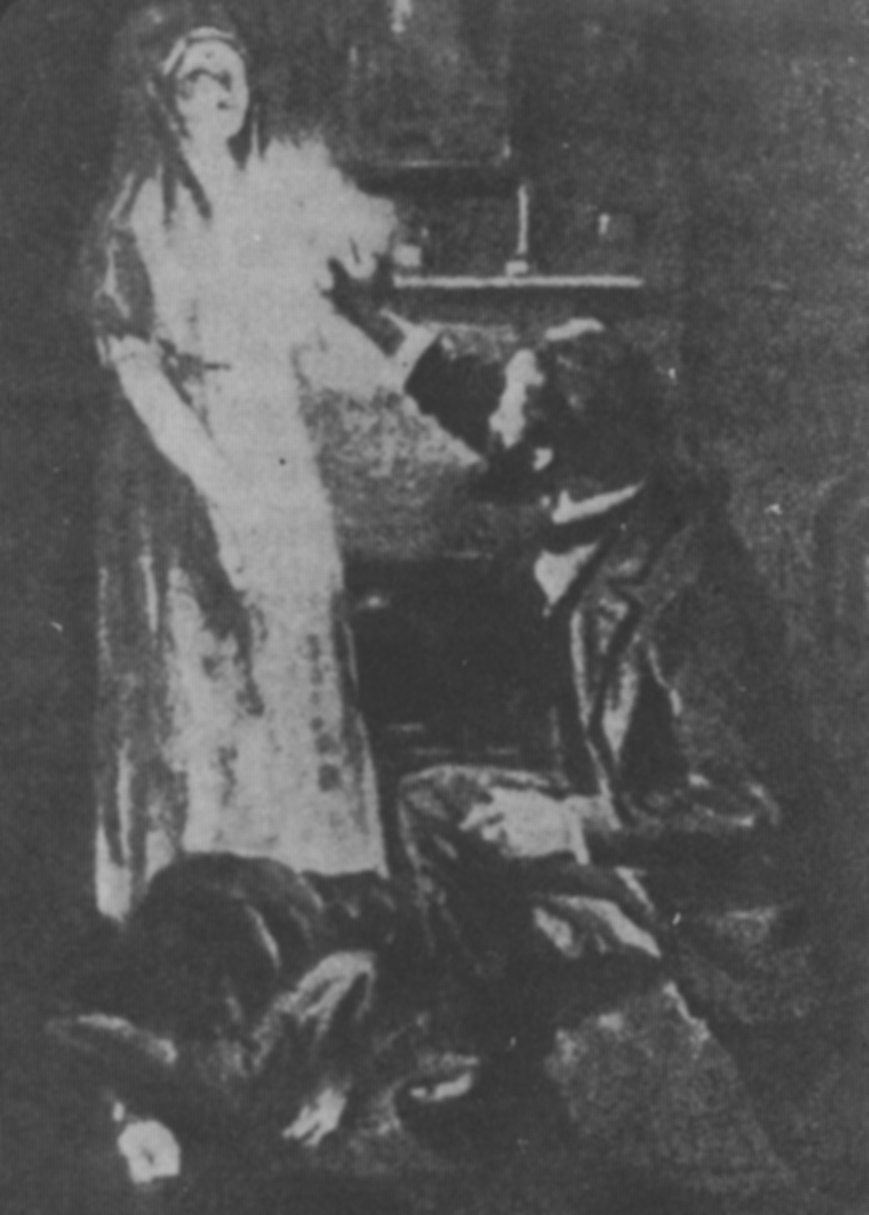 🇩🇪 Germany and 3 moreMaterialization (paranormal)
The claimed appearance of matter from unknown sources in spiritualist séancesBelief · Wonder and entertainment Historical
Photo credits on this page
The small pictures above come from Wikimedia Commons under free licences. Some are cropped to fit.
- Shamanism in Ayyavazhi: Vaikunda Raja, CC BY-SA 3.0, source
- Samaton: Isabelm-h, CC BY-SA 4.0, source
- Makara: Subbhashinee S, CC BY-SA 3.0, source
- Kṣitigarbha: སངས་རྒྱས་བཅོམ་ལྡན་འདས།, Public domain, source
- Materialization (paranormal): Unknown author, Public domain, source
- Damnation: Didier Descouens, Public domain, source
- Prana: Tamilmama, CC BY-SA 4.0, source
- Astrology: Wilfredor, CC0, source
- Vahana: Unknown Nepali, Public domain, source
- Khunu Leima: Author: DALL-E; prompted by Haoreima, Public domain, source
- Cintāmaṇi: sailko, CC BY-SA 3.0, source
- Astaroth: M. Jarrault, Public domain, source
- Mogwai: Gisling, CC BY-SA 3.0, source
- Stambha: Shakti, CC BY-SA 3.0, source
- Synoptical astrology: Constellarius, CC BY-SA 3.0, source
- Vedic astrology: Freedomji, CC BY-SA 4.0, source
- Kirtimukha: Sailko, CC BY 3.0, source
- Deity yoga: Anonymous Unknown author, CC0, source
- Deal with the Devil: Christoph, Public domain, source
- Epic cycles of incarnations in Moirang: Bhudro Singh (AKA. Ningthoujam Bhadra), Public domain, source
- Lock of hair: Unknown author, CC0, source
- Kala pani: =This media: Fconaway ( talk ) ( Uploads ); Original work: ; Subject w, Public domain, source
- Abhijñā: Gryffindor, Public domain, source
- Occult Chemistry: The Theosophical Society (Adyar, Madras, India), Public domain, source
- Vyatipāta: Krishnachandranvn, CC0, source
- Khidr: Unknown author, Public domain, source
- Classical elements: Unknown author, Public domain, source
- Fire (classical element): Correogsk, CC BY-SA 3.0, source
- Astral body: Rad el Baluvar, CC BY-SA 3.0, source
- Fortune telling fraud: Simon Vouet, Public domain, source
- Wheel of Fortune: Unknown author, Public domain, source
- Legends of the Coco de Mer: Brocken Inaglory, CC BY-SA 3.0, source
The weekly digest
Every Monday: seven entries you may not know, what is on the calendar this week, and one rite drawn step by step.