
Abhijñā
In its own language: अभिज्ञा
from Sanskrit abhijñā, meaning direct knowledge
A set of special insights and powers in Buddhist meditation.
Abhijñā refers to direct knowledge or higher knowing within Buddhism. It includes both spiritual insight into the nature of reality and extraordinary abilities like recalling past lives. Practitioners seek these states through deep meditation and ethical living.
- Abhijñā means direct knowledge in Sanskrit.
- It includes remembering past lives.
- Meditation is required to attain these states.
- Showing off powers is discouraged in Buddhism.
- Similar powers exist in Hindu yoga traditions.
What it is
Abhijñā is a concept in Buddhism describing advanced cognitive states. It translates to direct knowledge or supernormal power. These states arise from disciplined mental training and moral behavior. The term covers two main areas. One area involves understanding the true nature of existence. This includes seeing how the self is constructed. The other area involves extra-sensory abilities. These are often called psychic powers. They include things like reading minds or moving through solid objects. Buddhists view these as signs of progress but not the final goal.
Where it comes from
The idea comes from early Buddhist texts in India. It appears in the Pali Canon, the oldest recorded scriptures. The Buddha taught that these powers develop naturally during deep meditation. He also redefined older terms. For example, he changed what 'three knowledges' meant. Previously, it referred to mastering ancient hymns. He shifted the focus to personal spiritual insights. This change helped distinguish Buddhist practice from other Indian traditions of the time.
How it is done
Practitioners use meditation to reach these states. They follow the Noble Eightfold Path. This path emphasizes right conduct and mental focus. Deep concentration, known as jhāna, is a key step. As the mind becomes still and clear, insights emerge. Some people report remembering previous lives. Others claim to hear distant sounds or see karmic patterns. The ultimate aim is to end all mental suffering. This final state is considered the highest form of knowledge.
Tools and materials
Meditation is the primary tool. Ethical living supports the process. Monks follow strict rules of conduct. These rules help calm the mind. Specific techniques involve focusing attention. This leads to deeper levels of absorption. No physical objects are typically used. The work happens entirely within the mind. The practitioner relies on their own discipline and effort.
Abhijñā, drawn and placed
- Living
- Revived
- Fading
- Historical
- Legendary
- Performed
- Lineage
- Buddhist meditation practice
- Timing
- during deep meditative states
What it is for
The purpose is spiritual liberation. Practitioners seek to understand reality clearly. They want to end suffering and ignorance. Extraordinary powers are seen as side effects. They are not the main goal. In fact, showing off these powers is discouraged. They can distract from the path to enlightenment. The highest knowledge is the extinction of mental defilements. This leads to a state of perfect peace and freedom.
Who does it
Monks and serious lay practitioners pursue this knowledge. It requires years of dedicated study and practice. Teachers guide students through the stages. Only those with strong discipline can reach high levels. The ability to recall past lives is rare. Most people never experience these states. Scholars study the texts to understand the theory. They analyze how these concepts fit into Buddhist philosophy.
Peoples and places
This concept is central to Theravada Buddhism. It appears in the Pali Canon, which is standard for this tradition. Mahayana texts also mention similar ideas. The term is used across different Buddhist cultures. However, the specific list of six powers is most common in early texts. Different schools may emphasize different aspects. Some focus more on the ethical insights. Others note the supernatural abilities with caution.
At a glance: who, where and when
What people believe
Buddhists believe the mind has vast potential. With training, it can access hidden information. Past lives are real events that can be remembered. Karma determines future rebirths, which can be seen. The mind can perceive things beyond normal senses. However, these powers are not divine gifts. They are natural results of mental clarity. Clinging to them creates new problems. True freedom comes from letting go of all attachments.
When it is done
There are no specific festivals for this. It is an internal experience. It happens during long periods of retreat. Monks may spend months in silent meditation. The process is gradual. It takes many years of practice. There is no fixed time or season. It depends on the individual's progress. Some say it happened during the night of enlightenment.
How scholars and sceptics see it
Scholars study these texts as historical records. Richard Gombrich notes the Buddha redefined old terms. He changed 'three knowledges' from Vedic mastery to spiritual insight. Researchers see parallels with Hindu yoga siddhis. Both traditions describe similar psychic abilities. But Buddhism treats them differently. Powers are not the goal in either case. Scholars view these accounts as part of religious literature. They analyze the psychological and cultural context.
Cautions and what is closed
The Buddha warned against showing off powers. Doing so can harm one's spiritual progress. It feeds pride and distraction. Some people might misuse these abilities. They could become obsessed with control. The texts advise ignoring such displays. The focus should remain on ending suffering. False claims of powers are also a risk. People might pretend to have abilities they lack. Authentic practice requires humility and honesty.
Compare and confuse
Abhijñā is similar to siddhis in Hindu yoga. Both lists include telepathy and past-life memory. Patanjali describes comparable powers. However, the goals differ. Yoga seeks isolation or union with the divine. Buddhism seeks the end of suffering. The term 'three knowledges' was borrowed from Brahmins. The Buddha gave it a new meaning. This shows how traditions share ideas but adapt them.
Law and persecution
There are no laws against these beliefs. They are part of religious practice. In some countries, monks are respected teachers. Claims of powers are generally accepted as spiritual experiences. There is no legal persecution for having them. However, fraud can occur. People might fake powers for money. This is condemned by religious authorities. Legal issues only arise if someone harms others while claiming powers.
Today
The concept remains important in Buddhist study. Monks still practice the meditations described. Some claim to achieve these states today. Scholars continue to analyze the texts. The idea of psychic powers attracts interest outside Buddhism. People compare it to modern parapsychology. However, mainstream Buddhism keeps the focus on ethics. The supernatural is secondary to wisdom and compassion.
Questions people ask about Abhijñā
What does Abhijñā mean?
It is a Sanskrit word meaning direct knowledge or higher knowing. In Buddhism, it refers to insights gained through meditation and ethical living.
Where does this concept come from?
It originates in early Buddhist texts from India. It appears in the Pali Canon and is central to Theravada practice.
Can anyone achieve these powers?
Only those who practice deep meditation and follow strict ethical rules can reach these states. It requires years of dedicated training.
Is it the same as Hindu siddhis?
They are similar in description. Both include telepathy and past-life memory. However, Buddhism views them as distractions from the main goal of enlightenment.
Good reading and sources
The facts on this page come from the Wikipedia article "Abhijñā", written by its contributors and used under the CC BY-SA 4.0 licence, and from its Wikidata record (CC0). EveryJaadu rewrote the text in its own words, with AI assistance, and compares every page with the article to make sure no passage is copied. It may be reused under the same CC BY-SA 4.0 licence with a link back.
It may contain mistakes. Names and customs differ from one community to the next, and some knowledge is closed to outsiders and left out here. This page describes belief and practice. It does not say that any of it works, it is not a how-to, and it is not medical advice. If something is wrong, tell us. Last refreshed 2026-10-07.
More from India
All the entries from India 🇮🇳 IndiaChakraचक्र
Meditation points in the subtle body used in Hindu and Buddhist yogaTradition · Speaking with spirits and the dead · Change and initiation Living
🇮🇳 IndiaChakraचक्र
Meditation points in the subtle body used in Hindu and Buddhist yogaTradition · Speaking with spirits and the dead · Change and initiation Living
 🇮🇳 India and 1 moreMantraमन्त्रम्
A sacred sound or phrase repeated to focus the mind and invoke spiritual powerText · Speaking with spirits and the dead · Power and authority Living
🇮🇳 India and 1 moreMantraमन्त्रम्
A sacred sound or phrase repeated to focus the mind and invoke spiritual powerText · Speaking with spirits and the dead · Power and authority Living
 🇮🇳 India and 5 moreKolamகோலம்
A daily geometric floor drawing made with rice flour at the home entrance in South IndiaTradition · Protection · Luck and prosperity Living
🇮🇳 IndiaPanchagavya
A fermented mixture of five cow products used in Hindu rituals and Ayurvedic traditions.Substance · Cleansing and purification · Healing Living
🇮🇳 India and 5 moreKolamகோலம்
A daily geometric floor drawing made with rice flour at the home entrance in South IndiaTradition · Protection · Luck and prosperity Living
🇮🇳 IndiaPanchagavya
A fermented mixture of five cow products used in Hindu rituals and Ayurvedic traditions.Substance · Cleansing and purification · Healing Living
Related elsewhere
All belief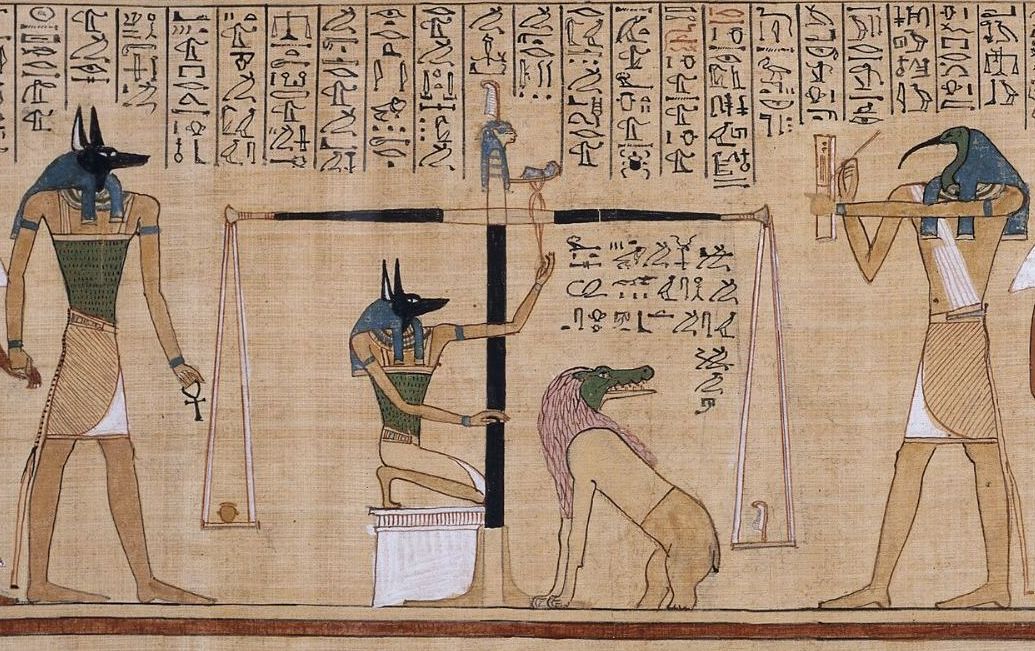 🇪🇬 EgyptAncient Egyptian afterlife beliefs
A system of rituals and texts guiding the soul through the underworld to eternal rebirthTradition · Protection · Speaking with spirits and the dead Historical
🇪🇬 EgyptAncient Egyptian afterlife beliefs
A system of rituals and texts guiding the soul through the underworld to eternal rebirthTradition · Protection · Speaking with spirits and the dead Historical
 🇮🇱 Israel and 4 moreIsaac Luriaיִצְחָק בן שלמה אשכנזי לוּרְיָא
A sixteenth-century rabbi who founded modern Kabbalah through oral teachings in Safed.Text · Speaking with spirits and the dead · Change and initiation Living
🇮🇱 Israel and 4 moreIsaac Luriaיִצְחָק בן שלמה אשכנזי לוּרְיָא
A sixteenth-century rabbi who founded modern Kabbalah through oral teachings in Safed.Text · Speaking with spirits and the dead · Change and initiation Living
 🇳🇬 NigeriaOrunmilaỌ̀rúnmìlà
Yoruba deity of wisdom and the creator of the Ifá divination systemBeing · Seeing and foretelling · Speaking with spirits and the dead Living
🇳🇬 NigeriaOrunmilaỌ̀rúnmìlà
Yoruba deity of wisdom and the creator of the Ifá divination systemBeing · Seeing and foretelling · Speaking with spirits and the dead Living
 🇿🇦 South AfricaUkuthwasa
A spiritual calling and initiation process for traditional healers in Southern Africa.Rite · Healing · Speaking with spirits and the dead Living
🇿🇦 South AfricaUkuthwasa
A spiritual calling and initiation process for traditional healers in Southern Africa.Rite · Healing · Speaking with spirits and the dead Living