🇫🇷 Magic in France
122 entries from France, best known first, across 51 places of magic.
French folklore weaves together medieval epic poetry, troubadour songs, and literary fairy tales with regional legends of spirits and monsters. These stories reflect a blend of chivalric ideals, rustic humor, and supernatural beliefs that have shaped the cultural identity of France.
- Charles Perrault wrote Cinderella and Little Red Riding Hood in 1697
- Morgan le Fay appears in Charlemagne epics as a magical figure
- Reynard the fox is a famous trickster in French mock epics
- Troubadours sang songs of courtly love in southern France
- Cheval Mallet is an evil horse that tempts travelers at night
Overview
The magical traditions of France emerge from a mix of oral storytelling and written literature. Medieval poets composed songs about courtly love and heroic deeds, while later writers collected folk tales for aristocratic audiences. The region is known for its legendary creatures and spirits, which often appear in local myths and historical epics. These narratives connect the everyday life of the people with a world of magic and wonder, preserving ancient beliefs through modern retellings.
Practices and beliefs
Stories feature trickster animals like Reynard the fox and magical objects such as the sword Durandal. Spirits include the Melusine, a water nymph, and the Lutins, small hobgoblins. Legends speak of dangerous horses like Cheval Mallet that lure travelers to their doom. Other beings include the Dames Blanches, white ladies who serve as omens, and the Matagot, a cat-like spirit associated with fortune or misfortune.
Rites and charms
Festivals and customs included processional giants and bear games. The figure of Père Fouettard appears in winter traditions, serving as a disciplinary character alongside Saint Nicholas. Seasonal celebrations often involved the Wild Hunt, a spectral procession of hunters across the sky. Local communities also honored specific saints and spirits through annual gatherings and ritual dances.
Who practises
Troubadours in the south and trouvères in the north were poet-musicians who performed songs of chivalry and love. Later, collectors like Charles Perrault and Marie Catherine d'Aulnoy transformed oral tales into literary works. These authors did not practice magic but preserved the narratives of common people, adapting them for elite readerships and ensuring their survival in print.
Regions and communities
Southern France produced Occitan literature and troubadour songs focused on courtly romance. Northern regions developed trouvère poetry and epic tales of Charlemagne. Brittany contributed legends of fairies and water spirits. Different areas maintained distinct mythical creatures and local heroes, reflecting the diverse linguistic and cultural history of the country.
The calendar
Winter festivals featured the figure of Père Fouettard, who punished naughty children. Spring and summer saw performances by troubadours celebrating love and war. Harvest time often included communal feasts and dances honoring local spirits. Specific dates were marked by the appearance of feu follet, or will-o'-the-wisp lights, believed to guide or mislead travelers at night.
Law and the state
No specific legal status or persecution is detailed in the provided text. The focus remains on literary and folkloric expressions rather than legal frameworks or state intervention in magical practices.
Today
French fairy tales remain popular through literary collections and adaptations. Modern interest in folklore continues through academic study and cultural tourism. Regional legends are preserved in museums and local festivals, keeping the memory of mythical creatures and medieval epics alive for new generations.
The facts in this overview come from the Wikipedia article "French folklore", written by its contributors and used under the CC BY-SA 4.0 licence. EveryJaadu rewrote the text in its own words, with AI assistance, and compares every page with the article to make sure no passage is copied. It may be reused under the same CC BY-SA 4.0 licence with a link back.
Places of magic in France
 🇮🇳 India and 5 moreAstrology
A divinatory practice that reads human fate through the positions of celestial bodies.Belief · Seeing and foretelling · Luck and prosperity Living
🇮🇳 India and 5 moreAstrology
A divinatory practice that reads human fate through the positions of celestial bodies.Belief · Seeing and foretelling · Luck and prosperity Living
 🇬🇧 United Kingdom and 2 moreKing ArthurBrenin Arthur
A legendary British king and folk hero of medieval literature and Welsh mythologyFigure · Power and authority · Wonder and entertainment Legendary
🇬🇧 United Kingdom and 2 moreKing ArthurBrenin Arthur
A legendary British king and folk hero of medieval literature and Welsh mythologyFigure · Power and authority · Wonder and entertainment Legendary
 🇫🇷 FranceHoly GrailSaint Graal
A cup or stone from Arthurian tales that grants healing and eternal lifeFigure · Healing · Luck and prosperity Legendary
🇫🇷 FranceHoly GrailSaint Graal
A cup or stone from Arthurian tales that grants healing and eternal lifeFigure · Healing · Luck and prosperity Legendary
 🇫🇷 France and 1 moreNostradamus
A French astrologer and physician known for a book of poetic propheciesText · Seeing and foretelling · Power and authority Historical
🇫🇷 France and 1 moreNostradamus
A French astrologer and physician known for a book of poetic propheciesText · Seeing and foretelling · Power and authority Historical
 🇬🇧 United Kingdom and 5 moreAleister Crowley
English occultist and founder of the religion of ThelemaText · Power and authority · Change and initiation Living
🇬🇧 United Kingdom and 5 moreAleister Crowley
English occultist and founder of the religion of ThelemaText · Power and authority · Change and initiation Living
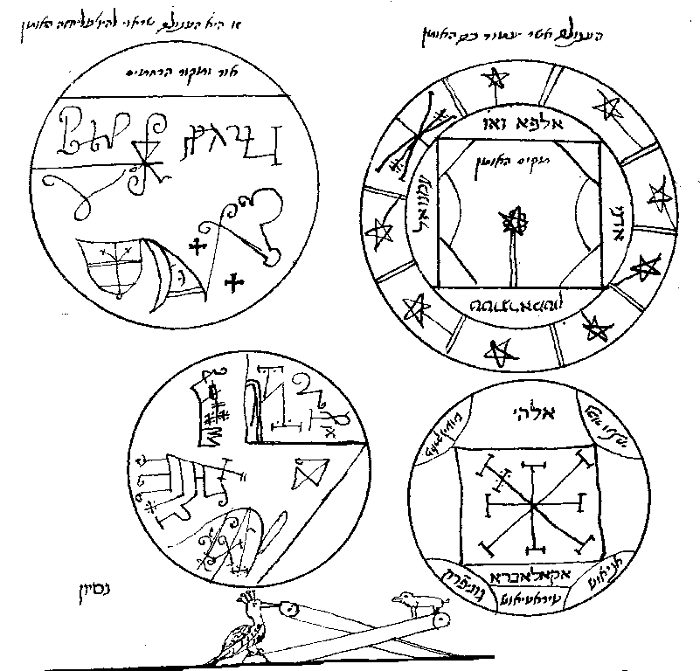 🇮🇹 Italy and 2 moreKey of SolomonClavicula Salomonis
A Renaissance grimoire attributed to King Solomon, detailing ritual preparations and invocations.Text · Cursing and harm · Love and attraction Historical
🇮🇹 Italy and 2 moreKey of SolomonClavicula Salomonis
A Renaissance grimoire attributed to King Solomon, detailing ritual preparations and invocations.Text · Cursing and harm · Love and attraction Historical
 🇫🇷 France and 2 moreÉliphas Lévi
A French writer who shaped modern occult thought and ceremonial magic.Text · Power and authority · Speaking with spirits and the dead Historical
🇫🇷 France and 2 moreÉliphas Lévi
A French writer who shaped modern occult thought and ceremonial magic.Text · Power and authority · Speaking with spirits and the dead Historical
 🇪🇬 Egypt and 1 moreDendera zodiac
A carved Egyptian sky map now held in a Paris museumText · Seeing and foretelling · Power and authority Historical
🇪🇬 Egypt and 1 moreDendera zodiac
A carved Egyptian sky map now held in a Paris museumText · Seeing and foretelling · Power and authority Historical
 🇫🇷 FranceThree Books of Occult PhilosophyDe occulta philosophia libri III
A Renaissance treatise on elemental, celestial and divine magicText · Healing · Speaking with spirits and the dead Historical
🇫🇷 FranceThree Books of Occult PhilosophyDe occulta philosophia libri III
A Renaissance treatise on elemental, celestial and divine magicText · Healing · Speaking with spirits and the dead Historical
 🇪🇬 Egypt and 5 moreHermetica
A collection of ancient texts attributed to Hermes Trismegistus, covering magic, alchemy and philosophy.Text · Seeing and foretelling · Change and initiation Historical
🇫🇷 France and 5 moreCount of St. GermainComte de Saint Germain
An 18th-century European adventurer known for alchemy, music, and claims of immortality.Figure · Power and authority · Wonder and entertainment Historical
🇪🇬 Egypt and 5 moreHermetica
A collection of ancient texts attributed to Hermes Trismegistus, covering magic, alchemy and philosophy.Text · Seeing and foretelling · Change and initiation Historical
🇫🇷 France and 5 moreCount of St. GermainComte de Saint Germain
An 18th-century European adventurer known for alchemy, music, and claims of immortality.Figure · Power and authority · Wonder and entertainment Historical
 🇫🇷 France and 1 moreBaphomet
A name from medieval trials and a symbol of occult equilibriumFigure · Power and authority Legendary
🇫🇷 France and 1 moreBaphomet
A name from medieval trials and a symbol of occult equilibriumFigure · Power and authority Legendary
 🇺🇸 United States and 5 moreSatanism
A modern set of beliefs using the figure of Satan as a symbol or deity.Tradition · Power and authority · Cursing and harm Living
🇺🇸 United States and 5 moreSatanism
A modern set of beliefs using the figure of Satan as a symbol or deity.Tradition · Power and authority · Cursing and harm Living
 🇫🇷 France and 1 moreLaying on of handsסמיכה
A physical gesture used across religions to convey authority, healing, or spiritual presence.Rite · Healing · Power and authority Living
🇫🇷 FranceEtteilla
The first professional tarot occultist who created a system for card divination.Text · Seeing and foretelling · Power and authority Historical
🇫🇷 France and 1 moreLaying on of handsסמיכה
A physical gesture used across religions to convey authority, healing, or spiritual presence.Rite · Healing · Power and authority Living
🇫🇷 FranceEtteilla
The first professional tarot occultist who created a system for card divination.Text · Seeing and foretelling · Power and authority Historical
 🇮🇶 Iraq and 5 moreGrimoire
A textbook containing instructions for spells, rituals, and the creation of magical objects.Text · Protection · Healing Historical
🇮🇶 Iraq and 5 moreGrimoire
A textbook containing instructions for spells, rituals, and the creation of magical objects.Text · Protection · Healing Historical
 🇮🇹 Italy and 3 moreRenaissance magic
A 15th and 16th century revival of magical arts blending philosophy, astrology, and hidden knowledge.Tradition · Power and authority · Seeing and foretelling Historical
🇮🇹 Italy and 3 moreRenaissance magic
A 15th and 16th century revival of magical arts blending philosophy, astrology, and hidden knowledge.Tradition · Power and authority · Seeing and foretelling Historical
 🇸🇳 Senegal and 5 moreMaraboutmurābiṭ
A Muslim religious leader and teacher in West Africa, often linked to Sufi brotherhoods.Tradition · Protection · Speaking with spirits and the dead Living
🇸🇳 Senegal and 5 moreMaraboutmurābiṭ
A Muslim religious leader and teacher in West Africa, often linked to Sufi brotherhoods.Tradition · Protection · Speaking with spirits and the dead Living
 🇫🇷 France and 5 moreYule log
A large wooden log burned in the hearth during winter festivals across Europe and North America.Tradition · Protection · Luck and prosperity Living
🇫🇷 France and 5 moreYule log
A large wooden log burned in the hearth during winter festivals across Europe and North America.Tradition · Protection · Luck and prosperity Living
 🇬🇧 United Kingdom and 1 moreMerlinMyrddin
A legendary prophet and magician from the King Arthur cycleFigure · Seeing and foretelling · Power and authority Legendary
🇬🇧 United Kingdom and 1 moreMerlinMyrddin
A legendary prophet and magician from the King Arthur cycleFigure · Seeing and foretelling · Power and authority Legendary
 🇪🇸 Spain and 5 moreAlfonso X of Castileel Sabio
A medieval king who sponsored astronomical tables and translated works on magic and astrology.Text · Power and authority · Seeing and foretelling Historical
🇪🇸 Spain and 5 moreAlfonso X of Castileel Sabio
A medieval king who sponsored astronomical tables and translated works on magic and astrology.Text · Power and authority · Seeing and foretelling Historical
 🇮🇱 Israel and 3 moreGematriaגימטריה
A numeric writing system that assigns numerical values to words and phrases for interpretation.Text · Seeing and foretelling · Power and authority Living
🇮🇱 Israel and 3 moreGematriaגימטריה
A numeric writing system that assigns numerical values to words and phrases for interpretation.Text · Seeing and foretelling · Power and authority Living
 🇫🇷 France and 1 moreCernunnos
An antlered Celtic deity depicted with torcs and serpents, known from Roman-era Gaul.Being · Power and authority · Luck and prosperity Historical
🇫🇷 France and 1 moreCernunnos
An antlered Celtic deity depicted with torcs and serpents, known from Roman-era Gaul.Being · Power and authority · Luck and prosperity Historical
 🇩🇪 Germany and 5 moreBiodynamic agriculture
An organic farming system with esoteric roots and spiritual practicesTradition · Healing · Power and authority Living
🇩🇪 Germany and 5 moreBiodynamic agriculture
An organic farming system with esoteric roots and spiritual practicesTradition · Healing · Power and authority Living
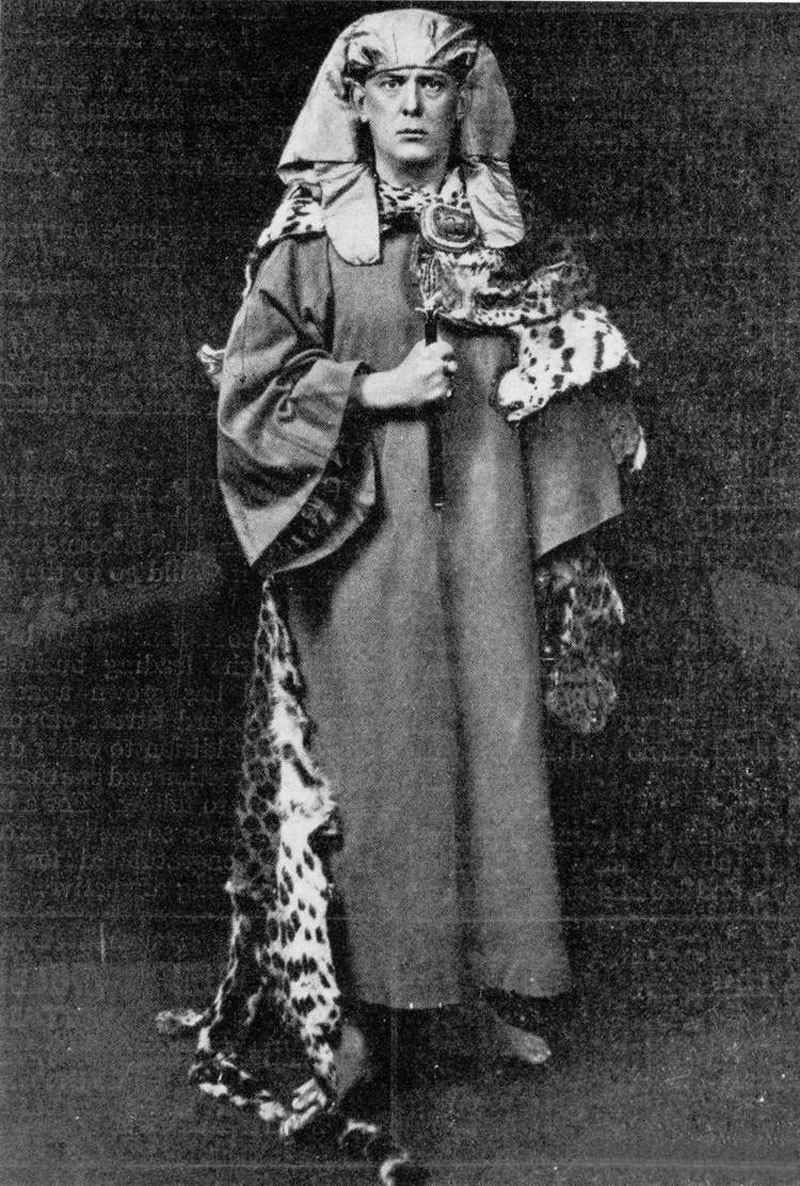 🇪🇬 Egypt and 4 moreThelema
A Western esoteric philosophy centered on discovering and following one's True WillTradition · Change and initiation · Power and authority Living
🇮🇳 India and 3 moreAstrology
A divinatory practice that links celestial positions to human affairs and earthly eventsTradition · Seeing and foretelling · Luck and prosperity Historical
🇪🇬 Egypt and 4 moreThelema
A Western esoteric philosophy centered on discovering and following one's True WillTradition · Change and initiation · Power and authority Living
🇮🇳 India and 3 moreAstrology
A divinatory practice that links celestial positions to human affairs and earthly eventsTradition · Seeing and foretelling · Luck and prosperity Historical
 🇫🇷 France and 2 moreMelusineMélusine
A water spirit of French and Luxembourgish lore, known for her serpent form and the castles she built.Figure · Luck and prosperity · Power and authority Legendary
🇺🇸 United States and 4 moreAMORCAntiquus Mysticusque Ordo Rosae Crucis
A US-based Rosicrucian order with global lodges and a focus on correspondence study.Tradition · Change and initiation · Power and authority Living
🇫🇷 France and 2 moreMelusineMélusine
A water spirit of French and Luxembourgish lore, known for her serpent form and the castles she built.Figure · Luck and prosperity · Power and authority Legendary
🇺🇸 United States and 4 moreAMORCAntiquus Mysticusque Ordo Rosae Crucis
A US-based Rosicrucian order with global lodges and a focus on correspondence study.Tradition · Change and initiation · Power and authority Living
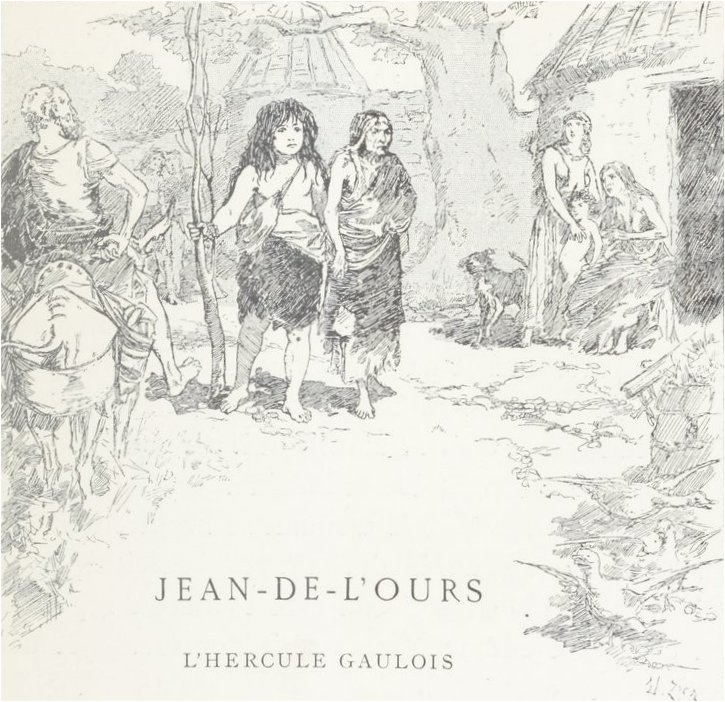 🇫🇷 France and 4 moreJean de l'Ours
A half-bear folk hero who rescues princesses from an underworld giant.Figure · Power and authority Legendary
🇫🇷 France and 4 moreJean de l'Ours
A half-bear folk hero who rescues princesses from an underworld giant.Figure · Power and authority Legendary
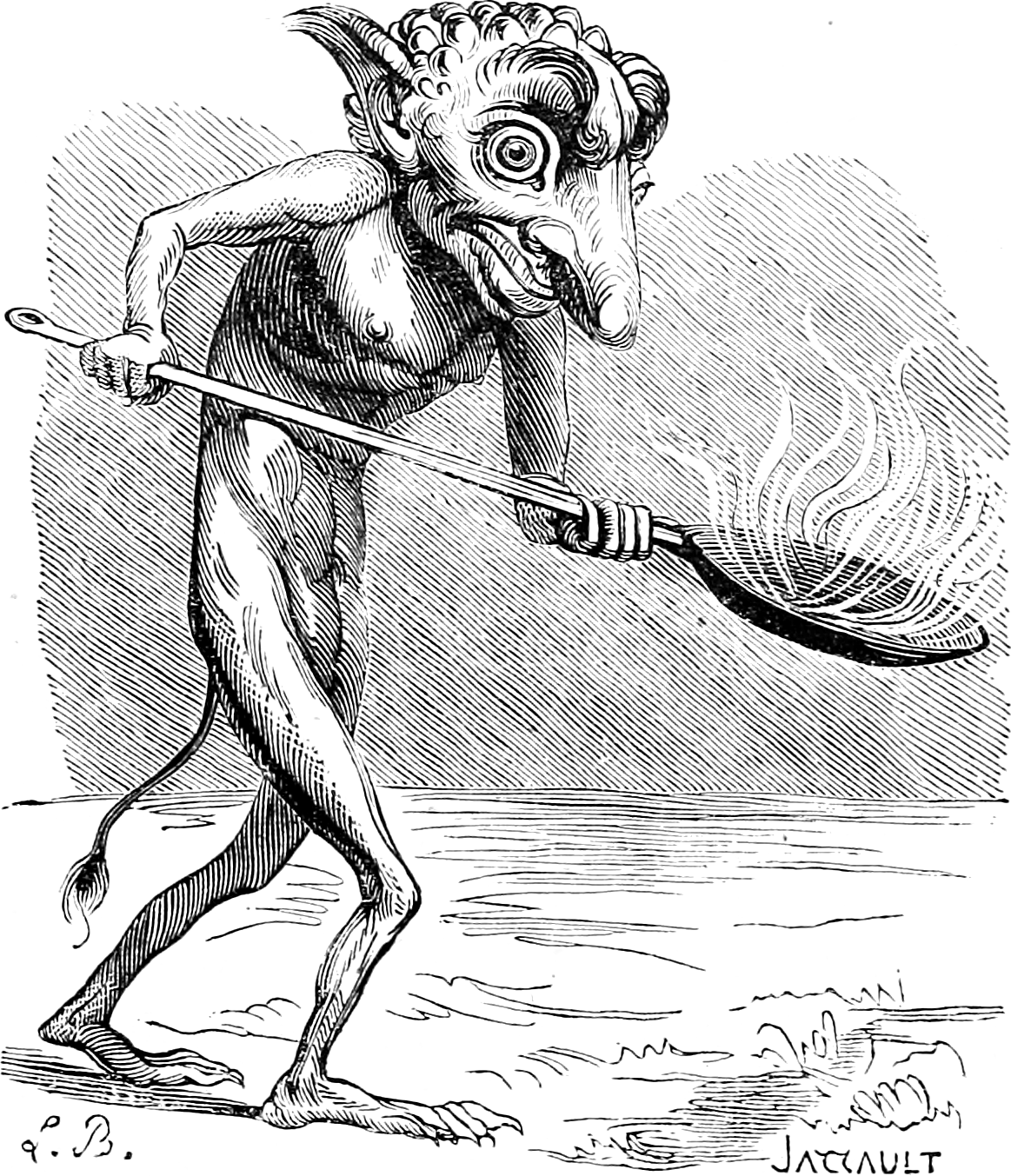 🇫🇷 FranceDictionnaire Infernal
A French demonology book cataloguing spirits and their hierarchies with engravings.Text · Power and authority Historical
🇫🇷 FranceDictionnaire Infernal
A French demonology book cataloguing spirits and their hierarchies with engravings.Text · Power and authority Historical
 🇫🇷 France and 1 moreDusios
A Gaulish spirit type later classified as an incubus demon by early Christian writersBeing · Cursing and harm · Power and authority Historical
🇫🇷 France and 1 moreDusios
A Gaulish spirit type later classified as an incubus demon by early Christian writersBeing · Cursing and harm · Power and authority Historical
Photo credits on this page
The small pictures above come from Wikimedia Commons under free licences. Some are cropped to fit.
- Yule log: Pehr Arvid Säve (1811—1887), Public domain, source
- Alfonso X of Castile: Otto Posse (1847-1921), Public domain, source
- Grimoire: Bengt A. Lundberg, CC BY 2.5, source
- Heinrich Cornelius Agrippa: Jean-Louis Durant (1654-1718), Public domain, source
- Biodynamic agriculture: Martist, CC BY-SA 4.0, source
- Sex magic: Unknown author, Public domain, source
- King Arthur: William Morris, Public domain, source
- Aleister Crowley: Aleister Crowley, Public domain, source
- Éliphas Lévi: Eliphas Lévi [1810-1875], Public domain, source
- Astrology: Wilfredor, CC0, source
- Holy Grail: Photographed by the National Library of Wales, CC0, source
- Cernunnos: Nationalmuseet, Roberto Fortuna og Kira Ursem, Public domain, source
- Three Books of Occult Philosophy: Heinrich Cornelius Agrippa, Public domain, source
- Baphomet: Eliphas Levi, Public domain, source
- Laying on of hands: User:Lipsio, CC BY 3.0, source
- Gematria: Bethsheba Ashe, CC BY-SA 4.0, source
- Satanism: Alexandre Cabanel, Public domain, source
- Nostradamus: After César de Notre-Dame, Public domain, source
- Key of Solomon: Anonymous Unknown author, Public domain, source
- Marabout: Jan Broekhuijse, CC BY-SA 3.0, source
- Renaissance magic: Unknown author, Public domain, source
- Merlin: Howard Pyle, Public domain, source
- Dendera zodiac: Shonagon, CC0, source
- Melusine: GilPe, CC BY-SA 3.0, source
- Jean de l'Ours: Édouard François Zier (1856–1924), illustrator, Public domain, source
- Dictionnaire Infernal: Louis Le Breton, Public domain, source
- Dusios: Eric Hunt, CC BY-SA 2.5, source
The weekly digest
Every Monday: seven entries you may not know, what is on the calendar this week, and one rite drawn step by step.