🇫🇷 Magic in France
179 entries from France, best known first, across 80 places of magic.
French folklore weaves together medieval epic poetry, troubadour songs, and literary fairy tales with regional legends of spirits and monsters. These stories reflect a blend of chivalric ideals, rustic humor, and supernatural beliefs that have shaped the cultural identity of France.
- Charles Perrault wrote Cinderella and Little Red Riding Hood in 1697
- Morgan le Fay appears in Charlemagne epics as a magical figure
- Reynard the fox is a famous trickster in French mock epics
- Troubadours sang songs of courtly love in southern France
- Cheval Mallet is an evil horse that tempts travelers at night
Overview
The magical traditions of France emerge from a mix of oral storytelling and written literature. Medieval poets composed songs about courtly love and heroic deeds, while later writers collected folk tales for aristocratic audiences. The region is known for its legendary creatures and spirits, which often appear in local myths and historical epics. These narratives connect the everyday life of the people with a world of magic and wonder, preserving ancient beliefs through modern retellings.
Practices and beliefs
Stories feature trickster animals like Reynard the fox and magical objects such as the sword Durandal. Spirits include the Melusine, a water nymph, and the Lutins, small hobgoblins. Legends speak of dangerous horses like Cheval Mallet that lure travelers to their doom. Other beings include the Dames Blanches, white ladies who serve as omens, and the Matagot, a cat-like spirit associated with fortune or misfortune.
Rites and charms
Festivals and customs included processional giants and bear games. The figure of Père Fouettard appears in winter traditions, serving as a disciplinary character alongside Saint Nicholas. Seasonal celebrations often involved the Wild Hunt, a spectral procession of hunters across the sky. Local communities also honored specific saints and spirits through annual gatherings and ritual dances.
Who practises
Troubadours in the south and trouvères in the north were poet-musicians who performed songs of chivalry and love. Later, collectors like Charles Perrault and Marie Catherine d'Aulnoy transformed oral tales into literary works. These authors did not practice magic but preserved the narratives of common people, adapting them for elite readerships and ensuring their survival in print.
Regions and communities
Southern France produced Occitan literature and troubadour songs focused on courtly romance. Northern regions developed trouvère poetry and epic tales of Charlemagne. Brittany contributed legends of fairies and water spirits. Different areas maintained distinct mythical creatures and local heroes, reflecting the diverse linguistic and cultural history of the country.
The calendar
Winter festivals featured the figure of Père Fouettard, who punished naughty children. Spring and summer saw performances by troubadours celebrating love and war. Harvest time often included communal feasts and dances honoring local spirits. Specific dates were marked by the appearance of feu follet, or will-o'-the-wisp lights, believed to guide or mislead travelers at night.
Law and the state
No specific legal status or persecution is detailed in the provided text. The focus remains on literary and folkloric expressions rather than legal frameworks or state intervention in magical practices.
Today
French fairy tales remain popular through literary collections and adaptations. Modern interest in folklore continues through academic study and cultural tourism. Regional legends are preserved in museums and local festivals, keeping the memory of mythical creatures and medieval epics alive for new generations.
The facts in this overview come from the Wikipedia article "French folklore", written by its contributors and used under the CC BY-SA 4.0 licence. EveryJaadu rewrote the text in its own words, with AI assistance, and compares every page with the article to make sure no passage is copied. It may be reused under the same CC BY-SA 4.0 licence with a link back.
Places of magic in France
 🇫🇷 France and 2 moreKing ArthurBrenin Arthur
A legendary British king and folk hero of medieval literature and Welsh mythologyFigure · Power and authority · Wonder and entertainment Legendary
 🇫🇷 FranceHoly GrailSaint Graal
A cup or stone from Arthurian legend with miraculous powersFigure · Healing · Luck and prosperity Legendary
🇮🇹 Italy and 3 moreJoseph Pinetti
An eighteenth-century magician who brought illusion to the theatre and pioneered stage advertising.Illusion · Wonder and entertainment Historical
 🇪🇸 Spain and 5 moreSt John's Eve
A Christian vigil marked by bonfires and plant gathering on the summer solstice eveRite · Protection · Speaking with spirits and the dead Living
 🇮🇹 Italy and 3 moreEusapia Palladino
An Italian medium whose séances were investigated by leading scientists and magicians in the late nineteenth century.Illusion · Wonder and entertainment · Speaking with spirits and the dead Historical
 🇺🇸 United States and 4 moreHarry Kellar
An American illusionist known for large-scale stage magic and mechanical tricks.Illusion · Wonder and entertainment Historical
 🇫🇷 France and 3 moreAlexander Herrmann
A 19th-century magician known for sleight of hand and card throwingIllusion · Wonder and entertainment Historical
 🇺🇸 United States and 1 moreChung Ling Soo程連蘇
An American stage magician who performed as a Chinese man and died during a bullet catch illusion.Illusion · Wonder and entertainment Historical
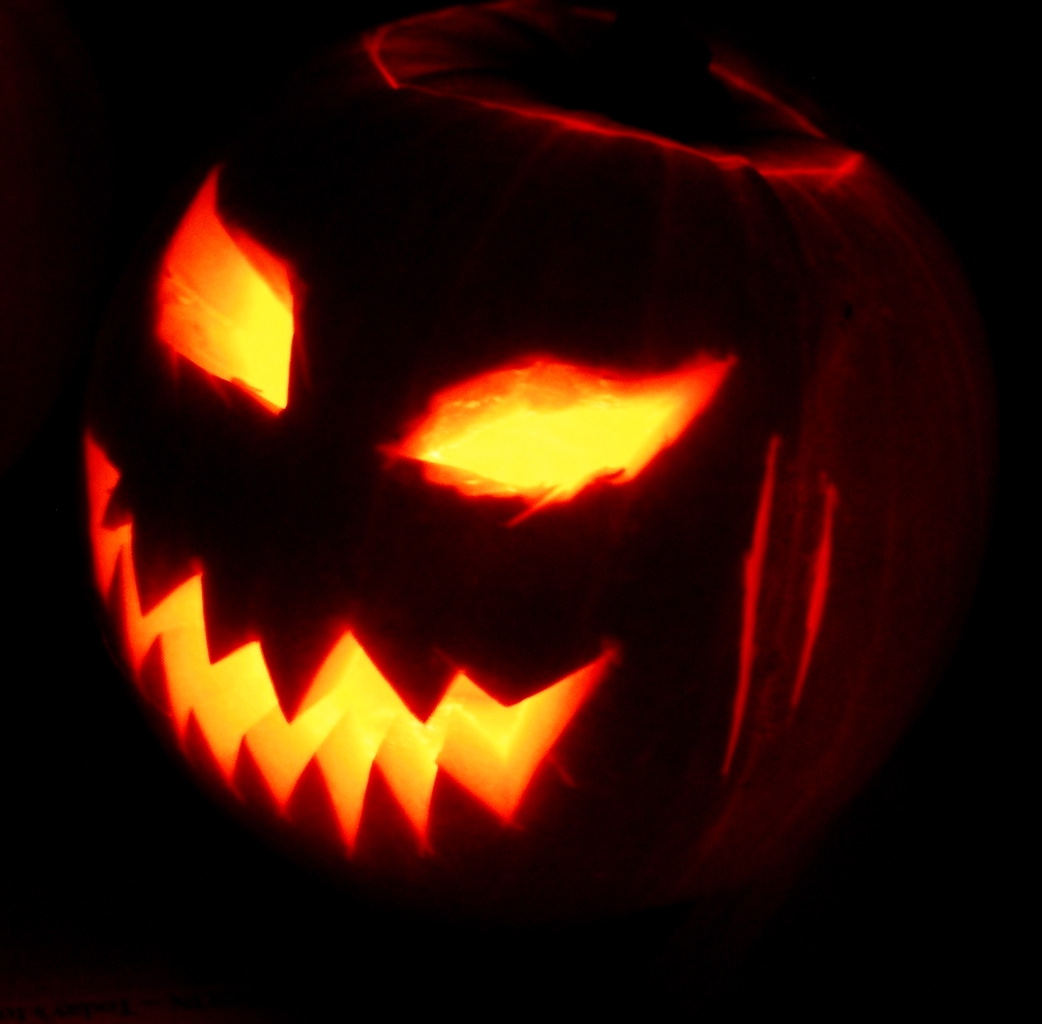 🇮🇪 Ireland and 5 moreHalloween
A Christian vigil on 31 October for the dead, now marked by costumes and carved vegetablesRite · Speaking with spirits and the dead · Protection Living
🇫🇷 France and 5 moreCount of St. GermainComte de Saint Germain
An 18th-century European adventurer known for alchemy, music, and claims of immortality.Figure · Power and authority · Wonder and entertainment Historical
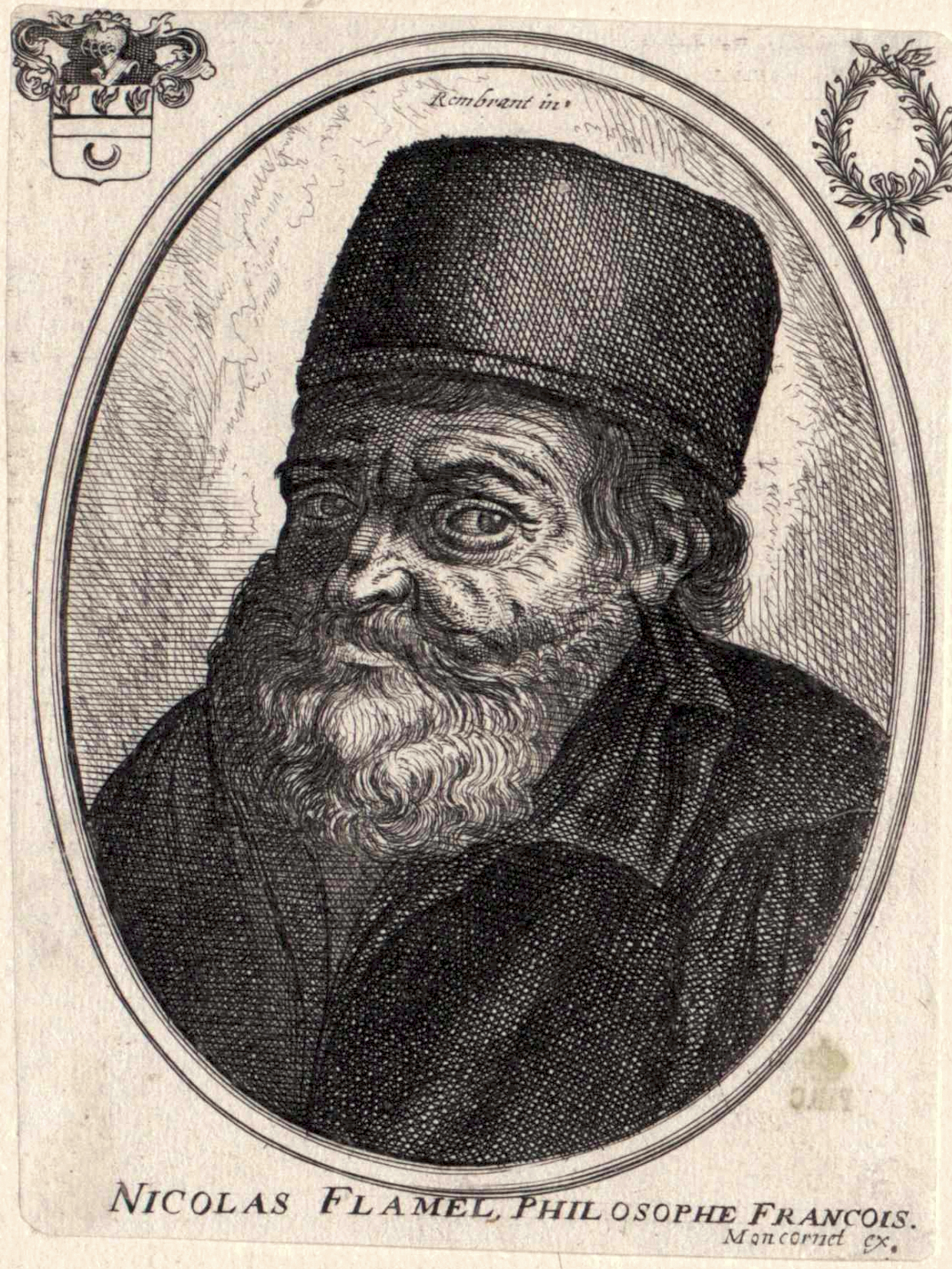 🇫🇷 FranceNicolas Flamel
A medieval scribe turned legendary alchemist and immortal in fictionFigure · Wonder and entertainment Legendary
 🇮🇹 Italy and 1 moreThe Fool
A tarot card of unique status, depicting a wanderer or madman outside the numbered sequence.Text · Wonder and entertainment Historical
 🇮🇹 Italy and 3 moreSaturnalia
An ancient Roman winter festival of role reversal and feasting in honor of SaturnTradition · Luck and prosperity · Wonder and entertainment Historical
🇷🇺 Russia and 3 moreNart sagaНарты кадджытæ
A collection of epic tales from the North Caucasus about a legendary group of heroes.Text · Wonder and entertainment Historical
 🇬🇧 United Kingdom and 3 moreWelsh mythologyY Chwedlau
The ancient legends of Wales and the Celtic Britons, preserved in medieval manuscripts.Tradition · Wonder and entertainment Historical
 🇬🇧 United Kingdom and 3 moreGreen Man
A carved face made of leaves, used as a decorative motif in architecture and art.Illusion · Wonder and entertainment Revived
 🇬🇧 United Kingdom and 3 moreHobby horse
A costumed character made from wood or cloth used in seasonal folk customs and processions.Illusion · Luck and prosperity · Wonder and entertainment Living
 🇫🇷 France and 1 moreStage magic
A performing art of tricks and illusions that entertain audiences using natural meansIllusion · Wonder and entertainment Living
🇫🇷 France and 4 moreRéveillon
A long Christmas or New Year's Eve dinner held to stay awake until morningTradition · Luck and prosperity · Wonder and entertainment Living
 🇫🇷 France and 4 moreMorgan le FayFée Morgane
An Arthurian enchantress known for her shifting role as healer and adversaryFigure · Healing · Cursing and harm Legendary
 🇮🇪 Ireland and 5 moreFairy ring
A natural ring of mushrooms surrounded by folklore about dancing spirits and witches.Belief · Wonder and entertainment Living
🇫🇷 France and 5 moreBuatier De Kolta
A French stage magician known for mechanical illusions and the vanishing chair.Illusion · Wonder and entertainment Historical
 🇮🇹 Italy and 4 moreTarottarocchi
A set of cards for games and divination, with roots in fifteenth-century ItalyText · Wonder and entertainment · Seeing and foretelling Living
 🇫🇷 France and 1 moreJean-Eugène Robert-Houdin
A French magician who turned conjuring into a refined theatrical art.Illusion · Wonder and entertainment Historical
 🇺🇸 United States and 5 moreMediumship
The practice of mediating communication between the living and spirits of the dead.Tradition · Speaking with spirits and the dead · Healing Living
 🇲🇦 Morocco and 5 moreGnawa musicڭْناوة or كْناوة
A Moroccan ritual music tradition rooted in West African heritage and Islamic practiceTradition · Healing · Speaking with spirits and the dead Living
 🇮🇳 India and 1 moreFire eating
A stage act of extinguishing flames in the mouth using physics and skillIllusion · Wonder and entertainment Performed
 🇩🇪 Germany and 3 morePhantasmagoria
A horror theatre using magic lanterns to project moving ghosts and demonsIllusion · Wonder and entertainment · Cursing and harm Historical
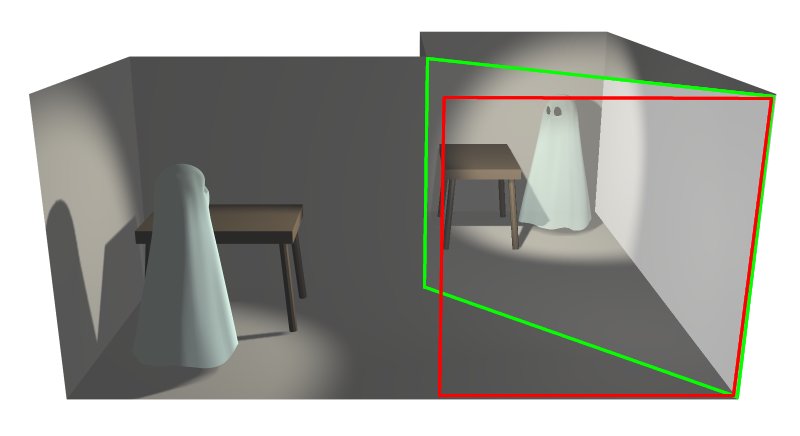 🇬🇧 United Kingdom and 5 morePepper's ghost
A stage illusion using angled glass to project hidden actors as visible ghostsIllusion · Wonder and entertainment Living
 🇺🇸 United States and 5 moreBullet catch
A stage illusion where a magician appears to catch a fired bullet in their mouth or handIllusion · Wonder and entertainment Living
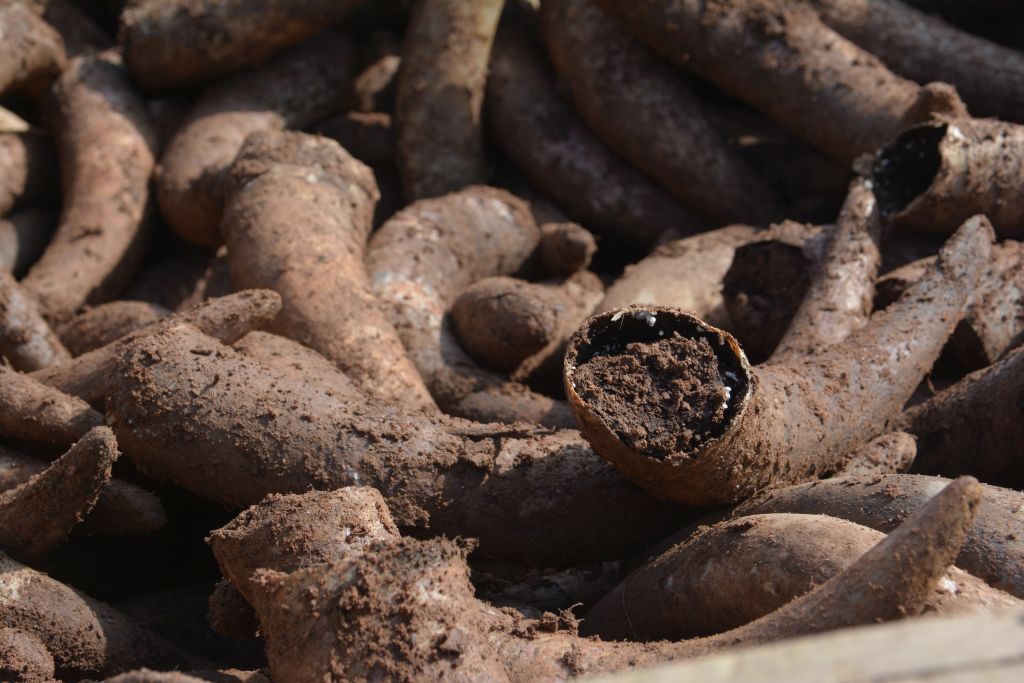 🇩🇪 Germany and 5 moreBiodynamic agriculture
An organic farming system with esoteric roots and spiritual practicesTradition · Healing · Power and authority Living
 🇮🇹 Italy and 2 morePiedmontese tarotTarocco Piemontese
A 78-card Italian deck used for trick-taking games in northern Italy and beyondTradition · Wonder and entertainment Living
 🇮🇹 Italy and 2 moreTarocco Bolognese
A 62-card Italian tarot deck from Bologna used for games and cartomancyText · Wonder and entertainment · Seeing and foretelling Living
 🇮🇹 Italy and 1 moreHippogriffippogrifo
A legendary hybrid creature with the front of an eagle and the back of a horse.Figure · Wonder and entertainment Legendary
 🇬🇷 Greece and 3 moreHippocampusἱππόκαμπος
A mythological hybrid of a horse and fish from ancient Mediterranean culturesBeing · Wonder and entertainment Legendary
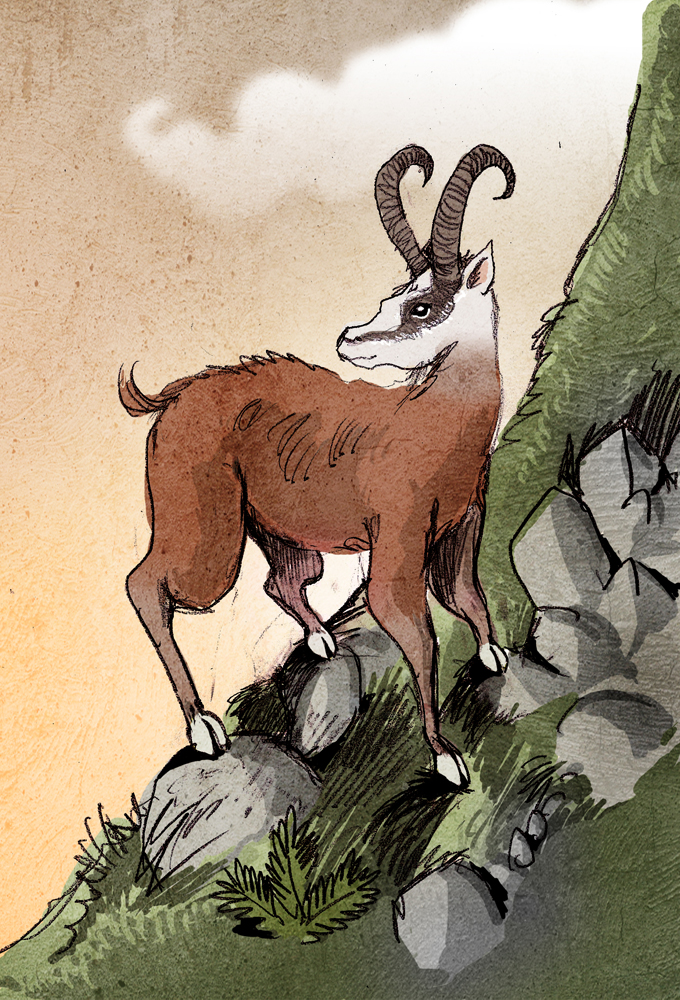 🇫🇷 France and 3 moreDahu
A French mountain legend about an asymmetrical goat used in practical jokesFigure · Wonder and entertainment Legendary
 🇫🇷 FranceYan-gant-y-tan
A Breton demon who carries five candles and is said to bring bad luck.Being · Cursing and harm · Wonder and entertainment Historical
 🇫🇷 France and 2 moreTarasqueTarasca
A mythical beast from Provence tamed by Saint Martha and paraded in festivalsBeing · Wonder and entertainment Living
 🇨🇭 Switzerland and 1 moreSylphsylphes
An air spirit from Paracelsian alchemy and later literatureBeing · Wonder and entertainment Legendary
🇨🇦 Canada and 5 moreSorcerer's Safari Magic Camp
A performance arts camp in Toronto that teaches magic tricks to young people.Illusion · Wonder and entertainment Living
 🇫🇷 FranceThéâtre Robert-Houdin
A Paris venue for stage magic founded by Jean-Eugène Robert-Houdin and later directed by Georges MélièsIllusion · Wonder and entertainment Historical
 🇫🇷 France and 1 moreGargoylegargouille
A carved stone waterspout shaped like a creature, used on Gothic buildings to shed rainwaterCharm · Protection · Wonder and entertainment Historical
 🇫🇷 France and 1 moreChapeaugraphy
A novelty act using a single ring of felt to form different hatsIllusion · Wonder and entertainment Revived
 🇩🇪 Germany and 2 moreChink-a-chink
A close-up coin trick where objects appear to jump between locations until gathered togetherIllusion · Wonder and entertainment Living
 🇬🇧 United Kingdom and 5 moreStreet performance
Public entertainment offered for voluntary tips in open spacesIllusion · Wonder and entertainment · Luck and prosperity Living
 🇫🇷 France and 1 moreDogme et Rituel de la Haute Magie
A foundational treatise on ritual magic by Éliphas Lévi, structured around the tarot.Text · Power and authority · Wonder and entertainment Historical
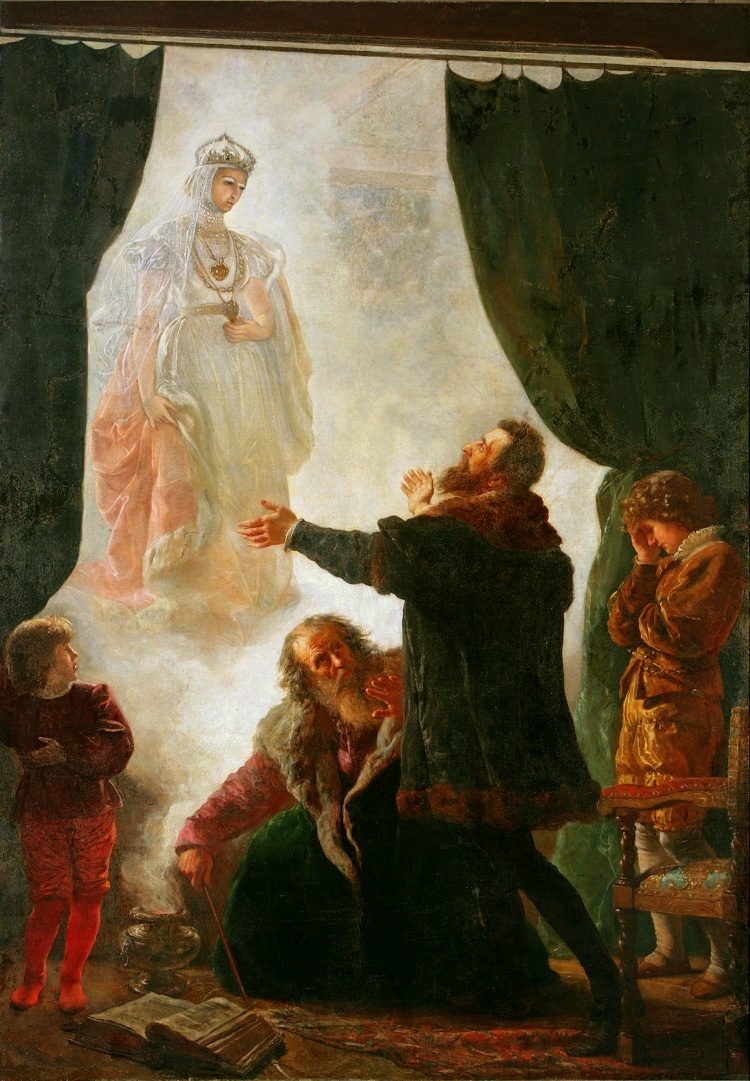 🇩🇪 Germany and 4 moreWeiße Frauen
Elven spirits of sunlight and water in Germanic folkloreBeing · Wonder and entertainment Historical
🇺🇸 United States and 5 moreVanishing hitchhiker
An urban legend where a motorist picks up a passenger who vanishes, often leaving behind proof of their death.Belief · Seeing and foretelling · Wonder and entertainment Living
Photo credits on this page
The small pictures above come from Wikimedia Commons under free licences. Some are cropped to fit.
- Levitation: Godot13, CC BY-SA 3.0, source
- Chink-a-chink: Niklaus Gerber, CC BY 3.0, source
- Halloween: Toby Ord, CC BY-SA 2.5, source
- Jean-Eugène Robert-Houdin: Carcharoth (Commons), CC BY-SA 3.0, source
- Holy Grail: Photographed by the National Library of Wales, CC0, source
- Eusapia Palladino: Baldi., Public domain, source
- St John's Eve: Jules Breton, Public domain, source
- Hobby horse: Timkevan at English Wikipedia, Public domain, source
- Nicolas Flamel: Balthasar Moncornet, Public domain, source
- Phantasmagoria: Alphonse de Neuville or A. Jahandier, Public domain, source
- Fire eating: Arvind Jain, CC BY-SA 2.0, source
- Biodynamic agriculture: Martist, CC BY-SA 4.0, source
- Mediumship: Harvey Metcalfe, Public domain, source
- Alexander Herrmann: Photographer unidentified, Public domain, source
- The Fool: Johann Georg Rauch, Public domain, source
- Bullet catch: Dave Fayram, CC BY 2.0, source
- Hippocampus: Unknown author, CC BY-SA 2.0, source
- Welsh mythology: Unknown author, Public domain, source
- Green Man: Unknown author, Public domain, source
- Harry Kellar: Unknown author, Public domain, source
- Fairy ring: User:Mrs skippy, Public domain, source
- Piedmontese tarot: Argonitros, CC BY-SA 4.0, source
- Tarasque: Olivier, CC BY-SA 4.0, source
- Saturnalia: Themadchopper, Antoine-François Callet, CC0, source
- Dahu: Philippe Semeria, CC BY 3.0, source
- Théâtre Robert-Houdin: anonymous, Public domain, source
- Weiße Frauen: Wojciech Gerson, Public domain, source
- Morgan le Fay: Frederick Sandys, Public domain, source
- Pepper's ghost: The original uploader was Wapcaplet at English Wikipedia ., CC BY-SA 3.0, source
- Yan-gant-y-tan: Louis Le Breton, Public domain, source
- King Arthur: William Morris, Public domain, source
- Hippogriff: LadyofHats, CC0, source
- Dogme et Rituel de la Haute Magie: Eliphas Levi, Public domain, source
- Gnawa music: Lucyin, CC BY-SA 4.0, source
- Tarot: World Web Playing Card Museum, Public domain, source
- Gargoyle: Bernard Gagnon, CC BY-SA 4.0, source
- Chapeaugraphy: Penny Pictorial Magazine, Public domain, source
- Street performance: Dwight Burdette, CC BY 3.0, source
- Sylph: Copyright by Rufus Watles & L.C. Sanger, lithograph by Sarony, Major &, Public domain, source
- Tarocco Bolognese: Countakeshi, CC BY-SA 4.0, source
- Chung Ling Soo: AndyScott, CC BY-SA 4.0, source
The weekly digest
Every Monday: seven entries you may not know, what is on the calendar this week, and one rite drawn step by step.