Folk and village custom: magic in this belief world
Rural and household beliefs that belong to no single organised religion.
Folk and village custom is the large body of belief and practice that belongs to no organised religion: the charm against the evil eye, the cure for warts, the fairy hawthorn, the household spirit, the lucky day. It is passed within families and communities and exists in every society. This page looks at how it is kept, who keeps it, and why it is both valued and dismissed. It is also called popular religion, vernacular religion or lived religion by scholars.
Keepers and settings
Keepers are often older women, farmers, midwives, shepherds and craftsmen. Settings are the house, field, well, crossroads and church porch. European cunning folk offered help for fees and kept charms and books. In many Asian and African villages the specialist is a healer, a diviner or a spirit medium working beside religion. The same grandmother may light a candle at church, tie a thread on a child and say a charm for a burn, and see no conflict between them.
Names and labels
The same thing carries many names: the evil eye is the nazar, mal de ojo and ayin hara. Folklorists collected such customs from the nineteenth century, sometimes as relics of a vanished past and sometimes as living culture. The label folk also marks class, since the term often implies rural, poor or uneducated, a bias that modern scholars try to avoid. Where the village has a wise woman or a bone-setter, the community knows what to ask of her and what she will refuse to do.
Religion, state and reform
Churches, mosques and temples have absorbed, tolerated and condemned folk practice in turn. States have banned it as backward: Chinese campaigns against superstition in the twentieth century closed local temples and shrines, and Soviet policy targeted village healers. At times governments have turned to it as national heritage, as in revived festivals across Europe and Asia. Historians and folklorists note that it often keeps old customs alive within newer religions, such as lighting fires at midsummer within Christian saints' days.
Change and commerce
Urban life and migration thin out folk knowledge, while heritage projects and the internet gather it. Customs reappear as products, such as protective charms in shops and festival tourism. Some folk practice carries harm: village accusation of witchcraft, treatments that delay medical care, and fees charged to relieve fear. Illness needs real medical care. In places with active heritage movements, folk custom has become a source of pride, and young people record songs and cures from grandparents before they are lost.
Folk and village custom on EveryJaadu
The entries written up so far, best known first.
 🇮🇪 Ireland and 3 moreFairy path
An invisible route used by fairies, often straight and connecting sacred sitesBelief · Cursing and harm · Protection Historical
 🇮🇪 IrelandJack O'The Lantern
An Irish folktale about a deceitful man condemned to wander with a carved lanternFigure · Wonder and entertainment Historical
 🇬🇧 United KingdomMadgy Figgy's Chair
A granite rock in Cornwall linked to a legendary witch and her storm conjuringFigure · Cursing and harm · Luck and prosperity Historical
🇬🇧 United KingdomCaoineag
A Highland spirit whose night cries signal impending death for a specific family lineBeing · Seeing and foretelling Historical
 🇯🇵 JapanKasha火車
A Japanese yōkai that steals corpses from funerals and gravesBeing · Cursing and harm Historical
🇮🇷 IranPersian mysticism
A spiritual tradition in Iran blending ancient beliefs with Sufi practice and poetic thought.Tradition · Speaking with spirits and the dead · Change and initiation Living
 🇻🇳 VietnamNghêNghê (猊)
A mythical guardian creature in Vietnamese architecture and art, blending lion and dog traitsFigure · Protection Historical
 🇯🇵 JapanHyōsubeひょうすべ
A hairy river spirit of Kyushu that eats eggplants and brings fever.Being · Cursing and harm Historical
🇨🇲 CameroonNyongo society
A witch legend from Cameroon used to explain sudden wealth and unexplained deathBelief · Cursing and harm · Luck and prosperity Living
🇯🇵 JapanYamajijii山爺
A one-eyed mountain spirit from Shikoku folklore known for its thunderous voice and unpredictable nature.Being · Cursing and harm · Luck and prosperity Historical
🇯🇵 JapanShiranui不知火
Atmospheric ghost lights of the Yatsushiro and Ariake Seas in JapanBelief · Wonder and entertainment · Luck and prosperity Historical
🇲🇦 Morocco and 1 moreZuhriزوهري
A human-djinn hybrid child in North African folklore, sought for treasure ritualsBeing · Luck and prosperity · Cursing and harm Fading
 🇮🇸 IcelandYule catJólakötturinn
A giant feline from Icelandic folklore that threatens those without new Christmas clothesFigure · Cursing and harm Living
 🇨🇳 ChinaFish in Chinese mythology鱼 (yú)
A cultural symbol of wealth and abundance in Chinese traditionBelief · Luck and prosperity · Love and attraction Living
 🇷🇺 Russia and 2 moreBesomвеник
A twig broom used for sweeping, folk magic, and fire responseCharm · Protection · Wonder and entertainment Living
 🇯🇵 JapanMomiji Legend紅葉伝説
A Japanese tale of a demoness defeated by a warrior on Mount TogakushiFigure · Cursing and harm · Protection Historical
 🇫🇷 France and 4 moreEctoplasm
A substance said to be excreted by mediums during séances, later exposed as common household materials.Substance · Speaking with spirits and the dead Historical
 🇮🇹 Italy and 1 moreGrim Reaper
A hooded skeleton with a scythe, representing death in Western art and story.Figure · Cursing and harm Historical
 🇷🇺 Russia and 5 moreFiredrakeognennyi zmei
A European dragon myth born from sightings of shooting stars and will-o'-the-wispsBeing · Cursing and harm · Luck and prosperity Historical
🇷🇺 RussiaVolkhovnikВолховник
A lost Old Russian divination book of omens and signsText · Seeing and foretelling · Healing Historical
🇯🇵 JapanOshiroibabā白粉ばばあ
A yōkai old woman from Nara folklore linked to white powder and mirrors.Being · Wonder and entertainment Historical
 🇺🇸 United StatesHaint blue
A pale blue-green paint kept on porches to turn ghosts and boo hags awayCharm · Protection Living
🇺🇸 United States and 1 moreBaskerville effect
A theory that superstition about unlucky numbers causes heart attacks through stressBelief · Cursing and harm Historical
🇬🇷 Greece and 1 moreMaternal impression
A discredited theory that a mother's shock or thoughts can mark her unborn childBelief · Cursing and harm Historical
 🇬🇧 United Kingdom and 4 moreSpiritualism
A metaphysical belief that spirits communicate with the living through mediums.Belief · Speaking with spirits and the dead Living
🇮🇶 Iraq and 1 moreAramaic Uruk incantation
A Seleucid-era magical tablet written in Aramaic using cuneiform signsText · Cursing and harm · Protection Historical
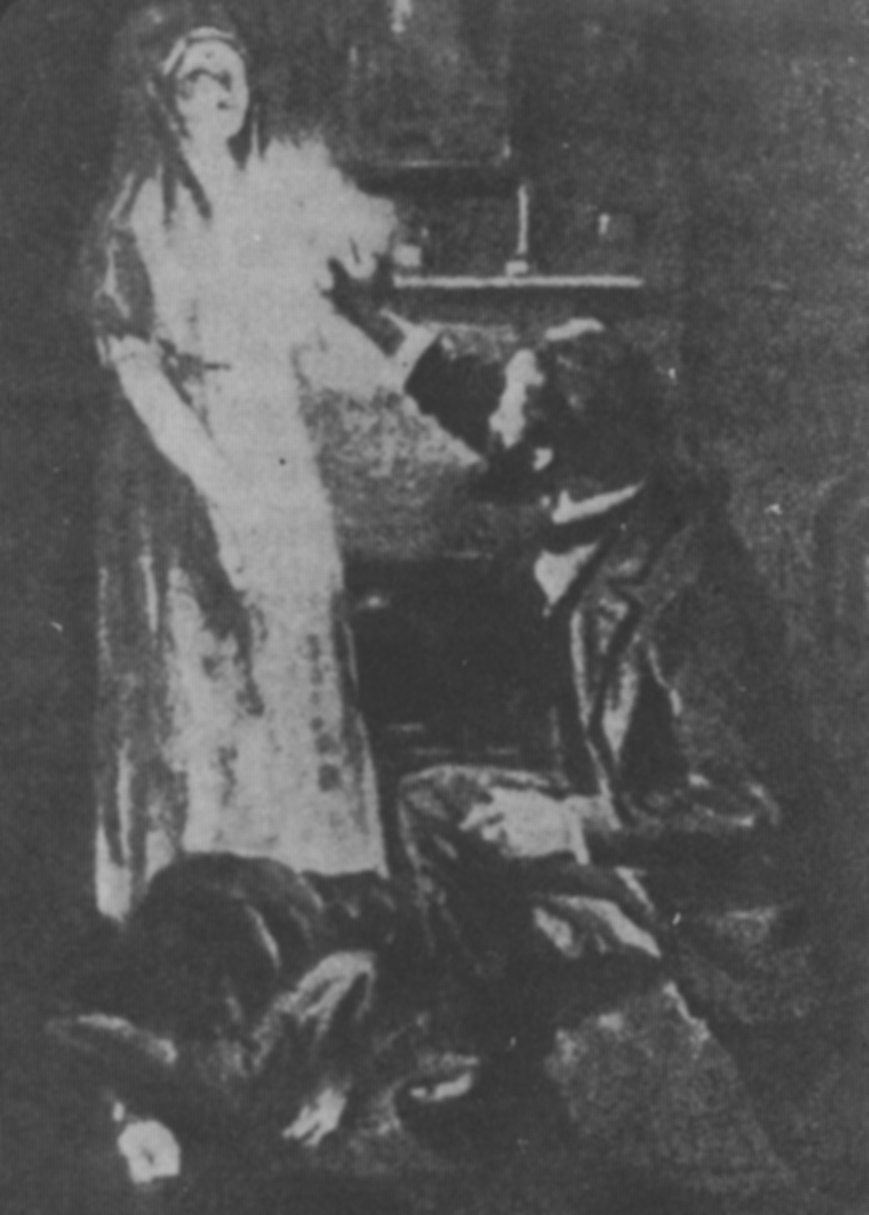 🇩🇪 Germany and 3 moreMaterialization (paranormal)
The claimed appearance of matter from unknown sources in spiritualist séancesBelief · Wonder and entertainment Historical
 🇺🇸 United States and 2 moreElectronic voice phenomenon
Sounds on recordings interpreted as spirit voices by enthusiasts and dismissed as noise by scientistsBelief · Speaking with spirits and the dead Living
🇷🇺 RussiaBook of prophecieschrismologion
A literary genre collecting prophecies and divination methodsText · Seeing and foretelling · Power and authority Historical
 🇮🇷 Iran and 5 moreAxis mundi
A concept describing a central point connecting the earthly and heavenly realms.Belief · Speaking with spirits and the dead · Power and authority Historical
🇮🇹 ItalyWitchcraft in Italy
Inquisition trials, a fertility cult and love magic in early modern ItalyTradition · Protection · Healing Living
 🇫🇷 FranceLou DrapéLo drapet
A legendary white horse from southern France that abducts wandering children.Figure · Cursing and harm · Protection Historical
🇮🇳 IndiaCausal plane
A high spiritual realm in Theosophy and New Age cosmologyBelief · Speaking with spirits and the dead · Change and initiation Living
 🇫🇷 FranceHoules fairyGwenn fadoù
Immortal coastal fairies of Brittany who live in sea caves and aid humansBeing · Protection · Healing Historical
 🇩🇿 AlgeriaTassili Mushroom Figure
Neolithic cave art in Algeria interpreted by some as depicting psychedelic mushroom use.Belief · Speaking with spirits and the dead · Wonder and entertainment Historical
 🇬🇧 United KingdomCurse of Scotland
A nickname for a playing card linked to bad luck and Scottish historyBelief · Luck and prosperity Historical
 🇮🇹 ItalyUR Group
An Italian esoteric circle studying magic and traditional philosophy in the late 1920s.Tradition · Speaking with spirits and the dead · Change and initiation Historical
Photo credits on this page
The small pictures above come from Wikimedia Commons under free licences. Some are cropped to fit.
- Spiritualism: Internet Archive Book Images, No restrictions, source
- Materialization (paranormal): Unknown author, Public domain, source
- Electronic voice phenomenon: Omegatron, CC BY-SA 3.0, source
- Mediumship: Harvey Metcalfe, Public domain, source
- Fairy path: Aviddoghug at English Wikipedia ( Original text: David Gough ), Public domain, source
- Madgy Figgy's Chair: Jim Champion, CC BY-SA 3.0, source
- Kasha: Brigham Young University, CC BY-SA 4.0, source
- Nghê: Phương Huy, CC BY-SA 4.0, source
- Fish in Chinese mythology: Daderot, Public domain, source
- Grim Reaper: Jaroslav A. Polák, CC BY 4.0, source
- Firedrake: Ramesh Kumar R, CC BY-SA 4.0, source
- Haint blue: Lake Lou, CC BY 2.0, source
- Axis mundi: Unknown author, Public domain, source
- Lou Drapé: Morburre, CC BY-SA 3.0, source
- Houles fairy: Minseong Kim, CC BY-SA 4.0, source
- Curse of Scotland: James Gillray (died 1815), Public domain, source
- UR Group: Gruppo di Ur, Public domain, source
- Jack O'The Lantern: Bodrugan, CC BY-SA 3.0, source
- Yule cat: Christine Rondeau, CC BY 2.0, source
- Besom: https://en.wikipedia.org/wiki/David_Cox_(artist), Public domain, source
- Tassili Mushroom Figure: I redrawn the rock art written by ancient people., Public domain, source
- Hyōsube: Brigham Young University, CC BY-SA 4.0, source
- Momiji Legend: Tengoro, CC BY-SA 3.0, source