Nyongo society
from Douala nyunga, meaning one who captured a magical python that becomes a rainbow
A witch legend from Cameroon used to explain sudden wealth and unexplained death
The Nyongo is a supposed secret society of witches in Cameroon. The belief explains rapid wealth accumulation and sudden death as the result of pacts with this hidden group.
- Douala origin: nyunga means capturing a python-rainbow
- Bakweri legend split into sacrifice or fake death versions
- Tin roofs became stigmatized markers of membership
- Picking up coins could trap victims in the society
- Decapitation prevents deceased members from rising as ekongi
What it is
The Nyongo society is a legendary group of witches believed to operate across Cameroon. British anthropologist Edwin Ardener first documented these legends in the 1950s during what he termed the Nyongo Terror in the Southwest Province. The belief serves as an explanation for social phenomena, particularly sudden wealth and unexpected death. It is not a formal organization but a cultural narrative used to interpret misfortune or suspicious success within communities.
Where it comes from
The term originates with the Douala people of the coast. They used the word nyunga to describe someone who captured a magical python that transforms into a rainbow. By the time of the Second World War, the Bakweri people associated the society with Mount Kupe. From there, the legend evolved into distinct versions regarding how members acquired power and maintained their status through supernatural means.
How it is done
Legends describe various methods for joining or being affected by the society. One version claims human sacrifice pays debts to the group. Another suggests victims are made to appear dead using rat carcasses to mask the scent, then secretly buried while still alive to work for the society. In later accounts, simply picking up a coin dropped by a practitioner could bind a person to the group's influence.
Tools and materials
Tin roofs became a suspected marker of membership, leading to housing shortages as people avoided modern construction. Dead rats were used in burial rituals to simulate death. Coins found on the ground were feared as traps set by practitioners to ensnare new victims. These items served as physical signs in a belief system focused on invisible spiritual contracts.
Nyongo society, drawn and placed
- Living
- Revived
- Fading
- Historical
- Legendary
- Performed
- Lineage
- Cameroonian witch legend
- Timing
- null
What it is for
The belief explains the accumulation of wealth and the occurrence of death. Sudden riches are viewed as evidence of a pact with the society. If a wealthy person dies, it is often interpreted as a failure to pay required offerings. The narrative also addresses social unrest, linking economic changes to supernatural causes rather than market forces.
Who does it
Scholars like Edwin Ardener recorded the beliefs. Local communities hold the narratives. Witch-hunters such as Obasi Njom were hired to perform ju-ju rituals to remove alleged members. The Wimbum evangelicals later adapted the concept to fit their own religious frameworks, expanding the perceived reach of the society beyond specific geographic locations.
Peoples and places
The belief spans from coastal Douala groups to interior Beti and Bakossi peoples. It reached northern Bamileke and Bamenda populations. The Wimbum evangelicals modified the legend in the 1970s to align with their theological views. Each group added details, such as cannibalism rumors or specific mountain meeting places, adapting the core story to local contexts.
At a glance: who, where and when
Who does it
Belief worlds
What people believe
The worldview posits an invisible network controlling fate. Members gain wealth through supernatural means, often at the cost of others' lives or labor. Death is seen as a transaction; failing to pay the society results in demise. The ekongi, a rising corpse, is feared as a consequence of improper burial practices for suspected members.
When it is done
No specific festivals or calendar days are tied to the society. Accusations arise during crises, such as road accidents killing children or sudden business failures. Wealth accumulation triggers suspicion. The belief operates continuously, influencing daily interactions and economic decisions without a fixed schedule.
How scholars and sceptics see it
Edwin Ardener analyzed the legends as part of the Nyongo Terror. Researchers view the belief as a response to social change and economic disparity. The narrative helps communities process rapid wealth and sudden loss. Anthropologists note how the legend adapts to different ethnic groups and historical periods, reflecting shifting social anxieties.
Cautions and what is closed
Accusations lead to violence, including decapitation or face-down burial of the deceased. A headmaster was removed after a school accident killed children. Businesses fail if customers believe the owner uses society funds. Witch-hunters cause harm through violent rituals. The belief fuels paranoia and social division.
Compare and confuse
Similar to other African witchcraft beliefs that explain misfortune through secret societies. The zombie-like servant trope appears in various Caribbean and African traditions. The tin roof stigma resembles other markers of suspected witchcraft. The concept differs from formal religious organizations, operating instead as a pervasive folk narrative.
Questions people ask about Nyongo society
What is the Nyongo society?
It is a legendary group of witches in Cameroon. Believers say they control wealth and death through secret pacts. The concept explains sudden riches and unexplained deaths in communities.
Where does the name come from?
It comes from the Douala word nyunga. This describes a person who captures a magical python that turns into a rainbow. The legend spread from the coast to inland regions.
How do people join the society?
Legends vary. Some say human sacrifice pays debts. Others claim victims are buried alive to work for the group. Picking up a dropped coin could also bind someone to the society.
Why are tin roofs feared?
People believed members built tin roofs to signal their status. This caused a housing shortage as locals avoided modern materials. Association with metal roofing implied witchcraft ties.
Good reading and sources
The facts on this page come from the Wikipedia article "Nyongo society", written by its contributors and used under the CC BY-SA 4.0 licence, and from its Wikidata record (CC0). EveryJaadu rewrote the text in its own words, with AI assistance, and compares every page with the article to make sure no passage is copied. It may be reused under the same CC BY-SA 4.0 licence with a link back.
It may contain mistakes. Names and customs differ from one community to the next, and some knowledge is closed to outsiders and left out here. This page describes belief and practice. It does not say that any of it works, it is not a how-to, and it is not medical advice. If something is wrong, tell us. Last refreshed 2026-10-06.
More from Cameroon
All the entries from Cameroon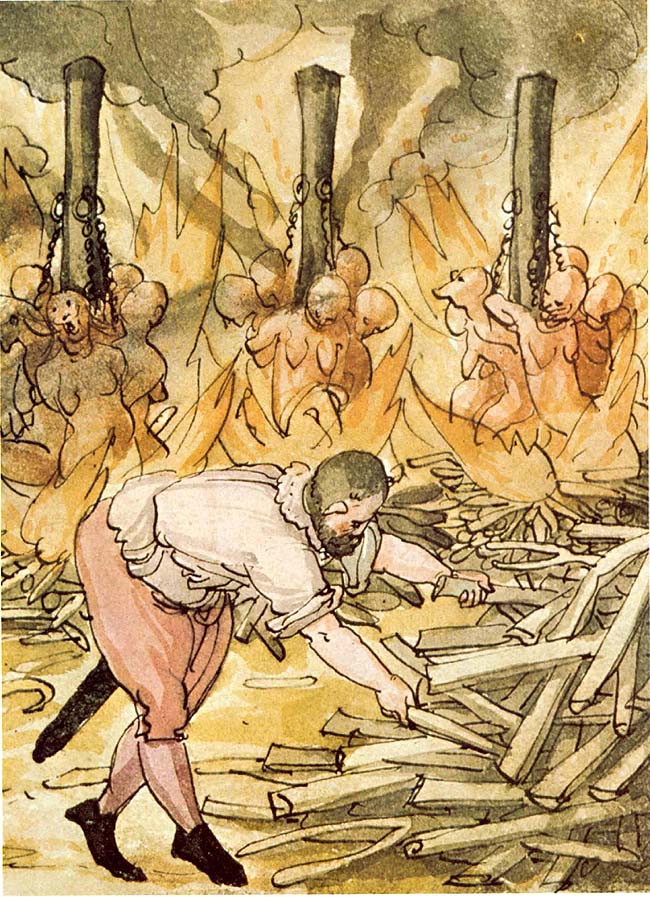 🇸🇦 Saudi Arabia and 5 moreWitch hunt
A campaign to find and punish people accused of using magic for harmBelief · Cursing and harm Historical
🇸🇦 Saudi Arabia and 5 moreWitch hunt
A campaign to find and punish people accused of using magic for harmBelief · Cursing and harm Historical
 🇳🇬 Nigeria and 4 moreJuju
A West African spiritual belief system involving charms and ritualsTradition · Healing · Luck and prosperity Living
🇳🇬 Nigeria and 4 moreJuju
A West African spiritual belief system involving charms and ritualsTradition · Healing · Luck and prosperity Living
 🇨🇬 Republic of the Congo and 2 moreMokele-mbembemokèlé-mbèmbé
A water-dwelling legend from Central Africa, often linked to sauropods or rhinos.Being · Wonder and entertainment Legendary
🇨🇬 Republic of the Congo and 2 moreMokele-mbembemokèlé-mbèmbé
A water-dwelling legend from Central Africa, often linked to sauropods or rhinos.Being · Wonder and entertainment Legendary
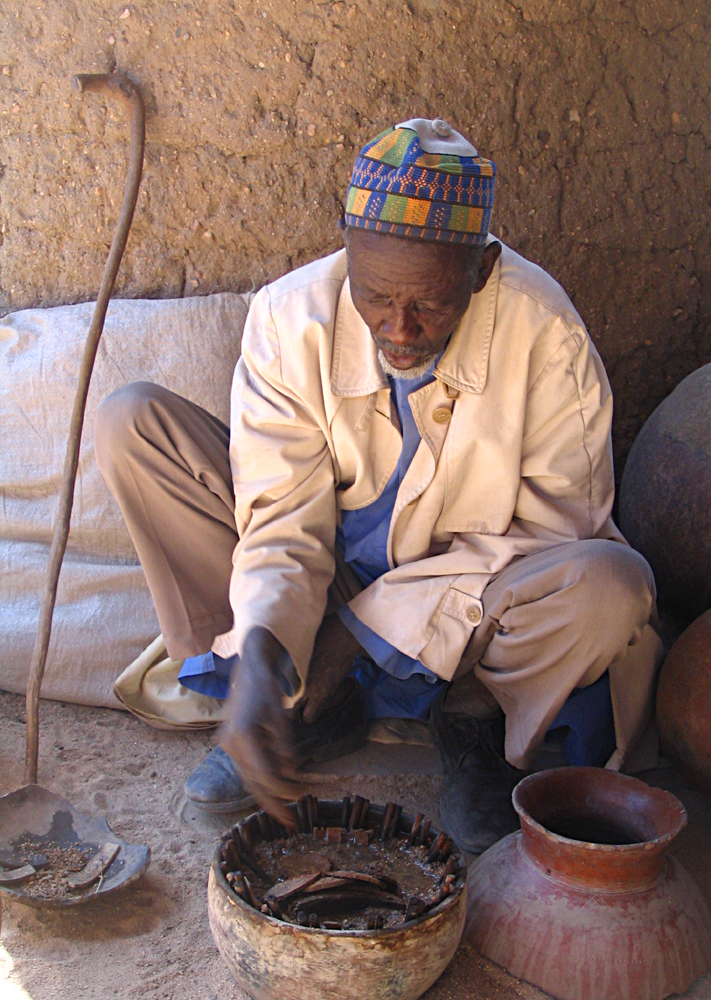 🇨🇲 Cameroon and 2 moreNggam
A divination practice in western Cameroon using spiders and crabs to answer questionsOracle · Seeing and foretelling Living
🇨🇲 Cameroon and 2 moreNggam
A divination practice in western Cameroon using spiders and crabs to answer questionsOracle · Seeing and foretelling Living
Related elsewhere
All belief 🇷🇸 Serbia and 5 moreVampire
An undead creature from folklore that feeds on the blood or life force of the livingBeing · Cursing and harm · Luck and prosperity Legendary
🇷🇸 Serbia and 5 moreVampire
An undead creature from folklore that feeds on the blood or life force of the livingBeing · Cursing and harm · Luck and prosperity Legendary
 🇪🇬 EgyptCurse
A spoken wish for misfortune to befall a person or placeBelief · Cursing and harm · Luck and prosperity Historical
🇺🇸 United StatesPukwudgie
A short forest spirit from Algonquian lore, known for mischief and danger.Being · Cursing and harm · Luck and prosperity Legendary
🇪🇬 EgyptCurse
A spoken wish for misfortune to befall a person or placeBelief · Cursing and harm · Luck and prosperity Historical
🇺🇸 United StatesPukwudgie
A short forest spirit from Algonquian lore, known for mischief and danger.Being · Cursing and harm · Luck and prosperity Legendary
 🇮🇳 India and 5 moreHoliहोली
A Hindu spring festival marked by coloured powders and bonfires to celebrate love and virtue.Tradition · Love and attraction · Cursing and harm Living
🇮🇳 India and 5 moreHoliहोली
A Hindu spring festival marked by coloured powders and bonfires to celebrate love and virtue.Tradition · Love and attraction · Cursing and harm Living