Folk and village custom: magic in this belief world
Rural and household beliefs that belong to no single organised religion.
Folk and village custom is the large body of belief and practice that belongs to no organised religion: the charm against the evil eye, the cure for warts, the fairy hawthorn, the household spirit, the lucky day. It is passed within families and communities and exists in every society. This page looks at how it is kept, who keeps it, and why it is both valued and dismissed. It is also called popular religion, vernacular religion or lived religion by scholars.
Keepers and settings
Keepers are often older women, farmers, midwives, shepherds and craftsmen. Settings are the house, field, well, crossroads and church porch. European cunning folk offered help for fees and kept charms and books. In many Asian and African villages the specialist is a healer, a diviner or a spirit medium working beside religion. The same grandmother may light a candle at church, tie a thread on a child and say a charm for a burn, and see no conflict between them.
Names and labels
The same thing carries many names: the evil eye is the nazar, mal de ojo and ayin hara. Folklorists collected such customs from the nineteenth century, sometimes as relics of a vanished past and sometimes as living culture. The label folk also marks class, since the term often implies rural, poor or uneducated, a bias that modern scholars try to avoid. Where the village has a wise woman or a bone-setter, the community knows what to ask of her and what she will refuse to do.
Religion, state and reform
Churches, mosques and temples have absorbed, tolerated and condemned folk practice in turn. States have banned it as backward: Chinese campaigns against superstition in the twentieth century closed local temples and shrines, and Soviet policy targeted village healers. At times governments have turned to it as national heritage, as in revived festivals across Europe and Asia. Historians and folklorists note that it often keeps old customs alive within newer religions, such as lighting fires at midsummer within Christian saints' days.
Change and commerce
Urban life and migration thin out folk knowledge, while heritage projects and the internet gather it. Customs reappear as products, such as protective charms in shops and festival tourism. Some folk practice carries harm: village accusation of witchcraft, treatments that delay medical care, and fees charged to relieve fear. Illness needs real medical care. In places with active heritage movements, folk custom has become a source of pride, and young people record songs and cures from grandparents before they are lost.
Folk and village custom on EveryJaadu
The entries written up so far, best known first.
 🇹🇹 Trinidad and Tobago and 3 moreCaribbean folklore
The blended tales and spirits of the Caribbean islandsTradition · Wonder and entertainment Living
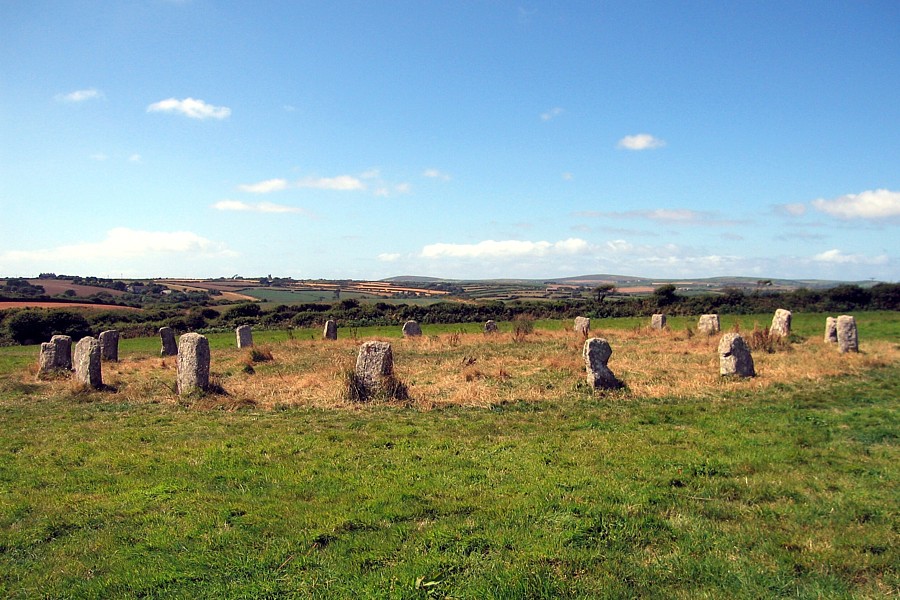 🇬🇧 United KingdomCornish mythology
The folk tales and legends of Cornwall, shared with Brittany and Wales.Tradition · Wonder and entertainment Historical
 🇪🇸 SpainFolklore of Spain
The oral traditions, legends, and folktales of the Iberian PeninsulaTradition · Wonder and entertainment Living
 🇺🇸 United States and 5 moreMediumship
The practice of mediating communication between the living and spirits of the dead.Tradition · Speaking with spirits and the dead · Healing Living
 🇺🇸 United StatesHex sign
Pennsylvania Dutch barn symbols that range from folk art to talismansCharm · Protection · Wonder and entertainment Living
 🇬🇧 United KingdomBeltane Fire Festival
A modern Edinburgh performance celebrating the start of summer with fire and danceRite · Wonder and entertainment · Power and authority Living
 🇨🇴 ColombiaColombian folklore
Beliefs and legends passed down through generations in ColombiaTradition · Wonder and entertainment Living
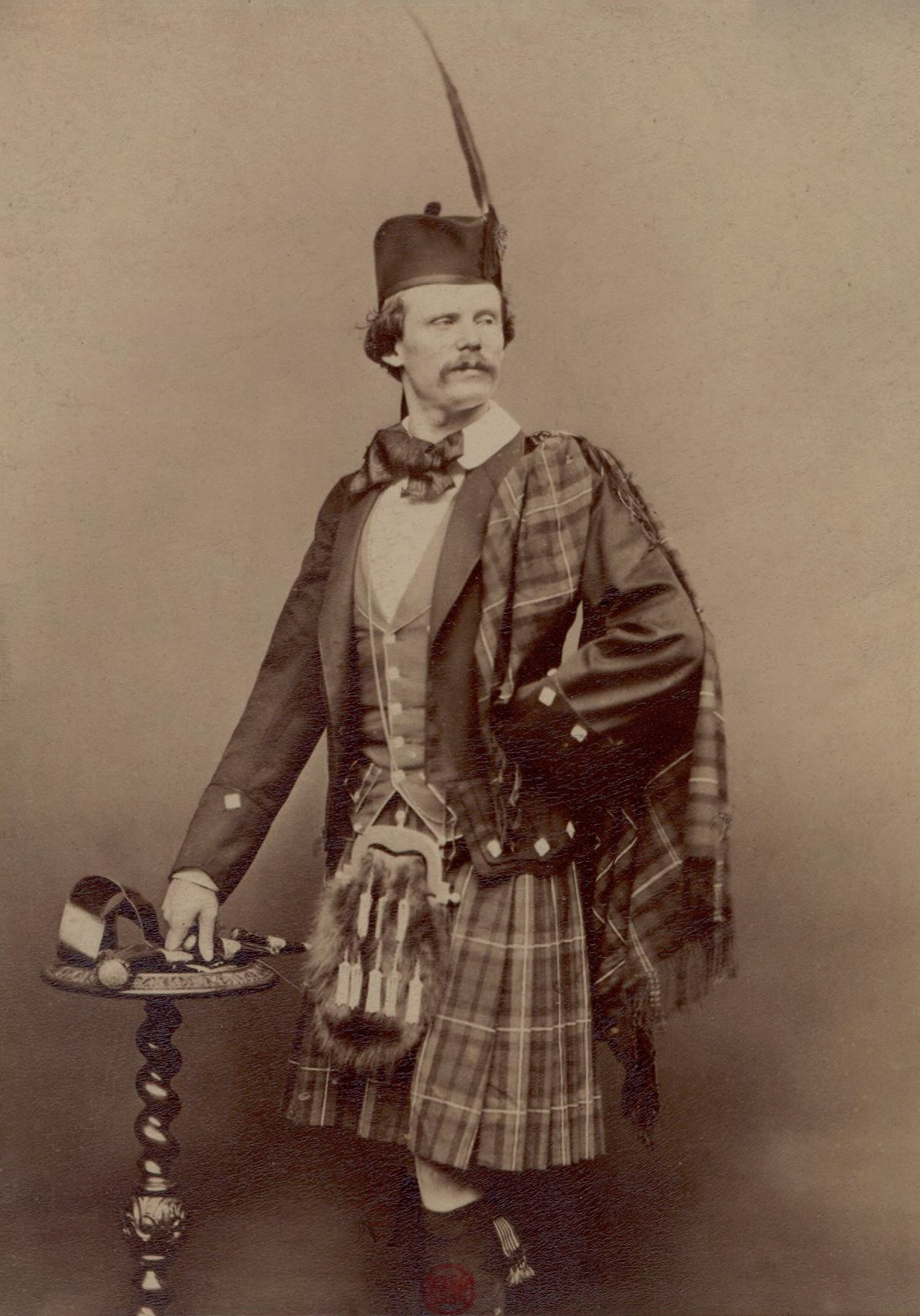 🇬🇧 United Kingdom and 2 moreDaniel Dunglas Home
A Scottish physical medium known for levitation and spirit communication during the Victorian era.Belief · Speaking with spirits and the dead · Wonder and entertainment Historical
 🇮🇪 Ireland and 5 moreFairy ring
A natural ring of mushrooms surrounded by folklore about dancing spirits and witches.Belief · Wonder and entertainment Living
 🇧🇷 BrazilThe Hairy LegPerna cabeluda
A Brazilian urban legend of a detached leg that attacks people at nightFigure · Cursing and harm · Wonder and entertainment Historical
 🇯🇵 JapanAosaginohi青鷺火
A Japanese will-o'-the-wisp attributed to the glowing flight of herons at nightBelief · Wonder and entertainment Historical
🇬🇧 United Kingdom and 1 moreThirteen Treasures of the Island of BritainTri Thlws ar Ddeg Ynys Prydain
A collection of magical objects from late-medieval Welsh legendText · Wonder and entertainment Historical
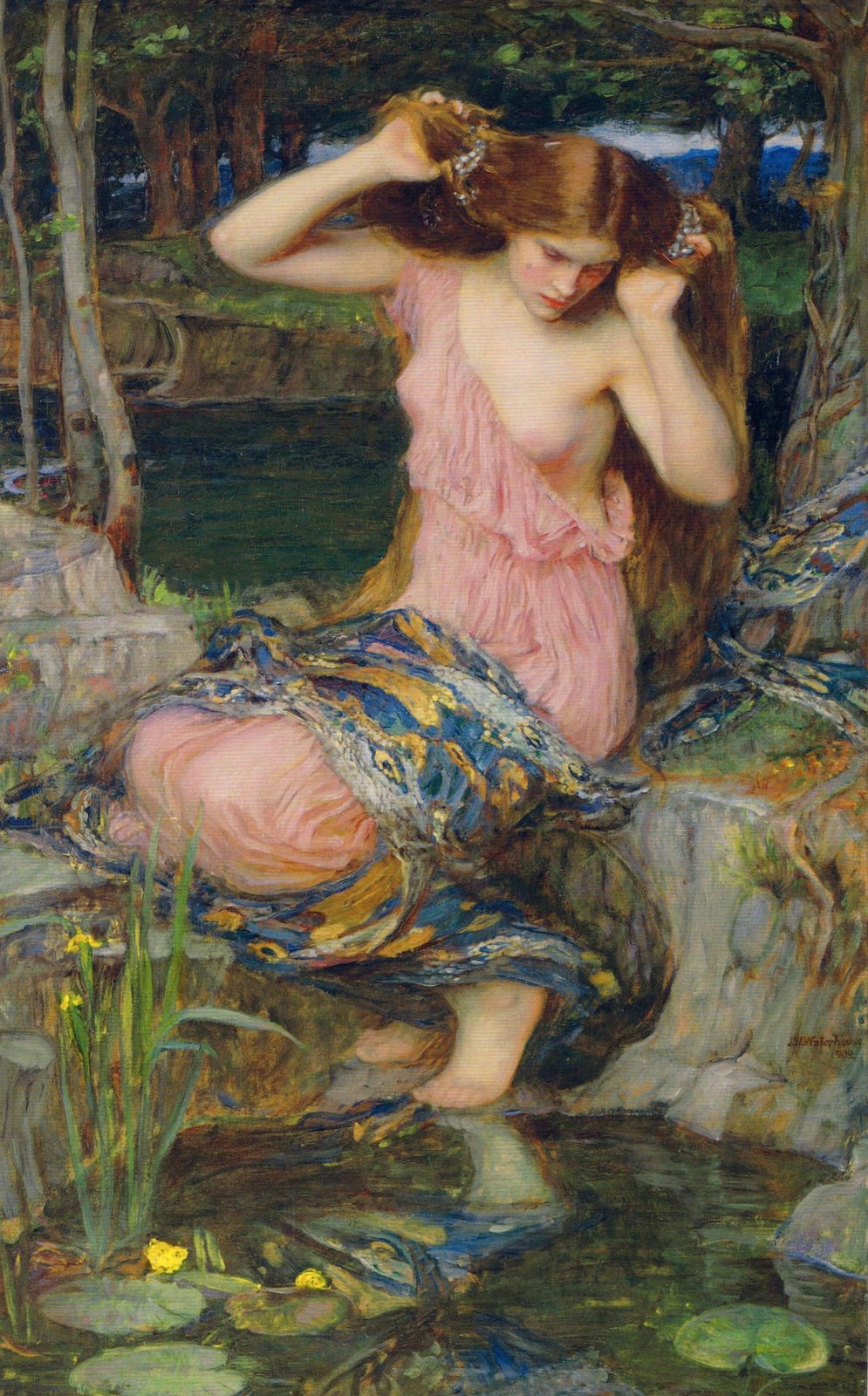 🇪🇸 SpainAnjanaanˈhana / an.xa.nɜ
Cantabrian fairies who protect forests and bring gifts to children.Being · Protection · Luck and prosperity Historical
 🇫🇷 FranceYan-gant-y-tan
A Breton demon who carries five candles and is said to bring bad luck.Being · Cursing and harm · Wonder and entertainment Historical
 🇮🇹 ItalyScrofa semilanuta
A legendary sow seen in a dream that became the ancient emblem of Milan.Figure · Wonder and entertainment · Seeing and foretelling Historical
 🇲🇲 MyanmarMythical creatures in Burmese folklore
A collection of spirits, beasts and hybrids from Myanmar's stories and playsBeing · Wonder and entertainment Living
 🇭🇺 Hungary and 1 moreSárkány
A winged reptilian beast from Hungarian folklore, linked to weather and literary heroes.Being · Cursing and harm · Wonder and entertainment Historical
 🇮🇪 IrelandJack O'The Lantern
An Irish folktale about a deceitful man condemned to wander with a carved lanternFigure · Wonder and entertainment Historical
🇬🇧 United KingdomDunnie
A border spirit that mimics horses and sings of lost treasureBeing · Cursing and harm · Wonder and entertainment Historical
 🇬🇷 GreeceNymphνύμφη
A nature spirit from Greek myth, tied to specific places like springs or trees, often seen as a maiden.Being · Healing · Seeing and foretelling Historical
 🇩🇿 AlgeriaTassili Mushroom Figure
Neolithic cave art in Algeria interpreted by some as depicting psychedelic mushroom use.Belief · Speaking with spirits and the dead · Wonder and entertainment Historical
 🇸🇨 Seychelles and 2 moreLegends of the Coco de Mer
Myths surrounding a rare palm nut shaped like human body partsBelief · Wonder and entertainment Historical
🇮🇳 IndiaBaakবাক
A shapeshifting water spirit from Assamese folklore that mimics humans and fears torn nets.Being · Cursing and harm · Wonder and entertainment Living
 🇷🇺 Russia and 2 moreBesomвеник
A twig broom used for sweeping, folk magic, and fire responseCharm · Protection · Wonder and entertainment Living
🇯🇵 JapanShiranui不知火
Atmospheric ghost lights of the Yatsushiro and Ariake Seas in JapanBelief · Wonder and entertainment · Luck and prosperity Historical
🇯🇵 JapanOshiroibabā白粉ばばあ
A yōkai old woman from Nara folklore linked to white powder and mirrors.Being · Wonder and entertainment Historical
🇯🇵 JapanTaka-Onna高女
A Japanese yokai of a tall woman said to spy on brothels from above.Being · Wonder and entertainment Historical
🇯🇵 Japan and 3 moreThoughtography念写
A claimed psychic ability to imprint mental images directly onto photographic film.Belief · Wonder and entertainment Historical
🇷🇸 Serbia and 3 moreBožićБожић
A Slavic figure linked to the new year and spring, whose name now marks ChristmasFigure · Luck and prosperity · Wonder and entertainment Historical
 🇩🇪 Germany and 3 moreMaterialization (paranormal)
The claimed appearance of matter from unknown sources in spiritualist séancesBelief · Wonder and entertainment Historical
Photo credits on this page
The small pictures above come from Wikimedia Commons under free licences. Some are cropped to fit.
- Materialization (paranormal): Unknown author, Public domain, source
- Caribbean folklore: Biblioteca Juvenil Mayaguez ( talk · contribs ), CC BY-SA 4.0, source
- Anjana: John William Waterhouse, Public domain, source
- The Hairy Leg: Diógenes Montenegro, Public domain, source
- Nymph: Unknown author, Public domain, source
- Mythical creatures in Burmese folklore: Unknown author, CC BY 4.0, source
- Cornish mythology: waterborough, Public domain, source
- Folklore of Spain: Mikipons, CC BY-SA 4.0, source
- Besom: https://en.wikipedia.org/wiki/David_Cox_(artist), Public domain, source
- Yan-gant-y-tan: Louis Le Breton, Public domain, source
- Ectoplasm: Harvey Metcalfe, Public domain, source
- Hex sign: Smallbones, CC0, source
- Beltane Fire Festival: Stefan Schäfer, Lich, CC BY-SA 3.0, source
- Colombian folklore: Unknown author, Public domain, source
- Daniel Dunglas Home: Nadar, Public domain, source
- Jack O'The Lantern: Bodrugan, CC BY-SA 3.0, source
- Tassili Mushroom Figure: I redrawn the rock art written by ancient people., Public domain, source
- Legends of the Coco de Mer: Brocken Inaglory, CC BY-SA 3.0, source
- Aosaginohi: Koikawa Harumachi ja:恋川春町 (1744-1789), Public domain, source
- Scrofa semilanuta: M.casanova, CC BY-SA 4.0, source
- Sárkány: Albrecht Dürer, Public domain, source
- Fairy ring: User:Mrs skippy, Public domain, source