Folk and village custom: magic in this belief world
Rural and household beliefs that belong to no single organised religion.
Folk and village custom is the large body of belief and practice that belongs to no organised religion: the charm against the evil eye, the cure for warts, the fairy hawthorn, the household spirit, the lucky day. It is passed within families and communities and exists in every society. This page looks at how it is kept, who keeps it, and why it is both valued and dismissed. It is also called popular religion, vernacular religion or lived religion by scholars.
Keepers and settings
Keepers are often older women, farmers, midwives, shepherds and craftsmen. Settings are the house, field, well, crossroads and church porch. European cunning folk offered help for fees and kept charms and books. In many Asian and African villages the specialist is a healer, a diviner or a spirit medium working beside religion. The same grandmother may light a candle at church, tie a thread on a child and say a charm for a burn, and see no conflict between them.
Names and labels
The same thing carries many names: the evil eye is the nazar, mal de ojo and ayin hara. Folklorists collected such customs from the nineteenth century, sometimes as relics of a vanished past and sometimes as living culture. The label folk also marks class, since the term often implies rural, poor or uneducated, a bias that modern scholars try to avoid. Where the village has a wise woman or a bone-setter, the community knows what to ask of her and what she will refuse to do.
Religion, state and reform
Churches, mosques and temples have absorbed, tolerated and condemned folk practice in turn. States have banned it as backward: Chinese campaigns against superstition in the twentieth century closed local temples and shrines, and Soviet policy targeted village healers. At times governments have turned to it as national heritage, as in revived festivals across Europe and Asia. Historians and folklorists note that it often keeps old customs alive within newer religions, such as lighting fires at midsummer within Christian saints' days.
Change and commerce
Urban life and migration thin out folk knowledge, while heritage projects and the internet gather it. Customs reappear as products, such as protective charms in shops and festival tourism. Some folk practice carries harm: village accusation of witchcraft, treatments that delay medical care, and fees charged to relieve fear. Illness needs real medical care. In places with active heritage movements, folk custom has become a source of pride, and young people record songs and cures from grandparents before they are lost.
Folk and village custom on EveryJaadu
The entries written up so far, best known first.
 🇨🇳 China and 1 moreFengli风狸 / 風狸
A legendary flying mammal from Chinese lore, said to carry a magic wand and resist death.Figure · Wonder and entertainment Legendary
🇮🇹 ItalyMonacielloMunaciello
A Neapolitan sprite linked to the city's underground waterways and hidden wealth.Figure · Luck and prosperity · Cursing and harm Legendary
🇨🇳 China and 1 moreFengli风狸 / 風狸
A legendary flying mammal from Chinese lore, said to carry a magic wand and resist death.Figure · Wonder and entertainment Legendary
🇮🇹 ItalyMonacielloMunaciello
A Neapolitan sprite linked to the city's underground waterways and hidden wealth.Figure · Luck and prosperity · Cursing and harm Legendary
 🇮🇹 ItalyScrofa semilanuta
A legendary sow seen in a dream that became the ancient emblem of Milan.Figure · Wonder and entertainment · Seeing and foretelling Historical
🇨🇳 ChinaPanhu盤瓠
A dragon-dog origin myth of the Yao and She peoples in ChinaFigure · Speaking with spirits and the dead Legendary
🇲🇾 MalaysiaSang Sapurba
A legendary ancestor figure in Malay and Minangkabau royal genealogiesFigure · Power and authority Legendary
🇮🇹 ItalyScrofa semilanuta
A legendary sow seen in a dream that became the ancient emblem of Milan.Figure · Wonder and entertainment · Seeing and foretelling Historical
🇨🇳 ChinaPanhu盤瓠
A dragon-dog origin myth of the Yao and She peoples in ChinaFigure · Speaking with spirits and the dead Legendary
🇲🇾 MalaysiaSang Sapurba
A legendary ancestor figure in Malay and Minangkabau royal genealogiesFigure · Power and authority Legendary
 🇨🇳 ChinaDragon turtle龍龜 (Lóngguī)
A Chinese mythic creature with a dragon body and turtle shell, used as a Feng Shui charm.Figure · Luck and prosperity · Power and authority Living
🇨🇳 ChinaDragon turtle龍龜 (Lóngguī)
A Chinese mythic creature with a dragon body and turtle shell, used as a Feng Shui charm.Figure · Luck and prosperity · Power and authority Living
 🇫🇮 Finland and 2 moreTietäjä
A traditional Finnic healer and sage whose power came from memorised spells and deep knowledge.Figure · Healing · Protection Historical
🇯🇵 JapanChīsai-ojisan小さいおじさん
A tiny Japanese cryptid said to bring luck when spotted in everyday placesFigure · Luck and prosperity Living
🇫🇮 Finland and 2 moreTietäjä
A traditional Finnic healer and sage whose power came from memorised spells and deep knowledge.Figure · Healing · Protection Historical
🇯🇵 JapanChīsai-ojisan小さいおじさん
A tiny Japanese cryptid said to bring luck when spotted in everyday placesFigure · Luck and prosperity Living
 🇺🇸 United StatesMoll Dyer
A Maryland folktale about a woman accused of witchcraft and her cursed stoneFigure · Cursing and harm · Protection Legendary
🇺🇸 United StatesMoll Dyer
A Maryland folktale about a woman accused of witchcraft and her cursed stoneFigure · Cursing and harm · Protection Legendary
 🇯🇵 JapanAmabieアマビエ
A prophetic sea creature from Japan that wards off disease with its imageFigure · Protection · Seeing and foretelling Legendary
🇯🇵 JapanAmabieアマビエ
A prophetic sea creature from Japan that wards off disease with its imageFigure · Protection · Seeing and foretelling Legendary
 🇬🇧 United KingdomMadgy Figgy's Chair
A granite rock in Cornwall linked to a legendary witch and her storm conjuringFigure · Cursing and harm · Luck and prosperity Historical
🇷🇺 Russia and 1 moreKuma LisaКума Лиса
A trickster fox from Slavic folklore who outwits other animalsFigure · Wonder and entertainment Legendary
🇷🇸 Serbia and 3 moreBožićБожић
A Slavic figure linked to the new year and spring, whose name now marks ChristmasFigure · Luck and prosperity · Wonder and entertainment Historical
🇬🇧 United KingdomMadgy Figgy's Chair
A granite rock in Cornwall linked to a legendary witch and her storm conjuringFigure · Cursing and harm · Luck and prosperity Historical
🇷🇺 Russia and 1 moreKuma LisaКума Лиса
A trickster fox from Slavic folklore who outwits other animalsFigure · Wonder and entertainment Legendary
🇷🇸 Serbia and 3 moreBožićБожић
A Slavic figure linked to the new year and spring, whose name now marks ChristmasFigure · Luck and prosperity · Wonder and entertainment Historical
 🇵🇱 Poland and 4 moreMoranaМорена
A Slavic goddess of winter and death, whose effigy is drowned to welcome springFigure · Cursing and harm · Power and authority Living
🇨🇴 Colombia and 1 moreLa Bolefuego
A fiery apparition from the Llanos that hunts travelers and avoids prayer.Figure · Cursing and harm Legendary
🇪🇬 EgyptSoul Collector
A mythical figure said to gather, guide, or judge the spirits of those who have passed away.Being · Speaking with spirits and the dead Legendary
🇵🇱 Poland and 4 moreMoranaМорена
A Slavic goddess of winter and death, whose effigy is drowned to welcome springFigure · Cursing and harm · Power and authority Living
🇨🇴 Colombia and 1 moreLa Bolefuego
A fiery apparition from the Llanos that hunts travelers and avoids prayer.Figure · Cursing and harm Legendary
🇪🇬 EgyptSoul Collector
A mythical figure said to gather, guide, or judge the spirits of those who have passed away.Being · Speaking with spirits and the dead Legendary
 🇬🇧 United KingdomTom Thumb
A tiny English folk hero who outwits giants and serves King ArthurFigure · Wonder and entertainment Legendary
🇬🇧 United KingdomTom Thumb
A tiny English folk hero who outwits giants and serves King ArthurFigure · Wonder and entertainment Legendary
 🇮🇹 Italy and 1 moreGrim Reaper
A hooded skeleton with a scythe, representing death in Western art and story.Figure · Cursing and harm Historical
🇮🇹 Italy and 1 moreGrim Reaper
A hooded skeleton with a scythe, representing death in Western art and story.Figure · Cursing and harm Historical
 🇦🇹 Austria and 3 moreSalige Frau
A blissful Alpine spirit who guides farmers and guards mountain gameFigure · Protection · Healing Legendary
🇦🇹 Austria and 3 moreSalige Frau
A blissful Alpine spirit who guides farmers and guards mountain gameFigure · Protection · Healing Legendary
 🇨🇳 ChinaInterconnected-arm gibbon通臂猿
A mythical primate with linked arms that can extend one limb by pulling in the other.Figure · Power and authority Legendary
🇨🇳 ChinaInterconnected-arm gibbon通臂猿
A mythical primate with linked arms that can extend one limb by pulling in the other.Figure · Power and authority Legendary
 🇳🇱 Netherlands and 3 moreZwarte Piet
A companion of Saint Nicholas in Low Countries folklore, now the subject of major cultural debate.Figure · Luck and prosperity Living
🇯🇵 JapanHashihime橋姫
A Japanese bridge spirit linked to jealousy and demonic transformation in folklore and Noh theatre.Being · Protection · Cursing and harm Historical
🇳🇱 Netherlands and 3 moreZwarte Piet
A companion of Saint Nicholas in Low Countries folklore, now the subject of major cultural debate.Figure · Luck and prosperity Living
🇯🇵 JapanHashihime橋姫
A Japanese bridge spirit linked to jealousy and demonic transformation in folklore and Noh theatre.Being · Protection · Cursing and harm Historical
 🇮🇸 IcelandYule catJólakötturinn
A giant feline from Icelandic folklore that threatens those without new Christmas clothesFigure · Cursing and harm Living
🇮🇸 IcelandYule catJólakötturinn
A giant feline from Icelandic folklore that threatens those without new Christmas clothesFigure · Cursing and harm Living
 🇷🇴 Romania and 2 moreCaloian
A Romanian clay effigy ritual for rain and fertility, featuring a mock funeralRite · Luck and prosperity Fading
🇷🇴 Romania and 2 moreCaloian
A Romanian clay effigy ritual for rain and fertility, featuring a mock funeralRite · Luck and prosperity Fading
 🇮🇪 IrelandJack O'The Lantern
An Irish folktale about a deceitful man condemned to wander with a carved lanternFigure · Wonder and entertainment Historical
🇮🇪 IrelandJack O'The Lantern
An Irish folktale about a deceitful man condemned to wander with a carved lanternFigure · Wonder and entertainment Historical
 🇨🇳 China and 1 moreMoney tree搖錢樹
A mythical tree of fortune and a Chinese New Year custom for wealthFigure · Luck and prosperity · Power and authority Living
🇨🇳 China and 1 moreMoney tree搖錢樹
A mythical tree of fortune and a Chinese New Year custom for wealthFigure · Luck and prosperity · Power and authority Living
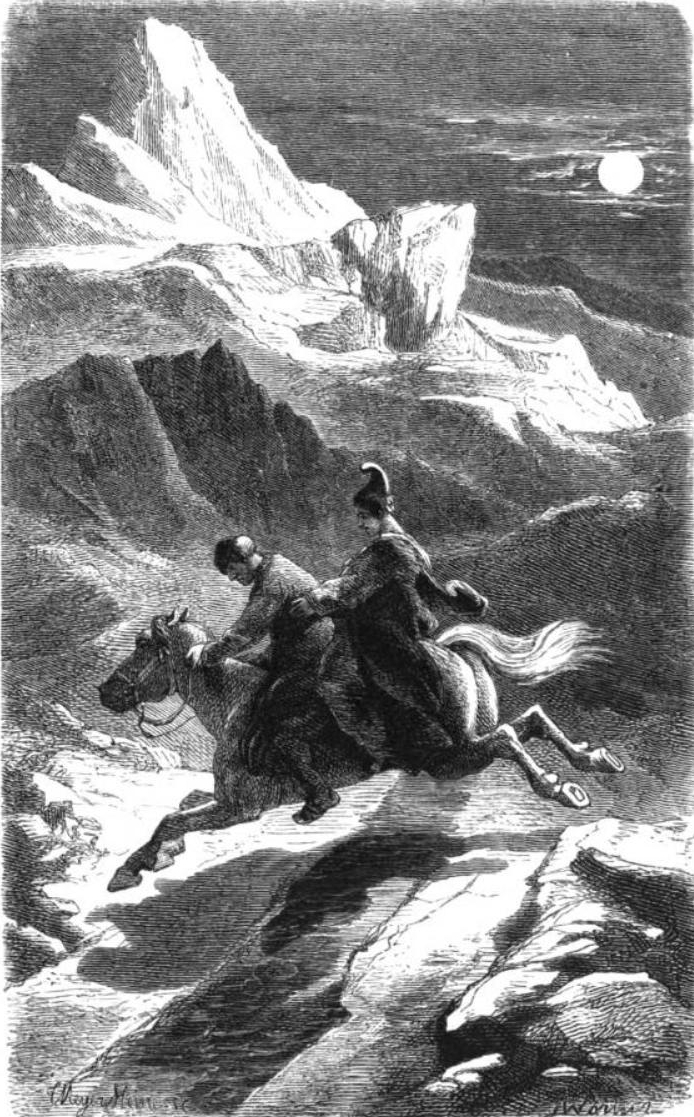 🇮🇸 IcelandDjákninn á Myrká
An Icelandic ghost story about a dead deacon who returns for his bride on Christmas EveFigure · Cursing and harm Historical
🇮🇸 IcelandDjákninn á Myrká
An Icelandic ghost story about a dead deacon who returns for his bride on Christmas EveFigure · Cursing and harm Historical
 🇹🇭 Thailand and 2 moreSang Thongสังข์ทอง
A Southeast Asian folktale about a prince born in a shell who gains golden skin and magical powers.Figure · Luck and prosperity · Love and attraction Historical
🇹🇭 Thailand and 2 moreSang Thongสังข์ทอง
A Southeast Asian folktale about a prince born in a shell who gains golden skin and magical powers.Figure · Luck and prosperity · Love and attraction Historical
 🇺🇸 United States and 2 moreFlying Africans
A legend of enslaved people returning to Africa by magic flightFigure · Cursing and harm · Speaking with spirits and the dead Legendary
🇸🇪 SwedenYsätters-Kajsa
A wind-troll from Swedish folklore who danced with the gales of NärkeFigure · Cursing and harm · Luck and prosperity Legendary
🇫🇮 FinlandAjatar
An evil female spirit of Finnish folklore associated with serpents and diseaseFigure · Cursing and harm Legendary
🇺🇸 United States and 2 moreFlying Africans
A legend of enslaved people returning to Africa by magic flightFigure · Cursing and harm · Speaking with spirits and the dead Legendary
🇸🇪 SwedenYsätters-Kajsa
A wind-troll from Swedish folklore who danced with the gales of NärkeFigure · Cursing and harm · Luck and prosperity Legendary
🇫🇮 FinlandAjatar
An evil female spirit of Finnish folklore associated with serpents and diseaseFigure · Cursing and harm Legendary
 🇧🇬 Bulgaria and 1 moreIspolinисполин
A legendary giant from Bulgarian folklore, said to be the second generation of Earth's inhabitants.Figure Legendary
🇧🇬 Bulgaria and 1 moreIspolinисполин
A legendary giant from Bulgarian folklore, said to be the second generation of Earth's inhabitants.Figure Legendary
 🇻🇳 VietnamNghêNghê (猊)
A mythical guardian creature in Vietnamese architecture and art, blending lion and dog traitsFigure · Protection Historical
🇸🇻 El SalvadorChasca
A spirit of the water in Salvadoran folklore who blesses respectful fishermenFigure · Protection · Luck and prosperity Living
🇬🇧 United KingdomJoan the Wad
A Cornish pixie queen linked to fire and fortuneFigure · Luck and prosperity · Protection Legendary
🇬🇹 Guatemala and 1 moreEl Sombrerón
A tall, hat-wearing figure from Guatemalan legend who courts young women and haunts neighborhoods at dusk.Figure · Love and attraction · Cursing and harm Legendary
🇻🇳 VietnamNghêNghê (猊)
A mythical guardian creature in Vietnamese architecture and art, blending lion and dog traitsFigure · Protection Historical
🇸🇻 El SalvadorChasca
A spirit of the water in Salvadoran folklore who blesses respectful fishermenFigure · Protection · Luck and prosperity Living
🇬🇧 United KingdomJoan the Wad
A Cornish pixie queen linked to fire and fortuneFigure · Luck and prosperity · Protection Legendary
🇬🇹 Guatemala and 1 moreEl Sombrerón
A tall, hat-wearing figure from Guatemalan legend who courts young women and haunts neighborhoods at dusk.Figure · Love and attraction · Cursing and harm Legendary
 🇮🇪 IrelandChildren of LirOidheadh chloinne Lir
An Irish myth about four siblings transformed into swans by a jealous stepmotherFigure · Wonder and entertainment Legendary
🇫🇷 FranceTempestarii
Medieval figures accused of controlling storms and the beliefs surrounding them.Belief · Cursing and harm · Protection Historical
🇬🇧 United KingdomQueen of Elphame
The elfin queen of Faerie from Lowland Scotland and Northern England folkloreFigure · Cursing and harm · Healing Historical
🇮🇪 IrelandChildren of LirOidheadh chloinne Lir
An Irish myth about four siblings transformed into swans by a jealous stepmotherFigure · Wonder and entertainment Legendary
🇫🇷 FranceTempestarii
Medieval figures accused of controlling storms and the beliefs surrounding them.Belief · Cursing and harm · Protection Historical
🇬🇧 United KingdomQueen of Elphame
The elfin queen of Faerie from Lowland Scotland and Northern England folkloreFigure · Cursing and harm · Healing Historical
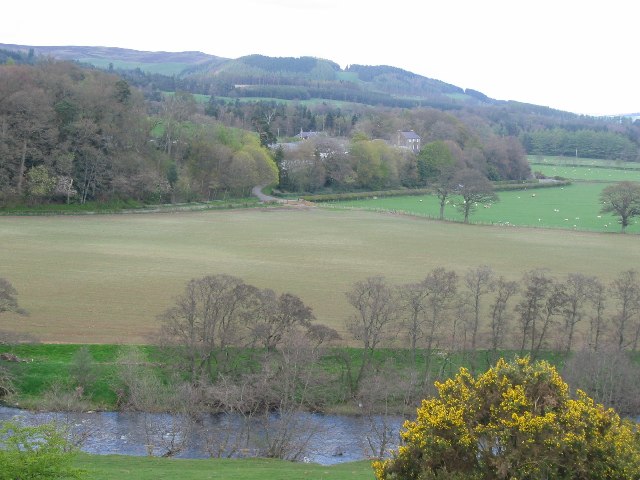 🇬🇧 United KingdomTam Lin
A Scottish ballad about a fairy knight rescued by his mortal lover on Hallowe'enFigure · Love and attraction · Cursing and harm Historical
🇮🇩 IndonesiaNini Pelet
A West Javanese sorceress legend linked to Mount Ciremai and the origin of the word for love charmsFigure · Love and attraction · Power and authority Legendary
🇬🇧 United KingdomTam Lin
A Scottish ballad about a fairy knight rescued by his mortal lover on Hallowe'enFigure · Love and attraction · Cursing and harm Historical
🇮🇩 IndonesiaNini Pelet
A West Javanese sorceress legend linked to Mount Ciremai and the origin of the word for love charmsFigure · Love and attraction · Power and authority Legendary
 🇮🇩 IndonesiaKeong Emas
A Javanese legend about a princess turned into a golden snailFigure · Love and attraction Legendary
🇮🇩 IndonesiaKeong Emas
A Javanese legend about a princess turned into a golden snailFigure · Love and attraction Legendary
 🇨🇳 China and 3 moreSwan maiden
A folk motif where a man steals a bird-woman's feather cloak to force marriage.Figure · Love and attraction · Cursing and harm Legendary
🇧🇷 BrazilRomãozinho
A cursed immortal boy from Brazilian folklore who never grows and causes mischief.Figure · Cursing and harm · Wonder and entertainment Legendary
🇨🇳 China and 3 moreSwan maiden
A folk motif where a man steals a bird-woman's feather cloak to force marriage.Figure · Love and attraction · Cursing and harm Legendary
🇧🇷 BrazilRomãozinho
A cursed immortal boy from Brazilian folklore who never grows and causes mischief.Figure · Cursing and harm · Wonder and entertainment Legendary
 🇸🇪 SwedenKnights of Ålleberg
Swedish ghost story about sleeping warriors in a mountainFigure · Power and authority Legendary
🇸🇪 SwedenKnights of Ålleberg
Swedish ghost story about sleeping warriors in a mountainFigure · Power and authority Legendary
 🇩🇿 AlgeriaTassili Mushroom Figure
Neolithic cave art in Algeria interpreted by some as depicting psychedelic mushroom use.Belief · Speaking with spirits and the dead · Wonder and entertainment Historical
🇩🇿 AlgeriaTassili Mushroom Figure
Neolithic cave art in Algeria interpreted by some as depicting psychedelic mushroom use.Belief · Speaking with spirits and the dead · Wonder and entertainment Historical
 🇵🇱 Poland and 1 morePan Twardowski
A Polish sorcerer who bargained with the Devil and ended up on the MoonFigure · Power and authority Legendary
🇵🇱 Poland and 1 morePan Twardowski
A Polish sorcerer who bargained with the Devil and ended up on the MoonFigure · Power and authority Legendary
Photo credits on this page
The small pictures above come from Wikimedia Commons under free licences. Some are cropped to fit.
- Fengli: Anonymous (1603), Public domain, source
- Children of Lir: John Duncan, Public domain, source
- Nghê: Phương Huy, CC BY-SA 4.0, source
- Flying Africans: Matthew T Rader, CC BY-SA 4.0, source
- Sang Thong: Narisara Nuwattiwong, Public domain, source
- Scrofa semilanuta: M.casanova, CC BY-SA 4.0, source
- Knights of Ålleberg: Photograph: Nasko, Public domain, source
- Tassili Mushroom Figure: I redrawn the rock art written by ancient people., Public domain, source
- Pan Twardowski: Pit1233, Public domain, source
- Dragon turtle: Jonathan O'Donnell, CC BY 2.0, source
- Tietäjä: Robert Wilhelm Ekman, Public domain, source
- Moll Dyer: Dougtone, CC BY-SA 2.0, source
- Amabie: Unknown author, Public domain, source
- Madgy Figgy's Chair: Jim Champion, CC BY-SA 3.0, source
- Morana: Marta Malina Moraczewska, CC BY-SA 4.0, source
- Tom Thumb: Leutemann or Offterdinger , photo by Harke, Public domain, source
- Grim Reaper: Jaroslav A. Polák, CC BY 4.0, source
- Salige Frau: various, Public domain, source
- Interconnected-arm gibbon: Xuande Emperor, Public domain, source
- Zwarte Piet: The illustrator is Daan Hoeksma, who died in 1935. The author is liste, Public domain, source
- Yule cat: Christine Rondeau, CC BY 2.0, source
- Caloian: Costică Acsinte Archive, No restrictions, source
- Jack O'The Lantern: Bodrugan, CC BY-SA 3.0, source
- Money tree: Pratyeka, CC BY-SA 4.0, source
- Djákninn á Myrká: Théodore Meyer-Heine / Jules Worms, Public domain, source
- Ispolin: Joshua Davis, CC BY-SA 2.0, source
- Tam Lin: Richard Webb, CC BY-SA 2.0, source
- Keong Emas: Post of Indonesia, Public domain, source
- Swan maiden: Walter Crane, Public domain, source