Ysätters-Kajsa
Named after the swamp Ysätter in Asker parish; 'Kajsa' was a common name for wind-trolls
A wind-troll from Swedish folklore who danced with the gales of Närke
Ysätters-Kajsa was a wind-troll believed in by people in the Swedish province of Närke. She was immortalized in Selma Lagerlöf's novel The Wonderful Adventures of Nils as a playful spirit who caused mischief through storms and whirlwinds.
- Ysätters-Kajsa was a wind-troll from the Swedish province of Närke.
- She was immortalized by Selma Lagerlöf in The Wonderful Adventures of Nils.
- She was named after the swamp Ysätter in Asker parish.
- She danced in whirlwinds and played jokes on the local population.
- She was unique to Närke and likely the only wind-troll in Scandinavia.
What it is
Ysätters-Kajsa was a unique wind-troll from the Swedish province of Närke. Unlike many dark figures in Scandinavian mythology, she was described as happy and playful. She was known for dancing on the flatlands during gales, creating whirlwinds that swept across the region. Her presence was felt in the sudden changes of weather, from heavy snow drifts to summer rains that interrupted farming.
Where it comes from
The figure originates from local beliefs in Närke, Sweden. She is likely the only one of her kind in Scandinavia. Her specific identity comes from the swamp Ysätter in Asker parish, where she was said to be born. The name 'Kajsa' was traditionally used for wind-trolls in the area. The character was popularized globally by writer Selma Lagerlöf in her 1906 novel The Wonderful Adventures of Nils.
How it is done
Ysätters-Kajsa did not perform rituals but acted through natural phenomena. She would leave her home when the wind grew strong, dancing in the center of whirlwinds. Her long hair would swirl in the clouds while her skirt dragged on the ground like a dust storm. She would sit on high cliffs or pine trees to watch the plains before unleashing storms, fog, or rain to disrupt daily life.
Tools and materials
She used the wind itself as her primary tool. She manipulated air currents to create whirlwinds, snow drifts, and dense fog. Her physical appearance included long hair and a skirt that interacted with the environment, creating dust storms and lifting objects like tablecloths or hats. She also used charcoal fires and smoke to cause mischief among colliers.
Ysätters-Kajsa, drawn and placed
- Living
- Revived
- Fading
- Historical
- Legendary
- Performed
- Lineage
- Scandinavian folklore
- Timing
- during strong winds and storms
What it is for
Her actions were driven by a desire for mischief and entertainment rather than malice. She enjoyed shaking up the people of Närke to keep them humble and entertained. While she targeted quarrelsome or wicked individuals, she often protected honest folks and poor children. She was seen as a refreshing force of nature, balancing the wealth and comfort of the region.
Who does it
There were no specific practitioners or priests associated with Ysätters-Kajsa. She was a figure of folk belief held by the general population of Närke. People interpreted weather events as her actions, blaming her for lost cargo, ruined laundry, or extinguished fires. She was a part of the everyday landscape and its unpredictable weather patterns.
Peoples and places
The belief was specific to the people of Närke, a province in Sweden. It was unique to this region and not widely found elsewhere in Scandinavia. The locals identified her with specific landmarks like the swamp Ysätter and the hills of Kilsbergen. Her story remained localized until Lagerlöf incorporated it into national literature.
At a glance: who, where and when
Peoples
Belief worlds
What people believe
In the worldview of Närke, natural forces were personified as spirits. Ysätters-Kajsa represented the chaotic and playful aspect of the wind. She was not considered evil but rather a mischievous neighbor who kept people on their toes. Her existence explained sudden weather changes and minor disasters, attributing them to a sentient being with a distinct personality.
When it is done
She was active whenever strong winds occurred, particularly during gales. In winter, she created snow drifts that hindered travel. In summer, she brought rain to ruin hay harvests. Her activity was tied to the seasons and the weather conditions that affected agricultural and transport activities in the region.
How scholars and sceptics see it
Scholars view Ysätters-Kajsa as a literary adaptation of local folklore. Selma Lagerlöf transformed oral traditions into a written narrative, preserving the character's traits. Anthropologists see such figures as examples of how communities personify natural elements to make sense of their environment. The character reflects the relationship between humans and the volatile climate of the region.
Cautions and what is closed
While Ysätters-Kajsa was not malicious, her actions could cause inconvenience and danger. She could lead people and horses into marshes with fog or extinguish charcoal kilns. However, these were viewed as pranks rather than attacks. There are no records of serious harm attributed to her, only the disruption of daily routines.
Compare and confuse
Ysätters-Kajsa differs from typical trolls in Scandinavian folklore, which are often dark and gloomy. She is more akin to other wind spirits or nature fairies found in European myths. Her playful nature aligns with benevolent tricksters who test human humility rather than inflict suffering. Other regions have similar wind entities, but none share her specific regional identity.
Questions people ask about Ysätters-Kajsa
Who was Ysätters-Kajsa?
Ysätters-Kajsa was a wind-troll from the Swedish province of Närke. She was believed to be a playful spirit who danced in whirlwinds and caused mischief through weather changes.
Where does the story come from?
The story originates from local folklore in Närke, Sweden. It was popularized by writer Selma Lagerlöf in her 1906 novel The Wonderful Adventures of Nils.
What was her purpose?
She was believed to create mischief to keep people humble and entertained. She targeted wicked individuals but often protected honest folks and children.
Is she still believed in today?
Lagerlöf wrote that people claim she is dead, but locals suggest her presence is still felt in the winds and storms over the Närke plain.
Good reading and sources
The facts on this page come from the Wikipedia article "Ysätters-Kajsa", written by its contributors and used under the CC BY-SA 4.0 licence, and from its Wikidata record (CC0). EveryJaadu rewrote the text in its own words, with AI assistance, and compares every page with the article to make sure no passage is copied. It may be reused under the same CC BY-SA 4.0 licence with a link back.
It may contain mistakes. Names and customs differ from one community to the next, and some knowledge is closed to outsiders and left out here. This page describes belief and practice. It does not say that any of it works, it is not a how-to, and it is not medical advice. If something is wrong, tell us. Last refreshed 2026-10-06.
More from Sweden
All the entries from Sweden 🇸🇪 Sweden and 2 moreFreyja
Norse goddess of love, war, and seiðr magic who rides a chariot pulled by catsBeing · Love and attraction · Seeing and foretelling Legendary
🇸🇪 Sweden and 2 moreFreyja
Norse goddess of love, war, and seiðr magic who rides a chariot pulled by catsBeing · Love and attraction · Seeing and foretelling Legendary
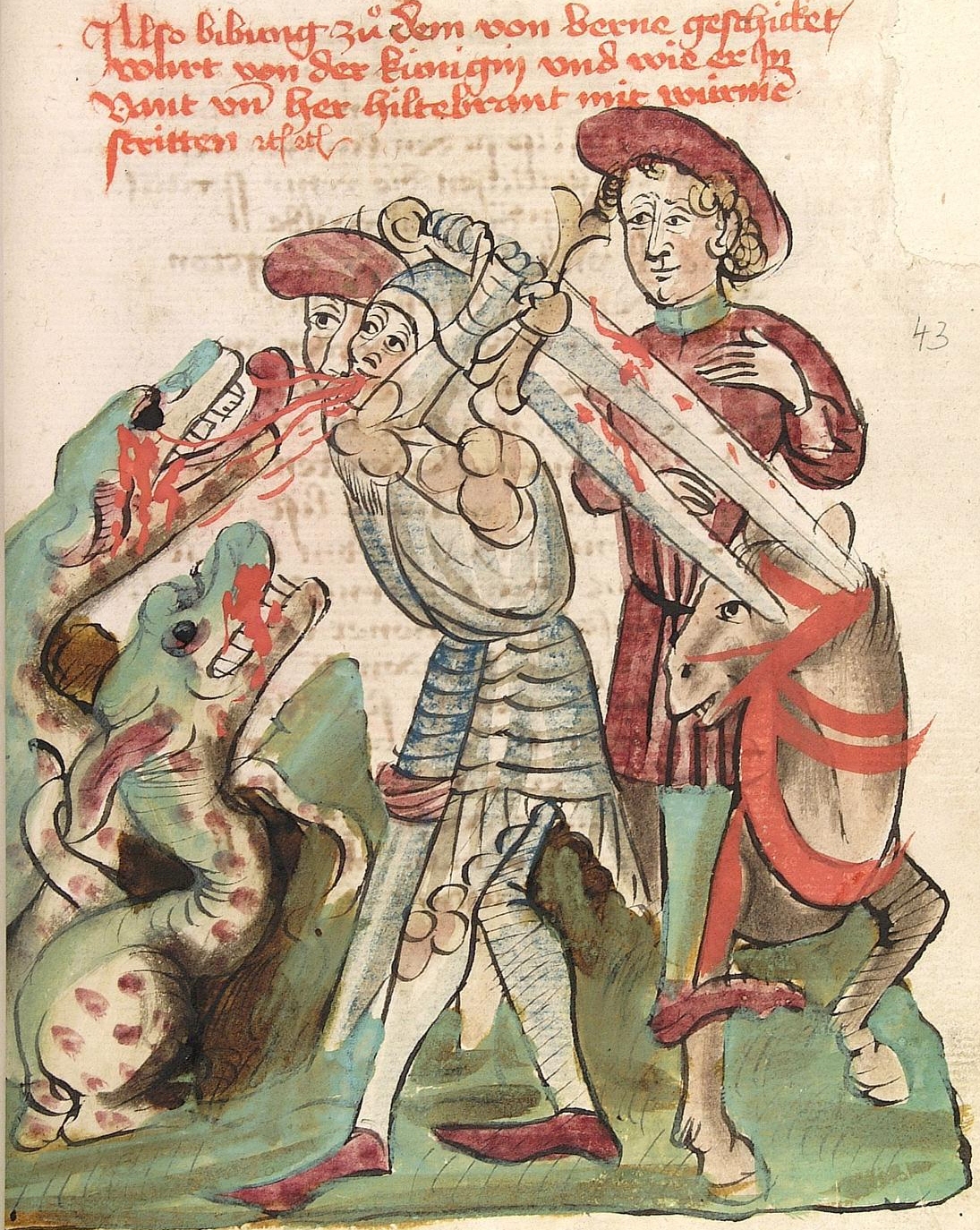 🇩🇪 Germany and 2 moreDietrich von Bern
A legendary Germanic hero based on the Ostrogothic king Theodoric the GreatFigure · Power and authority Historical
🇩🇪 Germany and 2 moreDietrich von Bern
A legendary Germanic hero based on the Ostrogothic king Theodoric the GreatFigure · Power and authority Historical
 🇩🇪 Germany and 2 moreWitege
A Germanic legendary warrior who shifts from loyal companion to traitor in epic poems.Figure · Power and authority Legendary
🇩🇪 Germany and 2 moreWitege
A Germanic legendary warrior who shifts from loyal companion to traitor in epic poems.Figure · Power and authority Legendary
 🇸🇪 SwedenKnights of Ålleberg
Swedish ghost story about sleeping warriors in a mountainFigure · Power and authority Legendary
🇸🇪 SwedenKnights of Ålleberg
Swedish ghost story about sleeping warriors in a mountainFigure · Power and authority Legendary
Related elsewhere
All figure 🇪🇬 EgyptCurse
A spoken wish for misfortune to befall a person or placeBelief · Cursing and harm · Luck and prosperity Historical
🇺🇸 United StatesPukwudgie
A short forest spirit from Algonquian lore, known for mischief and danger.Being · Cursing and harm · Luck and prosperity Legendary
🇪🇬 EgyptCurse
A spoken wish for misfortune to befall a person or placeBelief · Cursing and harm · Luck and prosperity Historical
🇺🇸 United StatesPukwudgie
A short forest spirit from Algonquian lore, known for mischief and danger.Being · Cursing and harm · Luck and prosperity Legendary
 🇮🇳 India and 5 moreHoliहोली
A Hindu spring festival marked by coloured powders and bonfires to celebrate love and virtue.Tradition · Love and attraction · Cursing and harm Living
🇮🇳 India and 5 moreHoliहोली
A Hindu spring festival marked by coloured powders and bonfires to celebrate love and virtue.Tradition · Love and attraction · Cursing and harm Living
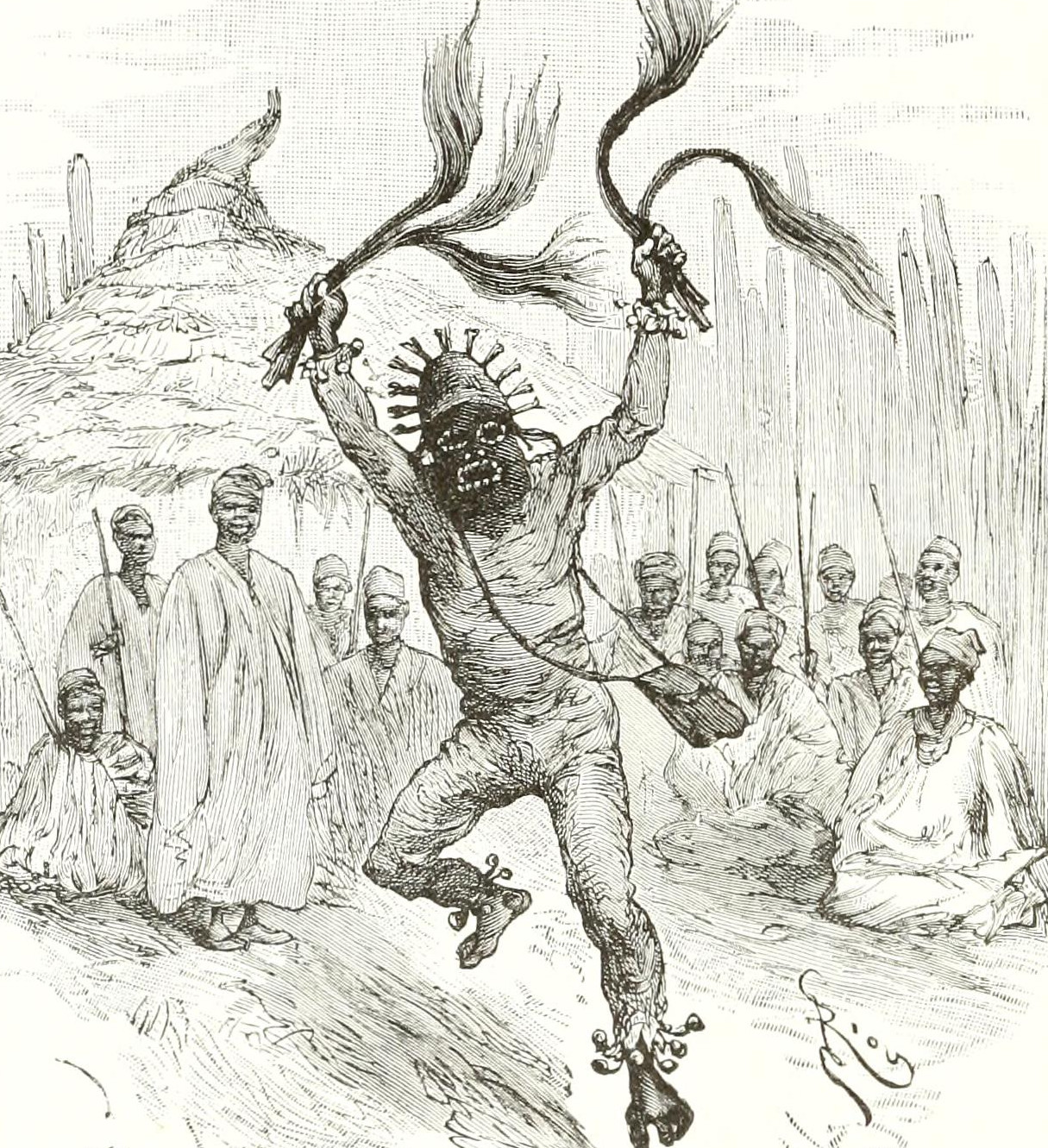 🇺🇸 United States and 2 moreLouisiana Voodoo
An African diasporic religion practiced in Louisiana from the 18th to early 20th centuriesTradition · Healing · Protection Historical
🇺🇸 United States and 2 moreLouisiana Voodoo
An African diasporic religion practiced in Louisiana from the 18th to early 20th centuriesTradition · Healing · Protection Historical