Priests and ritual specialists
Officiants of a religion who perform rites, blessings and exorcisms within it.
Priests and ritual specialists are the officiants of an organised religion who perform its blessings, protective rites and exorcisms. Many religions keep a place for what looks like magic inside the faith, such as the Hindu pandit's fire offering, the Catholic exorcist, the Tibetan lama's protection rites, the Shinto kannushi's purification, the Jewish ba'al shem and the Muslim imam reciting ruqyah. This page looks at how institutions handle power they regard as legitimate.
Rite and authority
Priestly rites are defined by tradition and lineage. A Hindu priest is born into or trained in a ritual line, a Catholic priest is ordained, a Shinto priest is trained at a recognised school. The authority comes from the institution and not from a personal gift. Priests commonly describe their work as worship and prayer, and not as magic, a distinction scholars say is often contested. The line is not the same everywhere: a rite that one tradition calls a blessing, another may call a spell.
Magic or religion
Scholars once drew a line: religion asks and magic compels. Later writers dropped the line as unworkable, since prayer, sacrifice and compulsion overlap in most traditions. The Catholic Church has a formal rite of exorcism, revised in 1999 and carried out by authorised priests, and a long tradition of blessings. Medieval Christians believed sacramental items such as holy water had power, which Protestants later rejected as superstition. They also keep records, calendars and texts, and in many societies priests were the first literate class.
Gender and exclusion
Priesthood is male in many traditions, including the Catholic and Orthodox churches and most Brahmin ritual. Women lead rites in Shinto, in Vodou and Candomblé, in Korean shaman practice, and in several Buddhist and Protestant settings. Class also shapes access: temple priests may refuse low-caste worshippers, and caste discrimination in temple access has been challenged in Indian courts. Within Christianity, the Catholic Church has had both a line of exorcists and a series of rules against selling blessings for money.
Misuse and reform
Priests have been accused of abuse in the name of deliverance, of exploiting the vulnerable for payment, and of staging miracles. Reform movements, such as the Protestant Reformation and the Arya Samaj in India, attacked priestly ritual. In many countries today, pastors in Pentecostal churches lead deliverance services that some scholars compare with older exorcism, with benefits for some and harm for others. Protestant, Salafi and modernist critics have often opposed ritual specialists as intermediaries who stand between a person and God.
Priests and ritual specialists on EveryJaadu
The entries written up so far, best known first.
 🇮🇹 ItalyMarsilio Ficino
A Renaissance priest and philosopher who revived Plato and blended astrology with Christian theology.Text · Speaking with spirits and the dead · Healing Historical
 🇬🇷 Greece and 2 moreAstragalomancy
Divination by casting marked bones, carved rods, or numbered diceOracle · Seeing and foretelling · Speaking with spirits and the dead Living
 🇩🇪 Germany and 2 moreEaster FireOsterfeuer
Bonfires lit at Easter to mark the Resurrection and spring renewalRite · Cleansing and purification · Power and authority Living
 🇮🇹 ItalyJupiterIuppiter
The Roman sky father and king of the gods, associated with thunder and oathsBeing · Power and authority · Protection Historical
 🇬🇷 GreeceOmphalosὀμφαλός
A sacred stone marking the center of the world in Greek myth and oracle practiceCharm · Speaking with spirits and the dead · Power and authority Historical
 🇮🇹 ItalyLectisternium
An ancient Roman ritual where couches were draped and meals served to gods.Rite · Protection · Speaking with spirits and the dead Historical
 🇮🇪 Ireland and 4 moreWinter solstice
The shortest day and longest night of the year, marked by rites of solar returnTradition · Seeing and foretelling · Protection Living
 🇬🇷 Greece and 2 moreGreco-Roman mysteriesμυστήρια
Secret religious schools of the ancient Mediterranean for initiates onlyTradition · Speaking with spirits and the dead · Power and authority Historical
 🇪🇸 SpainSorginak
Mythical beings and historical figures associated with Basque witchcraft and the goddess Mari.Figure · Speaking with spirits and the dead · Cursing and harm Historical
 🇫🇷 France and 1 moreLaying on of handsסמיכה
A physical gesture used across religions to convey authority, healing, or spiritual presence.Rite · Healing · Power and authority Living
 🇮🇹 Italy and 1 moreSaturnSāturnus
Roman god of time and agriculture, linked to the Saturnalia festivalBeing · Luck and prosperity · Power and authority Historical
 🇬🇷 GreeceDodonaΔωδώνη
The oldest Greek oracle, where wind in oak leaves revealed the will of Zeus and DioneOracle · Seeing and foretelling Historical
 🇬🇷 Greece and 3 moreOracle
A person or site believed to channel divine insight and predict the future.Oracle · Seeing and foretelling · Power and authority Historical
 🇮🇹 Italy and 2 moreHaruspex
A diviner who read the will of gods by inspecting animal entrailsFigure · Seeing and foretelling · Speaking with spirits and the dead Historical
 🇪🇬 Egypt and 4 moreAnimal sacrifice
The ritual killing of livestock or wild animals as an offering to deitiesRite · Speaking with spirits and the dead · Power and authority Historical
 🇮🇹 ItalyEtruscan religion
The polytheistic beliefs and divination practices of the ancient Etruscans of ItalyTradition · Seeing and foretelling · Speaking with spirits and the dead Historical
 🇨🇭 SwitzerlandMagic circle
A ritual boundary drawn or visualised to create sacred space and protectionTradition · Protection · Speaking with spirits and the dead Living
 🇸🇪 SwedenTemple at Uppsala
A Norse religious centre described in medieval texts and debated by modern scholarsTradition · Speaking with spirits and the dead · Power and authority Historical
 🇬🇧 United Kingdom and 1 moreGardnerian Wicca
An initiatory neopagan tradition tracing its lineage to Gerald Gardner and the New Forest covenTradition · Speaking with spirits and the dead · Change and initiation Living
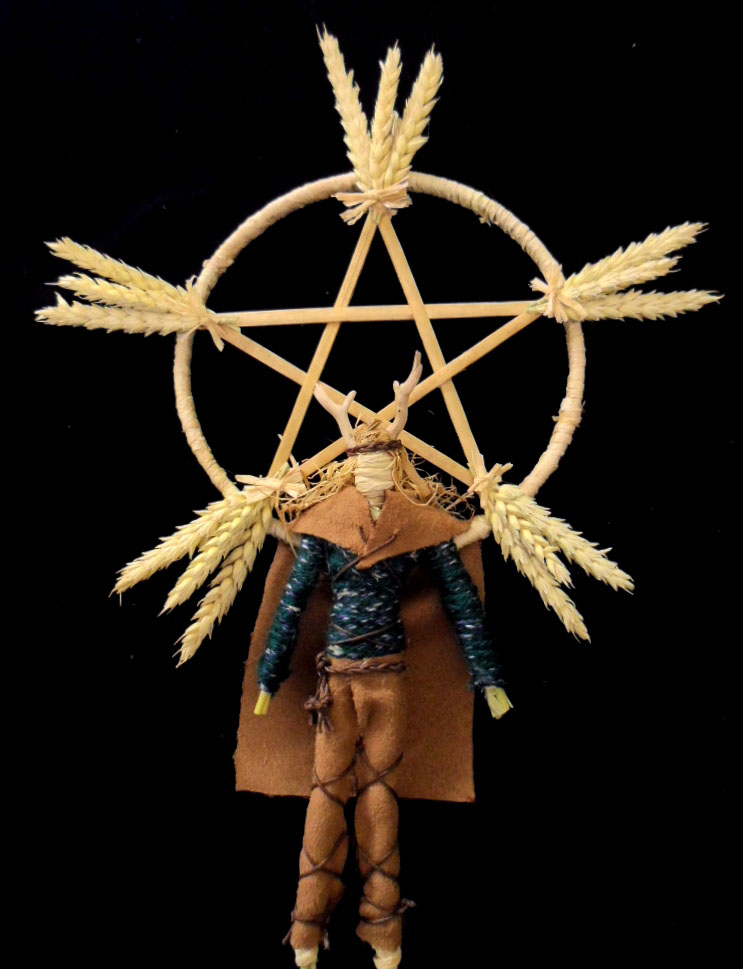 🇮🇪 Ireland and 1 moreLughnasadhLúnasa
A Gaelic harvest festival marking the beginning of the grain gathering seasonTradition · Luck and prosperity · Speaking with spirits and the dead Living
🇬🇧 United Kingdom and 5 moreAlexandrian Wicca
A British Neopagan tradition founded in the 1960s by Alex and Maxine SandersTradition · Speaking with spirits and the dead · Power and authority Living
 🇫🇷 France and 3 moreReliquary
A container for sacred remains or objects, crafted across many faithsCharm · Protection · Speaking with spirits and the dead Living
 🇪🇬 Egypt and 2 moreLibation
The ritual pouring of liquid as an offering to spirits or the deadRite · Speaking with spirits and the dead · Protection Living
 🇮🇹 ItalySibylline BooksLibri Sibyllini
Ancient Roman oracular texts consulted during state crises and disastersText · Protection · Speaking with spirits and the dead Historical
 🇮🇹 Italy and 2 moreAugury
A Roman rite of reading bird behavior to learn the will of the godsRite · Power and authority · Seeing and foretelling Historical
 🇬🇷 Greece and 5 morePrayer beads
Beaded strands used across religions to track the number of recited prayers or chants.Tradition · Speaking with spirits and the dead · Power and authority Living
 🇪🇸 Spain and 5 moreSt John's Eve
A Christian vigil marked by bonfires and plant gathering on the summer solstice eveRite · Protection · Speaking with spirits and the dead Living
 🇧🇪 Belgium and 5 moreRelic
An object or body part kept to honor a holy person and mark their connection to the divineCharm · Protection · Healing Living
 🇮🇸 Iceland and 3 moreSeiðr
A Norse divination and manipulation magic practiced during the Viking Age.Tradition · Seeing and foretelling · Cursing and harm Revived
 🇬🇷 Greece and 5 moreVotive offering
Objects left in sacred places to honor a deity or fulfill a vow, never to be recovered.Tradition · Protection · Healing Living
 🇬🇷 GreeceEleusinian MysteriesἘλευσίνια Μυστήρια
Ancient Greek secret initiation rites honouring Demeter and Persephone at EleusisTradition · Change and initiation · Speaking with spirits and the dead Historical
🇬🇷 Greece and 3 morePyromancy
Divination by reading flames, smoke, or fire-heated objectsOracle · Seeing and foretelling Historical
 🇷🇺 Russia and 5 moreSlavic religion
The pre-Christian beliefs of the Slavic peoples before their conversion to Christianity.Tradition · Protection · Healing Revived
🇬🇷 GreecePeleiadesΠελειάδες
Sacred women of the Oracle at Dodona, linked to doves and ZeusBeing · Speaking with spirits and the dead Historical
 🇮🇹 Italy and 1 morePalladiumΠαλλάδιον (Palladion)
A wooden statue of Athena said to protect cities, stolen from Troy and brought to Rome.Charm · Protection Historical
 🇮🇹 Italy and 5 moreSaint Michael
A Christian archangel who defends the faithful and weighs soulsBeing · Protection · Cursing and harm Living
🇮🇪 IrelandFellowship of Isis𓊨𓏏𓁐𓌞𓋴𓅱𓂻𓏥
An international spiritual fellowship honouring the Divine Feminine and the goddess IsisTradition · Speaking with spirits and the dead · Change and initiation Living
🇬🇧 United KingdomCake of Light
The eucharistic wafer of Thelema, baked from meal, honey, oils and blood for daily ritualSubstance · Speaking with spirits and the dead · Change and initiation Living
 🇬🇷 Greece and 3 moreExorcist
A religious specialist who performs rites to remove alleged demonic possession from people or places.Tradition · Cursing and harm · Cleansing and purification Living
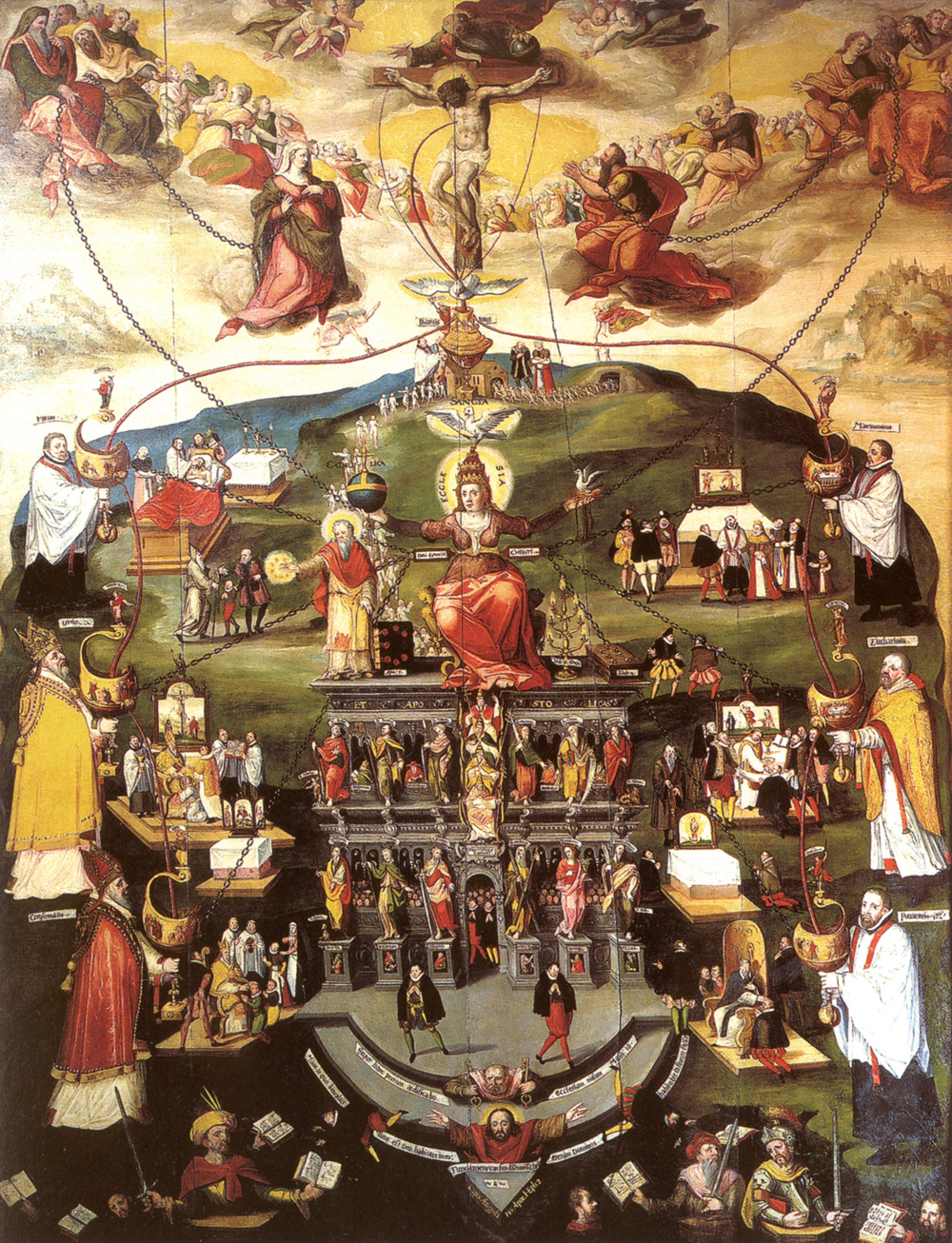 🇬🇷 GreeceSacred mysteriesμυστήριον
Secret ceremonies and divine doctrines held to exceed human reasonBelief · Speaking with spirits and the dead · Change and initiation Living
 🇫🇷 FranceOrléans heresy
A 1022 heresy trial at Orléans that ended in a mass burningBelief Historical
🇬🇷 GreeceTrophoniusΤροφώνιος
A Greek hero turned subterranean oracle god at LebadeaFigure · Seeing and foretelling · Speaking with spirits and the dead Historical
🇮🇹 ItalyWitchcraft in Italy
Inquisition trials, a fertility cult and love magic in early modern ItalyTradition · Protection · Healing Living
 🇬🇷 GreeceNebrisνεβρίς
A fawn skin worn by Dionysus and his followers in ancient GreeceCharm · Protection Historical
 🇮🇹 ItalyFascinusfascinum
A Roman phallus image and charm, kept to turn away envyBeing · Protection · Luck and prosperity Historical
 🇪🇸 Spain and 2 moreHoly ChaliceSanto Cáliz
A cup believed to have held the blood of Jesus at the Last SupperCharm · Speaking with spirits and the dead · Power and authority Living
 🇫🇷 FranceBlack Mass
A deliberate parody of the Catholic Mass, known mostly from French trials and booksRite · Cursing and harm · Love and attraction Living
🇬🇷 Greece and 3 morePalladium
A sacred image or object believed to guarantee the safety of a city or nationCharm · Protection Historical
Photo credits on this page
The small pictures above come from Wikimedia Commons under free licences. Some are cropped to fit.
- Augur: Unknown author, Public domain, source
- Exorcist: Francisco Goya, Public domain, source
- Sacred mysteries: Johannes Hopffe, Public domain, source
- Votive offering: Walter J. Pilsak, Waldsassen ( W.J.Pilsak at de.wikipedia ), CC BY-SA 3.0, source
- Orléans heresy: Émile Bayard, Public domain, source
- Omphalos: Unknown author, Public domain, source
- Freyja: John Bauer, Public domain, source
- St John's Eve: Jules Breton, Public domain, source
- Eleusinian Mysteries: No machine-readable author provided. Marsyas assumed (based on copyrig, Public domain, source
- Marsilio Ficino: Marsilio Ficino, Public domain, source
- Jupiter: ArchaiOptix, CC BY-SA 4.0, source
- Nebris: Brygos Painter, Public domain, source
- Winter solstice: Image by Przemyslaw " Blueshade " Idzkiewicz, CC BY-SA 2.0, source
- Haruspicy: Lokilech, CC BY-SA 3.0, source
- Saint Michael: Francesco Botticini, Public domain, source
- Dodona: Marcus Cyron, CC BY-SA 3.0, source
- Palladium: Marie-Lan Nguyen ( Jastrow ), Public domain, source
- Animal sacrifice: Wilfredor, CC0, source
- Etruscan religion: sailko, CC BY 2.5, source
- Reliquary: Attributed to Jean de Toul, also written Jehan de Touyl in one source, CC0, source
- Libation: Arkady Zarubin ( Аркадий Зарубин ), CC BY-SA 3.0, source
- Sibylline Books: kladcat, CC BY 2.0, source
- Prayer beads: ja:利用者:pack372sd, CC BY-SA 3.0, source
- Fascinus: Vassil, Public domain, source
- Relic: MathieuGuy, CC BY-SA 3.0, source
- Holy Chalice: Vitold Muratov, CC BY-SA 3.0, source
- Black Mass: Unknown XIXe s, Public domain, source
- Slavic religion: Alphonse Mucha, Public domain, source
- Greco-Roman mysteries: Varrese Painter, Public domain, source
- Sorginak: Errazking, CC BY-SA 4.0, source
- Laying on of hands: User:Lipsio, CC BY 3.0, source
- Saturn: Robert Lowe, CC BY 2.0, source
- Astragalomancy: Roland zh, CC BY-SA 3.0, source
- Easter Fire: Jürgen Eissink, CC BY-SA 4.0, source
- Lectisternium: Classical Numismatic Group (CNG), Inc., www.cngcoins.com, CC BY-SA 3.0, source
- Witch: John William Waterhouse, Public domain, source
- Oracle: John William Waterhouse, Public domain, source
- Temple at Uppsala: Olaus Magnus, Public domain, source
- Gardnerian Wicca: Midnightblueowl ( talk ), CC BY-SA 3.0, source
- Lughnasadh: Mountainash333, CC BY-SA 3.0, source