Households and ordinary people
Grandmothers, parents and neighbours doing the small things: the knot, the salt, the red thread.
Households and ordinary people do most of the world's magic: the grandmother who ties a thread on a baby's wrist, the neighbour who throws salt, the shopkeeper who hangs a lemon and chillies, the family that burns incense before a photograph. These people are not specialists and often do not call it magic. This page looks at the domestic side of the subject, which is the commonest and least written about.
Everyday customs
Household practice is woven into daily life: sweeping at new year, a bead on a cradle, a horseshoe over a door, a charm in a car. It tends to be practical, brief and handed down within the family. Many people say they do it because their mother did, or to be safe. It rarely needs a priest, a text or a fee. The hands that do it are those of mothers and grandmothers, who also cook, clean and care, so the magic is part of the labour of the home.
Women and the home
Women are the principal keepers of household custom in many societies, as mothers, grandmothers and aunts. Their knowledge covers birth, child care, food, illness, marriage and death. That knowledge is often undervalued by the formal religion and by scholars, and was also the source of accusations in the witch trials, in which women who were midwives or healers were prominent. A household custom is learned by watching and may never be explained, since the practitioner does not see it as special.
Faith and the home
Religious leaders have seen household custom as faith, as superstition or as a nuisance. Reformers in Protestant Europe, Salafi Islam and some Hindu and Buddhist movements have told people to give up such practices. Many people keep them regardless. In the diaspora, the home customs are sometimes the part of heritage that lasts longest, and are carried to new countries in suitcases. In cities, small shrines, protective charms and everyday rituals often survive in apartments, taxis and shops.
Why scholars care
Anthropologists of everyday religion and folklorists record these customs as evidence of how people manage risk. They show how belief and practice differ, since people may say they do not believe and still knock on wood. Household magic is also the easiest to commercialise, in shops selling charms and kits that detach customs from their homes. A new student or visitor may find that families who say they do not believe still follow such customs carefully, and this gap is one of the more interesting findings.
Households and ordinary people on EveryJaadu
The entries written up so far, best known first.
 🇪🇬 Egypt and 3 moreAmulet
A portable object worn or carried to ward off harm and invite fortuneCharm · Protection · Luck and prosperity Living
🇪🇬 Egypt and 3 moreAmulet
A portable object worn or carried to ward off harm and invite fortuneCharm · Protection · Luck and prosperity Living
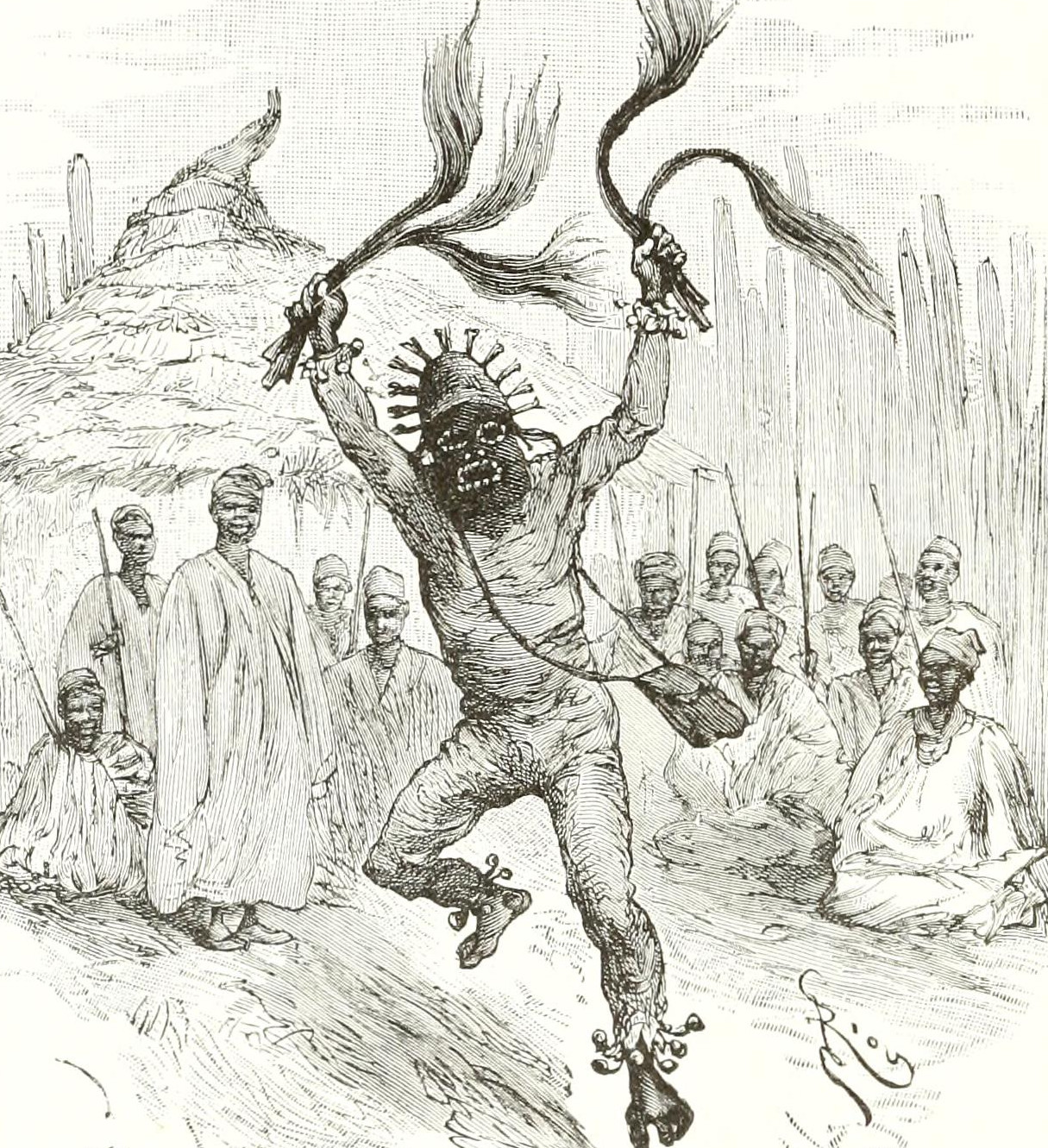 🇺🇸 United States and 2 moreLouisiana Voodoo
An African diasporic religion practiced in Louisiana from the 18th to early 20th centuriesTradition · Healing · Protection Historical
🇺🇸 United States and 2 moreLouisiana Voodoo
An African diasporic religion practiced in Louisiana from the 18th to early 20th centuriesTradition · Healing · Protection Historical
 🇪🇬 Egypt and 5 moreHamsaخمسة
A palm-shaped amulet used across North Africa and the Middle East for protection.Charm · Protection · Luck and prosperity Living
🇪🇬 Egypt and 5 moreHamsaخمسة
A palm-shaped amulet used across North Africa and the Middle East for protection.Charm · Protection · Luck and prosperity Living
 🇦🇷 Argentina and 5 moreGauchito Gil
A folk saint from Argentina who protects the poor and outcastsBeing · Protection · Healing Living
🇦🇷 Argentina and 5 moreGauchito Gil
A folk saint from Argentina who protects the poor and outcastsBeing · Protection · Healing Living
 🇬🇧 United Kingdom and 7 moreSaint Andrew's Day
A Christian feast day marked by national holidays in Scotland and Romania, and folk divination across Europe.Rite · Seeing and foretelling · Luck and prosperity Living
🇬🇧 United Kingdom and 7 moreSaint Andrew's Day
A Christian feast day marked by national holidays in Scotland and Romania, and folk divination across Europe.Rite · Seeing and foretelling · Luck and prosperity Living
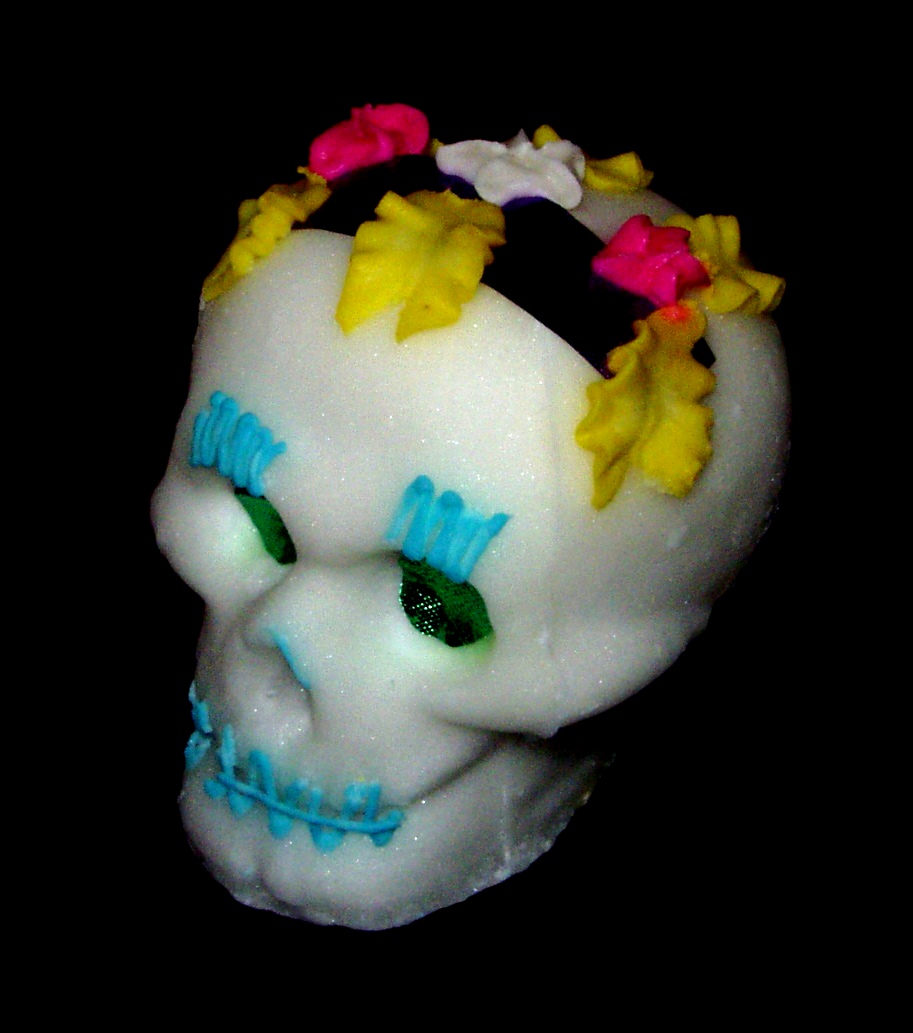 🇲🇽 MexicoCalavera
A sugar or clay skull used in Mexican Day of the Dead celebrations.Charm · Speaking with spirits and the dead · Luck and prosperity Living
🇲🇽 MexicoCalavera
A sugar or clay skull used in Mexican Day of the Dead celebrations.Charm · Speaking with spirits and the dead · Luck and prosperity Living
 🇮🇪 Ireland and 4 moreFour-leaf clover
A rare plant mutation believed to bring good luck and used as a symbol of fortune.Charm · Luck and prosperity Living
🇮🇪 Ireland and 4 moreFour-leaf clover
A rare plant mutation believed to bring good luck and used as a symbol of fortune.Charm · Luck and prosperity Living
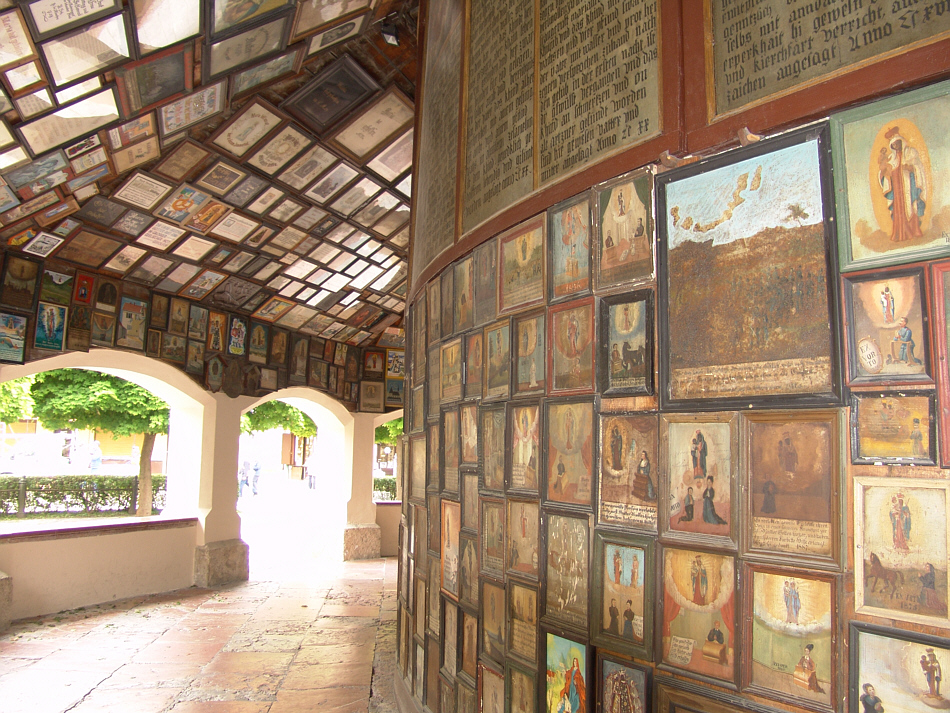 🇬🇷 Greece and 5 moreVotive offering
Objects left in sacred places to honor a deity or fulfill a vow, never to be recovered.Tradition · Protection · Healing Living
🇬🇷 Greece and 5 moreVotive offering
Objects left in sacred places to honor a deity or fulfill a vow, never to be recovered.Tradition · Protection · Healing Living
 🇮🇪 Ireland and 4 moreMay Day
A European spring festival marking the start of summer with flowers, poles and fire.Tradition · Protection · Luck and prosperity Living
🇮🇪 Ireland and 4 moreMay Day
A European spring festival marking the start of summer with flowers, poles and fire.Tradition · Protection · Luck and prosperity Living
 🇪🇬 Egypt and 5 moreTalisman
An object believed to channel specific forces for protection, healing, or influence.Charm · Protection · Healing Historical
🇪🇬 Egypt and 5 moreTalisman
An object believed to channel specific forces for protection, healing, or influence.Charm · Protection · Healing Historical
 🇮🇪 Ireland and 5 moreBonfire
A large outdoor fire used in seasonal festivals and religious feasts across many culturesRite · Cleansing and purification · Speaking with spirits and the dead Living
🇮🇪 Ireland and 5 moreBonfire
A large outdoor fire used in seasonal festivals and religious feasts across many culturesRite · Cleansing and purification · Speaking with spirits and the dead Living
 🇫🇷 France and 5 moreYule log
A large wooden log burned in the hearth during winter festivals across Europe and North America.Tradition · Protection · Luck and prosperity Living
🇫🇷 France and 5 moreYule log
A large wooden log burned in the hearth during winter festivals across Europe and North America.Tradition · Protection · Luck and prosperity Living
 🇮🇸 Iceland and 1 moreHidden-folkhuldufólk
Supernatural beings in Nordic folklore who live in a parallel world within the landscape.Being · Protection · Luck and prosperity Living
🇮🇸 Iceland and 1 moreHidden-folkhuldufólk
Supernatural beings in Nordic folklore who live in a parallel world within the landscape.Being · Protection · Luck and prosperity Living
 🇸🇪 Sweden and 5 moreMidsummerJāņi; Joninės; Jaanipäev; Enyovden; Litha; Juhannus
A summer solstice festival marked by bonfires, maypole dancing, and feasting across Europe.Tradition · Protection · Luck and prosperity Living
🇸🇪 Sweden and 5 moreMidsummerJāņi; Joninės; Jaanipäev; Enyovden; Litha; Juhannus
A summer solstice festival marked by bonfires, maypole dancing, and feasting across Europe.Tradition · Protection · Luck and prosperity Living
 🇳🇬 Nigeria and 3 moreYemọjaYemoja
A mother spirit of rivers and oceans worshipped across Yoruba and diaspora traditionsBeing · Protection · Healing Living
🇲🇽 Mexico and 3 moreFolk saint
Unofficially recognized holy figures venerated by local communities for intercession and miraclesBelief · Protection · Healing Living
🇳🇬 Nigeria and 3 moreYemọjaYemoja
A mother spirit of rivers and oceans worshipped across Yoruba and diaspora traditionsBeing · Protection · Healing Living
🇲🇽 Mexico and 3 moreFolk saint
Unofficially recognized holy figures venerated by local communities for intercession and miraclesBelief · Protection · Healing Living
 🇺🇦 Ukraine and 1 moreUkrainian folklore
The folk traditions of Ukraine and its ethnic communitiesTradition · Speaking with spirits and the dead · Luck and prosperity Living
🇺🇦 Ukraine and 1 moreUkrainian folklore
The folk traditions of Ukraine and its ethnic communitiesTradition · Speaking with spirits and the dead · Luck and prosperity Living
 🇬🇧 United Kingdom and 2 moreSoul cake
A spiced cake given to soulers during Allhallowtide to remember the dead.Tradition · Speaking with spirits and the dead · Luck and prosperity Living
🇬🇧 United Kingdom and 2 moreSoul cake
A spiced cake given to soulers during Allhallowtide to remember the dead.Tradition · Speaking with spirits and the dead · Luck and prosperity Living
 🇮🇪 Ireland and 5 moreTrick-or-treating
A Halloween custom where costumed visitors ask for treats from homesTradition · Luck and prosperity · Wonder and entertainment Living
🇮🇪 Ireland and 5 moreTrick-or-treating
A Halloween custom where costumed visitors ask for treats from homesTradition · Luck and prosperity · Wonder and entertainment Living
 🇮🇪 Ireland and 1 moreBrigid's crossCros Bhríde
A woven straw charm hung for protection, named after Ireland's patron saintCharm · Protection · Luck and prosperity Living
🇮🇪 Ireland and 1 moreBrigid's crossCros Bhríde
A woven straw charm hung for protection, named after Ireland's patron saintCharm · Protection · Luck and prosperity Living
 🇮🇪 Ireland and 4 moreWinter solstice
The shortest day and longest night of the year, marked by rites of solar returnTradition · Seeing and foretelling · Protection Living
🇮🇪 Ireland and 4 moreWinter solstice
The shortest day and longest night of the year, marked by rites of solar returnTradition · Seeing and foretelling · Protection Living
 🇲🇽 Mexico and 5 moreDay of the DeadDía de los Muertos
A Mexican holiday honoring the dead with altars, food, and humor during Allhallowtide.Tradition · Speaking with spirits and the dead · Luck and prosperity Living
🇲🇽 Mexico and 5 moreDay of the DeadDía de los Muertos
A Mexican holiday honoring the dead with altars, food, and humor during Allhallowtide.Tradition · Speaking with spirits and the dead · Luck and prosperity Living
 🇵🇪 Peru and 1 moreQuyllurit'iQoyllur Rit'i
A syncretic Andean pilgrimage celebrating the Pleiades and the Lord of Star SnowTradition · Protection · Healing Living
🇵🇪 Peru and 1 moreQuyllurit'iQoyllur Rit'i
A syncretic Andean pilgrimage celebrating the Pleiades and the Lord of Star SnowTradition · Protection · Healing Living
 🇪🇬 Egypt and 3 moreEx-voto
A gift left in a shrine to mark a vow kept or a miracle receivedCharm · Protection · Healing Living
🇫🇷 France and 4 moreRéveillon
A long Christmas or New Year's Eve dinner held to stay awake until morningTradition · Luck and prosperity · Wonder and entertainment Living
🇦🇷 Argentina and 2 moreSan La Muerte
A skeletal folk saint venerated in South America for protection and favorsTradition · Protection · Healing Living
🇪🇬 Egypt and 5 moreAmulet
A portable object worn or carried to ward off harm and invite protection.Charm · Protection · Healing Living
🇪🇬 Egypt and 3 moreEx-voto
A gift left in a shrine to mark a vow kept or a miracle receivedCharm · Protection · Healing Living
🇫🇷 France and 4 moreRéveillon
A long Christmas or New Year's Eve dinner held to stay awake until morningTradition · Luck and prosperity · Wonder and entertainment Living
🇦🇷 Argentina and 2 moreSan La Muerte
A skeletal folk saint venerated in South America for protection and favorsTradition · Protection · Healing Living
🇪🇬 Egypt and 5 moreAmulet
A portable object worn or carried to ward off harm and invite protection.Charm · Protection · Healing Living
 🇩🇪 Germany and 1 moreEaster Bunny
A German folkloric hare that judges children and delivers colored eggs for EasterBeing · Luck and prosperity · Wonder and entertainment Living
🇵🇭 PhilippinesTiyanak
A vampiric creature in Philippine mythology that mimics a baby to lure travelers.Being · Cursing and harm · Luck and prosperity Living
🇩🇪 Germany and 1 moreEaster Bunny
A German folkloric hare that judges children and delivers colored eggs for EasterBeing · Luck and prosperity · Wonder and entertainment Living
🇵🇭 PhilippinesTiyanak
A vampiric creature in Philippine mythology that mimics a baby to lure travelers.Being · Cursing and harm · Luck and prosperity Living
 🇭🇹 HaitiHaitian CarnivalKanaval
A major Caribbean festival of music, dance, and satire leading to Mardi Gras in HaitiTradition · Wonder and entertainment · Luck and prosperity Living
🇩🇴 Dominican RepublicAnaisa Pye
A Dominican loa of love and wealth, linked to Saint Anne.Being · Love and attraction · Luck and prosperity Living
🇭🇹 HaitiHaitian CarnivalKanaval
A major Caribbean festival of music, dance, and satire leading to Mardi Gras in HaitiTradition · Wonder and entertainment · Luck and prosperity Living
🇩🇴 Dominican RepublicAnaisa Pye
A Dominican loa of love and wealth, linked to Saint Anne.Being · Love and attraction · Luck and prosperity Living
 🇺🇸 United StatesQuviasukvikᖁᕕᐊᓲᑎᖃᕐᕕᒃ
An Arctic festival marking the new year with sunrise rituals and community gatherings.Tradition · Luck and prosperity · Speaking with spirits and the dead Living
🇫🇮 Finland and 1 moreFrog coffin
A Finnish folk magic burial of a frog in a tiny coffin to steal luck or reflect harmRite · Protection · Cursing and harm Historical
🇺🇸 United StatesQuviasukvikᖁᕕᐊᓲᑎᖃᕐᕕᒃ
An Arctic festival marking the new year with sunrise rituals and community gatherings.Tradition · Luck and prosperity · Speaking with spirits and the dead Living
🇫🇮 Finland and 1 moreFrog coffin
A Finnish folk magic burial of a frog in a tiny coffin to steal luck or reflect harmRite · Protection · Cursing and harm Historical
 🇮🇳 India and 5 moreSailors' superstitions
A global collection of omens, charms and taboos used by mariners to manage the risks of life at seaBelief · Protection · Luck and prosperity Living
🇮🇳 India and 5 moreSailors' superstitions
A global collection of omens, charms and taboos used by mariners to manage the risks of life at seaBelief · Protection · Luck and prosperity Living
 🇫🇷 FrancePetit AlbertSecrets merveilleux de la magie naturelle et cabalistique du petit Albert
An 18th-century French grimoire of natural and cabalistic magic sold to rural householdsText · Protection · Luck and prosperity Historical
🇫🇷 FrancePetit AlbertSecrets merveilleux de la magie naturelle et cabalistique du petit Albert
An 18th-century French grimoire of natural and cabalistic magic sold to rural householdsText · Protection · Luck and prosperity Historical
Photo credits on this page
The small pictures above come from Wikimedia Commons under free licences. Some are cropped to fit.
- Yule log: Pehr Arvid Säve (1811—1887), Public domain, source
- Louisiana Voodoo: I cropped, original authors are Ridpath, John Clark, CC BY-SA 4.0, source
- Amulet: Anonymous ( Egypt ) Unknown author, Public domain, source
- Quviasukvik: Jodie Wilson, CC BY 2.0, source
- Hidden-folk: Schorle, CC BY-SA 3.0, source
- Midsummer: Kora27, CC BY-SA 4.0, source
- Yemọja: Samuel Tobbytex007, CC BY-SA 4.0, source
- Folk saint: Sergio Serrano, CC BY-SA 2.0, source
- Ukrainian folklore: U.S. Army Europe Images, CC BY 2.0, source
- Soul cake: Samantha, CC BY 2.0, source
- Trick-or-treating: Toyah Anette B, Public domain, source
- Imbolc: Culnacreann, CC BY 3.0, source
- Winter solstice: Image by Przemyslaw " Blueshade " Idzkiewicz, CC BY-SA 2.0, source
- Day of the Dead: RubeHM, CC BY-SA 4.0, source
- Quyllurit'i: AgainErick, CC BY-SA 3.0, source
- Easter Bunny: Dr. Bernd Gross, CC BY-SA 3.0, source
- Haitian Carnival: User:Doron, CC BY-SA 3.0, source
- Ex-voto: JTSH26, CC BY-SA 4.0, source
- Sailors' superstitions: Siren Painter (eponymous vase), Public domain, source
- Petit Albert: Albertus Parvus Lucius, CC BY-SA 4.0, source
- Saint Andrew's Day: Henryk Siemiradzki, Public domain, source
- Calavera: Unknown author, CC BY-SA 3.0, source
- Four-leaf clover: Phyzome under the GFDL., CC BY-SA 3.0, source
- Votive offering: Walter J. Pilsak, Waldsassen ( W.J.Pilsak at de.wikipedia ), CC BY-SA 3.0, source
- May Day: Bryan Ledgard, CC BY 2.0, source
- Talisman: Sasha India, CC BY 2.0, source
- Bonfire: S Marshall, CC BY 3.0, source
- Hamsa: Kritzolina, CC BY-SA 4.0, source