Diviners and readers
Babalawos, astrologers, card readers and others who read signs.
Diviners and readers are the people who interpret signs: the Ifa babalawo, the sangoma with her bones, the astrologer, the tarot reader, the palm reader, the Chinese fortune-teller and the oracle priestess. They answer questions about marriage, business, illness and loss. This page looks at how they are trained, who they serve, how they are paid, and the line between guidance and fraud. Their trade is as old as writing.
Training and tools
Training varies. A babalawo studies for years and memorises thousands of verses. An astrologer in India may study classical texts or inherit a practice. A tarot reader may learn from books and a community. Tools include cowries, bones, cards, charts, shells, tea leaves and the lines of the hand. Most readers say their tools open a conversation, and some say a spirit speaks through them. Many keep a strict code of confidentiality, as a priest or counsellor would.
Clients and trust
Clients tend to come at moments of uncertainty. In India, astrologers are consulted for weddings and for names, and in West Africa Ifa is consulted for naming a child. Diviners often act as counsellors, hearing family stories and framing a decision. Some are trusted for decades, while others are strangers in a street, and the difference matters for how fraud is spotted. Fees range from a coin or a chicken to several hundred pounds, and a reading may be offered in a shop, a temple, a market stall or an app.
Regulation and religion
Rules vary widely. Some religious authorities forbid divination, and some states license or tax readers. Fortune-tellers have been prosecuted for fraud in the United States, the United Kingdom, India and elsewhere, particularly in cases that involve large payments to lift a curse. Others practise within religion and are protected, such as Ifa within Yoruba religion. Diviners often keep close to the dominant religion, and many Ifa and Vodou diviners are also baptised Christians.
How scholars read it
Psychologists describe cold reading, in which a reader draws on small cues. Anthropologists describe divination as a social process that can break deadlocks and share responsibility. Many diviners deny they predict the future and speak instead of showing possibilities. Advice on health, law or money from a reader is no replacement for qualified advice. Many say they are paid for their time and skill, as a counsellor might be, and not for any guarantee.
Diviners and readers on EveryJaadu
The entries written up so far, best known first.
 🇮🇶 Iraq and 4 moreAstrology
A system of divination that links human affairs to the positions of celestial bodiesTradition · Seeing and foretelling · Luck and prosperity Living
 🇮🇳 India and 3 morePalmistry
A divination practice that reads the lines and shapes of the hand to predict fate or characterOracle · Seeing and foretelling · Luck and prosperity Living
 🇸🇪 Sweden and 2 moreGermanic seeressvǫlva
Diviners and sorceresses of early Germanic and Norse societyTradition · Seeing and foretelling · Power and authority Revived
 🇪🇬 Egypt and 1 moreAncient Egyptian religion
Polytheistic worship, divine kingship, and funerary rites along the NileTradition · Protection · Speaking with spirits and the dead Historical
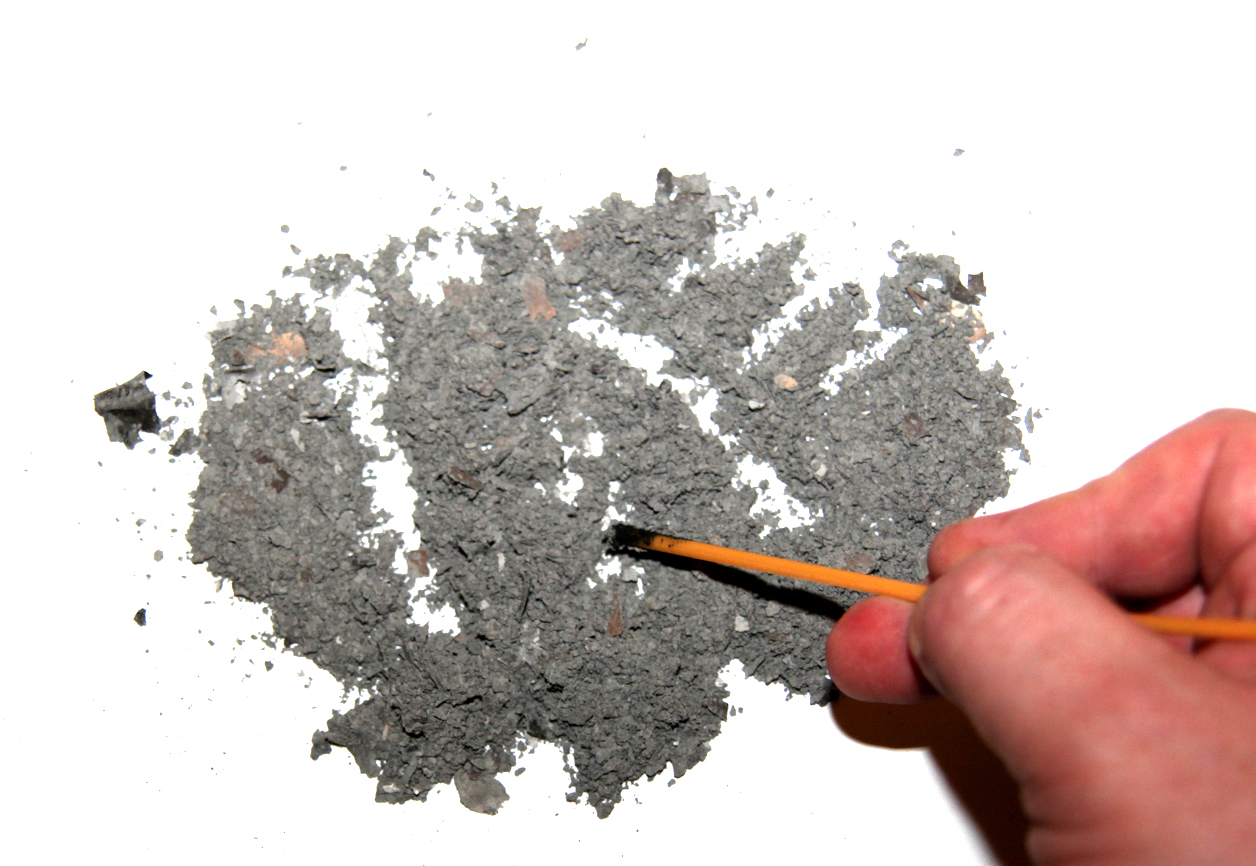 🇬🇷 Greece and 5 moreSpodomancy
Divination by reading omens in ashes, soot, and cindersOracle · Seeing and foretelling · Healing Living
 🇮🇩 Indonesia and 2 moreDukun
A traditional healer and spirit medium in Indonesian folk practiceTradition · Healing · Seeing and foretelling Living
 🇬🇷 Greece and 1 moreHydromancy
Divination using water to reveal the future or judge legitimacy.Oracle · Seeing and foretelling · Luck and prosperity Historical
🇨🇳 China and 4 moreQimen Dunjia奇門遁甲
An ancient Chinese divination system mapping time and space for strategic decision-makingOracle · Seeing and foretelling · Power and authority Revived
 🇮🇶 Iraq and 1 moreLibanomancy
Divination by reading the smoke and ash of burning frankincenseOracle · Seeing and foretelling Historical
 🇨🇳 China and 1 moreScapulimancy
Divination using animal shoulder blades, practiced across Asia and the Americas.Oracle · Seeing and foretelling · Cursing and harm Living
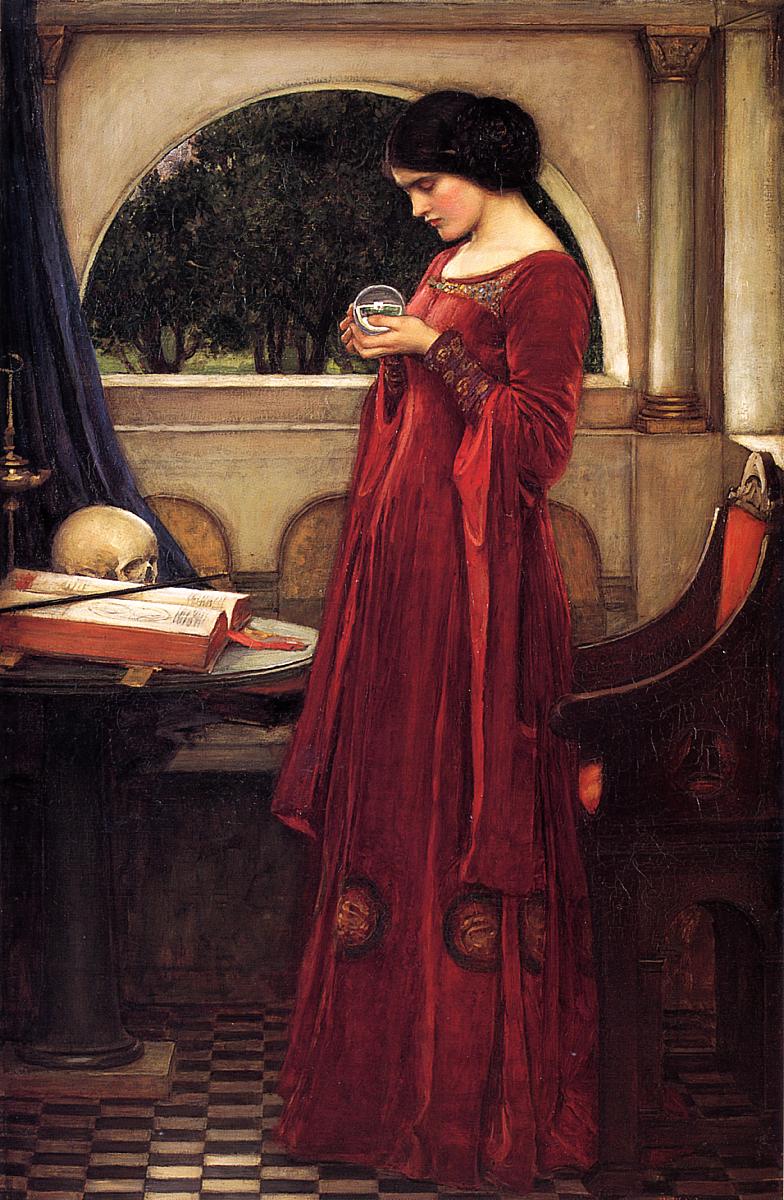 🇪🇬 EgyptScrying
A divination practice of gazing into a medium to receive visions or guidance.Oracle · Seeing and foretelling · Speaking with spirits and the dead Historical
🇨🇳 China and 3 moreZi Wei Dou Shu紫微斗數
A Chinese natal astrology system mapping stars across twelve life palacesTradition · Seeing and foretelling Living
 🇫🇷 FranceCartomancy
Divination using playing cards or tarot decks to foresee the futureOracle · Seeing and foretelling · Luck and prosperity Living
 🇨🇳 China and 2 moreOnomancy
Divination based on the letters, numbers, or written strokes of a person's nameOracle · Seeing and foretelling · Luck and prosperity Living
 🇬🇷 GreeceAeromancy
Divination by reading the sky, wind, and cloudsOracle · Seeing and foretelling Historical
 🇬🇷 Greece and 1 moreCapnomancy
Divination by reading the shapes and movements of smoke from fires or incenseOracle · Seeing and foretelling · Protection Historical
 🇨🇳 China and 5 moreKau chim求签
A divination method using numbered bamboo sticks to reveal poetic answers from deitiesOracle · Seeing and foretelling Living
 🇨🇺 Cuba and 5 moreBrujería
A syncretic blend of Indigenous, African and Catholic folk magic across Latin America and the CaribbeanTradition · Healing · Protection Living
 🇺🇸 United States and 3 moreDowsing
A divination method using rods or twigs to locate hidden objects and waterBelief Living
 🇮🇷 Iran and 2 moreBibliomancy
Divination by opening a book at random and reading the first passage foundOracle · Seeing and foretelling · Power and authority Living
 🇨🇳 China and 5 moreChinese fortune telling算命 (Suànmìng)
Reading faces, palms, birth hours and places to map a person's luck through lifeTradition · Seeing and foretelling · Luck and prosperity Living
 🇺🇸 United States and 4 moreFortune-telling
A practice of predicting future events or personal details through various methods and tools.Rite · Seeing and foretelling · Power and authority Living
 🇨🇳 China and 3 moreTasseography
A divination method that reads fortunes in the sediment of tea or coffee cupsOracle · Seeing and foretelling · Luck and prosperity Living
 🇺🇸 United StatesPunxsutawney Phil
A groundhog who serves as the central figure in an annual American weather prediction festival.Belief · Seeing and foretelling Living
 🇬🇷 Greece and 2 moreAstragalomancy
Divination by casting marked bones, carved rods, or numbered diceOracle · Seeing and foretelling · Speaking with spirits and the dead Living
 🇬🇧 United Kingdom and 4 moreCunning folk
European practitioners of folk medicine and helpful magic from the Middle Ages to the twentieth centuryTradition · Protection · Healing Historical
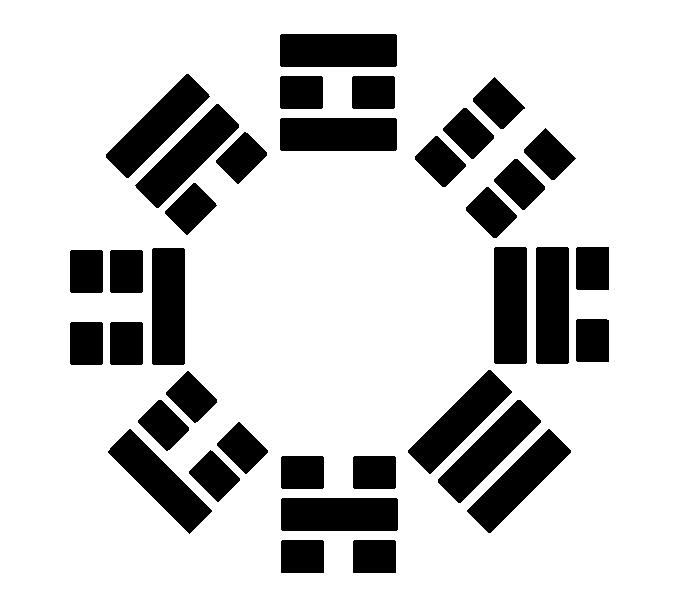 🇨🇳 China and 1 moreBagua八卦
A set of eight trigram symbols from China used in divination, philosophy, and feng shui.Tradition · Seeing and foretelling · Protection Living
 🇬🇧 United KingdomMother Shipton
An English prophetess and herbalist from folklore, known for predictions printed long after her death.Figure · Seeing and foretelling · Healing Historical
🇬🇧 United KingdomTaghairm
A Scottish Gaelic divination rite using sensory deprivation and animal skins to summon spirits.Rite · Seeing and foretelling Historical
 🇨🇳 China and 1 moreAncestor veneration in China
Rites for dead kin who are thought to watch over the familyTradition · Protection · Speaking with spirits and the dead Living
 🇨🇱 Chile and 1 moreMachi
Mapuche spiritual authorities and healers who bridge herbal knowledge and spirit realmsTradition · Healing · Speaking with spirits and the dead Living
 🇨🇳 China and 1 moreChinese shamanism巫教 (Wūjiào)
Spirit-mediums of China who dance and trance to carry messages between people and godsTradition · Speaking with spirits and the dead · Seeing and foretelling Living
 🇷🇺 RussiaCarromancy
A divination method that reads the future from molten wax or candle flamesOracle · Seeing and foretelling Living
 🇮🇹 Italy and 2 moreTarocco Bolognese
A 62-card Italian tarot deck from Bologna used for games and cartomancyText · Wonder and entertainment · Seeing and foretelling Living
 🇪🇬 Egypt and 2 moreLecanomancy
Divination using a dish or bowl of water to read the futureOracle · Seeing and foretelling · Luck and prosperity Historical
🇨🇳 ChinaChronomancy
A divination method to find lucky days and the best times for action.Oracle · Luck and prosperity Historical
 🇨🇳 ChinaPodomancy
A divination method that reads the lines and shapes of the soles to reveal character and fateOracle · Seeing and foretelling Historical
🇷🇺 Russia and 2 moreFavomancy
Divination by throwing beans and reading the patterns they form on the groundOracle · Seeing and foretelling · Luck and prosperity Historical
 🇮🇷 Iran and 5 moreHippomancy
Divination through the movements, sounds, and tracks of horsesOracle · Seeing and foretelling · Luck and prosperity Historical
🇮🇳 India and 3 moreAstrology
A divinatory practice that links celestial positions to human affairs and earthly eventsTradition · Seeing and foretelling · Luck and prosperity Historical
 🇮🇹 Italy and 2 moreHaruspicy
Reading animal entrails to discern divine will and omensRite · Seeing and foretelling · Speaking with spirits and the dead Historical
 🇬🇷 GreeceWitchcraft in ancient Greece and Rome
Ancient beliefs and practices of magic, curses, and love charms in the Mediterranean worldTradition · Cursing and harm · Love and attraction Historical
 🇬🇷 Greece and 1 moreOomancy
Divination by eggs, reading shapes and signs to foresee events or diagnose spiritual statesOracle · Seeing and foretelling · Healing Living
🇺🇸 United StatesOinomancy
A divination method that reads the future in wine patterns and sedimentOracle · Seeing and foretelling Living
🇬🇷 Greece and 2 moreCrithomancy
Divination by reading barley cakes and scattered cereal grains for omensOracle · Seeing and foretelling Historical
🇮🇳 IndiaNaeviology
A divination method that reads the future from moles and scarsOracle · Seeing and foretelling Historical
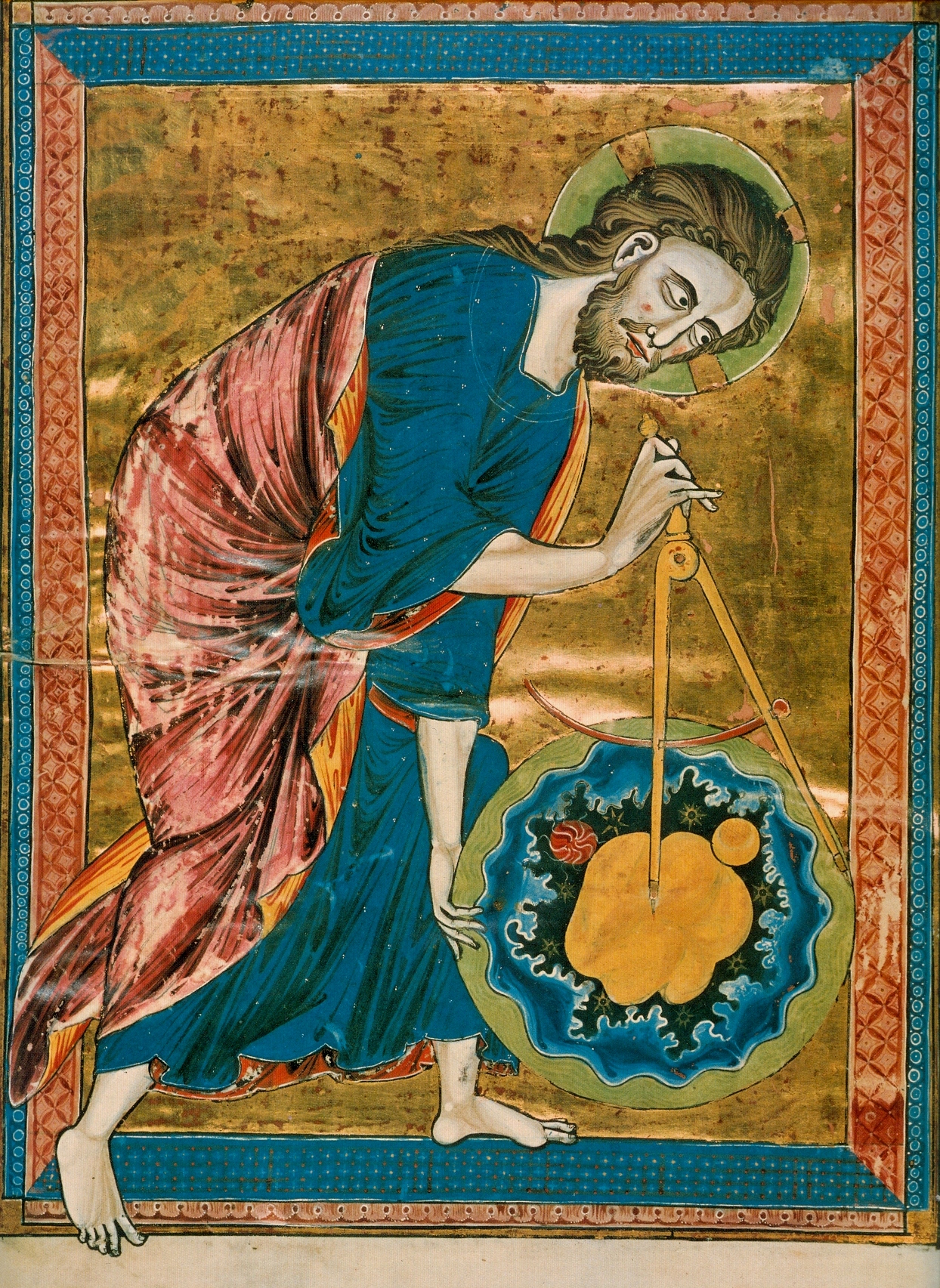 🇬🇷 GreeceAstrology and astronomy
Two disciplines that shared a history before splitting into science and divinationTradition · Seeing and foretelling · Power and authority Historical
 🇬🇧 United KingdomTwo of Coins
A tarot card representing balance, juggling duties, and the struggle to maintain equilibrium.Belief · Seeing and foretelling Living
Photo credits on this page
The small pictures above come from Wikimedia Commons under free licences. Some are cropped to fit.
- Hydromancy: Roger McLassus, CC BY-SA 3.0, source
- Germanic seeress: Emil Doepler, Public domain, source
- Ancient Egyptian religion: Moh hakem, CC BY-SA 4.0, source
- Podomancy: Eyefive45, CC BY-SA 4.0, source
- Spodomancy: Tim1965, CC BY-SA 3.0, source
- European witchcraft: Unknown author, CC BY 4.0, source
- Haruspicy: Lokilech, CC BY-SA 3.0, source
- Witchcraft in ancient Greece and Rome: Wilhelm Tischbein, Public domain, source
- Astrology: Wilfredor, CC0, source
- Oomancy: Rollcloud, CC BY 3.0, source
- Libanomancy: 4174332, CC0, source
- Palmistry: Pietro della Vecchia, Public domain, source
- Carromancy: Peter Becker, CC BY 2.0, source
- Scapulimancy: Albert Peter Low, CC BY-SA 4.0, source
- Scrying: John William Waterhouse, Public domain, source
- Chinese shamanism: No machine-readable author provided. +上帝+ assumed (based on copyright, CC BY-SA 3.0, source
- Cartomancy: Alma Erdmann, Public domain, source
- Onomancy: Unknown author, Public domain, source
- Aeromancy: Unknown author, Public domain, source
- Capnomancy: Tigerzeng, CC BY-SA 4.0, source
- Kau chim: No machine-readable author provided. 9old9 assumed (based on copyright, Public domain, source
- Dowsing: Unknown author, Public domain, source
- Bibliomancy: Albert Robida, Public domain, source
- Hippomancy: Wer?Du?!, CC BY-SA 3.0, source
- Lecanomancy: Author Robert Burns Translator Alexander Smith Illustrator C. A. Vande, Public domain, source
- Chinese fortune telling: Lai Afong, Public domain, source
- Fortune-telling: Taras Shevchenko, Public domain, source
- Tasseography: User:MochaSwirl, Public domain, source
- Punxsutawney Phil: Anthony Quintano, CC BY 2.0, source
- Astragalomancy: Roland zh, CC BY-SA 3.0, source
- Cunning folk: Midnightblueowl at English Wikipedia, CC BY-SA 3.0, source
- Bagua: TarcísioTS at Portuguese Wikipedia, Public domain, source
- Dukun: Unknown author, CC BY-SA 3.0, source
- Mother Shipton: Unknown author, Public domain, source
- Two of Coins: Augusto Rius in 1889 [1] for Heraclio Fournier, CC BY-SA 4.0, source
- Ancestor veneration in China: Three huntings, CC BY-SA 4.0, source
- Machi: Unknown author, Public domain, source
- Astrology and astronomy: anonymous, Public domain, source
- Tarocco Bolognese: Countakeshi, CC BY-SA 4.0, source