
Libanomancy
from Greek libanos, meaning frankincense
Divination by reading the smoke and ash of burning frankincense
Libanomancy is an ancient method of divination that interprets the behavior of incense smoke to answer specific questions. Originating in Mesopotamia during the Old Babylonian period, it spread to Egypt and later to Europe.
- Originates in Old Babylonian period, circa 2000-1600 BCE
- Uses frankincense smoke and ash for divination
- Spread from Mesopotamia to Egypt and Europe
- Smoke drifting right means defeating an enemy
- Clustered smoke signifies financial success
What it is
Libanomancy is a form of divination centered on the observation and interpretation of burning incense smoke. Practitioners may also watch how the resulting ash falls. The method requires the diviner to pose a specific question before beginning. The rising smoke or settling ash then provides an answer that must be read and understood by the specialist. This practice relies on visual signs rather than physical objects or spoken words.
Where it comes from
The earliest manuals for this practice date to the Old Babylonian period, roughly between two thousand and sixteen hundred BCE. It was widely used in Mesopotamia before knowledge of the technique was preserved by trained specialists as its popularity waned. From these origins, the practice moved into Egypt and eventually reached Europe. The name derives from the Greek word for frankincense, the primary material burned during the ritual.
How it is done
A diviner burns incense over an open flame while holding a specific question in mind. The practitioner watches the direction and shape of the smoke as it rises. They also observe how the ash behaves after the fire dies down. Specific patterns are matched against established meanings to determine the outcome of the inquiry. The process is entirely observational, relying on the visual cues provided by the burning material.
Tools and materials
Frankincense is the essential substance used in this practice. An open flame is required to burn the resin and generate smoke. Diviners may also use texts, such as the Three Collated Libanomancy Texts, to guide their interpretations of the smoke's movement and the ash's distribution.
Libanomancy, drawn and placed
- Living
- Revived
- Fading
- Historical
- Legendary
- Performed
- Lineage
- Mesopotamian divination
- Timing
- when a question is asked
What it is for
Practitioners use libanomancy to foresee outcomes and answer direct questions. People seek answers about conflict, wealth, and mental stability. For instance, smoke drifting right signals victory over an enemy, while clustered smoke indicates financial success. Rising columns of smoke are interpreted as a sign of losing one's sanity.
Who does it
Trained diviners perform this art. These specialists study ancient manuals to learn how to interpret the subtle movements of smoke and ash. The role requires specific knowledge passed down through generations to ensure accurate readings of the signs presented by the burning incense.
At a glance: who, where and when
Questions people ask about Libanomancy
What is libanomancy?
It is a divination method that interprets the smoke and ash of burning frankincense to answer specific questions posed by the seeker.
Where did it originate?
It began in Mesopotamia during the Old Babylonian period, around two thousand to sixteen hundred BCE, before moving to Egypt and Europe.
What does the smoke signify?
Different smoke patterns have specific meanings. Drifting right suggests victory over enemies, while clustered smoke points to financial success.
Good reading and sources
The facts on this page come from the Wikipedia article "Libanomancy", written by its contributors and used under the CC BY-SA 4.0 licence, and from its Wikidata record (CC0). EveryJaadu rewrote the text in its own words, with AI assistance, and compares every page with the article to make sure no passage is copied. It may be reused under the same CC BY-SA 4.0 licence with a link back.
It may contain mistakes. Names and customs differ from one community to the next, and some knowledge is closed to outsiders and left out here. This page describes belief and practice. It does not say that any of it works, it is not a how-to, and it is not medical advice. If something is wrong, tell us. Last refreshed 2026-10-05.
More from Iraq
All the entries from Iraq 🇮🇷 Iran and 5 moreMagi
Priests of Zoroastrianism and the figures who inspired the word for magicTradition · Seeing and foretelling · Power and authority Living
🇮🇷 Iran and 5 moreMagi
Priests of Zoroastrianism and the figures who inspired the word for magicTradition · Seeing and foretelling · Power and authority Living
 🇮🇶 IraqBabylonian astrology
The first organized system of celestial divination in the ancient Near EastTradition · Protection · Seeing and foretelling Historical
🇮🇶 IraqBabylonian astrology
The first organized system of celestial divination in the ancient Near EastTradition · Protection · Seeing and foretelling Historical
 🇮🇷 Iran and 7 moreNowruzنوروز
A spring equinox festival marking the new year across Persianate culturesTradition · Luck and prosperity · Cleansing and purification Living
🇮🇷 Iran and 7 moreNowruzنوروز
A spring equinox festival marking the new year across Persianate culturesTradition · Luck and prosperity · Cleansing and purification Living
Related elsewhere
All oracle 🇮🇳 India and 2 morePalmistry
A divination method that interprets the lines and shapes of the hand to predict fate or reveal character.Oracle · Seeing and foretelling · Power and authority Living
🇮🇳 India and 2 morePalmistry
A divination method that interprets the lines and shapes of the hand to predict fate or reveal character.Oracle · Seeing and foretelling · Power and authority Living
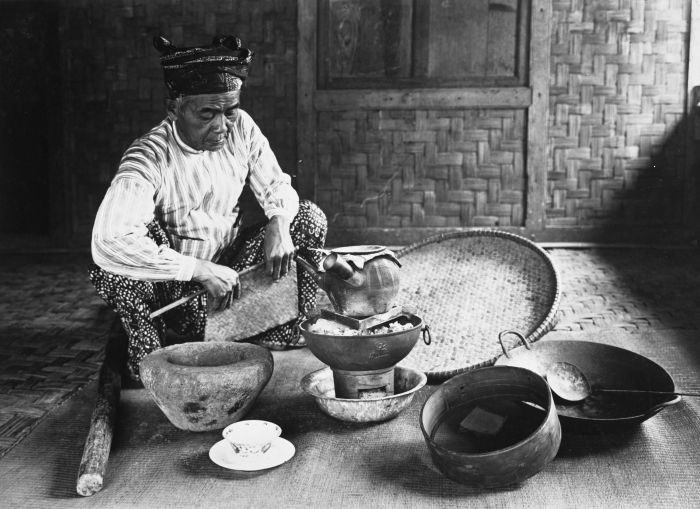 🇮🇩 Indonesia and 2 moreDukun
A traditional healer and spirit medium in Indonesian folk practiceTradition · Healing · Seeing and foretelling Living
🇸🇪 Sweden and 3 moreRunic magic
The use of ancient Germanic letters for spells, divination, and protectionTradition · Protection · Seeing and foretelling Living
🇮🇩 Indonesia and 2 moreDukun
A traditional healer and spirit medium in Indonesian folk practiceTradition · Healing · Seeing and foretelling Living
🇸🇪 Sweden and 3 moreRunic magic
The use of ancient Germanic letters for spells, divination, and protectionTradition · Protection · Seeing and foretelling Living
 🇳🇬 NigeriaOrunmilaỌ̀rúnmìlà
Yoruba deity of wisdom and the creator of the Ifá divination systemBeing · Seeing and foretelling · Speaking with spirits and the dead Living
🇳🇬 NigeriaOrunmilaỌ̀rúnmìlà
Yoruba deity of wisdom and the creator of the Ifá divination systemBeing · Seeing and foretelling · Speaking with spirits and the dead Living