Protection
Warding off the evil eye, spirits, illness and bad luck: amulets, wards and thresholds.
Protection is the most widespread aim of magic. People hang, wear, bury, burn and recite things to keep out the evil eye, harmful spirits, illness and bad luck. The blue nazar, the hamsa, the horseshoe, the red thread, the Japanese omamori and the Ethiopian protective scroll all serve it. This page covers what is guarded, who is thought to need guarding, and how different societies see the practice. It is a good place to start with the subject.
What is guarded
The most guarded are the vulnerable and the valued: newborns, brides, pregnant women, livestock, new houses and travellers. Doorways, windows and crossroads get special care, since they are where inside meets outside. Practices include hanging a lemon and chillies in India, a horseshoe in Britain and Ireland, an eye-bead in Turkey, a mezuzah on Jewish doorposts and a spirit house in Thailand. Beyond doors, people protect journeys, wells, boats and herds, and the guarded thing is usually whatever the family can least afford to lose.
Against what
The danger named varies. In the Middle East and Mediterranean it is the evil eye, a harm said to come from envy or praise. In sub-Saharan Africa it is often witchcraft or a rival's sorcery. In Europe it was witches, fairies and the devil, and in East Asia hungry ghosts and ill-fortune. Protective practice therefore tells a researcher what a community fears and who it suspects. Some marks are drawn in chalk, paint or henna and renewed each year, and others are made once and left to fade.
Faith and the objects
Religions deal with protective objects in different ways. Many Muslim scholars accept verses of the Quran recited for protection and disapprove of beads or knots believed to work by themselves. Catholic Christians use blessed medals, holy water and the sign of the cross. Sikhism rejects talismans, while Buddhist monks bless protective threads and tattoos in Thailand and Cambodia. Official teaching often differs from practice in the village, where one household may wear a charm quietly and say a prayer at the same time.
Scholars and the market
Psychologists suggest protective objects ease anxiety and give a sense of control. Sceptics note that no test has shown them to prevent harm. Commerce is large: charms are mass-produced, and some sellers charge heavily for items promised to ward off disaster. Anyone in real danger or illness should turn to practical help first. Believers usually say the protection is a matter of trust and care, and many say the object matters less than the intention and the community that stands behind it.
Protection on EveryJaadu
The entries written up so far, best known first.
 🇳🇵 Nepal and 1 moreMani stone
Carved stones bearing Buddhist mantras, placed as devotional offerings along paths and rivers.Charm · Protection · Speaking with spirits and the dead Living
 🇮🇳 IndiaPanjurli
A divine wild boar spirit of Tulu Nadu, honoured as guardian of fields and forestsBeing · Protection · Luck and prosperity Living
🇬🇷 GreeceDeipnonδεῖπνον
An ancient Athenian lunar offering to Hekate and the restless dead at the month's end.Rite · Protection · Cursing and harm Living
 🇮🇳 IndiaSarnaism
A nature-based faith of India's Adivasi communities centered on sacred grovesTradition · Protection · Speaking with spirits and the dead Living
 🇧🇬 Bulgaria and 5 moreKukeriкукери
A costumed ritual in Bulgaria to chase away evil spirits and welcome springRite · Protection · Cursing and harm Living
 🇳🇬 NigeriaOsun-Osogbo Sacred GroveOsun-Osogbo
A sacred forest in Nigeria dedicated to the river goddess Osun, celebrated with an annual festival.Tradition · Speaking with spirits and the dead · Protection Living
 🇮🇳 India and 5 moreBhairavaभैरव
A fierce manifestation of Shiva and a Buddhist protector deity worshipped across South and East Asia.Being · Protection · Cursing and harm Living
 🇩🇪 Germany and 4 moreNeed-fireNotfeuer
A ritual fire lit by friction to protect livestock and people from disease and witchcraftRite · Protection · Cleansing and purification Historical
 🇮🇹 Italy and 5 moreFig sign
A hand gesture used to ward off the evil eye or as an insult in many culturesBelief · Protection · Cursing and harm Living
 🇬🇷 Greece and 5 moreBay Laurelδάφνη
An aromatic Mediterranean plant used in cooking and as a symbol of victory and purification.Substance · Protection · Cleansing and purification Living
🇬🇧 United Kingdom and 1 moreScottish folkloreBeul-aithris na h-Alba
The myths, creatures and beliefs of the Scottish people, recorded from ancient times to the present.Tradition · Seeing and foretelling · Protection Living
 🇧🇷 Brazil and 5 moreSanto Daime
A Brazilian syncretic religion using ayahuasca for spiritual work and healingTradition · Healing · Speaking with spirits and the dead Living
 🇪🇬 Egypt and 2 moreAmunjmn (Old/Middle Egyptian); Amoun (Coptic)
The hidden creator god of ancient Egypt, later fused with the sun deity Ra.Being · Power and authority · Protection Historical
 🇬🇧 United KingdomWassail
A hot spiced drink and the twelfth-night customs of singing to trees or visiting homes for giftsTradition · Luck and prosperity · Protection Living
 🇹🇴 Tonga and 5 moreTabootapu
A cultural prohibition that marks something as forbidden or sacredBelief · Protection · Speaking with spirits and the dead Living
 🇮🇳 India and 1 moreAshtamangalaअष्टमङ्गल (Aṣṭamaṅgala)
A set of eight sacred symbols used in Indian religions to mark auspicious occasions and teach spiritual truths.Charm · Luck and prosperity · Protection Living
 🇮🇳 India and 5 moreHeliotrope
A green and red mineral aggregate known as bloodstone and used in amuletsSubstance · Protection · Healing Historical
 🇳🇴 NorwaySami religion
The animist and polytheistic beliefs of the Sámi people across northern ScandinaviaTradition · Protection · Luck and prosperity Historical
 🇮🇱 IsraelRed string (Kabbalah)חוט השני
A Jewish folk talisman worn to ward off the evil eye and misfortuneCharm · Protection Living
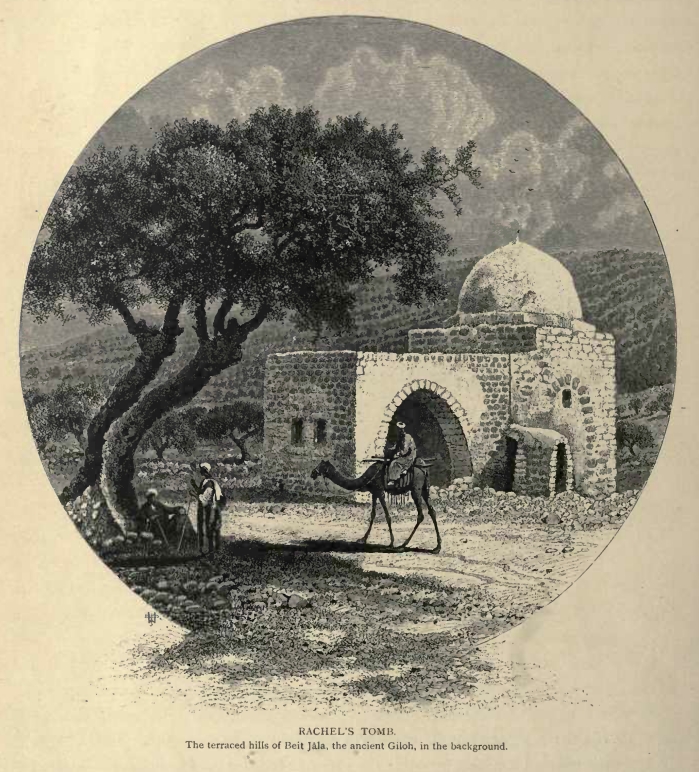 🇵🇸 Palestine and 1 moreRachel's TombQever Raḥel / Qabr Rāḥīl
A shared holy site in Bethlehem revered by Jews, Christians, and Muslims.Tradition · Speaking with spirits and the dead · Protection Living
 🇮🇳 IndiaKavu
Sacred forest patches in South India that protect local deities and biodiversityTradition · Protection · Speaking with spirits and the dead Living
 🇮🇩 Indonesia and 4 moreKejawènꦏꦗꦮꦺꦤ꧀ (Kajawèn)
A Javanese tradition blending animism, Hinduism, Buddhism and Islam into a path of inner harmony.Tradition · Protection · Speaking with spirits and the dead Living
 🇨🇳 China and 5 moreGhost FestivalZhongyuan Jie (中元节)
A festival for appeasing wandering spirits and honoring ancestors in East and Southeast AsiaRite · Speaking with spirits and the dead · Protection Living
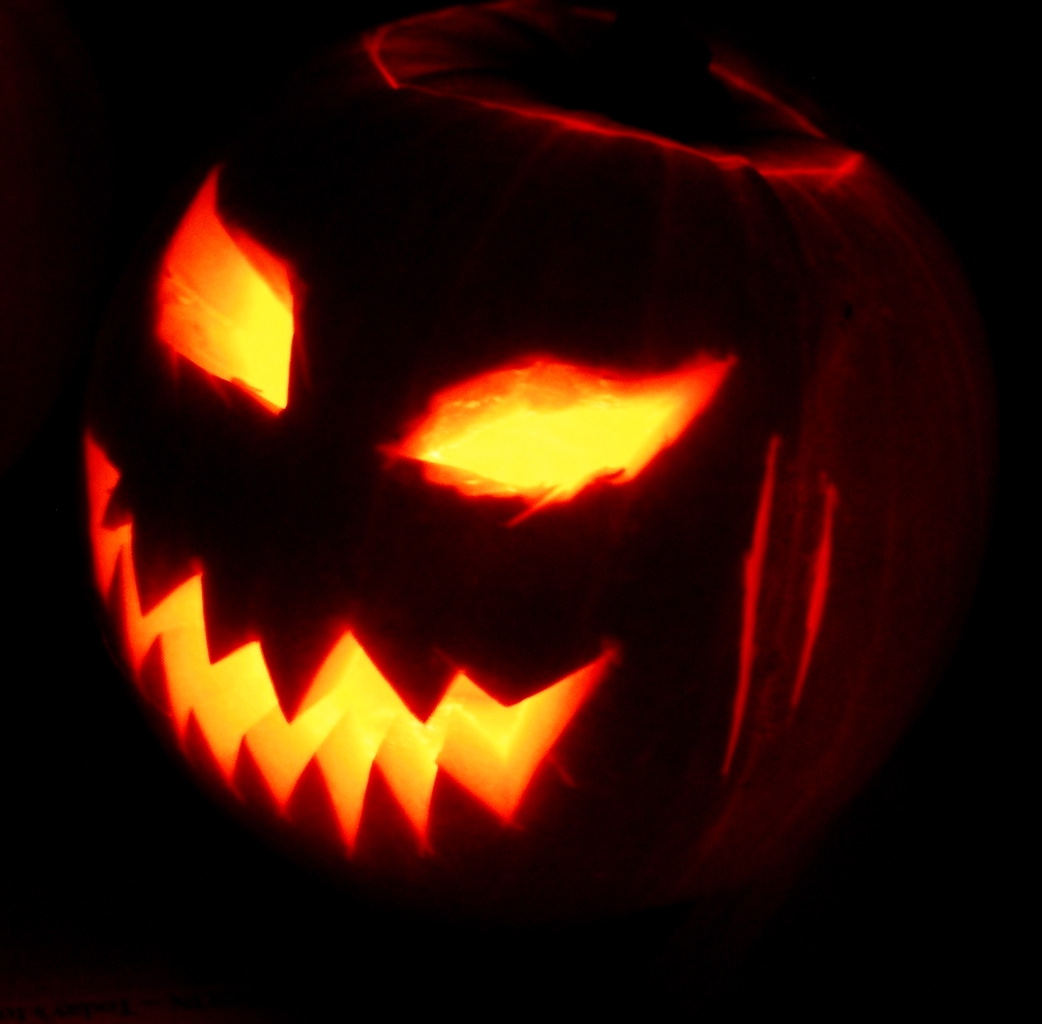 🇮🇪 Ireland and 5 moreHalloween
A Christian vigil on 31 October for the dead, now marked by costumes and carved vegetablesRite · Speaking with spirits and the dead · Protection Living
 🇮🇳 India and 5 moreAncestor veneration
Rituals honoring the dead to maintain kinship bonds and seek guidance from spiritsTradition · Speaking with spirits and the dead · Protection Living
 🇨🇳 China and 1 moreDongyue Dadi東嶽大帝
The Chinese mountain god of Mount Tai who rules lifespans and underworld recordsBeing · Speaking with spirits and the dead · Power and authority Living
 🇮🇳 India and 1 moreDiyaदीया
A small oil lamp used in prayers and festivals across the Indian subcontinentTradition · Protection · Luck and prosperity Living
 🇲🇳 Mongolia and 2 moreWind Horseརླུང་རྟ་
An East and Central Asian symbol of the soul, luck, and vital energyBeing · Luck and prosperity · Protection Living
 🇨🇳 China and 5 moreQingming Festival清明节
A spring day for sweeping graves, feeding the dead and honouring ancestorsTradition · Speaking with spirits and the dead · Protection Living
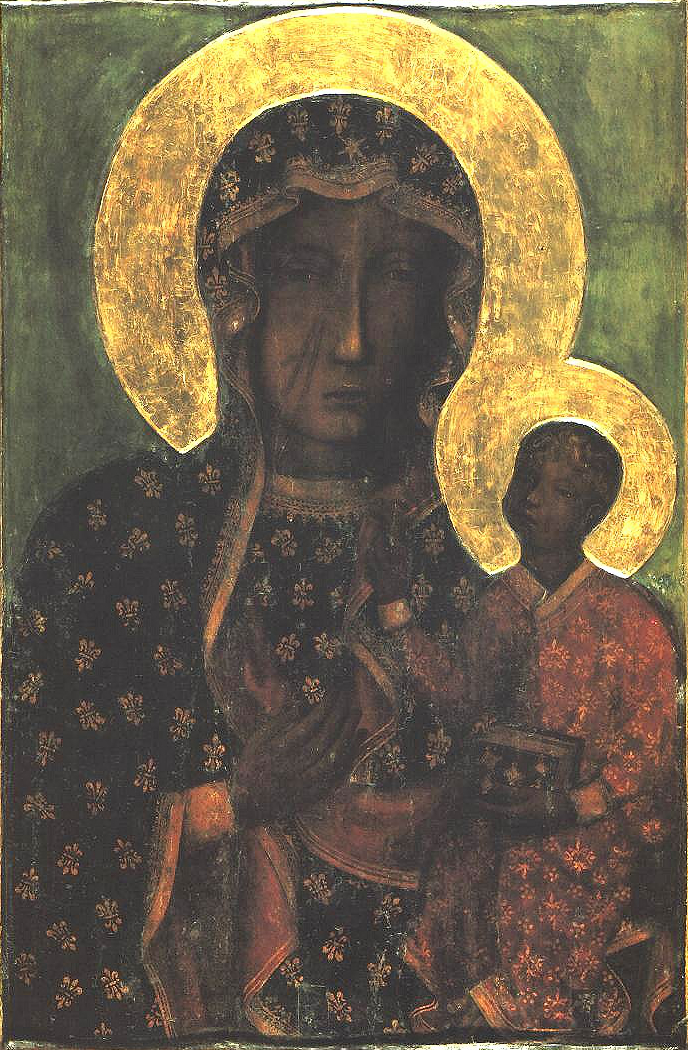 🇭🇹 HaitiErzulieÈzili
A family of spirits in Haitian Vodou representing love, beauty, and protective fury.Being · Protection · Love and attraction Living
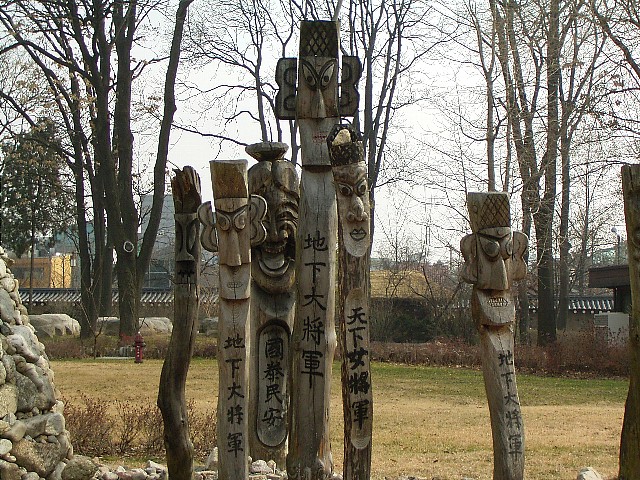 🇰🇷 South Korea and 1 moreJangseung장승
Wooden or stone poles that guard Korean villages and temples from evil spiritsTradition · Protection · Speaking with spirits and the dead Living
 🇳🇬 Nigeria and 1 moreObatalaỌbatalá
The Yoruba king of white cloth who is believed to have created humanity and presides over purity.Being · Protection · Healing Living
 🇮🇪 Ireland and 1 moreBrigid's crossCros Bhríde
A woven straw charm hung for protection, named after Ireland's patron saintCharm · Protection · Luck and prosperity Living
🇮🇳 India and 5 moreAncestor veneration
Rituals to honor the dead and maintain kinship bonds across generationsTradition · Speaking with spirits and the dead · Protection Living
 🇮🇶 Iraq and 5 moreGrimoire
A textbook containing instructions for spells, rituals, and the creation of magical objects.Text · Protection · Healing Historical
 🇮🇪 Ireland and 4 moreMay Day
A European spring festival marking the start of summer with flowers, poles and fire.Tradition · Protection · Luck and prosperity Living
 🇲🇲 MyanmarNatနတ်
Spirits venerated in Myanmar alongside Buddhism, including deified humans and nature guardians.Tradition · Protection · Speaking with spirits and the dead Living
 🇬🇧 United Kingdom and 2 moreBeating the bounds
A ceremonial walk along parish or town borders to reaffirm boundaries and community memory.Rite · Protection · Speaking with spirits and the dead Living
 🇲🇽 Mexico and 2 moreAluxaluxo'ob
A small Maya spirit believed to guard fields and cause mischief if offended.Being · Protection · Luck and prosperity Living
 🇮🇳 India and 5 moreSnake worship
Veneration of serpents as divine or ancestral beings across global culturesTradition · Protection · Healing Living
 🇪🇬 Egypt and 1 moreFoundation deposit
Ritual burial of objects under buildings to protect them from ruinRite · Protection Historical
 🇮🇪 Ireland and 4 moreCairncarn
A human-made pile of stones used as a marker, memorial, or ritual object across many cultures.Tradition · Protection · Speaking with spirits and the dead Living
 🇳🇬 Nigeria and 3 moreYemọjaYemoja
A mother spirit of rivers and oceans worshipped across Yoruba and diaspora traditionsBeing · Protection · Healing Living
 🇮🇱 Israel and 5 moreTefillinתְּפִלִּין
Black leather boxes containing Torah scrolls, worn by Jewish men during weekday prayers.Charm · Speaking with spirits and the dead · Protection Living
 🇲🇽 Mexico and 5 moreDay of the DeadDía de los Muertos
A Mexican holiday honoring the dead with altars, food, and humor during Allhallowtide.Tradition · Speaking with spirits and the dead · Luck and prosperity Living
 🇳🇬 Nigeria and 4 moreOrishaÒrìṣà
Divine spirits of the Yoruba religion and their diasporic descendants in the Americas.Being · Protection · Healing Living
 🇧🇴 BoliviaThe Witches' MarketMercado de las Brujas
A La Paz market where Aymara women and yatiri sell ritual items for Pachamama offeringsTradition · Luck and prosperity · Protection Living
 🇬🇧 United KingdomWitch ball
A glass sphere hung in windows to trap spirits and ward off evilCharm · Protection Historical
Photo credits on this page
The small pictures above come from Wikimedia Commons under free licences. Some are cropped to fit.
- Halloween: Toby Ord, CC BY-SA 2.5, source
- Mani stone: John Hill, CC BY-SA 4.0, source
- Brigid's cross: Culnacreann, CC BY 3.0, source
- Tefillin: Brooklyn Museum, CC BY 3.0, source
- Fig sign: Harald the Bard, CC BY-SA 4.0, source
- Panjurli: Uajith, CC BY-SA 3.0, source
- Ashtamangala: Redtigerxyz, CC BY-SA 3.0, source
- Qingming Festival: Jacklee ., CC BY-SA 3.0, source
- Jangseung: Yoshiaki Sano, CC BY-SA 2.0, source
- Snake worship: Alexandermcnabb, CC BY-SA 4.0, source
- Sarnaism: বুদ্ধি, CC BY-SA 4.0, source
- Need-fire: Unknown author, Public domain, source
- Amun: MusikAnimal, CC BY-SA 4.0, source
- Taboo: Jonathan McIntosh, CC BY 2.0, source
- Red string (Kabbalah): Mx. Granger, CC0, source
- Kejawèn: Greenland4, Public domain, source
- Ghost Festival: Chong Fat, CC BY-SA 3.0, source
- Ancestor veneration: Thang Nguyen, CC BY-SA 2.0, source
- Nat: Emily Khine, CC BY-SA 4.0, source
- Foundation deposit: Unknown author, CC0, source
- Yemọja: Samuel Tobbytex007, CC BY-SA 4.0, source
- Day of the Dead: RubeHM, CC BY-SA 4.0, source
- Kukeri: Nenko Lazarov, CC BY 2.5, source
- Osun-Osogbo Sacred Grove: Cheeka 2.0, CC BY-SA 4.0, source
- Bhairava: Saankav, CC BY-SA 4.0, source
- Bay Laurel: Forest and Kim Starr, CC BY 3.0 us, source
- Heliotrope: Ra'ike (see also: de:Benutzer:Ra'ike ), CC BY-SA 3.0, source
- Sami religion: Zouavman Le Zouave, CC BY-SA 3.0, source
- Rachel's Tomb: Lane-Poole, Stanley, Public domain, source
- Kavu: Ashwin.appus, CC BY-SA 4.0, source
- Diya: Suyash Dwivedi, CC BY-SA 4.0, source
- Wind Horse: Clemensmarabu, CC BY-SA 3.0, source
- Erzulie: anonymous, Public domain, source
- Obatala: Isha, CC BY 3.0, source
- May Day: Bryan Ledgard, CC BY 2.0, source
- Beating the bounds: Andrew Gray, CC BY-SA 2.0, source
- Alux: Gary Todd, CC0, source
- Orisha: Turismo Bahia, CC BY-SA 2.0, source
- The Witches' Market: Dan Lundberg, CC BY-SA 2.0, source
- Witch ball: John W. Schulze, CC BY 2.0, source
- Dongyue Dadi: H2v5o68z, CC0, source
- Wassail: Joss Smithson, CC BY-SA 2.0, source
- Santo Daime: Tonelada, CC BY-SA 3.0, source
- Cairn: Andrew Bossi, CC BY-SA 2.5, source
- Grimoire: Bengt A. Lundberg, CC BY 2.5, source