Protection
Warding off the evil eye, spirits, illness and bad luck: amulets, wards and thresholds.
Protection is the most widespread aim of magic. People hang, wear, bury, burn and recite things to keep out the evil eye, harmful spirits, illness and bad luck. The blue nazar, the hamsa, the horseshoe, the red thread, the Japanese omamori and the Ethiopian protective scroll all serve it. This page covers what is guarded, who is thought to need guarding, and how different societies see the practice. It is a good place to start with the subject.
What is guarded
The most guarded are the vulnerable and the valued: newborns, brides, pregnant women, livestock, new houses and travellers. Doorways, windows and crossroads get special care, since they are where inside meets outside. Practices include hanging a lemon and chillies in India, a horseshoe in Britain and Ireland, an eye-bead in Turkey, a mezuzah on Jewish doorposts and a spirit house in Thailand. Beyond doors, people protect journeys, wells, boats and herds, and the guarded thing is usually whatever the family can least afford to lose.
Against what
The danger named varies. In the Middle East and Mediterranean it is the evil eye, a harm said to come from envy or praise. In sub-Saharan Africa it is often witchcraft or a rival's sorcery. In Europe it was witches, fairies and the devil, and in East Asia hungry ghosts and ill-fortune. Protective practice therefore tells a researcher what a community fears and who it suspects. Some marks are drawn in chalk, paint or henna and renewed each year, and others are made once and left to fade.
Faith and the objects
Religions deal with protective objects in different ways. Many Muslim scholars accept verses of the Quran recited for protection and disapprove of beads or knots believed to work by themselves. Catholic Christians use blessed medals, holy water and the sign of the cross. Sikhism rejects talismans, while Buddhist monks bless protective threads and tattoos in Thailand and Cambodia. Official teaching often differs from practice in the village, where one household may wear a charm quietly and say a prayer at the same time.
Scholars and the market
Psychologists suggest protective objects ease anxiety and give a sense of control. Sceptics note that no test has shown them to prevent harm. Commerce is large: charms are mass-produced, and some sellers charge heavily for items promised to ward off disaster. Anyone in real danger or illness should turn to practical help first. Believers usually say the protection is a matter of trust and care, and many say the object matters less than the intention and the community that stands behind it.
Protection on EveryJaadu
The entries written up so far, best known first.
 🇷🇺 Russia and 4 moreLady MiddayPoludnitsa
A Slavic noon spirit who watches over fields and punishes those who work during the hottest hours.Being · Cursing and harm · Protection Historical
🇷🇺 Russia and 4 moreLady MiddayPoludnitsa
A Slavic noon spirit who watches over fields and punishes those who work during the hottest hours.Being · Cursing and harm · Protection Historical
 🇬🇷 Greece and 2 moreMagic in the Greco-Roman world
Private supernatural practices in ancient Greece and Rome, distinct from public state religion.Tradition · Protection · Cursing and harm Historical
🇬🇷 Greece and 2 moreMagic in the Greco-Roman world
Private supernatural practices in ancient Greece and Rome, distinct from public state religion.Tradition · Protection · Cursing and harm Historical
 🇯🇵 JapanInugami犬神
A Japanese spirit of dog possession and folk sorceryBelief · Cursing and harm · Power and authority Historical
🇯🇵 JapanInugami犬神
A Japanese spirit of dog possession and folk sorceryBelief · Cursing and harm · Power and authority Historical
 🇪🇬 EgyptDjedḏd
An ancient Egyptian pillar symbol representing stability and resurrectionCharm · Protection · Power and authority Historical
🇪🇬 EgyptDjedḏd
An ancient Egyptian pillar symbol representing stability and resurrectionCharm · Protection · Power and authority Historical
 🇮🇹 ItalyFortunaFortūna
The Roman goddess of luck and fate, shown with a wheel and a horn of plentyBeing · Luck and prosperity · Seeing and foretelling Historical
🇮🇹 ItalyFortunaFortūna
The Roman goddess of luck and fate, shown with a wheel and a horn of plentyBeing · Luck and prosperity · Seeing and foretelling Historical
 🇪🇬 Egypt and 1 moreAncient Egyptian religion
Polytheistic worship, divine kingship, and funerary rites along the NileTradition · Protection · Speaking with spirits and the dead Historical
🇪🇬 Egypt and 1 moreAncient Egyptian religion
Polytheistic worship, divine kingship, and funerary rites along the NileTradition · Protection · Speaking with spirits and the dead Historical
 🇬🇧 United Kingdom and 5 moreConcealed shoes
Shoes hidden in building structures as folk charms for protection and fertilityCharm · Protection · Speaking with spirits and the dead Historical
🇬🇧 United Kingdom and 5 moreConcealed shoes
Shoes hidden in building structures as folk charms for protection and fertilityCharm · Protection · Speaking with spirits and the dead Historical
 🇷🇴 Romania and 5 moreVampire folklore
Global legends of blood-drinking spirits and undead revenantsBelief · Cursing and harm · Protection Historical
🇷🇴 Romania and 5 moreVampire folklore
Global legends of blood-drinking spirits and undead revenantsBelief · Cursing and harm · Protection Historical
 🇷🇺 Russia and 2 moreCaul
A birth membrane kept as a talisman for luck and protection from drowningCharm · Protection · Luck and prosperity Historical
🇷🇺 Russia and 2 moreCaul
A birth membrane kept as a talisman for luck and protection from drowningCharm · Protection · Luck and prosperity Historical
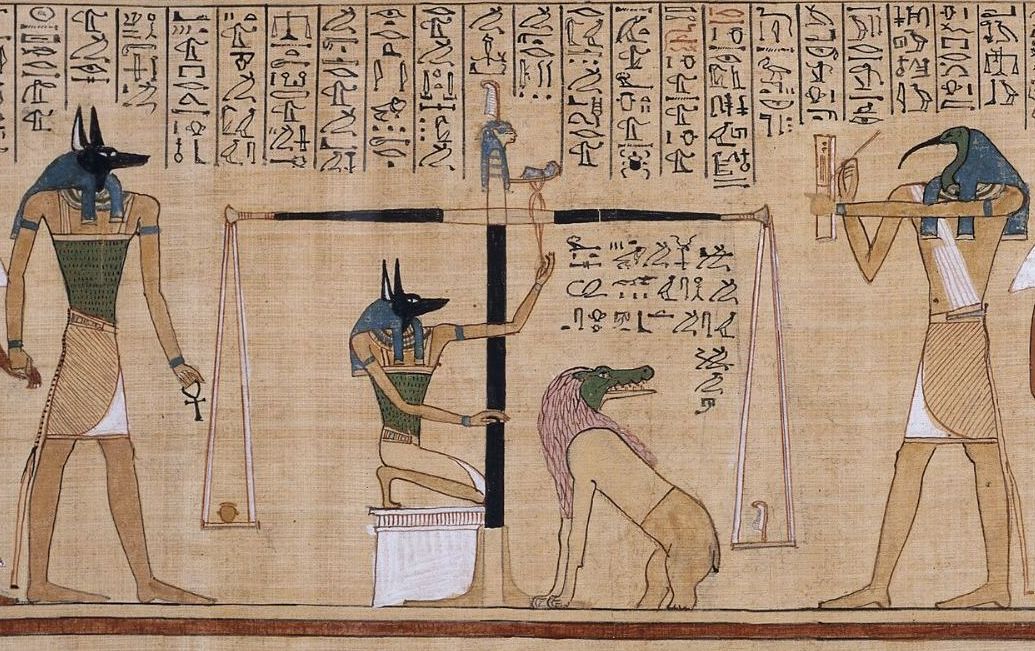 🇪🇬 EgyptAncient Egyptian afterlife beliefs
A system of rituals and texts guiding the soul through the underworld to eternal rebirthTradition · Protection · Speaking with spirits and the dead Historical
🇪🇬 EgyptAncient Egyptian afterlife beliefs
A system of rituals and texts guiding the soul through the underworld to eternal rebirthTradition · Protection · Speaking with spirits and the dead Historical
 🇬🇪 Georgia and 2 moreGeorgian mythologyქართული მითოლოგია
The pre-Christian beliefs of the Kartvelian peoples in the South CaucasusTradition · Protection · Seeing and foretelling Historical
🇬🇪 Georgia and 2 moreGeorgian mythologyქართული მითოლოგია
The pre-Christian beliefs of the Kartvelian peoples in the South CaucasusTradition · Protection · Seeing and foretelling Historical
 🇪🇪 Estonia and 1 moreEstonian mythologyeesti mütoloogia
The pre-Christian beliefs and legends of the Estonian peopleTradition · Protection · Speaking with spirits and the dead Historical
🇪🇪 Estonia and 1 moreEstonian mythologyeesti mütoloogia
The pre-Christian beliefs and legends of the Estonian peopleTradition · Protection · Speaking with spirits and the dead Historical
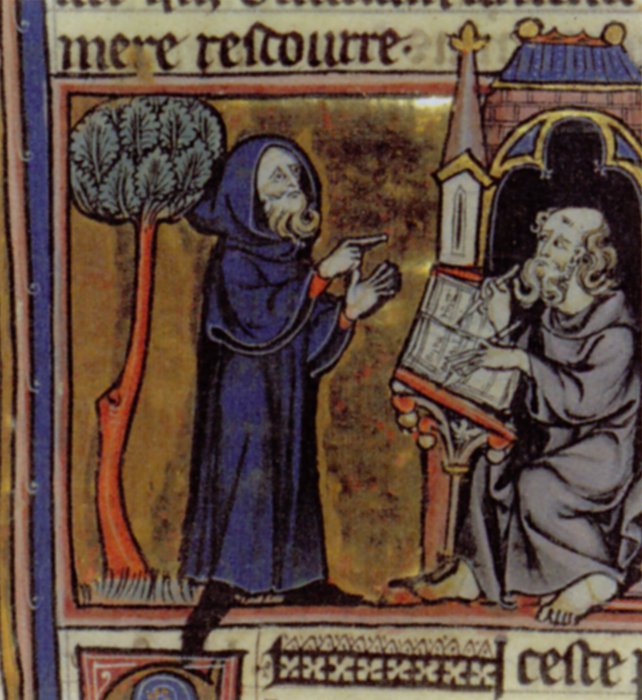 🇮🇹 Italy and 1 moreMedieval European magic
A broad category of ritual and natural practices in the Middle Ages, blending healing, divination, and religious belief.Tradition · Healing · Seeing and foretelling Historical
🇪🇬 EgyptHekaḥkꜣw
The ancient Egyptian deification of magic, medicine, and primordial creative powerBeing · Healing · Protection Historical
🇮🇹 Italy and 1 moreMedieval European magic
A broad category of ritual and natural practices in the Middle Ages, blending healing, divination, and religious belief.Tradition · Healing · Seeing and foretelling Historical
🇪🇬 EgyptHekaḥkꜣw
The ancient Egyptian deification of magic, medicine, and primordial creative powerBeing · Healing · Protection Historical
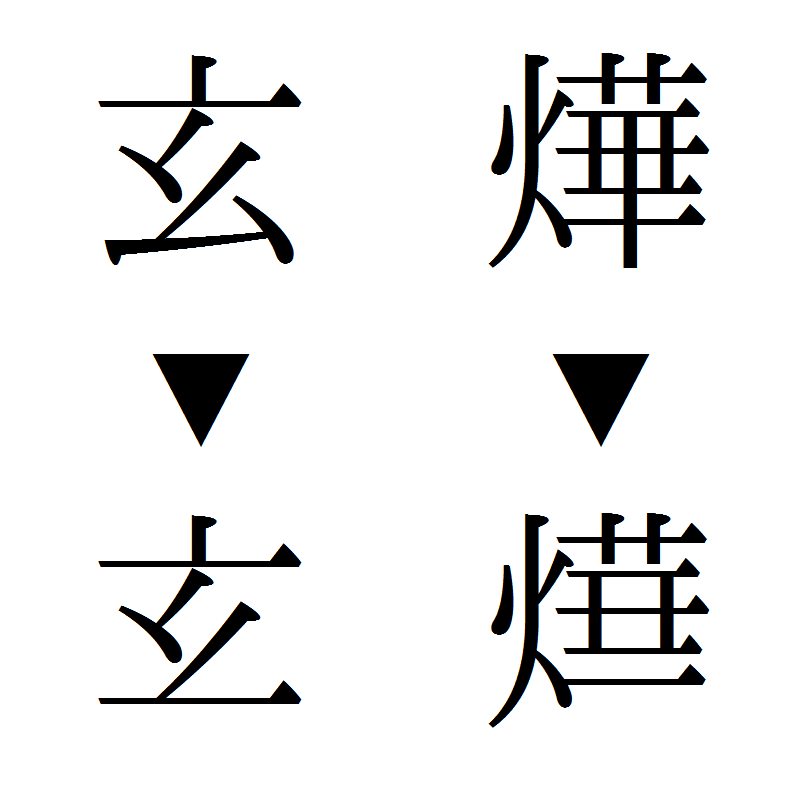 🇨🇳 China and 2 moreNaming taboo避諱
A cultural rule against speaking or writing the names of rulers and ancestors in East AsiaBelief · Protection Historical
🇨🇳 China and 2 moreNaming taboo避諱
A cultural rule against speaking or writing the names of rulers and ancestors in East AsiaBelief · Protection Historical
 🇮🇹 Italy and 5 moreEuropean witchcraft
Historical beliefs in harmful magic and the resulting trials across EuropeBelief · Cursing and harm · Protection Historical
🇮🇹 Italy and 1 moreKollyra curse tablet
An ancient Greek tablet cursing a thief to suffocation until stolen goods are returned.Text · Protection · Cursing and harm Historical
🇮🇹 Italy and 5 moreEuropean witchcraft
Historical beliefs in harmful magic and the resulting trials across EuropeBelief · Cursing and harm · Protection Historical
🇮🇹 Italy and 1 moreKollyra curse tablet
An ancient Greek tablet cursing a thief to suffocation until stolen goods are returned.Text · Protection · Cursing and harm Historical
 🇪🇬 Egypt and 1 moreUraeusjꜥrt
An ancient Egyptian rearing cobra emblem of royal power and divine protectionCharm · Protection · Power and authority Historical
🇪🇬 Egypt and 1 moreUraeusjꜥrt
An ancient Egyptian rearing cobra emblem of royal power and divine protectionCharm · Protection · Power and authority Historical
 🇷🇸 Serbia and 5 moreWolves in folklore, religion and mythology
A global survey of how cultures view the wolf as symbol, spirit or threatBelief · Power and authority · Cursing and harm Historical
🇷🇸 Serbia and 5 moreWolves in folklore, religion and mythology
A global survey of how cultures view the wolf as symbol, spirit or threatBelief · Power and authority · Cursing and harm Historical
 🇯🇵 Japan and 4 moreHousehold deity
A spirit or minor god believed to guard a home and its family members.Being · Protection · Speaking with spirits and the dead Historical
🇯🇵 Japan and 4 moreHousehold deity
A spirit or minor god believed to guard a home and its family members.Being · Protection · Speaking with spirits and the dead Historical
 🇬🇷 GreeceGelloΓελλώ
A Greek demon of infancy and a class of beings blamed for infant death.Being · Cursing and harm · Protection Historical
🇬🇷 GreeceGelloΓελλώ
A Greek demon of infancy and a class of beings blamed for infant death.Being · Cursing and harm · Protection Historical
 🇯🇵 JapanSakabashira逆柱
A reversed wooden pillar in Japanese folk belief, said to cause misfortune or ward off disasterBelief · Protection · Cursing and harm Historical
🇺🇸 United StatesJewett City vampires
A 19th-century New England family's belief in undead plague and their violent response to it.Belief · Protection Historical
🇯🇵 JapanSakabashira逆柱
A reversed wooden pillar in Japanese folk belief, said to cause misfortune or ward off disasterBelief · Protection · Cursing and harm Historical
🇺🇸 United StatesJewett City vampires
A 19th-century New England family's belief in undead plague and their violent response to it.Belief · Protection Historical
 🇬🇷 GreeceDaimonδαίμων
A Greek spirit or divine force that mediates between gods and humansBeing · Protection · Speaking with spirits and the dead Historical
🇬🇷 GreeceDaimonδαίμων
A Greek spirit or divine force that mediates between gods and humansBeing · Protection · Speaking with spirits and the dead Historical
 🇩🇪 Germany and 3 moreDrude
A Germanic nightmare spirit and the pentagram charm used to keep it outBeing · Cursing and harm · Protection Historical
🇫🇷 FranceTempestarii
Medieval figures accused of controlling storms and the beliefs surrounding them.Belief · Cursing and harm · Protection Historical
🇩🇪 Germany and 3 moreDrude
A Germanic nightmare spirit and the pentagram charm used to keep it outBeing · Cursing and harm · Protection Historical
🇫🇷 FranceTempestarii
Medieval figures accused of controlling storms and the beliefs surrounding them.Belief · Cursing and harm · Protection Historical
 🇪🇬 Egypt and 5 moreWorship of heavenly bodies
Veneration of stars, planets, and the sky as divine forces or deitiesTradition · Protection · Power and authority Historical
🇨🇭 SwitzerlandSegen
A German term for blessing, charm, or spell rooted in Christian and folk traditions.Belief · Protection · Speaking with spirits and the dead Historical
🇪🇬 Egypt and 5 moreWorship of heavenly bodies
Veneration of stars, planets, and the sky as divine forces or deitiesTradition · Protection · Power and authority Historical
🇨🇭 SwitzerlandSegen
A German term for blessing, charm, or spell rooted in Christian and folk traditions.Belief · Protection · Speaking with spirits and the dead Historical
 🇯🇵 JapanGoryō御霊
A Japanese belief in appeasing vengeful spirits through Shinto shrinesBelief · Protection · Speaking with spirits and the dead Historical
🇬🇳 Guinea and 2 moreTaboo on rulers
Restrictions placed on kings and priests to manage fear and hostilityBelief · Protection Historical
🇯🇵 JapanGoryō御霊
A Japanese belief in appeasing vengeful spirits through Shinto shrinesBelief · Protection · Speaking with spirits and the dead Historical
🇬🇳 Guinea and 2 moreTaboo on rulers
Restrictions placed on kings and priests to manage fear and hostilityBelief · Protection Historical
 🇺🇸 United StatesNew England vampire panic
A folk response to tuberculosis involving the exhumation and burning of organsBelief · Protection · Healing Historical
🇺🇸 United StatesNew England vampire panic
A folk response to tuberculosis involving the exhumation and burning of organsBelief · Protection · Healing Historical
Photo credits on this page
The small pictures above come from Wikimedia Commons under free licences. Some are cropped to fit.
- Fortuna: Charles Samuel, CC BY-SA 4.0, source
- Amniomancy: JC Brand, CC BY-SA 4.0, source
- European witchcraft: Unknown author, CC BY 4.0, source
- Ancient Egyptian afterlife beliefs: Hunefer, Public domain, source
- Jiangshi: Dick Thomas Johnson, CC BY 2.0, source
- Georgian mythology: Mostafameraji, CC BY-SA 4.0, source
- Estonian mythology: Jeannette Berkowitz (illustrator), Public domain, source
- Medieval European magic: Unknown author, Public domain, source
- Naming taboo: Haruno Akiha, Public domain, source
- Djed: Anonymous ( Egypt ) Unknown author, Public domain, source
- Uraeus: Bjørn Christian Tørrissen, CC BY-SA 3.0, source
- Wolves in folklore, religion and mythology: Unknown author, CC0, source
- Gello: Filippino Lippi, Public domain, source
- Sakabashira: Unknown author, Public domain, source
- Drude: Ramessos, Public domain, source
- Concealed shoes: Edmund Patrick, CC BY-SA 3.0, source
- Lady Midday: Віщун, CC BY-SA 4.0, source
- Daimon: François-André Vincent, Public domain, source
- Ancient Egyptian religion: Moh hakem, CC BY-SA 4.0, source
- Household deity: Claus Ableiter, CC BY-SA 3.0, source
- Inugami: Sawaki Suushi (佐脇嵩之, Japanese, *1707, †1772), Public domain, source
- Worship of heavenly bodies: Jean-Pierre Dalbéra, CC BY 2.0, source
- Magic in the Greco-Roman world: ArchaiOptix, CC BY-SA 4.0, source
- Goryō: Tsukioka Yoshitoshi (1839–1892), Public domain, source
- New England vampire panic: no credited author, Public domain, source