Power and authority
Magic as kingship, priesthood and status: the sorcerer-king, the court astrologer, the rainmaker.
Magic as power and authority is the use of ritual to make or hold rank: kings with sacred duties, court astrologers, rainmakers, chiefs who are said to hold spiritual force, and priests who keep a state religion. It includes the Egyptian pharaoh, the Mongol shamans at the court of the khan, the Chinese Taoist masters, the Zulu and Shona spirit mediums, and the astrologers who advised Mughal and European rulers. This page asks how magic and politics feed each other. Where this happens, magic is less about individual wishes and more about who is allowed to speak for the unseen.
Sacred rulers
In many kingdoms the ruler was believed to hold a power linked to harvest, rain or victory. Pharaohs performed rites to keep order, and the Divine Right of kings in Europe included the royal touch, a rite by which French and English monarchs touched people with scrofula. Chinese emperors held the Mandate of Heaven, which natural omens could confirm or withdraw. The Mongol khans consulted shamans and diviners. Kings also commissioned astrologers to choose coronation dates.
Advisers and rivals
Courts employed diviners, astrologers and mages. John Dee advised Elizabeth I, and Indian and Persian kings kept court astrologers. Such advisers also faced risk: in Rome, astrologers were expelled several times, and accusations of sorcery were used to remove rivals at courts from Byzantium to Ming China. Magic offered influence to people with little formal rank. Sorcery charges were used against queens and ministers in several courts, and the fall of a favourite was often explained by a spell.
Resistance and the state
Spirit mediums have led resistance. In Zimbabwe, the spirit mediums Nehanda and Kaguvi were central to the 1896 uprising against British rule, and Nehanda was hanged in 1898. In Kenya and Tanzania, the Maji Maji rebellion of 1905 drew on a water said to protect against bullets. Colonial states responded with witchcraft ordinances, which often banned healers and protected nobody. In Africa, chiefs are often described as guardians of a land and its rain, and ruling families have held rites for the whole community.
Modern politics
Some leaders consult astrologers or healers, and political use of the occult is reported from India to Latin America. Accusations of witchcraft are used against opponents and in land disputes. Scholars read these links as part of how power is made visible and legitimate. Citizens may wish to ask who benefits when magic is used in public life. Many states now regulate healers and diviners, or use them for public health messages, which shows how much influence they still have.
Power and authority on EveryJaadu
The entries written up so far, best known first.
 🇮🇶 Iraq and 4 moreAstrology
A system of divination that links human affairs to the positions of celestial bodiesTradition · Seeing and foretelling · Luck and prosperity Living
🇮🇶 Iraq and 4 moreAstrology
A system of divination that links human affairs to the positions of celestial bodiesTradition · Seeing and foretelling · Luck and prosperity Living
 🇮🇳 India and 1 moreMantraमन्त्रम्
A sacred sound or phrase repeated to focus the mind and invoke spiritual powerText · Speaking with spirits and the dead · Power and authority Living
🇮🇳 India and 1 moreMantraमन्त्रम्
A sacred sound or phrase repeated to focus the mind and invoke spiritual powerText · Speaking with spirits and the dead · Power and authority Living
 🇯🇵 JapanDaruma doll達磨
A round Japanese talisman that rights itself when knocked overCharm · Luck and prosperity · Power and authority Living
🇯🇵 JapanDaruma doll達磨
A round Japanese talisman that rights itself when knocked overCharm · Luck and prosperity · Power and authority Living
 🇳🇬 Nigeria and 1 moreObatalaỌbatalá
The Yoruba king of white cloth who is believed to have created humanity and presides over purity.Being · Protection · Healing Living
🇳🇬 Nigeria and 1 moreObatalaỌbatalá
The Yoruba king of white cloth who is believed to have created humanity and presides over purity.Being · Protection · Healing Living
 🇮🇳 India and 4 moreShivaशिव
A principal Hindu deity of destruction and yoga, worshipped across South and Southeast AsiaBeing · Power and authority · Change and initiation Living
🇮🇳 IndiaMuhurtamuhūrta
A Hindu unit of time used to select auspicious moments for rituals and daily practiceBelief · Power and authority · Speaking with spirits and the dead Living
🇮🇳 India and 4 moreShivaशिव
A principal Hindu deity of destruction and yoga, worshipped across South and Southeast AsiaBeing · Power and authority · Change and initiation Living
🇮🇳 IndiaMuhurtamuhūrta
A Hindu unit of time used to select auspicious moments for rituals and daily practiceBelief · Power and authority · Speaking with spirits and the dead Living
 🇮🇳 India and 5 moreShakta pithasशाक्त पीठ (Śākta Pīṭha)
Sacred shrines in Shaktism marking where parts of the goddess Sati fell to earth.Tradition · Speaking with spirits and the dead · Power and authority Living
🇮🇳 India and 5 moreShakta pithasशाक्त पीठ (Śākta Pīṭha)
Sacred shrines in Shaktism marking where parts of the goddess Sati fell to earth.Tradition · Speaking with spirits and the dead · Power and authority Living
 🇬🇹 GuatemalaMaximónRi Laj Mam
A Maya folk saint and trickster deity venerated in the Guatemalan HighlandsBeing · Protection · Healing Living
🇬🇹 GuatemalaMaximónRi Laj Mam
A Maya folk saint and trickster deity venerated in the Guatemalan HighlandsBeing · Protection · Healing Living
 🇺🇸 United StatesHopi mythology
The creation stories and spirit traditions of the Hopi people of the American SouthwestTradition · Speaking with spirits and the dead · Protection Living
🇺🇸 United StatesHopi mythology
The creation stories and spirit traditions of the Hopi people of the American SouthwestTradition · Speaking with spirits and the dead · Protection Living
 🇨🇳 China and 5 moreFeng shui風水
A Chinese geomantic practice for aligning structures with cosmic energyTradition · Protection · Luck and prosperity Living
🇨🇳 China and 5 moreFeng shui風水
A Chinese geomantic practice for aligning structures with cosmic energyTradition · Protection · Luck and prosperity Living
 🇸🇳 Senegal and 5 moreMaraboutmurābiṭ
A Muslim religious leader and teacher in West Africa, often linked to Sufi brotherhoods.Tradition · Protection · Speaking with spirits and the dead Living
🇸🇳 Senegal and 5 moreMaraboutmurābiṭ
A Muslim religious leader and teacher in West Africa, often linked to Sufi brotherhoods.Tradition · Protection · Speaking with spirits and the dead Living
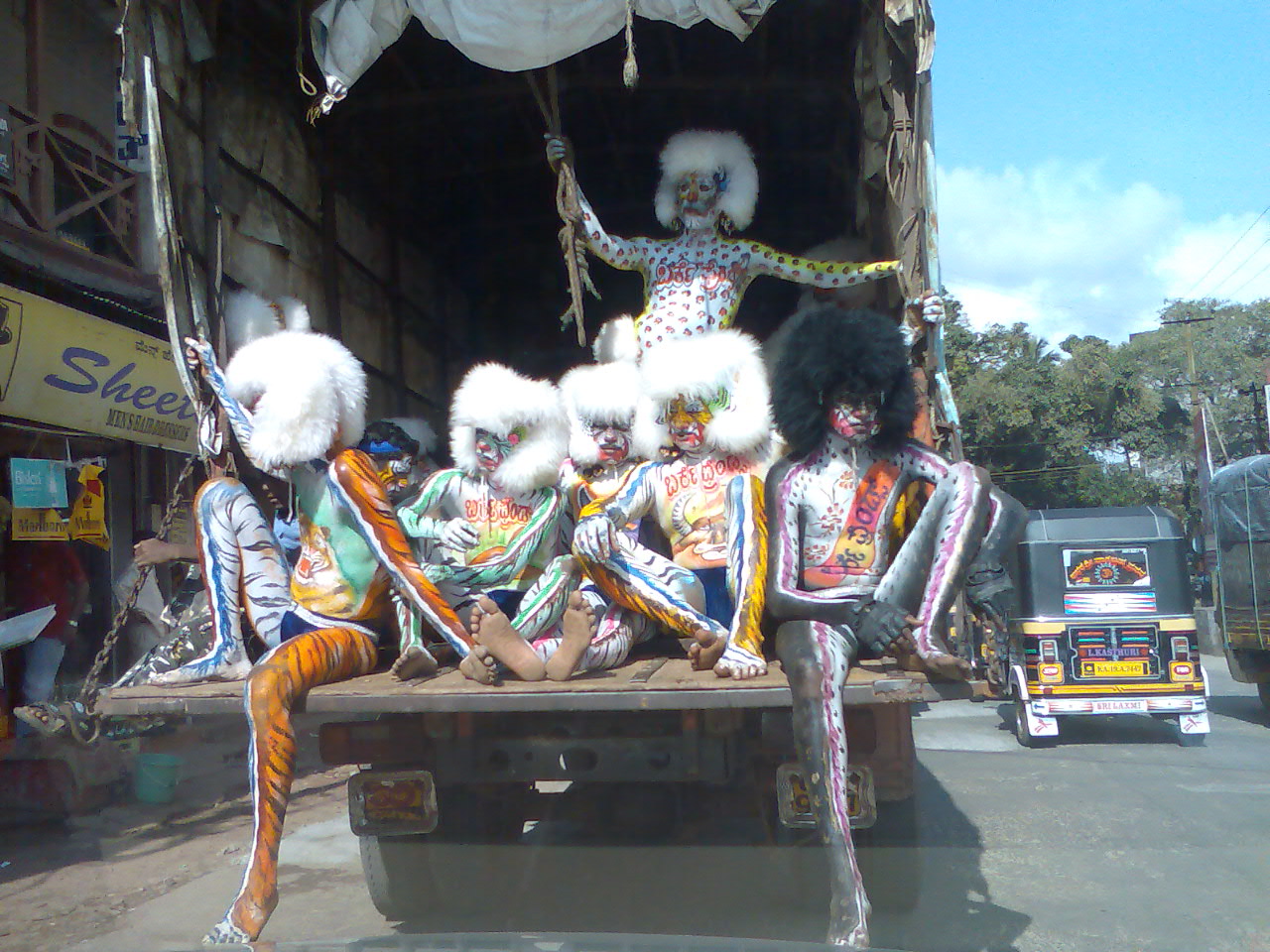 🇮🇳 IndiaPili Yesaಪಿಲಿವೇಷ
A coastal Karnataka folk dance where performers paint themselves as tigers to honour the Goddess DurgaIllusion · Protection · Power and authority Living
🇮🇳 IndiaPili Yesaಪಿಲಿವೇಷ
A coastal Karnataka folk dance where performers paint themselves as tigers to honour the Goddess DurgaIllusion · Protection · Power and authority Living
 🇺🇸 United StatesRing shout
A sacred circle dance of African American origin using rhythmic movement and call-and-response singingRite · Speaking with spirits and the dead · Power and authority Living
🇺🇸 United StatesRing shout
A sacred circle dance of African American origin using rhythmic movement and call-and-response singingRite · Speaking with spirits and the dead · Power and authority Living
 🇧🇯 Benin and 5 moreVodun art
Religious sculpture and temple painting from West African Vodun traditionsTradition · Protection · Speaking with spirits and the dead Living
🇧🇯 Benin and 5 moreVodun art
Religious sculpture and temple painting from West African Vodun traditionsTradition · Protection · Speaking with spirits and the dead Living
 🇯🇵 Japan and 1 moreMisogi禊
A Shinto rite of full-body purification using cold waterRite · Cleansing and purification · Speaking with spirits and the dead Living
🇯🇵 Japan and 1 moreMisogi禊
A Shinto rite of full-body purification using cold waterRite · Cleansing and purification · Speaking with spirits and the dead Living
 🇮🇳 India and 2 moreHomaहोम
A fire ritual found across Asian religions where offerings are burned as a votive exchange with the divine.Rite · Protection · Speaking with spirits and the dead Living
🇮🇳 India and 2 moreHomaहोम
A fire ritual found across Asian religions where offerings are burned as a votive exchange with the divine.Rite · Protection · Speaking with spirits and the dead Living
 🇮🇳 India and 1 moreLakshmiलक्ष्मी
A Hindu goddess of wealth, prosperity, and beauty, worshipped as the consort of Vishnu.Being · Luck and prosperity · Power and authority Living
🇮🇳 India and 1 moreLakshmiलक्ष्मी
A Hindu goddess of wealth, prosperity, and beauty, worshipped as the consort of Vishnu.Being · Luck and prosperity · Power and authority Living
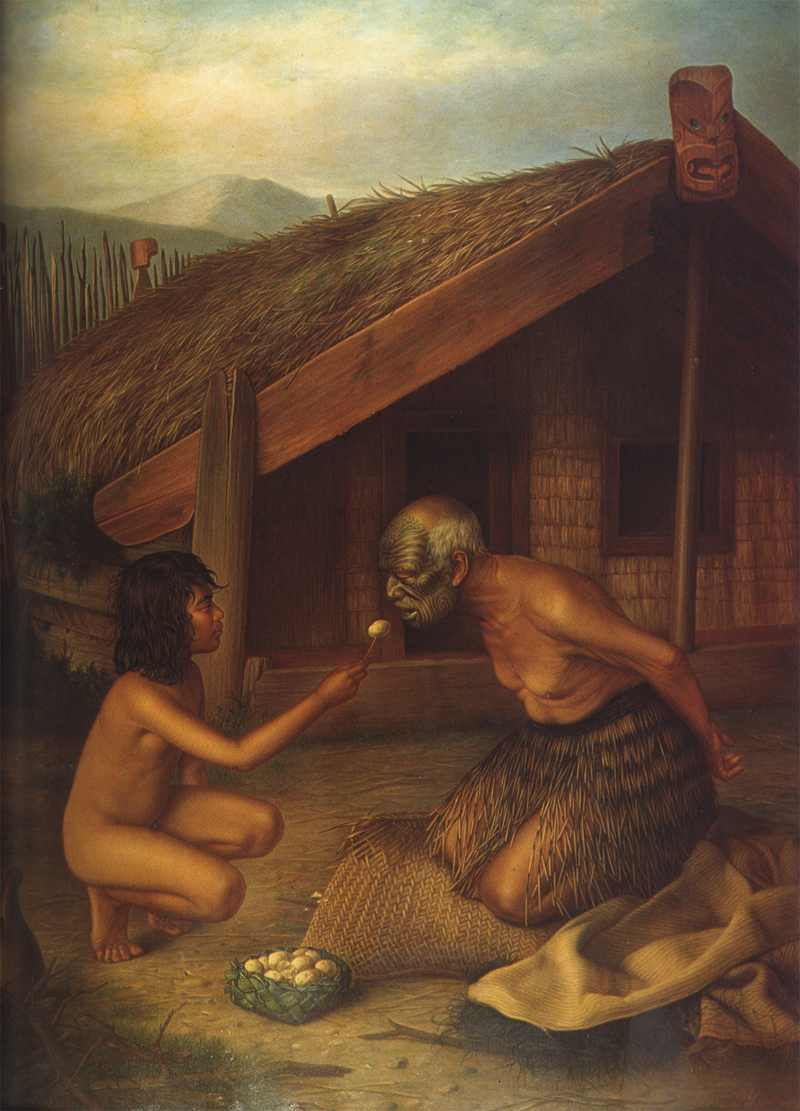 🇳🇿 New ZealandTohunga
A Māori expert practitioner of sacred or secular arts, from priests to carvers.Tradition · Healing · Seeing and foretelling Living
🇫🇮 Finland and 1 moreFinnic mythologies
The traditional beliefs and spiritual practices of the Finnic-speaking peoples of northern Eurasia.Tradition · Speaking with spirits and the dead · Power and authority Living
🇳🇿 New ZealandTohunga
A Māori expert practitioner of sacred or secular arts, from priests to carvers.Tradition · Healing · Seeing and foretelling Living
🇫🇮 Finland and 1 moreFinnic mythologies
The traditional beliefs and spiritual practices of the Finnic-speaking peoples of northern Eurasia.Tradition · Speaking with spirits and the dead · Power and authority Living
 🇺🇸 United States and 4 moreFortune-telling
A practice of predicting future events or personal details through various methods and tools.Rite · Seeing and foretelling · Power and authority Living
🇺🇸 United States and 4 moreFortune-telling
A practice of predicting future events or personal details through various methods and tools.Rite · Seeing and foretelling · Power and authority Living
 🇮🇳 India and 5 moreCowrie
A sea snail shell used as currency, divination tool, and charm across many culturesSubstance · Seeing and foretelling · Luck and prosperity Living
🇮🇳 India and 5 moreCowrie
A sea snail shell used as currency, divination tool, and charm across many culturesSubstance · Seeing and foretelling · Luck and prosperity Living
 🇮🇳 India and 5 moreSnake worship
Veneration of serpents as divine or ancestral beings across global culturesTradition · Protection · Healing Living
🇮🇳 India and 5 moreSnake worship
Veneration of serpents as divine or ancestral beings across global culturesTradition · Protection · Healing Living
 🇮🇳 IndiaHindu astrologyज्योतिष (Jyotiṣa)
A traditional Hindu system of astrology and timekeeping rooted in the VedasTradition · Seeing and foretelling · Luck and prosperity Living
🇮🇳 IndiaHindu astrologyज्योतिष (Jyotiṣa)
A traditional Hindu system of astrology and timekeeping rooted in the VedasTradition · Seeing and foretelling · Luck and prosperity Living
 🇺🇸 United StatesDianic Wicca
A female-only pagan tradition honoring the Goddess and women's experienceTradition · Protection · Healing Living
🇺🇸 United StatesDianic Wicca
A female-only pagan tradition honoring the Goddess and women's experienceTradition · Protection · Healing Living
 🇬🇧 United Kingdom and 2 moreWheel of the Year
An annual cycle of eight seasonal festivals observed by modern pagans.Tradition · Speaking with spirits and the dead · Power and authority Living
🇬🇧 United Kingdom and 2 moreWheel of the Year
An annual cycle of eight seasonal festivals observed by modern pagans.Tradition · Speaking with spirits and the dead · Power and authority Living
 🇸🇴 Somalia and 5 moreFrankincense
An aromatic tree resin harvested for incense, perfume, and religious ritualSubstance · Speaking with spirits and the dead · Power and authority Living
🇸🇴 Somalia and 5 moreFrankincense
An aromatic tree resin harvested for incense, perfume, and religious ritualSubstance · Speaking with spirits and the dead · Power and authority Living
 🇸🇦 Saudi Arabia and 1 moreDhikrذِكْر
Islamic remembrance of God through repeated recitation and prayerRite · Speaking with spirits and the dead · Power and authority Living
🇸🇦 Saudi Arabia and 1 moreDhikrذِكْر
Islamic remembrance of God through repeated recitation and prayerRite · Speaking with spirits and the dead · Power and authority Living
 🇮🇳 India and 5 moreHanumanहनुमान्
A divine vanara deity of devotion and strength in HinduismBeing · Protection · Power and authority Living
🇮🇳 India and 5 moreHanumanहनुमान्
A divine vanara deity of devotion and strength in HinduismBeing · Protection · Power and authority Living
 🇮🇳 India and 2 moreYantraयन्त्र
A geometric diagram from Indian traditions used for worship and meditationTradition · Protection · Speaking with spirits and the dead Living
🇮🇳 India and 2 moreYantraयन्त्र
A geometric diagram from Indian traditions used for worship and meditationTradition · Protection · Speaking with spirits and the dead Living
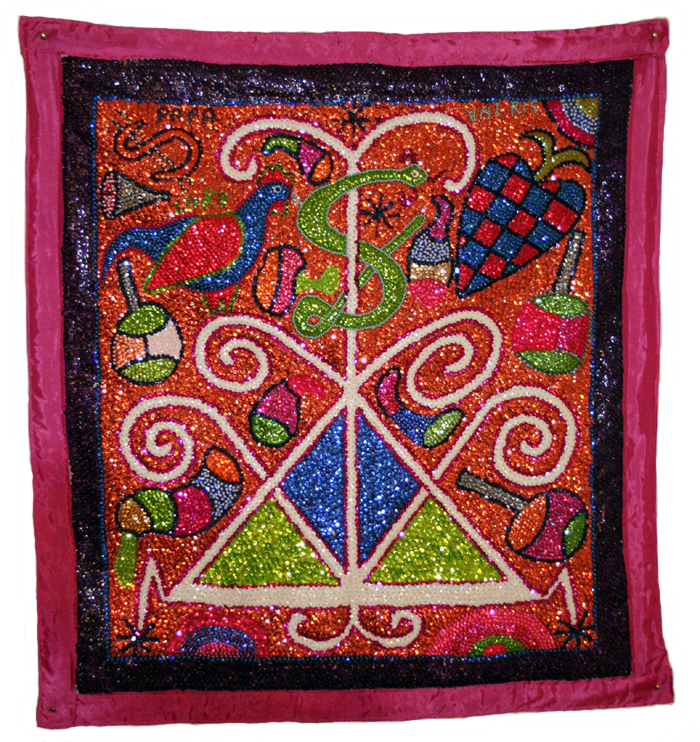 🇭🇹 Haiti and 2 moreHaitian VodouVodou
An Afro-Haitian religion blending West African traditions with Catholicism and FreemasonryTradition · Protection · Healing Living
🇭🇹 Haiti and 2 moreHaitian VodouVodou
An Afro-Haitian religion blending West African traditions with Catholicism and FreemasonryTradition · Protection · Healing Living
 🇨🇳 China and 5 moreKau chim求籤
A divination practice using numbered bamboo sticks to seek answers from deitiesOracle · Seeing and foretelling · Power and authority Living
🇨🇳 China and 3 moreQi氣 / 气
A vital force in Chinese philosophy and medicine, believed to flow through all living things.Substance · Healing · Power and authority Living
🇨🇳 China and 5 moreKau chim求籤
A divination practice using numbered bamboo sticks to seek answers from deitiesOracle · Seeing and foretelling · Power and authority Living
🇨🇳 China and 3 moreQi氣 / 气
A vital force in Chinese philosophy and medicine, believed to flow through all living things.Substance · Healing · Power and authority Living
 🇳🇵 Nepal and 1 moreMani stone
Carved stones inscribed with Buddhist mantras, placed as offerings along paths in the Himalayas.Charm · Protection · Speaking with spirits and the dead Living
🇳🇵 Nepal and 1 moreMani stone
Carved stones inscribed with Buddhist mantras, placed as offerings along paths in the Himalayas.Charm · Protection · Speaking with spirits and the dead Living
 🇨🇳 ChinaNeidan内丹
A Taoist practice using the body as a cauldron to refine inner energies for longevity and immortalityTradition · Healing · Power and authority Living
🇧🇯 Benin and 2 morePapa Legba
A loa who stands at the crossroads and opens the gate between people and spiritsBeing · Speaking with spirits and the dead · Power and authority Living
🇨🇳 ChinaNeidan内丹
A Taoist practice using the body as a cauldron to refine inner energies for longevity and immortalityTradition · Healing · Power and authority Living
🇧🇯 Benin and 2 morePapa Legba
A loa who stands at the crossroads and opens the gate between people and spiritsBeing · Speaking with spirits and the dead · Power and authority Living
 🇳🇬 Nigeria and 5 moreOgunÒgún
A West African deity of iron, war and metalworking found in Yoruba and diaspora traditionsBeing · Protection · Cursing and harm Living
🇳🇴 NorwayEsbat
A monthly Wiccan ritual held at the full or new moon for worship and community.Rite · Speaking with spirits and the dead · Love and attraction Living
🇳🇬 Nigeria and 5 moreOgunÒgún
A West African deity of iron, war and metalworking found in Yoruba and diaspora traditionsBeing · Protection · Cursing and harm Living
🇳🇴 NorwayEsbat
A monthly Wiccan ritual held at the full or new moon for worship and community.Rite · Speaking with spirits and the dead · Love and attraction Living
 🇸🇳 Senegal and 5 morePentagramπεντάγραμμον
A five-pointed star figure used across history for protection, ritual, and cosmologyCharm · Protection · Binding and oaths Living
🇺🇸 United StatesFeri Tradition
An American ecstatic witchcraft tradition founded on the West Coast in the mid-twentieth century.Tradition · Power and authority · Change and initiation Living
🇸🇳 Senegal and 5 morePentagramπεντάγραμμον
A five-pointed star figure used across history for protection, ritual, and cosmologyCharm · Protection · Binding and oaths Living
🇺🇸 United StatesFeri Tradition
An American ecstatic witchcraft tradition founded on the West Coast in the mid-twentieth century.Tradition · Power and authority · Change and initiation Living
 🇺🇸 United StatesAshtar
A channeled extraterrestrial figure central to mid-century American ufology and New Age spiritualityBeing · Speaking with spirits and the dead · Seeing and foretelling Living
🇺🇸 United StatesAshtar
A channeled extraterrestrial figure central to mid-century American ufology and New Age spiritualityBeing · Speaking with spirits and the dead · Seeing and foretelling Living
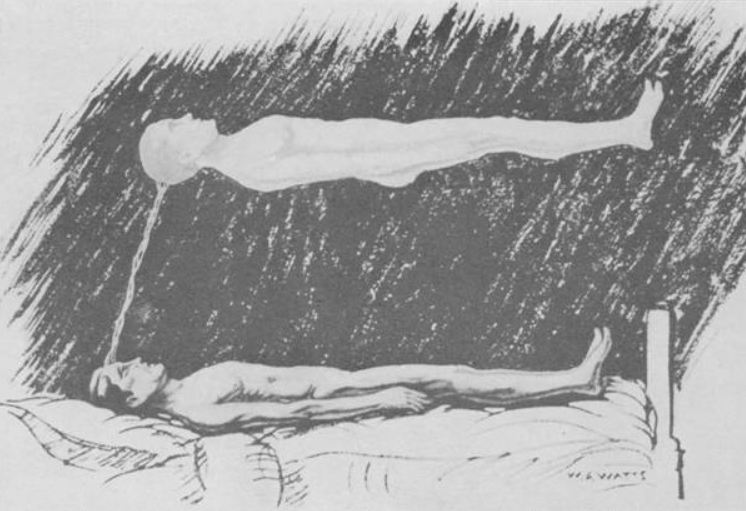 🇮🇳 India and 3 moreAstral projection
An intentional out-of-body experience where consciousness travels through the astral planeTradition · Speaking with spirits and the dead · Change and initiation Living
🇮🇳 India and 3 moreAstral projection
An intentional out-of-body experience where consciousness travels through the astral planeTradition · Speaking with spirits and the dead · Change and initiation Living
 🇮🇳 IndiaChillaچله
A forty-day solitary retreat of fasting and meditation in Sufi traditionRite · Speaking with spirits and the dead · Power and authority Living
🇮🇳 IndiaChillaچله
A forty-day solitary retreat of fasting and meditation in Sufi traditionRite · Speaking with spirits and the dead · Power and authority Living
 🇮🇱 Israel and 1 moreAna BeKoachאנא בכח
A medieval Jewish liturgical poem linked to the 42-letter name of GodText · Power and authority · Protection Living
🇮🇱 Israel and 1 moreAna BeKoachאנא בכח
A medieval Jewish liturgical poem linked to the 42-letter name of GodText · Power and authority · Protection Living
 🇯🇵 JapanMagatama勾玉
A curved Japanese bead used as jewelry, status symbol, and sacred object in Shinto.Charm · Power and authority · Speaking with spirits and the dead Living
🇺🇸 United StatesLaw of attraction
A New Thought belief that focused thoughts draw matching experiences into lifeBelief · Healing · Luck and prosperity Living
🇯🇵 JapanMagatama勾玉
A curved Japanese bead used as jewelry, status symbol, and sacred object in Shinto.Charm · Power and authority · Speaking with spirits and the dead Living
🇺🇸 United StatesLaw of attraction
A New Thought belief that focused thoughts draw matching experiences into lifeBelief · Healing · Luck and prosperity Living
 🇮🇳 India and 1 moreVarahiवाराही (Vārāhī)
A Hindu mother goddess with a sow face, worshipped in Tantric rites for protection and powerBeing · Protection · Power and authority Living
🇮🇳 IndiaTawajjuh
A Sufi practice of transmitting spiritual energy from a master to a studentTradition · Speaking with spirits and the dead · Power and authority Living
🇮🇳 India and 1 moreVarahiवाराही (Vārāhī)
A Hindu mother goddess with a sow face, worshipped in Tantric rites for protection and powerBeing · Protection · Power and authority Living
🇮🇳 IndiaTawajjuh
A Sufi practice of transmitting spiritual energy from a master to a studentTradition · Speaking with spirits and the dead · Power and authority Living
 🇺🇸 United States and 1 moreChurch of Satan
An atheistic religious body founded in 1966 that practices ritual magicTradition · Power and authority · Change and initiation Living
🇺🇸 United States and 1 moreChurch of Satan
An atheistic religious body founded in 1966 that practices ritual magicTradition · Power and authority · Change and initiation Living
Photo credits on this page
The small pictures above come from Wikimedia Commons under free licences. Some are cropped to fit.
- Mantra: Markrosenrosen, CC BY-SA 3.0, source
- Astral projection: Hereward Carrington, Sylvan Muldoon., Public domain, source
- Daruma doll: Crisco 1492, Public domain, source
- Haitian Vodou: Sam Fentress, CC BY-SA 2.0, source
- Astrology: Wilfredor, CC0, source
- Kau chim: No machine-readable author provided. 9old9 assumed (based on copyright, Public domain, source
- Mani stone: John Hill, CC BY-SA 4.0, source
- Neidan: A16898, CC BY-SA 4.0, source
- Ogun: Chado07, CC BY-SA 4.0, source
- Obatala: Isha, CC BY 3.0, source
- Church of Satan: Palnu ., CC BY-SA 3.0, source
- Pentagram: Tomruen, Attribution, source
- Shiva: Indianhilbilly, CC BY-SA 3.0, source
- Shakta pithas: Abhishek Chandra, Public domain, source
- Maximón: Sapfan (Jan Pesula), Public domain, source
- Hopi mythology: Sailko, CC BY 3.0, source
- Feng shui: Unknown author, Public domain, source
- Marabout: Jan Broekhuijse, CC BY-SA 3.0, source
- Pili Yesa: Premnath Kudva, CC BY 3.0, source
- Ring shout: Attributed to John Rose, Public domain, source
- Vodun art: Fraipont, Gustave (1849-1923), Public domain, source
- Vahana: Unknown Nepali, Public domain, source
- Ashtar: Evedawn99, Public domain, source
- Chilla: Indischer Maler um 1630, Public domain, source
- Misogi: Ds13 at English Wikipedia, CC BY-SA 3.0, source
- Magatama: Kakidai, CC BY-SA 3.0, source
- Homa: Vyacheslav Argenberg, CC BY 4.0, source
- Lakshmi: Raja Ravi Varma, Public domain, source
- Tohunga: Gottfried Lindauer, Public domain, source
- Fortune-telling: Taras Shevchenko, Public domain, source
- Cowrie: NOAA (Photo Collection of Dr. James P. McVey, NOAA Sea Grant Program), Public domain, source
- Snake worship: Alexandermcnabb, CC BY-SA 4.0, source
- Hindu astrology: Unknown author, CC BY 4.0, source
- Dianic Wicca: Jean-Baptiste Tuby I (Italy, active France, Paris and Versailles, 1635, Public domain, source
- Wheel of the Year: Sunblade1500, CC BY-SA 3.0, source
- Ana BeKoach: Baruch Zvi Ring (c. 1872 - 1927) Details on Google Art Project, Public domain, source
- Frankincense: No machine-readable author provided. Gaius Cornelius assumed (based on, Public domain, source
- Dhikr: Eugène Baugnies, Public domain, source
- Hanuman: Niranjan Arminius, CC BY-SA 2.0, source
- Yantra: Photo by Daniel Conrad (Chromacon), artwork by Daniel Conrad under dir, Public domain, source