Traditions and systems
Whole bodies of practice: Vodou, shamanism, hoodoo, Wicca, onmyodo, Ifa and the rest.
A tradition is a whole body of magical practice with its own teachers, vocabulary and rules, as distinct from a single charm or rite. Ifa in West Africa, Vodou in Haiti, Tibetan Buddhist ritual, Wicca in Britain and America, and Siberian shamanism are all traditions in this sense. Some are living religions, some are modern inventions, and some survive only in fragments. This page looks at how they differ and what each label hides. Each is described here in its own terms wherever the community has chosen to share them.
Who holds them
A tradition has keepers. In Ifa, a babalawo trains for years and memorises the verses of Odu. In Haitian Vodou, a houngan or mambo is initiated within a house and a lineage. Wicca, by contrast, grew from the writings of Gerald Gardner in the 1950s and spreads by books and covens. Access varies: some traditions are open, some require initiation, and some are closed to outsiders by the community's own rule.
Names that mislead
Outsiders have often given traditions names their keepers did not choose. Colonial officials and missionaries called African and Indigenous religions fetishism, witchcraft or devil worship. The word voodoo, borrowed from the Haitian religion, became a stock horror image, while practitioners say Vodou. Many people also reject the word magic for what they see as plain religion, worship of ancestors or medicine of the land. Some are written down in long poems or scriptures, while others are carried only in memory, song and apprenticeship, which affects how outsiders can study them.
How states treat them
Treatment ranges from protection to prohibition. Haiti recognised Vodou as a religion in 2003. Britain repealed its Witchcraft Act only in 1951. Several African and Pacific states still prosecute witchcraft accusations, and Saudi Arabia has executed people for sorcery. Many traditions were absorbed rather than banned: Santeria wore the faces of Catholic saints, and Taoist ritual was licensed by Chinese emperors. Recognition on paper does not end prejudice: a faith can be legal under a constitution and still be mocked, taxed or policed at local level.
Scholars and sceptics
Anthropologists such as Evans-Pritchard, who studied the Azande in the 1930s, described magic as a coherent system of explanation, not stupidity. Historians stress that boundaries between religion, magic and science were drawn by particular people for particular reasons. Sceptics point out that tests of efficacy have found no effect beyond expectation. Many tradition-bearers answer that the question misses what the practice is for. Folklorists add that traditions are always changing, with no pure original to return to, and that revival is itself a form of change.
Tradition on EveryJaadu
The entries written up so far, best known first.
 🇲🇽 MexicoAztec religion
The polytheistic and monistic belief system of the Aztec Empire in central MexicoTradition · Protection · Luck and prosperity Historical
 🇰🇷 South KoreaJesa제사
A Korean ancestral memorial rite involving food offerings and ritual bowsRite · Speaking with spirits and the dead · Luck and prosperity Living
 🇯🇵 Japan and 2 moreTanabataたなばた (七夕)
A Japanese celebration of star-crossed lovers and written wishesTradition · Luck and prosperity · Wonder and entertainment Living
 🇬🇧 United Kingdom and 2 moreSoul cake
A spiced cake given to soulers during Allhallowtide to remember the dead.Tradition · Speaking with spirits and the dead · Luck and prosperity Living
 🇬🇷 Greece and 5 moreVotive offering
Objects left in sacred places to honor a deity or fulfill a vow, never to be recovered.Tradition · Protection · Healing Living
 🇬🇧 United KingdomWassail
A hot spiced drink and the twelfth-night customs of singing to trees or visiting homes for giftsTradition · Luck and prosperity · Protection Living
 🇬🇧 United Kingdom and 1 moreWell dressing
A rural English custom of decorating water sources with natural designsTradition · Protection · Speaking with spirits and the dead Living
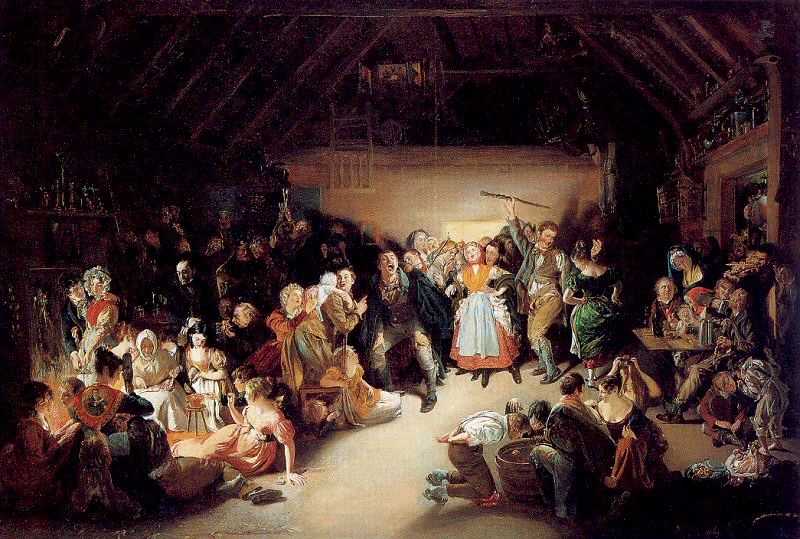 🇮🇪 Ireland and 1 moreSamhain
A Gaelic festival marking the end of harvest and the start of winter, observed on November 1st.Tradition · Protection · Speaking with spirits and the dead Living
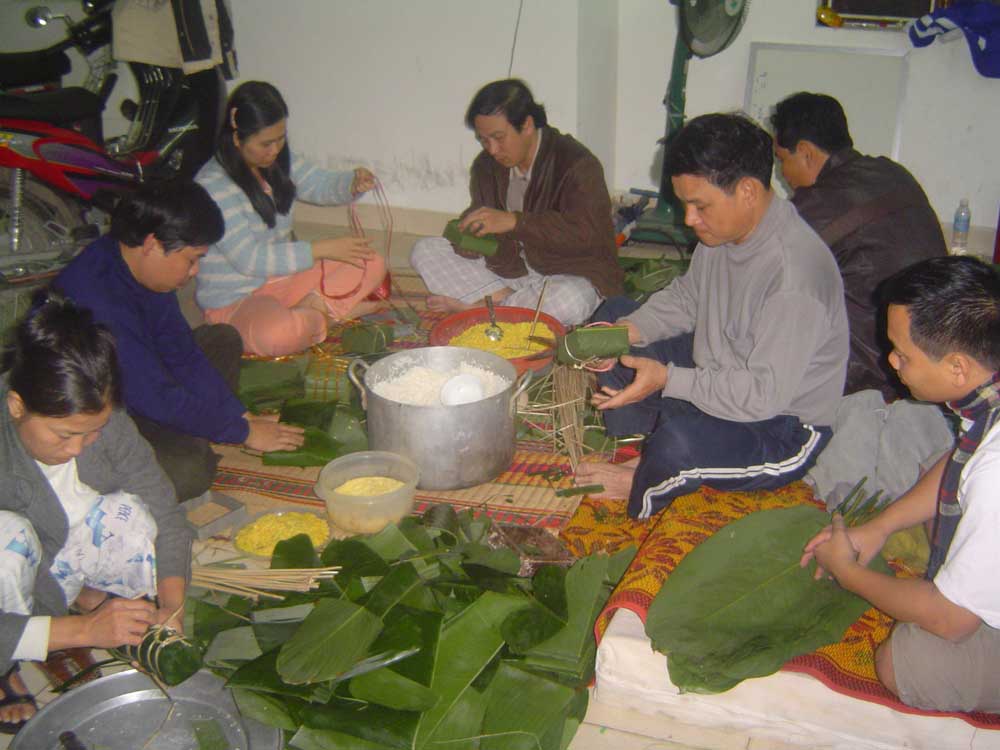 🇻🇳 Vietnam and 5 moreTếtTết Nguyên Đán
The Vietnamese lunisolar new year and the most important annual celebration in VietnamTradition · Luck and prosperity · Speaking with spirits and the dead Living
 🇬🇹 Guatemala and 3 moreMaya religion
The living spiritual practices of the Maya peoples, shaped by centuries of contact with Catholicism.Tradition · Protection · Healing Living
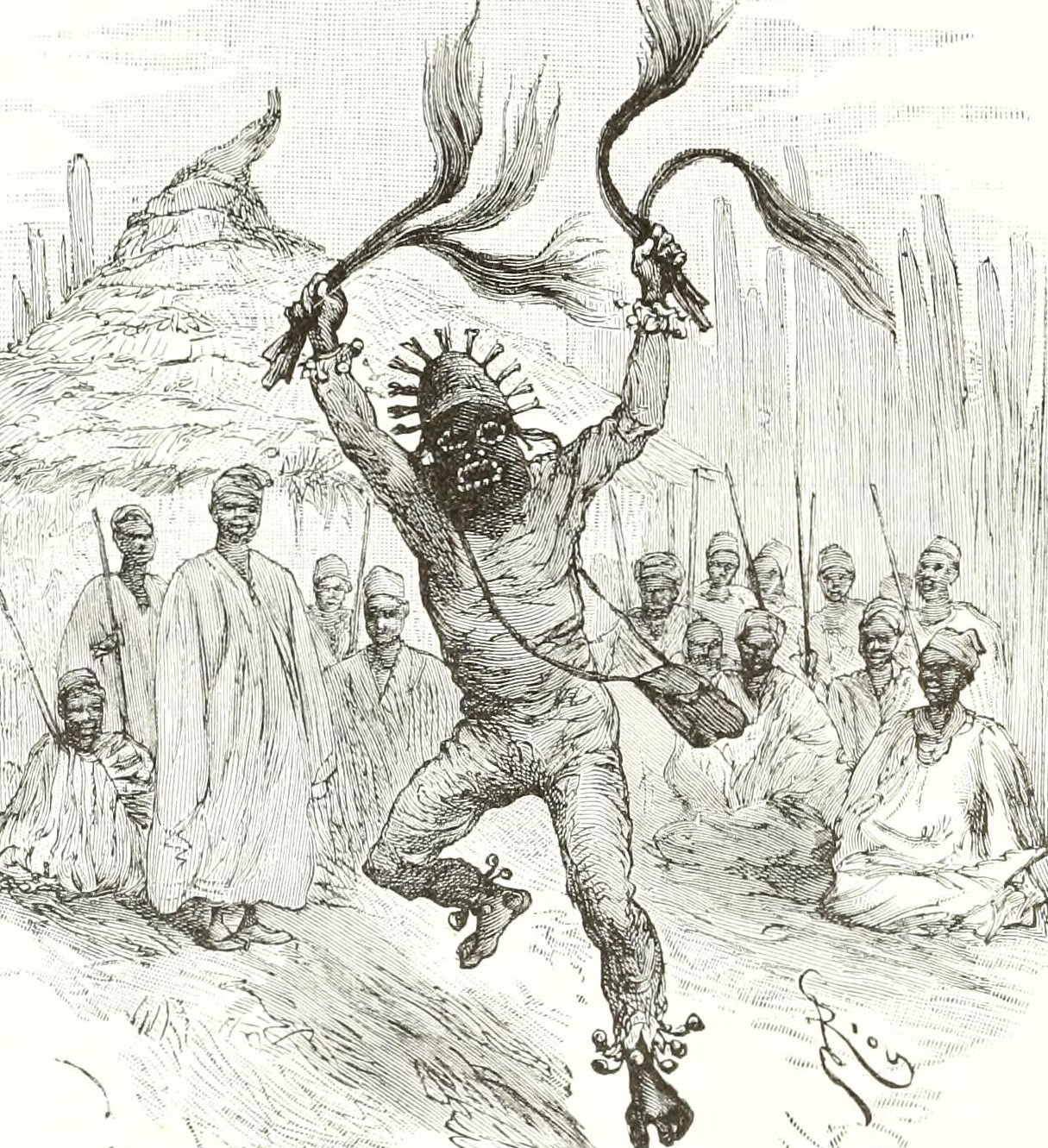 🇺🇸 United States and 2 moreLouisiana Voodoo
An African diasporic religion practiced in Louisiana from the 18th to early 20th centuriesTradition · Healing · Protection Historical
 🇮🇳 IndiaAkshaya Tritiyaअक्षय तृतीया
A Hindu and Jain spring festival marking a day of inexhaustible merit and new beginnings.Tradition · Luck and prosperity · Protection Living
 🇫🇷 France and 5 moreYule log
A large wooden log burned in the hearth during winter festivals across Europe and North America.Tradition · Protection · Luck and prosperity Living
 🇦🇹 Austria and 3 morePerchtaPercht
A Alpine goddess of winter who rewards diligence and punishes laziness during the twelve days after Christmas.Being · Luck and prosperity · Cursing and harm Revived
 🇲🇲 MyanmarBurmese folk religionNat Worship
Animistic worship of nature spirits and ancestors in Myanmar, often practiced alongside Buddhism.Tradition · Protection · Luck and prosperity Living
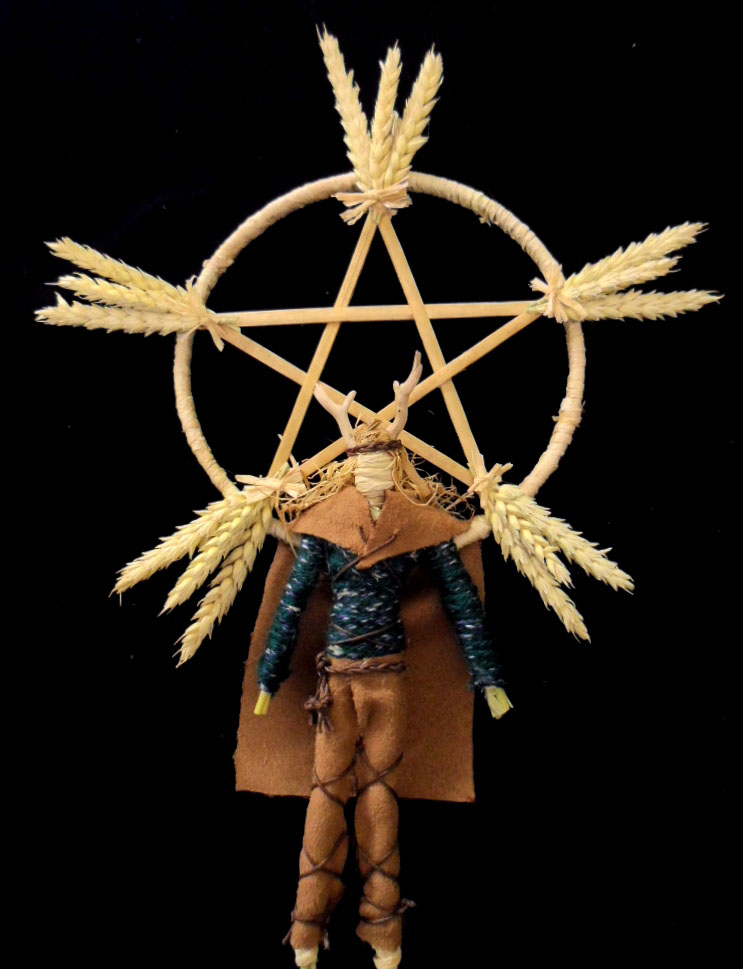 🇮🇪 Ireland and 1 moreLughnasadhLúnasa
A Gaelic harvest festival marking the beginning of the grain gathering seasonTradition · Luck and prosperity · Speaking with spirits and the dead Living
 🇮🇳 India and 2 moreDurga Pujaদুর্গাপূজা
A ten-day autumn festival honouring the goddess Durga and her victory over evil.Tradition · Protection · Luck and prosperity Living
 🇮🇳 India and 1 moreRangoliरंगोली
A floor art form from India using powders and flowers to welcome guests and deitiesTradition · Protection · Luck and prosperity Living
 🇮🇪 Ireland and 4 moreMay Day
A European spring festival marking the start of summer with flowers, poles and fire.Tradition · Protection · Luck and prosperity Living
 🇩🇪 Germany and 5 moreMaypoleMaibaum
A tall wooden pole raised for European spring festivals, accompanied by dance and celebration.Tradition · Luck and prosperity · Love and attraction Living
 🇳🇬 NigeriaOsun-Osogbo Sacred GroveOsun-Osogbo
A sacred forest in Nigeria dedicated to the river goddess Osun, celebrated with an annual festival.Tradition · Speaking with spirits and the dead · Protection Living
 🇮🇷 Iran and 7 moreNowruzنوروز
A spring equinox festival marking the new year across West and Central AsiaTradition · Luck and prosperity · Cleansing and purification Living
 🇲🇳 Mongolia and 2 moreMongolian shamanismBöö Mörgöl
The animistic and shamanic ethnic religion of the Mongols, involving spirit worship and ritual intercession.Tradition · Protection · Healing Living
 🇻🇺 VanuatuJohn Frum
A Melanesian cargo cult figure on Tanna Island who promises wealth and the return of American supplies.Figure · Luck and prosperity · Power and authority Living
 🇯🇵 Japan and 3 moreObonお盆
A Japanese Buddhist festival honoring the spirits of ancestors through dance and offeringsTradition · Speaking with spirits and the dead · Luck and prosperity Living
 🇨🇳 China and 5 moreQingming Festival清明节
A spring day for sweeping graves, feeding the dead and honouring ancestorsTradition · Speaking with spirits and the dead · Protection Living
 🇵🇪 Peru and 2 moreInca religion
The polytheistic beliefs and rites of the Inca Empire across the AndesTradition · Protection · Luck and prosperity Historical
 🇮🇪 Ireland and 4 moreWinter solstice
The shortest day and longest night of the year, marked by rites of solar returnTradition · Seeing and foretelling · Protection Living
 🇮🇩 IndonesiaPenjorᬧᬾᬜ᭄ᚚᚚᭀᬃ
A curved bamboo pole marking prosperity in Balinese Hindu ceremonyTradition · Luck and prosperity · Power and authority Living
 🇮🇷 Iran and 3 moreIranian folkloreفولکلور ایرانی
The oral legends, heroes, and spirits of Greater IranTradition · Protection · Seeing and foretelling Living
 🇻🇺 Vanuatu and 5 moreKava culture
A shared ritual across Oceania where a root brew marks ceremony, respect, and social gathering.Tradition · Speaking with spirits and the dead · Luck and prosperity Living
 🇸🇪 Sweden and 2 moreDísdísir
Female spirits of fate and protection in Norse traditionBeing · Protection · Luck and prosperity Historical
 🇯🇵 JapanShinto shrine神社 (jinja)
A structure in Japan that houses kami, the deities of ShintoTradition · Speaking with spirits and the dead · Protection Living
 🇬🇹 GuatemalaMaximónRi Laj Mam
A Maya folk saint and trickster deity venerated in the Guatemalan HighlandsBeing · Protection · Healing Living
🇳🇿 New ZealandKarakia
Māori recitations used for spiritual guidance, protection, and formal greetingsTradition · Protection · Speaking with spirits and the dead Living
 🇦🇷 Argentina and 2 moreSan La Muerte
A skeletal folk saint venerated in South America for protection and favorsTradition · Protection · Healing Living
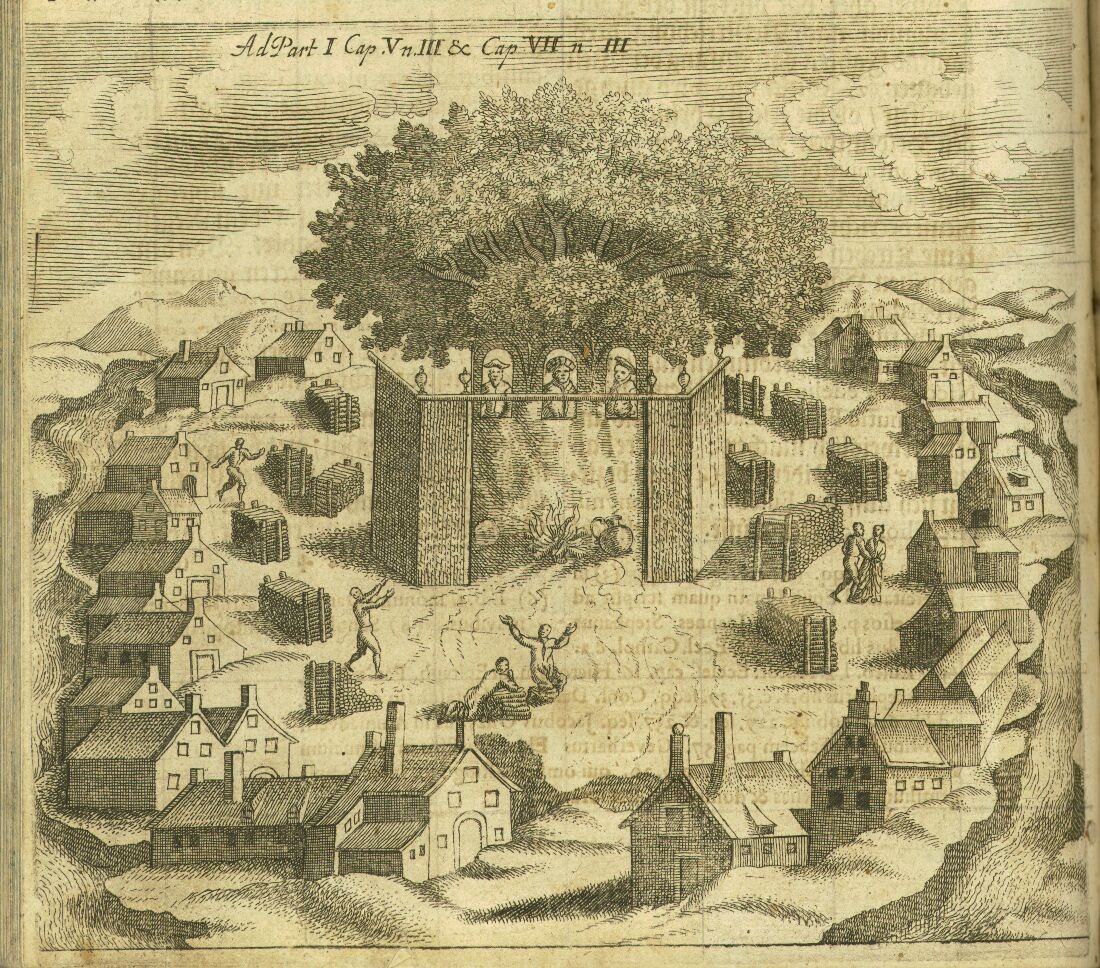 🇱🇹 Lithuania and 1 moreLithuanian mythologyLietuvių mitologija
The ancient polytheistic beliefs of the Baltic people, preserved in folklore and early chroniclesTradition · Speaking with spirits and the dead · Luck and prosperity Historical
 🇧🇴 BoliviaThe Witches' MarketMercado de las Brujas
A La Paz market where Aymara women and yatiri sell ritual items for Pachamama offeringsTradition · Luck and prosperity · Protection Living
 🇮🇳 India and 1 moreDiyaदीया
A small oil lamp used in prayers and festivals across the Indian subcontinentTradition · Protection · Luck and prosperity Living
 🇮🇳 India and 5 moreAncestor veneration
Rituals honoring the dead to maintain kinship bonds and seek guidance from spiritsTradition · Speaking with spirits and the dead · Protection Living
🇮🇳 India and 5 moreAncestor veneration
Rituals to honor the dead and maintain kinship bonds across generationsTradition · Speaking with spirits and the dead · Protection Living
 🇺🇦 Ukraine and 1 moreUkrainian folklore
The folk traditions of Ukraine and its ethnic communitiesTradition · Speaking with spirits and the dead · Luck and prosperity Living
 🇲🇳 Mongolia and 1 moreTsagaan SarЦагаан сар
The Mongolian Lunar New Year, three days of white foods and family visitsTradition · Luck and prosperity · Cleansing and purification Living
🇰🇷 South Korea and 1 moreChuseok추석 (Chuseok), 한가위 (Hangawi)
A Korean autumn harvest festival marked by ancestral rites and feasting on the full moon.Tradition · Speaking with spirits and the dead · Luck and prosperity Living
 🇧🇴 Bolivia and 1 moreEkekoIqiqu
An Andean deity of abundance and prosperity, central to the Alasitas festival.Being · Luck and prosperity · Power and authority Living
🇫🇷 France and 4 moreRéveillon
A long Christmas or New Year's Eve dinner held to stay awake until morningTradition · Luck and prosperity · Wonder and entertainment Living
 🇩🇪 Germany and 5 moreStraw bearStrohbär
A carnival figure wrapped in straw that visits homes for gifts and marks the turning of seasons.Tradition · Luck and prosperity · Cursing and harm Living
 🇲🇱 MaliDogon religion
The traditional spiritual beliefs of the Dogon people of MaliTradition · Protection · Speaking with spirits and the dead Living
Photo credits on this page
The small pictures above come from Wikimedia Commons under free licences. Some are cropped to fit.
- Xtabay: Unknown author, Public domain, source
- Jesa: by Joseph Steinberg (Baltimoron in Korea) at Flickr, CC BY-SA 2.0, source
- Tanabata: Laika ac, CC BY-SA 2.0, source
- Soul cake: Samantha, CC BY 2.0, source
- Votive offering: Walter J. Pilsak, Waldsassen ( W.J.Pilsak at de.wikipedia ), CC BY-SA 3.0, source
- May Day: Bryan Ledgard, CC BY 2.0, source
- Maypole: Uploaded by Mikael Häggström, CC0, source
- Osun-Osogbo Sacred Grove: Cheeka 2.0, CC BY-SA 4.0, source
- Nowruz: Katzenfee50, CC0, source
- Mongolian shamanism: Enrique Bendicho, CC BY-SA 4.0, source
- John Frum: Tim Ross, CC BY 3.0, source
- Obon: Batholith, Public domain, source
- West African Vodún: I cropped, original authors are Ridpath, John Clark, CC BY-SA 4.0, source
- Qingming Festival: Jacklee ., CC BY-SA 3.0, source
- Inca religion: Chronicler Martín of Murúa (Cronista Martín de Murúa), Public domain, source
- Winter solstice: Image by Przemyslaw " Blueshade " Idzkiewicz, CC BY-SA 2.0, source
- Penjor: Chainwit., CC BY-SA 4.0, source
- Iranian folklore: Hossein Mirkamali, CC BY 4.0, source
- Kava culture: Jaejay77, CC BY-SA 4.0, source
- Dís: Emil Doepler, Public domain, source
- Shinto shrine: No machine-readable author provided. Fg2 assumed (based on copyright c, Public domain, source
- Maximón: Sapfan (Jan Pesula), Public domain, source
- San La Muerte: Sergio Serrano, CC BY-SA 2.0, source
- Lithuanian mythology: Prussian historian Christophorus Hartknoch (1644-1687), Public domain, source
- The Witches' Market: Dan Lundberg, CC BY-SA 2.0, source
- Diya: Suyash Dwivedi, CC BY-SA 4.0, source
- Ancestor veneration: Thang Nguyen, CC BY-SA 2.0, source
- Ukrainian folklore: U.S. Army Europe Images, CC BY 2.0, source
- Tsagaan Sar: User:Chinneeb, CC BY-SA 3.0, source
- Ekeko: Ciudades, CC BY-SA 4.0, source
- Straw bear: Photo: Andreas Praefcke, CC BY 3.0, source
- Dogon religion: Unknown author, CC BY 3.0, source
- Wassail: Joss Smithson, CC BY-SA 2.0, source
- Well dressing: User:WhaleyTim, CC BY-SA 3.0, source
- Samhain: Daniel Maclise, Public domain, source
- Tết: vi:Lưu Ly, Public domain, source
- Akshaya Tritiya: Fgndgndgnr, CC BY-SA 4.0, source
- Yule log: Pehr Arvid Säve (1811—1887), Public domain, source
- Perchta: Holger Uwe Schmitt, CC BY-SA 4.0, source
- Burmese folk religion: Wagaung ( talk ), CC BY-SA 3.0, source
- Lughnasadh: Mountainash333, CC BY-SA 3.0, source
- Durga Puja: Subhrajyoti07, CC BY-SA 4.0, source
- Rangoli: SreeramKalyan, CC0, source
- Aztec religion: Unknown author, Public domain, source