Traditions and systems
Whole bodies of practice: Vodou, shamanism, hoodoo, Wicca, onmyodo, Ifa and the rest.
A tradition is a whole body of magical practice with its own teachers, vocabulary and rules, as distinct from a single charm or rite. Ifa in West Africa, Vodou in Haiti, Tibetan Buddhist ritual, Wicca in Britain and America, and Siberian shamanism are all traditions in this sense. Some are living religions, some are modern inventions, and some survive only in fragments. This page looks at how they differ and what each label hides. Each is described here in its own terms wherever the community has chosen to share them.
Who holds them
A tradition has keepers. In Ifa, a babalawo trains for years and memorises the verses of Odu. In Haitian Vodou, a houngan or mambo is initiated within a house and a lineage. Wicca, by contrast, grew from the writings of Gerald Gardner in the 1950s and spreads by books and covens. Access varies: some traditions are open, some require initiation, and some are closed to outsiders by the community's own rule.
Names that mislead
Outsiders have often given traditions names their keepers did not choose. Colonial officials and missionaries called African and Indigenous religions fetishism, witchcraft or devil worship. The word voodoo, borrowed from the Haitian religion, became a stock horror image, while practitioners say Vodou. Many people also reject the word magic for what they see as plain religion, worship of ancestors or medicine of the land. Some are written down in long poems or scriptures, while others are carried only in memory, song and apprenticeship, which affects how outsiders can study them.
How states treat them
Treatment ranges from protection to prohibition. Haiti recognised Vodou as a religion in 2003. Britain repealed its Witchcraft Act only in 1951. Several African and Pacific states still prosecute witchcraft accusations, and Saudi Arabia has executed people for sorcery. Many traditions were absorbed rather than banned: Santeria wore the faces of Catholic saints, and Taoist ritual was licensed by Chinese emperors. Recognition on paper does not end prejudice: a faith can be legal under a constitution and still be mocked, taxed or policed at local level.
Scholars and sceptics
Anthropologists such as Evans-Pritchard, who studied the Azande in the 1930s, described magic as a coherent system of explanation, not stupidity. Historians stress that boundaries between religion, magic and science were drawn by particular people for particular reasons. Sceptics point out that tests of efficacy have found no effect beyond expectation. Many tradition-bearers answer that the question misses what the practice is for. Folklorists add that traditions are always changing, with no pure original to return to, and that revival is itself a form of change.
Tradition on EveryJaadu
The entries written up so far, best known first.
 🇮🇶 Iraq and 4 moreAstrology
A system of divination that links human affairs to the positions of celestial bodiesTradition · Seeing and foretelling · Luck and prosperity Living
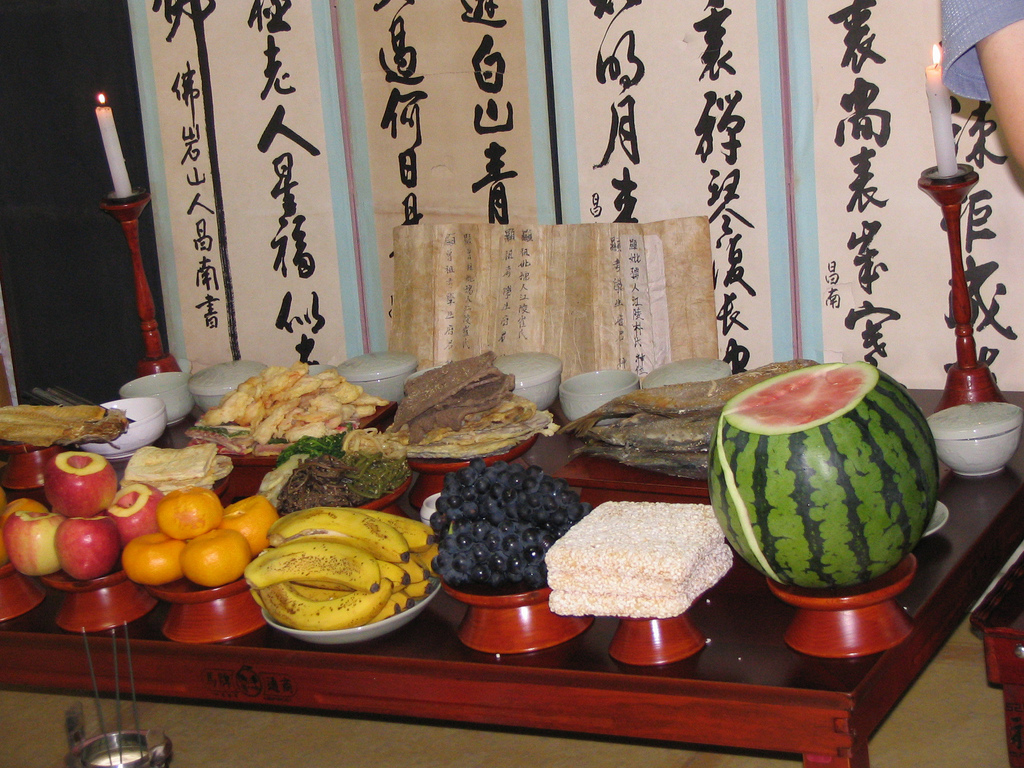 🇰🇷 South KoreaJesa제사
A Korean ancestral memorial rite involving food offerings and ritual bowsRite · Speaking with spirits and the dead · Luck and prosperity Living
 🇯🇵 Japan and 2 moreTanabataたなばた (七夕)
A Japanese celebration of star-crossed lovers and written wishesTradition · Luck and prosperity · Wonder and entertainment Living
 🇮🇪 Ireland and 4 moreWinter solstice
The shortest day and longest night of the year, marked by rites of solar returnTradition · Seeing and foretelling · Protection Living
 🇬🇧 United Kingdom and 4 moreCorn dolly
A straw figure made from the last sheaf of a harvest to house the crop spiritTradition · Protection · Luck and prosperity Revived
 🇮🇪 Ireland and 4 moreMay Day
A European spring festival marking the start of summer with flowers, poles and fire.Tradition · Protection · Luck and prosperity Living
 🇩🇪 Germany and 5 moreMaypoleMaibaum
A tall wooden pole raised for European spring festivals, accompanied by dance and celebration.Tradition · Luck and prosperity · Love and attraction Living
 🇯🇵 Japan and 3 moreObonお盆
A Japanese Buddhist festival honoring the spirits of ancestors through dance and offeringsTradition · Speaking with spirits and the dead · Luck and prosperity Living
 🇵🇪 Peru and 5 morePalo Santo
Aromatic wood used in South American ritual cleansing and folk medicineSubstance · Cleansing and purification · Healing Living
🇫🇷 France and 4 moreRéveillon
A long Christmas or New Year's Eve dinner held to stay awake until morningTradition · Luck and prosperity · Wonder and entertainment Living
 🇹🇷 Turkey and 1 moreTurkish folkloreTürk halk kültürü
A rich body of oral tales, jokes, and rituals from Turkey and the Turkic worldTradition · Protection · Healing Living
 🇷🇺 Russia and 5 moreSlavic religion
The pre-Christian beliefs of the Slavic peoples before their conversion to Christianity.Tradition · Protection · Healing Revived
 🇮🇪 Ireland and 5 moreTrick-or-treating
A Halloween custom where costumed visitors ask for treats from homesTradition · Luck and prosperity · Wonder and entertainment Living
 🇬🇧 United KingdomWassail
A hot spiced drink and the twelfth-night customs of singing to trees or visiting homes for giftsTradition · Luck and prosperity · Protection Living
 🇮🇪 Ireland and 1 moreBeltaneBealtaine
A Gaelic festival marking the start of summer with protective bonfires and livestock ritualsTradition · Protection · Luck and prosperity Revived
 🇬🇧 United Kingdom and 1 moreWell dressing
A rural English custom of decorating water sources with natural designsTradition · Protection · Speaking with spirits and the dead Living
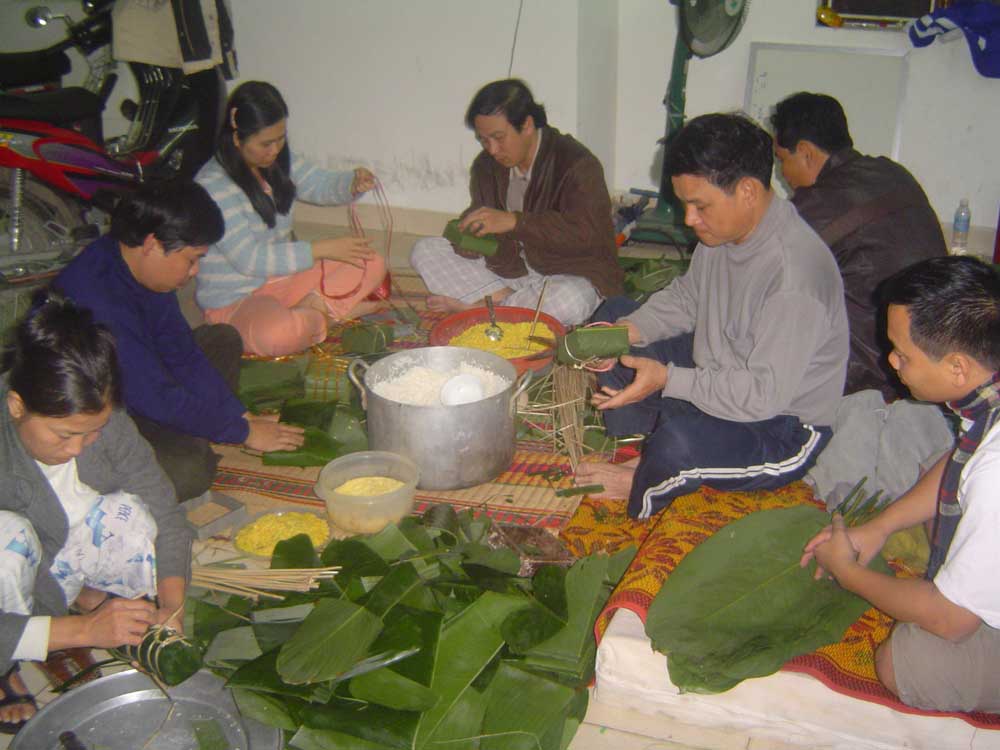 🇻🇳 Vietnam and 5 moreTếtTết Nguyên Đán
The Vietnamese lunisolar new year and the most important annual celebration in VietnamTradition · Luck and prosperity · Speaking with spirits and the dead Living
 🇷🇺 Russia and 4 moreFolk Orthodoxyнародное православие
A blend of Eastern Orthodox doctrine and pre-Christian pagan beliefs in Slavic communitiesTradition · Protection · Luck and prosperity Living
 🇪🇬 EgyptSham Ennessimشم النسيم
An Egyptian spring holiday marked by picnics, colored eggs, and salted fishTradition · Luck and prosperity · Wonder and entertainment Living
 🇰🇷 South Korea and 1 moreDaeboreum대보름
A Korean lunar holiday marking the first full moon with nut-cracking and field firesTradition · Protection · Luck and prosperity Living
 🇮🇪 Ireland and 4 moreCairncarn
A human-made pile of stones used as a marker, memorial, or ritual object across many cultures.Tradition · Protection · Speaking with spirits and the dead Living
 🇺🇦 Ukraine and 1 moreUkrainian folklore
The folk traditions of Ukraine and its ethnic communitiesTradition · Speaking with spirits and the dead · Luck and prosperity Living
 🇲🇽 Mexico and 5 moreSanta MuerteNuestra Señora de la Santa Muerte
A female skeletal folk saint in Mexico and the Americas, worshipped for protection, healing, and safe passage.Tradition · Protection · Healing Living
 🇫🇷 France and 5 moreYule log
A large wooden log burned in the hearth during winter festivals across Europe and North America.Tradition · Protection · Luck and prosperity Living
 🇦🇹 Austria and 3 morePerchtaPercht
A Alpine goddess of winter who rewards diligence and punishes laziness during the twelve days after Christmas.Being · Luck and prosperity · Cursing and harm Revived
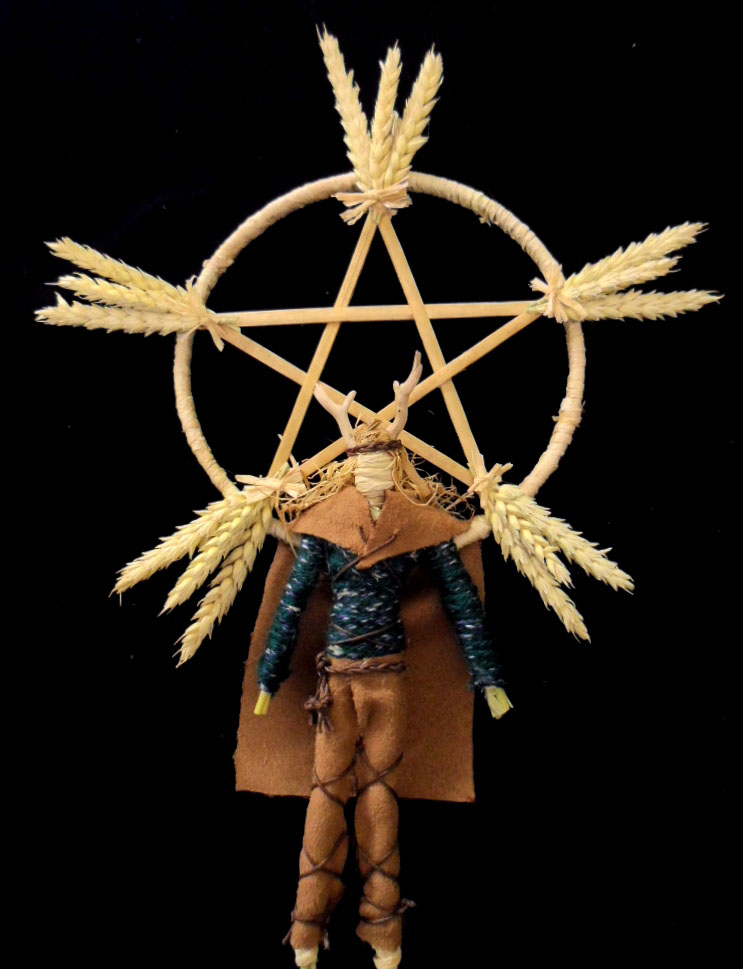 🇮🇪 Ireland and 1 moreLughnasadhLúnasa
A Gaelic harvest festival marking the beginning of the grain gathering seasonTradition · Luck and prosperity · Speaking with spirits and the dead Living
 🇨🇳 China and 5 moreQingming Festival清明节
A spring day for sweeping graves, feeding the dead and honouring ancestorsTradition · Speaking with spirits and the dead · Protection Living
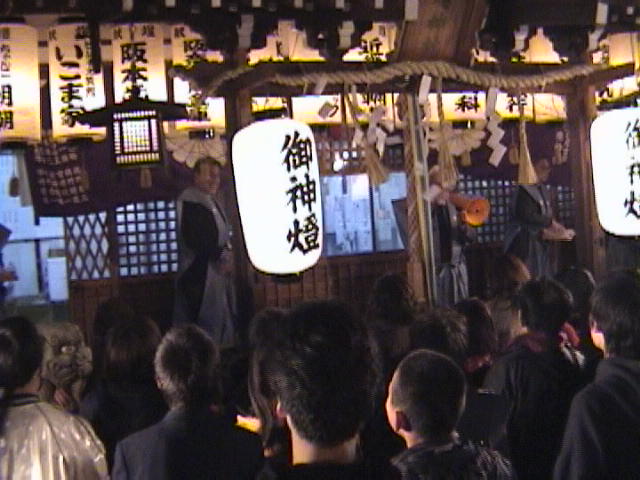 🇯🇵 Japan and 1 moreSetsubun節分
A Japanese seasonal rite to purge evil spirits and welcome spring with roasted soybeansRite · Protection · Luck and prosperity Living
 🇮🇷 Iran and 3 moreIranian folkloreفولکلور ایرانی
The oral legends, heroes, and spirits of Greater IranTradition · Protection · Seeing and foretelling Living
 🇬🇹 GuatemalaMaximónRi Laj Mam
A Maya folk saint and trickster deity venerated in the Guatemalan HighlandsBeing · Protection · Healing Living
 🇩🇪 Germany and 5 moreStraw bearStrohbär
A carnival figure wrapped in straw that visits homes for gifts and marks the turning of seasons.Tradition · Luck and prosperity · Cursing and harm Living
 🇦🇷 Argentina and 2 moreSan La Muerte
A skeletal folk saint venerated in South America for protection and favorsTradition · Protection · Healing Living
 🇨🇳 China and 2 moreMenshen門神
Guardian figures pasted to doors in Chinese folk religion to protect homes from evil.Belief · Protection · Luck and prosperity Living
🇬🇧 United Kingdom and 4 moreTelling the bees
A Western European custom of informing hives about major household eventsTradition · Protection · Luck and prosperity Living
 🇮🇹 Italy and 3 moreSaturnalia
An ancient Roman winter festival of role reversal and feasting in honor of SaturnTradition · Luck and prosperity · Wonder and entertainment Historical
🇬🇧 United Kingdom and 3 moreFirst-footciad-chuairt
The first visitor on New Year's Day, believed to set the household's fortune for the year aheadTradition · Luck and prosperity Living
 🇸🇪 Sweden and 5 moreMidsummerJāņi; Joninės; Jaanipäev; Enyovden; Litha; Juhannus
A summer solstice festival marked by bonfires, maypole dancing, and feasting across Europe.Tradition · Protection · Luck and prosperity Living
 🇨🇿 Czech RepublicCzech folklore
The folk traditions of the Czech people, from seasonal rites to music and craft.Tradition · Protection · Luck and prosperity Living
 🇧🇬 Bulgaria and 5 moreKukeriкукери
A costumed ritual in Bulgaria to chase away evil spirits and welcome springRite · Protection · Cursing and harm Living
 🇮🇷 Iran and 4 moreChaharshanbe Suriچهارشنبهسوری
An Iranian fire festival marking the end of winter and the eve of NowruzTradition · Luck and prosperity · Speaking with spirits and the dead Living
 🇨🇳 China and 5 moreChinese fortune telling算命 (Suànmìng)
Reading faces, palms, birth hours and places to map a person's luck through lifeTradition · Seeing and foretelling · Luck and prosperity Living
 🇺🇸 United States and 1 moreBarnstar
A painted or carved star used to decorate barns in parts of the United States and Canada.Charm · Luck and prosperity · Wonder and entertainment Living
 🇱🇦 Laos and 3 moreTai folk religionສາສະໜາຜີ
Spirits, ancestor rites, and soul-calling ceremonies of the Tai peoplesTradition · Protection · Healing Living
 🇨🇳 China and 5 moreRegional forms of shamanism
A global overview of indigenous spirit-interaction practices across Asia and the Americas.Tradition · Healing · Speaking with spirits and the dead Living
🇮🇳 India and 3 moreAstrology
A divinatory practice that links celestial positions to human affairs and earthly eventsTradition · Seeing and foretelling · Luck and prosperity Historical
 🇺🇸 United States and 1 moreNew Thought
A spiritual philosophy linking mental states to physical health and prosperityTradition · Healing · Luck and prosperity Living
 🇨🇳 ChinaBenzhuism本主教
The indigenous patron worship of the Bai people in Yunnan, ChinaTradition · Protection · Healing Living
 🇻🇳 Vietnam and 3 moreWhale worshipCá Ông
A folk practice across East and Southeast Asia honoring cetaceans as divine protectors of fishermenTradition · Protection · Luck and prosperity Living
Photo credits on this page
The small pictures above come from Wikimedia Commons under free licences. Some are cropped to fit.
- Barnstar: Una Smith, CC BY-SA 4.0, source
- Jesa: by Joseph Steinberg (Baltimoron in Korea) at Flickr, CC BY-SA 2.0, source
- Tanabata: Laika ac, CC BY-SA 2.0, source
- Winter solstice: Image by Przemyslaw " Blueshade " Idzkiewicz, CC BY-SA 2.0, source
- Corn dolly: Renata ( talk ), Public domain, source
- May Day: Bryan Ledgard, CC BY 2.0, source
- Maypole: Uploaded by Mikael Häggström, CC0, source
- Obon: Batholith, Public domain, source
- Palo Santo: Haplochromis, CC BY-SA 3.0, source
- Qingming Festival: Jacklee ., CC BY-SA 3.0, source
- Setsubun: Unknown author, CC BY-SA 3.0, source
- Iranian folklore: Hossein Mirkamali, CC BY 4.0, source
- Astrology: Wilfredor, CC0, source
- Maximón: Sapfan (Jan Pesula), Public domain, source
- Straw bear: Photo: Andreas Praefcke, CC BY 3.0, source
- San La Muerte: Sergio Serrano, CC BY-SA 2.0, source
- Menshen: Taiwankengo, CC BY-SA 3.0, source
- Saturnalia: Themadchopper, Antoine-François Callet, CC0, source
- Midsummer: Kora27, CC BY-SA 4.0, source
- Czech folklore: Biser Todorov, CC BY-SA 4.0, source
- Kukeri: Nenko Lazarov, CC BY 2.5, source
- Chaharshanbe Suri: Philippe Giabbanelli, CC BY 3.0, source
- Chinese fortune telling: Lai Afong, Public domain, source
- Regional forms of shamanism: Man Sing, Public domain, source
- Slavic religion: Alphonse Mucha, Public domain, source
- Trick-or-treating: Toyah Anette B, Public domain, source
- Wassail: Joss Smithson, CC BY-SA 2.0, source
- Beltane: Stefan Schäfer, Lich, CC BY-SA 3.0, source
- Well dressing: User:WhaleyTim, CC BY-SA 3.0, source
- Tết: vi:Lưu Ly, Public domain, source
- Folk Orthodoxy: Лобачев Владимир, CC BY-SA 4.0, source
- Sham Ennessim: Ikonact, CC BY-SA 3.0, source
- Daeboreum: hojusaram, CC BY-SA 2.0, source
- Cairn: Andrew Bossi, CC BY-SA 2.5, source
- Tai folk religion: ( เทวประภาส มากคล้าย ), Tevaprapas, Public domain, source
- Ukrainian folklore: U.S. Army Europe Images, CC BY 2.0, source
- Whale worship: Bùi Thụy Đào Nguyên, CC BY-SA 3.0, source
- Santa Muerte: Not home, Public domain, source
- Benzhuism: G41rn8, CC BY-SA 4.0, source
- Yule log: Pehr Arvid Säve (1811—1887), Public domain, source
- Perchta: Holger Uwe Schmitt, CC BY-SA 4.0, source
- Lughnasadh: Mountainash333, CC BY-SA 3.0, source
- New Thought: Nyttend, Public domain, source
- Turkish folklore: Biser Todorov, CC BY-SA 4.0, source