Magicians, witches and legendary figures
The wise woman, the sorcerer, the legendary mage: Merlin, Baba Yaga, Circe and their kin.
Magical figures are the people, real and legendary, who stand for magic: Merlin, Baba Yaga, Circe, Hermes Trismegistus, Dr John Dee, Madame Blavatsky, the sorcerer in a village story, the Bulgarian seer Baba Vanga, and the performers Houdini and Chung Ling Soo. Some lived, some are composite, and some are pure myth. This page looks at who becomes a magic figure, and why. They are described here as stories and as history, and kept apart.
Who becomes a figure
Figures often sit at the edge of society. In many stories the witch is an older woman living alone, the sorcerer a foreigner or a rival tribe, the wise man a hermit. Real figures include John Dee, adviser to Elizabeth I, and Agrippa, whose De occulta philosophia (1533) shaped European occultism. Others are legend: Merlin appears in Welsh and French tales, and Baba Yaga is a Slavic folk figure who both helps and threatens.
Gender and reputation
The witch figure has been mostly female in Europe, where trials in the sixteenth and seventeenth centuries killed tens of thousands of people, most of them women. In other places accusation falls on men, on the old, on the poor or on the outsider. The learned magician, by contrast, was often male, literate and protected by rank, a division that shows how class shaped who was punished. Not every figure carries a stigma: Chinese immortals, Indian rishis and Irish saints are honoured, and the line between holy person and magician depends on who is telling the story.
Colonial and modern use
Missionary and colonial writers often cast African and Indigenous healers as the witch-doctor, a term most communities reject. The word covers healers, diviners and rulers who had very different roles. Today, figures are re-used in fantasy and branding. The Merlin of modern fantasy films is a long way from the Welsh Myrddin, and the name of a real tradition may be turned into a costume. Their stories have also been tools of politics: rulers have claimed legendary magicians as ancestors, and enemies have painted rivals as sorcerers to justify their removal.
Scholars and the real person
Historians separate documented people from legend and warn that many reports of magicians were written by their enemies. Evidence for some famous names, including Hermes Trismegistus, who was long thought to be an Egyptian sage, turned out to be later Greek-language writings. Treating a figure as legend rather than biography is no insult to those who revere them. A figure who may be a real person with a name, a date and a grave belongs in a different category from a legend, even when popular memory blends them, and the entries here try to keep them separate.
Figure on EveryJaadu
The entries written up so far, best known first.
 🇪🇬 Egypt and 1 moreOuroborosοὐροβόρος
An ancient image of a serpent eating its own tail, symbolizing cycles and wholenessFigure · Power and authority · Wonder and entertainment Historical
 🇱🇹 Lithuania and 2 moreEglė the Queen of SerpentsEglė žalčių karalienė
A Lithuanian folk tale about a woman who marries a serpent king and turns her family into trees.Figure · Wonder and entertainment Historical
 🇺🇸 United StatesMoll Dyer
A Maryland folktale about a woman accused of witchcraft and her cursed stoneFigure · Cursing and harm · Protection Legendary
 🇯🇵 JapanAmabieアマビエ
A prophetic sea creature from Japan that wards off disease with its imageFigure · Protection · Seeing and foretelling Legendary
🇮🇳 IndiaHenjunaha and LairoulembiHensunaha Lailoulempi
A Meitei epic of lovers who die and return from the underworld through devotion.Figure · Love and attraction Legendary
 🇮🇳 IndiaEpic cycles of incarnations in MoirangMoirang Shayon
A Meitei mythic cycle tracing the repeated lives and deaths of divine lovers across generations.Figure · Love and attraction Historical
 🇪🇸 SpainWitches of Anaga
A Tenerife legend of women who danced at covens in the Anaga mountainsBelief · Cursing and harm Legendary
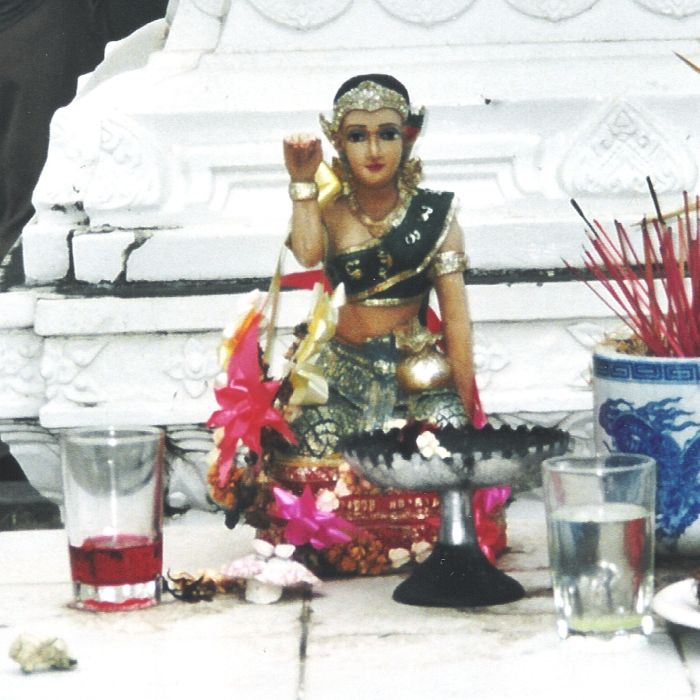 🇹🇭 ThailandNang Kwakนางกวัก
A Thai figure who beckons customers and money luck into shops and homesBeing · Luck and prosperity Living
 🇩🇪 Germany and 5 moreCompanions of Saint Nicholas
Dark figures who accompany the gift-bringer to discipline children across Central EuropeFigure · Cursing and harm · Luck and prosperity Living
🇮🇱 IsraelEisheth Zenunimאֵשֶׁת זְנוּנִים
A demonic epithet for Lilith in Kabbalah and Western esotericismFigure · Cursing and harm Historical
🇧🇷 BrazilRomãozinho
A cursed immortal boy from Brazilian folklore who never grows and causes mischief.Figure · Cursing and harm · Wonder and entertainment Legendary
🇵🇭 PhilippinesMarukos
A crossroads demon in Ilocano folklore that drowns wayward travelers.Figure · Cursing and harm Legendary
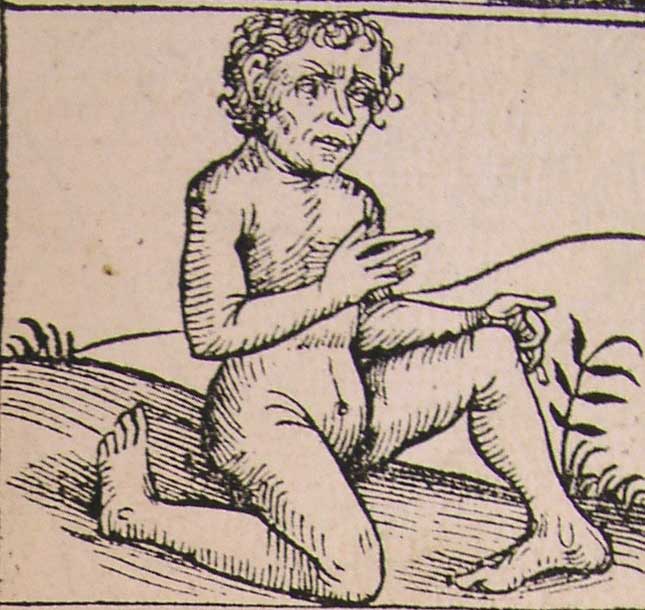 🇮🇳 IndiaAbarimon
A mythical tribe with reversed feet, said to inhabit the Himalayas and run at extreme speeds.Figure · Wonder and entertainment Legendary
 🇩🇪 Germany and 5 moreLutzelfrau
A German Alpine witch who brings fruit or punishes childrenFigure · Protection · Cursing and harm Living
 🇵🇱 Poland and 4 moreMoranaМорена
A Slavic goddess of winter and death, whose effigy is drowned to welcome springFigure · Cursing and harm · Power and authority Living
 🇮🇪 IrelandChildren of LirOidheadh chloinne Lir
An Irish myth about four siblings transformed into swans by a jealous stepmotherFigure · Wonder and entertainment Legendary
 🇨🇱 Chile and 1 moreImbuncheifünche
A deformed child-monster of Chilote folklore that guards a warlock's cave and serves as an instrument of curse.Figure · Cursing and harm · Power and authority Legendary
 🇮🇪 IrelandLughLú
A master craftsman and warrior of Irish myth who defeats a tyrant eyeFigure · Power and authority · Luck and prosperity Legendary
 🇬🇧 United Kingdom and 1 moreWitchwiċċe
The English word for a magic-worker, from Old English wiċċe to WiccaFigure · Cursing and harm · Seeing and foretelling Living
🇮🇪 IrelandFand
An otherworldly woman in Irish mythology who becomes the lover of the hero CúchulainnFigure · Love and attraction Legendary
 🇵🇹 Portugal and 5 moreWilgefortisVilgeforte
A bearded female martyr folk saint known for relieving women from unwanted marriages and tribulationsFigure · Protection · Cursing and harm Historical
🇦🇷 Argentina and 1 moreSan Baltasar
A folk saint of African origin, honoured in Argentina with drums and dance on 6 JanuaryFigure · Protection · Speaking with spirits and the dead Living
 🇮🇳 India and 1 moreIravanஅரவான்
A Hindu deity worshipped as a severed head for healing and protectionFigure · Healing · Protection Living
 🇮🇳 IndiaJakh Botera
Seventy-two horsemen deities honoured in Kutch, IndiaBeing · Protection · Healing Living
🇮🇪 IrelandAibellAoibheall
A Munster goddess turned fairy queen, said to foretell deathsFigure · Seeing and foretelling · Cursing and harm Legendary
 🇮🇳 IndiaKathivanoor Veeran
A deified warrior of North Malabar, Kerala, whose legend is danced as a Theyyam riteFigure · Love and attraction · Speaking with spirits and the dead Living
 🇮🇳 IndiaPulimaranja Thondachan
A theyyam deity of North Malabar, born from a shapeshifter who became a leopard.Figure · Protection · Power and authority Living
 🇵🇰 PakistanPir Pithoro
A Sufi saint revered by the Meghwar community in Sindh, Pakistan.Figure · Protection Living
🇰🇵 North KoreaUngnyeo웅녀
A bear who endures a test, becomes a woman, and mothers Korea's founderFigure · Change and initiation Legendary
 🇧🇬 Bulgaria and 1 moreIspolinисполин
A legendary giant from Bulgarian folklore, said to be the second generation of Earth's inhabitants.Figure Legendary
🇬🇷 GreecePhemonoeΦημονόη
A mythic Greek poet and priestess of Delphi linked to prophecy and verseFigure Legendary
 🇷🇺 RussiaGolden WomanЗолотая баба
A legendary idol of northeastern Europe and Siberia described in early European accounts.Figure · Cursing and harm · Seeing and foretelling Legendary
 🇬🇷 GreeceBranchusΒράγχος
A mortal lover of Apollo who became a prophet and founded an oracle cult in ancient Greece.Figure · Seeing and foretelling · Healing Legendary
 🇹🇭 Thailand and 2 moreSang Thongสังข์ทอง
A Southeast Asian folktale about a prince born in a shell who gains golden skin and magical powers.Figure · Luck and prosperity · Love and attraction Historical
 🇬🇧 United KingdomWarlock
A word for a male witch, rooted in an old term for oath-breaker and devil pactsFigure · Cursing and harm · Seeing and foretelling Historical
🇻🇳 VietnamThe Hundred-knot Bamboo TreeCây tre trăm đốt
A Vietnamese fable about a laborer who uses magic to claim his reward.Figure · Power and authority Historical
 🇮🇱 Israel and 1 moreBalakבָּלָק
A biblical king who sought a sorcerer's curse against the IsraelitesFigure · Cursing and harm Legendary
🇬🇧 United KingdomJoan the Wad
A Cornish pixie queen linked to fire and fortuneFigure · Luck and prosperity · Protection Legendary
 🇮🇹 ItalySatyress
A female mythological creature with a human upper body and goat lower half, invented by later artists.Figure · Wonder and entertainment Legendary
🇬🇹 Guatemala and 1 moreEl Sombrerón
A tall, hat-wearing figure from Guatemalan legend who courts young women and haunts neighborhoods at dusk.Figure · Love and attraction · Cursing and harm Legendary
 🇫🇷 France and 4 moreRobert the Devil
A medieval legend of a knight born to Satan who seeks redemptionFigure · Cursing and harm · Change and initiation Legendary
 🇾🇪 Yemen and 2 moreQueen of Shebaמַלְכַּת שְׁבָא (Hebrew), ملكة سبأ (Arabic), ንግሥተ ሳባ (Geʽez)
A legendary queen from ancient Arabia or Ethiopia who visited King Solomon.Figure Legendary
 🇵🇱 Poland and 1 morePan Twardowski
A Polish sorcerer who bargained with the Devil and ended up on the MoonFigure · Power and authority Legendary
 🇬🇧 United Kingdom and 1 moreBloody Bones
A bogeyman figure used to frighten children in English and North American folkloreFigure · Cursing and harm Historical
🇮🇳 India and 1 moreRani Bhatiyani
A Rajput princess said to have become a guardian goddess of Rajasthan and SindhBeing · Protection · Speaking with spirits and the dead Living
Photo credits on this page
The small pictures above come from Wikimedia Commons under free licences. Some are cropped to fit.
- Ouroboros: Djehouty, CC BY-SA 4.0, source
- Eglė the Queen of Serpents: Huw, CC BY 2.0, source
- Moll Dyer: Dougtone, CC BY-SA 2.0, source
- Amabie: Unknown author, Public domain, source
- Epic cycles of incarnations in Moirang: Bhudro Singh (AKA. Ningthoujam Bhadra), Public domain, source
- Witches of Anaga: User:Beneharo Hdez., CC BY 3.0, source
- Nang Kwak: Günter Trageser, Public domain, source
- Companions of Saint Nicholas: unknown, unreadable signature on bottom right hand side, Public domain, source
- Abarimon: Hartmann Schedel (1440-1514),, Public domain, source
- Lutzelfrau: Karel Rozum, Public domain, source
- Morana: Marta Malina Moraczewska, CC BY-SA 4.0, source
- Children of Lir: John Duncan, Public domain, source
- Imbunche: Lufke, CC BY-SA 3.0, source
- Lugh: Peter Clarke, CC BY-SA 3.0, source
- Witch: John William Waterhouse, Public domain, source
- Wilgefortis: Hieronymus Bosch, Public domain, source
- Iravan: Chainwit., CC BY-SA 4.0, source
- Jakh Botera: Nizil Shah and Bhavya Shah, CC BY-SA 4.0, source
- Kathivanoor Veeran: Uajith, CC BY-SA 4.0, source
- Pulimaranja Thondachan: Uajith, CC BY-SA 4.0, source
- Pir Pithoro: Missbaloch, CC BY-SA 4.0, source
- Ispolin: Joshua Davis, CC BY-SA 2.0, source
- Golden Woman: Sigismund von Herberstein, Public domain, source
- Branchus: Francesco Bini, CC BY-SA 4.0, source
- Sang Thong: Narisara Nuwattiwong, Public domain, source
- Warlock: John Faed RSA. 1855., Public domain, source
- Balak: Philip De Vere, CC BY-SA 3.0, source
- Satyress: art_traveller, CC BY-SA 2.0 uk, source
- Robert the Devil: Gustave Doré, Public domain, source
- Queen of Sheba: Jacopo Tintoretto, Public domain, source
- Pan Twardowski: Pit1233, Public domain, source
- Bloody Bones: ArtemisiaGentileschiFan, CC0, source