Aibell
In its own language: Aoibheall
possibly from Gaelic aoibh, 'beauty'; or from Proto-Celtic *Oibel-ā, 'burning fire'; the origin is uncertain
A Munster goddess turned fairy queen, said to foretell deaths
A figure from the legends of Munster in Ireland, remembered first as a goddess and later as a fairy queen among the Sidhe. She is said to have foretold deaths, to have owned a harp whose music shortened life, and to rule an otherworld entered through a grey hill above the Shannon.
- Said to rule a fairy kingdom entered through Craig Liath, a grey hill above the Shannon
- Her harp was held to shorten the life of anyone who heard it played
- In one tale her sister Clíodhna turns her into a white cat
- She is the judge in Brian Merriman's eighteenth-century poem Cúirt an Mheán Oíche
- Said to have warned Brian Boru of his death the night before Clontarf
What it is
Aibell belongs to the legends of Munster in Ireland. She is remembered first as a goddess of the pre-Christian period and later, once Gaelic Ireland had turned Christian, as a fairy queen among the Sidhe, the people of the Otherworld. Her kingdom is placed in Thomond, the north of the province, and the way into it is set at Craig Liath, a grey hill over the Shannon near Killaloe. The tales give her a lover, Dubhlainn Ua Artigan, and a harp of gold whose music was held to shorten a listener's life. She is a prophet too: a dream is said to have brought Brian Boru word of his death.
Where it comes from
Her roots lie before Christianity. Her cult is placed in Munster, and when Gaelic Ireland became Christian she was, in popular belief, demoted from goddess to queen of the fairies. The meaning of the name is unsettled. One suggestion takes it from aoibh, 'beauty', or aoibhinn, 'beautiful'. Another treats it as a theonym from Proto-Celtic *Oibel-ā, literally 'burning fire', perhaps standing for ardour; a Romano-British form of that name may have been *Oebla. Modern Irish writes her Aoibheall, while English texts have used Aeval and Eevill. A variant, Áebinn, also appears.
Tools and materials
Three things recur in her stories. The first is a harp of gold, which Meardha's son is said to have received while he was being taught by the Sidhe in Connacht; the tune was believed to bring an early death to those who heard it, and Cúchulainn is said to have known from its sound that his own end was close. The second is the Druid covering, a cloak of concealment she throws over Dubhlaing so that Murchadh hears his blows but cannot see him. The third is the grey rock itself, Craig Liath, the doorway into her realm.
Aibell, drawn and placed
- Living
- Revived
- Fading
- Historical
- Legendary
- Performed
- Lineage
- Irish mythology, the Sidhe or fairy tradition of Munster
- Timing
- the eve of a battle, or a dream at night
What it is for
She is met in stories rather than petitioned in rites. What she offers and withholds shapes each tale: a warning of death, an offer of two hundred years of happy life beside her, a harp that ends the lives of those who listen. Her best-known role for readers is judicial. In Brian Merriman's Cúirt an Mheán Oíche she presides over a court where a young woman sets out a complaint about marriage in Ireland, an old man answers her, and the queen gives judgement before the poet wakes from the dream.
Who does it
No one holds an office in her name in these accounts. She is carried by storytellers, poets and collectors. The Aisling, or vision poem, was a form in which a woman from the Otherworld appears to a poet; in Munster Irish poems of the eighteenth century she is one of the women who appear that way. Brian Merriman casts her as a judge. The Clontarf episode survives in a retelling by Lady Gregory, who wrote down Irish tales in English. A song by Seán Ó Seanacháin gives her a speaking part on the road.
Peoples and places
Her ground is Munster, and especially Thomond in the north of the province, with the Shannon and Killaloe at its centre. Three groupings are named as hers: the Clan Ó Bríen, the Dál gCais and the Delbhna, whose protecting figure she is said to be. She is also counted among the Sidhe, the fairy people of Irish story, and her sister in that world is Clíodhna. The vision poems that mention her were written in Munster Irish, and Merriman's court poem comes from the same province.
At a glance: who, where and when
Belief worlds
What people believe
The tales move in a world where gods can later be remembered as fairies. Aibell begins as a goddess of the pre-Christian order and is kept, after the coming of Christianity, as a queen of the Sidhe with a kingdom in the Otherworld. Entry to that kingdom is placed at a hill, so she can be met by a traveller on the road, by a warrior before battle, or by a dreamer asleep. Warnings come ahead of deaths: a dream to a king, a harp to a hero. When her advice is refused, her angry words simply state what will follow.
When it is done
She has no feast day or season of her own in these accounts. The tales fix her to particular moments instead. The night before the Battle of Clontarf is the one attached to Brian Boru, when she is said to have come to him in a dream and named his death and his successor. Another battle eve is the setting for her bargaining with Dubhlaing. Elsewhere she meets two men walking a road, and the vision poems put her before a poet who is out walking.
How scholars and sceptics see it
Two lines of reading appear. The historical one notes that a pre-Christian goddess was demoted to a fairy queen once Gaelic Ireland was Christianised, a pattern in which older deities survive in reduced form. The literary one concerns form. The Aisling, or vision poem, usually has a woman stand for Ireland and lament her condition, and calls her sons to resist foreign rule. In Merriman's hands that convention is turned to satire and deep irony, so the woman from the Otherworld becomes a presiding judge.
Compare and confuse
Her sister Clíodhna is a separate figure of Munster story; the tale in which Aibell becomes a white cat is hers. Both belong to the Sidhe, so they sit alongside other fairy women of Irish lore. English readers encounter her as Aeval or Eevill, and a variant of the name is Áebinn. The proposed Proto-Celtic name has a possible Romano-British counterpart in *Oebla.
Questions people ask about Aibell
Who is Aibell?
A figure in Irish legend from Munster, held to be a pre-Christian goddess who later became a fairy queen among the Sidhe. She is said to rule an otherworld entered through a grey hill by the Shannon and to foretell deaths, including that of Brian Boru.
Where does she come from?
Munster, in Ireland, and more narrowly Thomond in the north of the province, around the Shannon and Killaloe. Her stories are carried in Irish legend, in eighteenth-century Munster Irish vision poems, and in Brian Merriman's Cúirt an Mheán Oíche.
What is said about her harp?
The tales give her a harp of gold, said to have passed to Meardha's son while he was taught by the Sidhe in Connacht. Listeners were held not to live long after hearing it, and Cúchulainn is said to have known from its sound that his death was near.
Why does she appear in The Midnight Court?
In Brian Merriman's comic poem she is the judge of a fairy court. A young woman complains that Irish men will not marry, an old man answers her, and the queen rules that laymen must wed young, before the poet wakes from the nightmare.
What does the name mean?
The origin is uncertain. One explanation takes Aoibheall from aoibh, 'beauty'; another traces it to a Proto-Celtic word for 'burning fire', with a possible Romano-British counterpart. English spellings include Aeval and Eevill.
Good reading and sources
The facts on this page come from the Wikipedia article "Aibell", written by its contributors and used under the CC BY-SA 4.0 licence, and from its Wikidata record (CC0). EveryJaadu rewrote the text in its own words, with AI assistance, and compares every page with the article to make sure no passage is copied. It may be reused under the same CC BY-SA 4.0 licence with a link back.
It may contain mistakes. Names and customs differ from one community to the next, and some knowledge is closed to outsiders and left out here. This page describes belief and practice. It does not say that any of it works, it is not a how-to, and it is not medical advice. If something is wrong, tell us. Last refreshed 2026-10-21.
More from Ireland
All the entries from Ireland 🇫🇷 France and 2 moreKing ArthurBrenin Arthur
A legendary British king and folk hero of medieval literature and Welsh mythologyFigure · Power and authority · Wonder and entertainment Legendary
🇬🇧 United Kingdom and 1 moreFuath
A class of malevolent water spirits in Scottish and Irish folkloreBeing · Cursing and harm Legendary
 🇬🇧 United Kingdom and 2 moreExcalibur
The mythical sword of King Arthur, symbolizing rightful sovereignty and magical power.Figure · Power and authority Legendary
 🇧🇷 Brazil and 5 moreWhite Lady
A female ghost in white clothing linked to tragedy and omens across many culturesFigure · Cursing and harm · Seeing and foretelling Legendary
Related elsewhere
All figure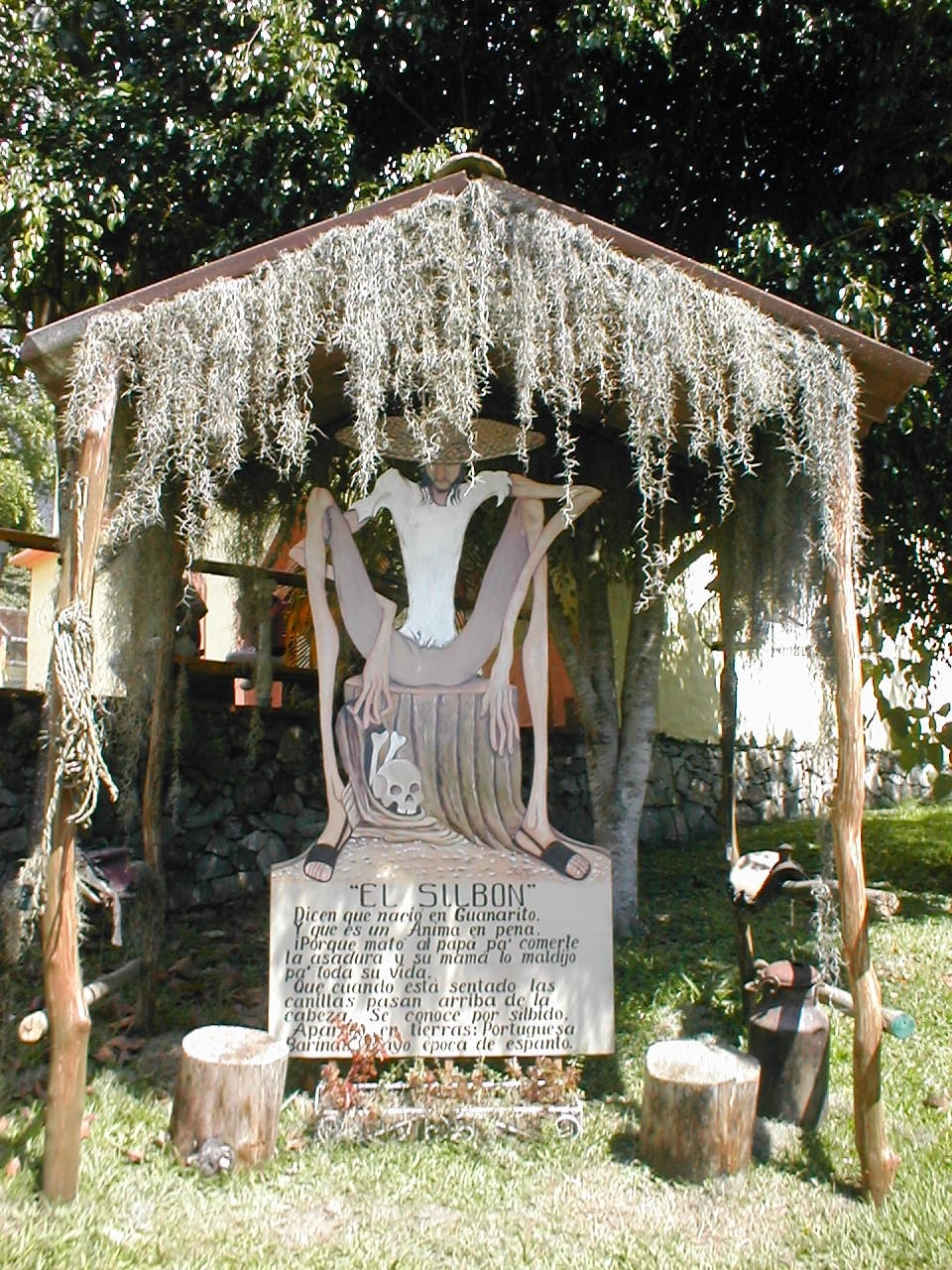 🇻🇪 Venezuela and 1 moreEl Silbón
A Venezuelan and Colombian legend of a cursed spirit who carries his father's bones.Figure · Cursing and harm · Seeing and foretelling Legendary
 🇨🇳 China and 1 moreScapulimancy
Divination using animal shoulder blades, practiced across Asia and the Americas.Oracle · Seeing and foretelling · Cursing and harm Living
 🇲🇽 Mexico and 5 moreLa Llorona
A vengeful ghost in Hispanic American folklore who mourns drowned children near water.Being · Cursing and harm · Seeing and foretelling Legendary
🇲🇾 Malaysia and 1 moreBomohبوموه
A Malay shaman and traditional healer who works with spirits, herbs, and geomancy.Tradition · Healing · Seeing and foretelling Living