
Robert the Devil
from the Latin Robertus Diabolus
A medieval legend of a knight born to Satan who seeks redemption
This is a story from thirteenth-century France about a Norman warrior whose mother made a pact with the devil. He grows up violent and cruel until he learns his true parentage and chooses a path of repentance.
- First recorded by a Dominican friar around 1250
- Mother makes a pact with the devil for a son
- Becomes a violent bandit chief before repenting
- Fights anonymously to save Christians from Saracens
- Meyerbeer opera popularized the story globally
What it is
Robert the Devil is a legendary figure from medieval Europe. The tale centers on a Norman knight who discovers his father is the devil. His mother had prayed for a child and received help from evil forces instead. This origin gives him violent instincts that drive him to commit terrible acts throughout his life. He eventually faces his nature and seeks forgiveness through severe penance. The character appears in many books and plays across different centuries.
Where it comes from
The earliest written version comes from a Dominican friar named Etienne de Bourbon around twelve fifty. It later appeared in French poetry and prose stories. Popular chapbooks printed in Lyon and Paris spread the name widely. The story moved into other languages and countries as printing became common. Many authors retold the plot with new details or different endings.
How it is done
The narrative follows a clear arc of sin and salvation. Robert commits murders and banditry while unaware of his lineage. A moment of shock at his own cruelty leads him to question his existence. He confesses to religious leaders and performs harsh physical punishments. He fights battles anonymously to protect Christian lands before retiring to live as a holy man.
Robert the Devil, drawn and placed
- Living
- Revived
- Fading
- Historical
- Legendary
- Performed
- Lineage
- medieval romance
What it is for
The legend explores themes of inherited evil and free will. It shows how a person can overcome their nature through conscious choice. The story serves as a moral lesson about repentance and divine mercy. It also reflects medieval fears about demonic influence on human behavior.
Who does it
Scholars analyze the text as a piece of folklore and literature. They trace its changes across different cultures and time periods. No living group practices rituals based on this specific character today.
Peoples and places
The tale originated in France and quickly reached Spain and England. In the Netherlands, it was banned by church officials. German writers adapted it much later than other regions. Each culture added local flavor to the core plot of demonic birth and redemption.
At a glance: who, where and when

What people believe
The story assumes a world where demons can interact with humans. It treats sin as an inherited condition that must be actively fought. Redemption requires extreme sacrifice and humility before God.
How scholars and sceptics see it
Researchers compare the legend to folktale types involving wild men and hidden identities. Some try to link the character to historical Normans like Robert I. Others see it purely as fiction inspired by religious anxieties. The tale shares structure with stories about heroes who save kingdoms incognito.
Compare and confuse
The plot resembles tales of Don Juan or Mordred in its dark heroism. It differs from pure horror by offering a happy ending through piety.
Today
The character remains famous mainly through Giacomo Meyerbeer's opera. Modern readers encounter him in academic studies of medieval romance and children's literature references.
Questions people ask about Robert the Devil
Who is Robert the Devil?
He is a legendary Norman knight born to a duchess who sought the devil's help for a child. He grows up violent but eventually repents and becomes a saintly figure.
Where does the story come from?
It originated in France during the thirteenth century. Early versions were written in Latin and French verse before spreading to other European countries.
What happens in the main plot?
Robert commits crimes due to his demonic nature. After learning his secret, he undergoes harsh penance, fights for Christianity, and dies a holy man.
Is there a real person behind the legend?
Some scholars suggest it might be based on Norman nobles like Robert I. However, most view it as a fictional tale rather than historical fact.
Good reading and sources
- Robert the Devil on WikipediaEncyclopedia
- More photos on Wikimedia CommonsPhotos and video
- Wikidata recordOpen data
The facts on this page come from the Wikipedia article "Robert the Devil", written by its contributors and used under the CC BY-SA 4.0 licence, and from its Wikidata record (CC0). EveryJaadu rewrote the text in its own words, with AI assistance, and compares every page with the article to make sure no passage is copied. It may be reused under the same CC BY-SA 4.0 licence with a link back.
It may contain mistakes. Names and customs differ from one community to the next, and some knowledge is closed to outsiders and left out here. This page describes belief and practice. It does not say that any of it works, it is not a how-to, and it is not medical advice. If something is wrong, tell us. Last refreshed 2026-10-06.
More from France
All the entries from France 🇬🇧 United Kingdom and 2 moreKing ArthurBrenin Arthur
A legendary British king and folk hero of medieval literature and Welsh mythologyFigure · Power and authority · Wonder and entertainment Legendary
🇬🇧 United Kingdom and 2 moreKing ArthurBrenin Arthur
A legendary British king and folk hero of medieval literature and Welsh mythologyFigure · Power and authority · Wonder and entertainment Legendary
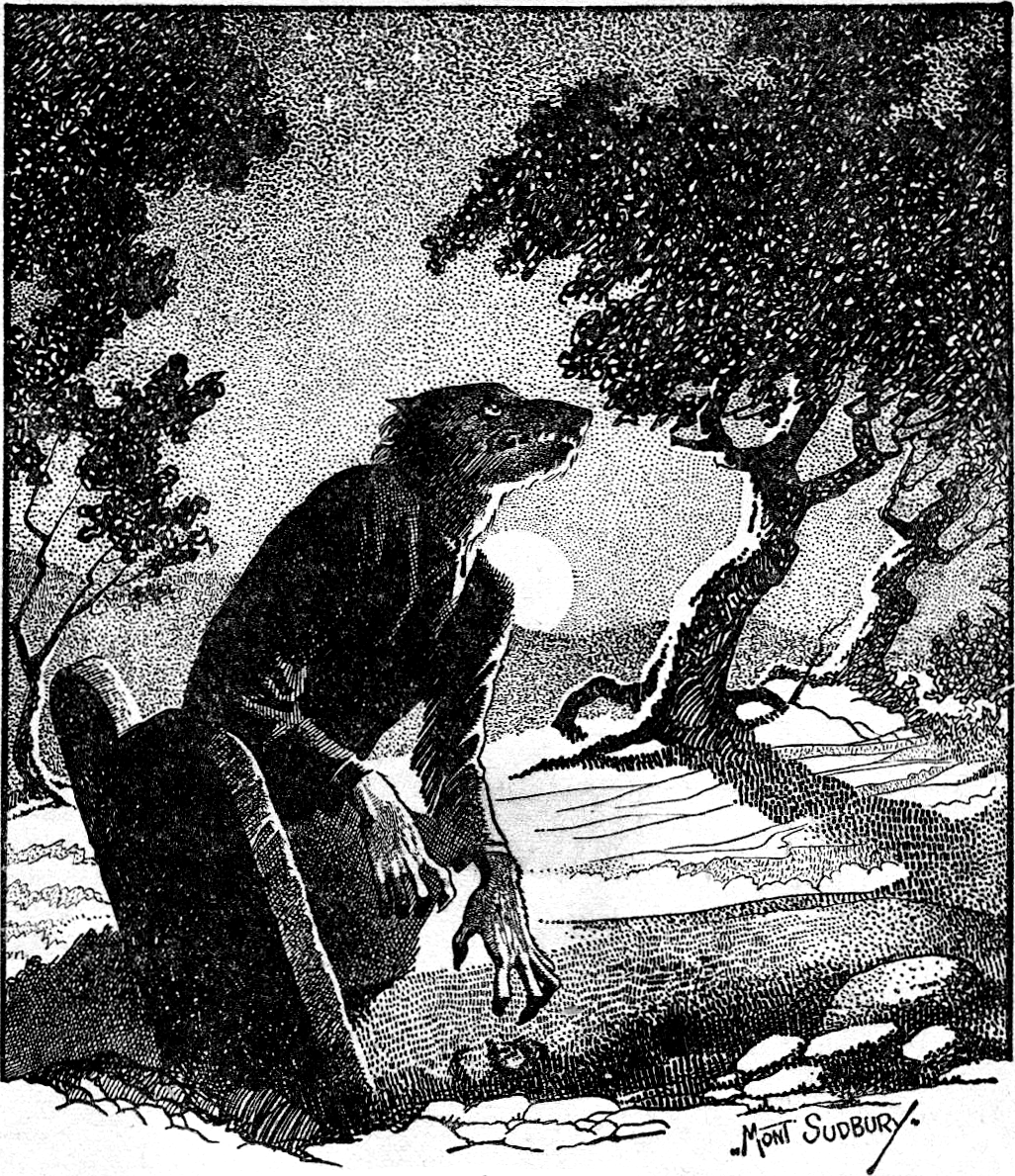 🇫🇷 France and 5 moreWerewolf
A mythical shapeshifter that turns into a wolf, central to European witch-hunts and Gothic horror.Being · Cursing and harm · Wonder and entertainment Legendary
🇫🇷 France and 5 moreWerewolf
A mythical shapeshifter that turns into a wolf, central to European witch-hunts and Gothic horror.Being · Cursing and harm · Wonder and entertainment Legendary
 🇫🇷 FranceHoly GrailSaint Graal
A cup or stone from Arthurian tales that grants healing and eternal lifeFigure · Healing · Luck and prosperity Legendary
🇬🇧 United Kingdom and 1 moreSamuel Liddell MacGregor Mathers
British occultist and co-founder of the Hermetic Order of the Golden DawnFigure Historical
🇫🇷 FranceHoly GrailSaint Graal
A cup or stone from Arthurian tales that grants healing and eternal lifeFigure · Healing · Luck and prosperity Legendary
🇬🇧 United Kingdom and 1 moreSamuel Liddell MacGregor Mathers
British occultist and co-founder of the Hermetic Order of the Golden DawnFigure Historical
Related elsewhere
All figure 🇮🇳 IndiaChödགཅོད
A Tibetan Buddhist ritual that uses fear and self-offering to sever attachment to the selfTradition · Cursing and harm · Change and initiation Living
🇮🇳 IndiaChödགཅོད
A Tibetan Buddhist ritual that uses fear and self-offering to sever attachment to the selfTradition · Cursing and harm · Change and initiation Living
 🇮🇳 India and 4 moreTantraतन्त्र
An esoteric yogic tradition from India focusing on ritual, mantra, and body-based spiritual practices.Tradition · Power and authority · Change and initiation Living
🇮🇳 India and 4 moreTantraतन्त्र
An esoteric yogic tradition from India focusing on ritual, mantra, and body-based spiritual practices.Tradition · Power and authority · Change and initiation Living
 🇮🇳 IndiaKaliकाली
A fierce Hindu goddess of time and destruction, worshipped as a protective mother.Being · Protection · Cursing and harm Living
🇦🇷 Argentina and 1 moreSpiritual mapping
A Christian practice of mapping locations to identify and pray against territorial demonsBelief · Protection · Cursing and harm Living
🇮🇳 IndiaKaliकाली
A fierce Hindu goddess of time and destruction, worshipped as a protective mother.Being · Protection · Cursing and harm Living
🇦🇷 Argentina and 1 moreSpiritual mapping
A Christian practice of mapping locations to identify and pray against territorial demonsBelief · Protection · Cursing and harm Living