Eisheth Zenunim
In its own language: אֵשֶׁת זְנוּנִים
from Hebrew, lit. 'Woman of Whoredom'
A demonic epithet for Lilith in Kabbalah and Western esotericism
Eisheth Zenunim is a title from the Zohar identifying Lilith as the Woman of Whoredom. The phrase originates from Hosea 1:2. In later Western esotericism, it became a separate entity.
- Epithet for Lilith in the Zohar
- Derived from Hosea 1:2
- Wife of Samael in Kabbalah
- Treated as a separate demon in Western esotericism
- Associated with condemnation and sin
What it is
Eisheth Zenunim is an epithet used in Jewish mysticism to describe Lilith. It translates directly to 'Woman of Whoredom' or 'Woman of Harlotry'. The term appears in the Zohar, a foundational text of Kabbalah. Later Western esoteric writers treated the name as a distinct demonic figure rather than just a title for Lilith.
Where it comes from
The phrase derives from Hosea 1:2 in the Hebrew Bible. Kabbalists applied this biblical language to Lilith to describe her role as a feminine personification of sin. Some sources also link the concept to Proverbs 5:5 regarding death.
Eisheth Zenunim, drawn and placed
- Living
- Revived
- Fading
- Historical
- Legendary
- Performed
- Lineage
- Kabbalah
What it is for
The figure is associated with condemning humanity and digging up guilt. She is said to lure people into sin and prejudice them against their divine master. Her actions are intended to lead individuals away from holiness.
At a glance: who, where and when
Who does it
Belief worlds
What people believe
In the Zohar, she is the wife of Samael, a destructive force. She follows Shekhinah, the holy presence, trying unsuccessfully to imitate her. She is sometimes described as a sister to Shekhinah, fleeing from sacred spaces where holiness is present.
How scholars and sceptics see it
Western esoteric authors like Mathers and Crowley included her in grimoires. Gustav Davidson identified her as an angel of prostitution in his dictionary. These modern interpretations often diverge from traditional Kabbalistic texts.
Compare and confuse
She is linked to other demons like Na'amah and Agrat bat Mahlat. Western occultism sometimes separates her from Lilith entirely, treating her as a princess of the Qliphoth.
Questions people ask about Eisheth Zenunim
What does Eisheth Zenunim mean?
It is a Hebrew phrase meaning 'Woman of Whoredom' or 'Woman of Harlotry'. It serves as a title for the demon Lilith in Kabbalistic literature.
Where does the name come from?
The phrase originates from Hosea 1:2 in the Hebrew Bible. Kabbalists later applied this specific wording to describe Lilith's nature.
Is she the same as Lilith?
In the Zohar, the terms are used interchangeably. However, some Western esoteric writers treat Eisheth Zenunim as a distinct entity separate from Lilith.
Good reading and sources
The facts on this page come from the Wikipedia article "Eisheth Zenunim", written by its contributors and used under the CC BY-SA 4.0 licence, and from its Wikidata record (CC0). EveryJaadu rewrote the text in its own words, with AI assistance, and compares every page with the article to make sure no passage is copied. It may be reused under the same CC BY-SA 4.0 licence with a link back.
It may contain mistakes. Names and customs differ from one community to the next, and some knowledge is closed to outsiders and left out here. This page describes belief and practice. It does not say that any of it works, it is not a how-to, and it is not medical advice. If something is wrong, tell us. Last refreshed 2026-10-06.
More from Israel
All the entries from Israel 🇮🇱 Israel and 1 moreShimon bar Yochaiשמעון בר יוחאי
A second-century sage of the Land of Israel and a central figure in Kabbalistic tradition.Figure · Power and authority Historical
🇮🇱 Israel and 1 moreShimon bar Yochaiשמעון בר יוחאי
A second-century sage of the Land of Israel and a central figure in Kabbalistic tradition.Figure · Power and authority Historical
 🇮🇱 Israel and 1 moreAzazelעזאזל
A desert place and fallen angel linked to the Yom Kippur scapegoat ritualFigure · Cursing and harm · Cleansing and purification Historical
🇮🇱 Israel and 1 moreAzazelעזאזל
A desert place and fallen angel linked to the Yom Kippur scapegoat ritualFigure · Cursing and harm · Cleansing and purification Historical
 🇪🇬 Egypt and 1 moreJannes and Jambresיניס וימבריס
Named Egyptian magicians who opposed Moses in biblical traditionFigure · Cursing and harm Historical
🇪🇬 Egypt and 1 moreJannes and Jambresיניס וימבריס
Named Egyptian magicians who opposed Moses in biblical traditionFigure · Cursing and harm Historical
 🇮🇱 IsraelWitch of Endorאֵ֥שֶׁת בַּֽעֲלַת־אֹ֖וב בְּעֵ֥ין דֹּֽור
A biblical spirit-diviner summoned by King Saul to consult the prophet Samuel.Figure · Speaking with spirits and the dead Legendary
🇮🇱 IsraelWitch of Endorאֵ֥שֶׁת בַּֽעֲלַת־אֹ֖וב בְּעֵ֥ין דֹּֽור
A biblical spirit-diviner summoned by King Saul to consult the prophet Samuel.Figure · Speaking with spirits and the dead Legendary
Related elsewhere
All figure 🇷🇸 Serbia and 5 moreVampire
An undead creature from folklore that feeds on the blood or life force of the livingBeing · Cursing and harm · Luck and prosperity Legendary
🇷🇸 Serbia and 5 moreVampire
An undead creature from folklore that feeds on the blood or life force of the livingBeing · Cursing and harm · Luck and prosperity Legendary
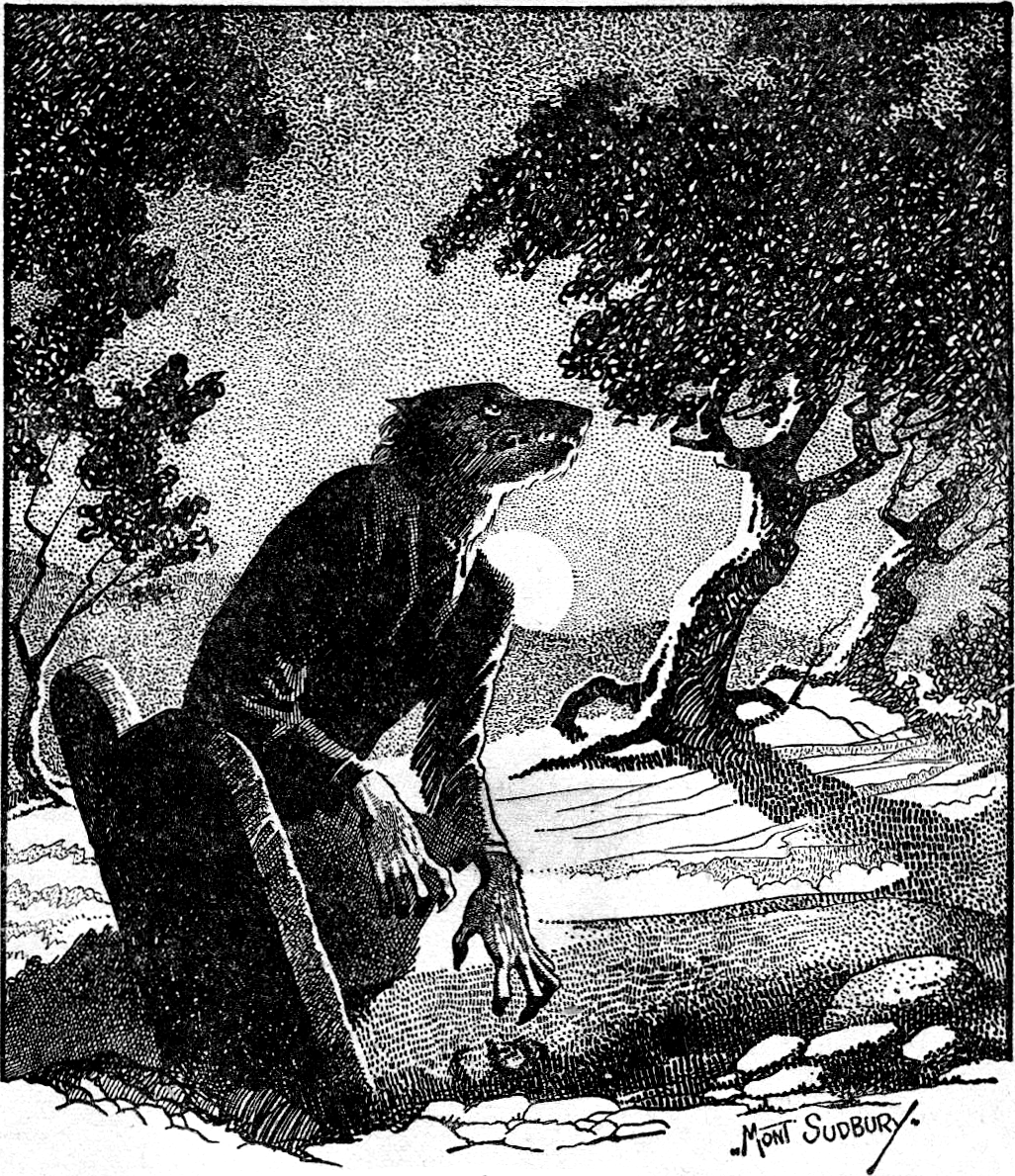 🇫🇷 France and 5 moreWerewolf
A mythical shapeshifter that turns into a wolf, central to European witch-hunts and Gothic horror.Being · Cursing and harm · Wonder and entertainment Legendary
🇫🇷 France and 5 moreWerewolf
A mythical shapeshifter that turns into a wolf, central to European witch-hunts and Gothic horror.Being · Cursing and harm · Wonder and entertainment Legendary
 🇪🇬 Egypt and 1 moreLilithלִילִית
A feminine figure from Mesopotamian and Jewish mythology, often depicted as a night demon or spirit.Being · Cursing and harm Legendary
🇪🇬 Egypt and 1 moreLilithלִילִית
A feminine figure from Mesopotamian and Jewish mythology, often depicted as a night demon or spirit.Being · Cursing and harm Legendary
 🇪🇬 EgyptCurse
A spoken wish for misfortune to befall a person or placeBelief · Cursing and harm · Luck and prosperity Historical
🇪🇬 EgyptCurse
A spoken wish for misfortune to befall a person or placeBelief · Cursing and harm · Luck and prosperity Historical