Charms, amulets and talismans
Made and worn things: the nazar, the hamsa, the omamori, the mojo bag and the witch bottle.
Charms, amulets and talismans are things made or chosen to carry a purpose. The blue glass nazar in Turkey, the hamsa hand across North Africa and the Middle East, the Japanese omamori, the Haitian pwen, the Italian cornicello and the Hoodoo mojo bag all belong here. They are small, portable and personal, and found on every continent. This page looks at what they are said to do and how they are made, sold and understood.
Amulet or talisman
The two words are often used loosely. An amulet is usually said to protect by what it is, such as a blue bead against the evil eye. A talisman is made or empowered for a purpose, often with writing, a name or a date. Islamic, Jewish, Taoist and Hindu traditions all have written talismans: the Taoist fu, the Jewish kame'a, the Hindu yantra and the Muslim hirz. The common thread is that something small and personal is believed to hold a purpose on behalf of its owner.
Making and keeping
Many charms are made by specialists, then blessed or sold at a temple, shrine or market. Others are made at home, such as a red thread, a knotted cord, or a horseshoe nailed over a door. Practitioners usually say a charm should be kept clean, respected and not shown off. In Japan an omamori is returned to its shrine after a year. Charm makers are often women, jewellers, scribes or temple staff, and the person who makes a charm may not be the person who blesses it.
Faith and suspicion
Religious authorities disagree on charms. Some Islamic scholars allow Quranic verses carried as a reminder and reject objects held to work by themselves. Many Christian churches have blessed medals and scapulars while condemning amulets of folk origin. Sikh teaching rejects charms altogether. Anthropologists read them as ways to hold fear and uncertainty in a form a person can carry. Interpretation is divided within religions too, so one family may treat a bead as decoration while a neighbour treats it as a serious shield.
Market and appropriation
Charms are big business. Evil-eye beads sell as fashion on every high street, and the hamsa appears as a decoration far from its homes. Fakes are common, and some sellers promise outcomes in ways that amount to fraud, particularly in expensive gemstone or lottery charm schemes. Sacred designs used as a logo can offend the community they come from. Designers have taken eyes, hands and runes as motifs, and while many communities are glad to see them shared, others ask that sacred symbols not be turned into trivia or used by brands.
Charm on EveryJaadu
The entries written up so far, best known first.
 🇫🇷 FranceCurse of Vibia
A damaged Oscan lead tablet invoking underworld forces against a named man and his kinCharm · Cursing and harm Historical
🇮🇱 IsraelSegulaסגולה
A Jewish charm or ritual believed to bring protection, healing, or blessings.Charm · Protection · Healing Living
 🇨🇳 China and 3 moreMarriage coin charm夫婦和合花錢
Coin-shaped amulets from East Asia that celebrate marriage, fertility, and conjugal harmonyCharm · Protection · Luck and prosperity Historical
 🇨🇳 China and 1 moreConfucian coin charms
Amulets bearing Confucian moral teachings and historical storiesCharm · Protection · Luck and prosperity Historical
🇬🇧 United KingdomFumsup
A small figurine charm believed to bring good luck, popular in the late 19th and early 20th centuries.Charm · Luck and prosperity Historical
 🇬🇦 Gabon and 2 moreMbulu Ngulu
Wood and metal figures guarding ancestor relics in GabonCharm · Protection · Speaking with spirits and the dead Historical
 🇮🇱 IsraelAsherah pole
A wooden cult object linked to the goddess Asherah in ancient Canaan and IsraelCharm · Speaking with spirits and the dead Historical
 🇪🇸 SpainIndalo
A Bronze Age pictograph used as a protective house charm and lucky symbol in Almería, SpainCharm · Protection · Luck and prosperity Living
 🇳🇿 New Zealand and 1 moreManaia
A composite guardian spirit in Māori art and beliefBeing · Protection · Speaking with spirits and the dead Living
 🇮🇳 IndiaDrishti bommai
A fearsome doll hung at homes and vehicles to ward off the evil eye in South India.Charm · Protection Living
 🇵🇱 PolandLucky JewŻyd z pieniążkiem
A Polish figurine of a Jewish man with a coin, used as a talisman for financial fortune.Charm · Luck and prosperity Living
 🇬🇧 United KingdomSaltfleetby spindle-whorl
A lead spinning weight inscribed with runes calling on Norse gods for helpCharm · Protection Historical
 🇮🇩 Indonesia and 1 moreSandung
A house-shaped ossuary for the bones of the deceased among Dayak peoples in Borneo.Charm · Speaking with spirits and the dead · Power and authority Living
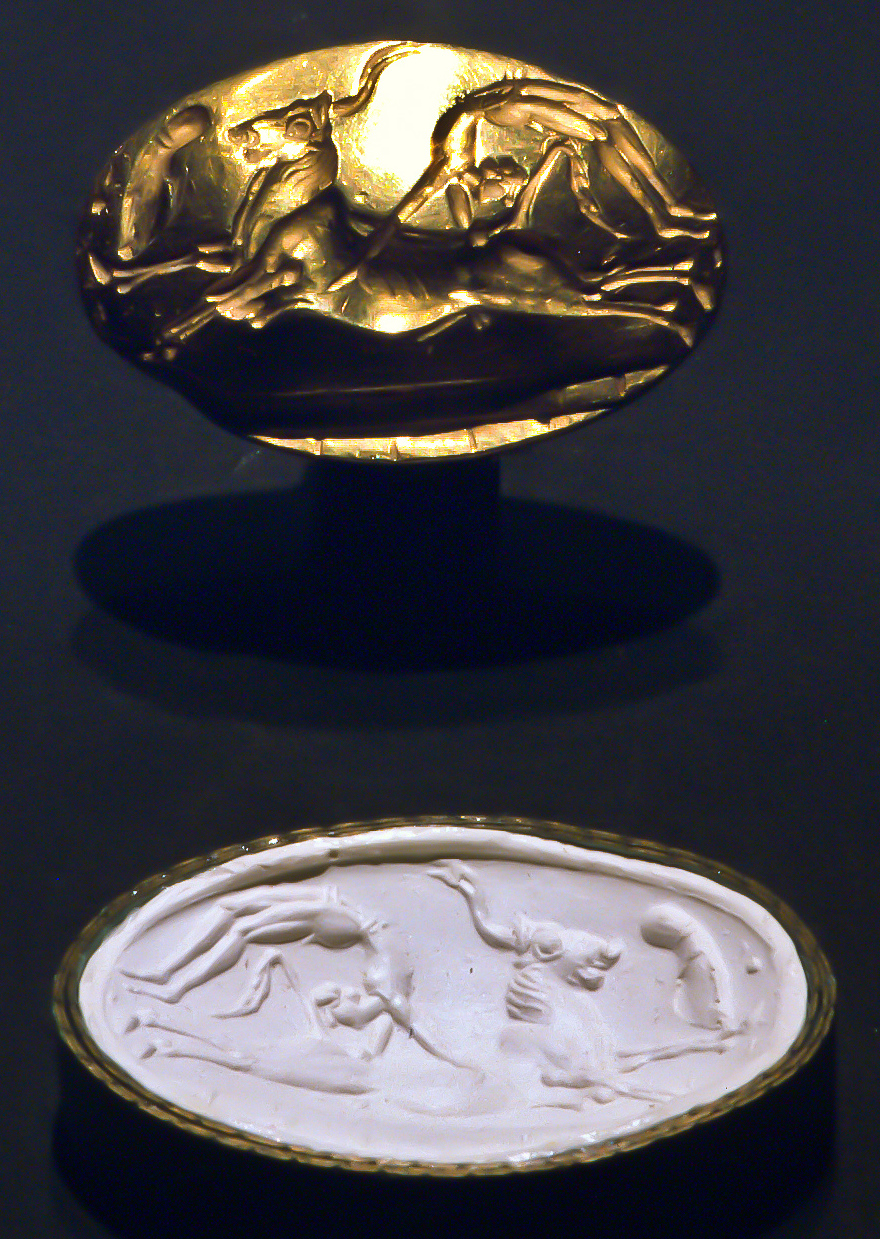 🇬🇷 GreeceMinoan sealstones
Carved gemstones and amulets from Bronze Age Crete used for identification and ritualCharm · Protection · Power and authority Historical
 🇯🇵 JapanAkabeko赤べこ
A bobbing papier-mâché toy from Japan believed to ward off illnessCharm · Protection · Healing Living
 🇹🇷 Turkey and 5 moreRelics of Muhammad
Objects linked to Muhammad, kept and venerated for blessingCharm · Luck and prosperity · Power and authority Living
 🇬🇷 GreeceAmulet MS 5236
A stamped gold amulet from ancient Greece invoking ApolloCharm · Protection · Cursing and harm Historical
🇮🇳 India and 2 moreBlack Orlov
A black diamond linked to a legend of theft and tragic deathsCharm · Cursing and harm Historical
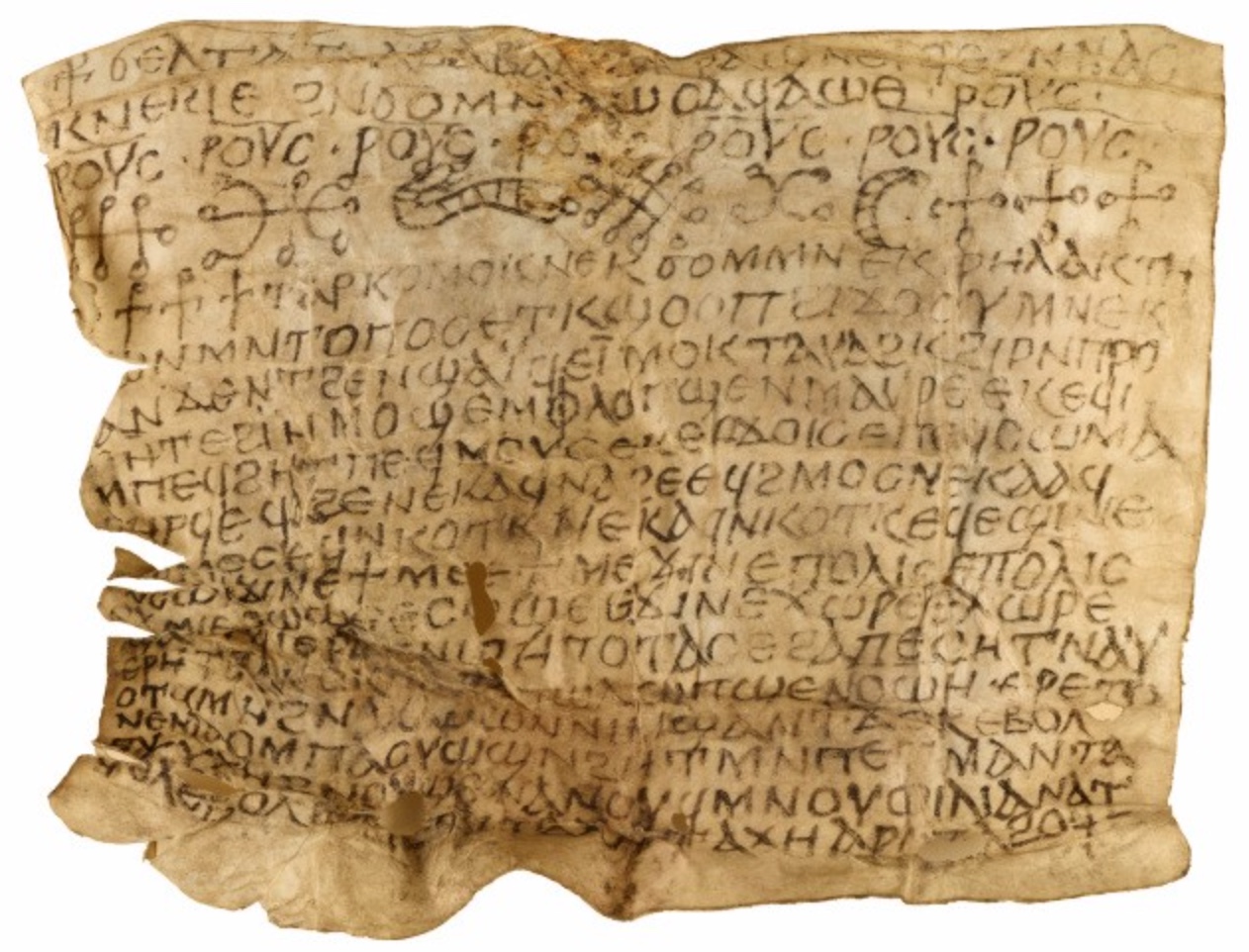 🇪🇬 EgyptAshmolean Parchment AN 1981.940
A folded Coptic love charm from Egypt, written by one man to win anotherText · Love and attraction Historical
 🇹🇼 Taiwan and 1 moreAuspicious train ticket吉祥語車票
Train tickets with station names that form lucky phrases through wordplay.Charm · Luck and prosperity Living
 🇮🇹 ItalyLunula
A crescent-shaped amulet worn by girls in ancient Rome for protection.Charm · Protection Historical
🇮🇹 Italy and 3 moreSaint Valentine's Key
A metal key charm from Padua used for healing epilepsy and as a romantic tokenCharm · Healing · Love and attraction Living
 🇺🇸 United StatesHaint blue
A pale blue-green paint kept on porches to turn ghosts and boo hags awayCharm · Protection Living
 🇹🇼 Taiwan and 1 moreTiangong censer天公爐
An incense burner for the Jade Emperor in Chinese folk religionCharm · Speaking with spirits and the dead Living
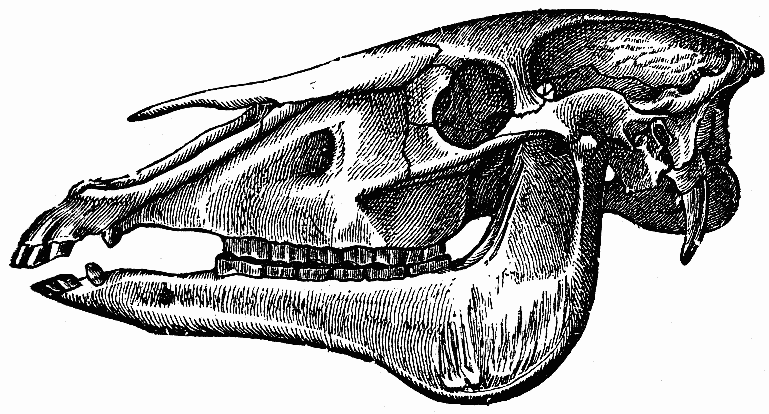 🇮🇪 Ireland and 2 moreHorse skulls
Concealed horse skulls found in buildings across Europe and North AmericaCharm · Protection · Wonder and entertainment Historical
 🇳🇴 NorwayBergen rune charm
A four-sided wooden stick with runic verses for love and protection from medieval Norway.Charm · Love and attraction · Protection Historical
 🇬🇷 GreeceLabrysλάβρυς
A double-headed axe from ancient Crete, now a symbol of lesbian feminism and neo-paganismCharm · Power and authority · Protection Living
 🇲🇽 Mexico and 1 moreGod's eyeOjo de Dios
A woven yarn cross believed to grant spiritual sight and protectionCharm · Protection · Speaking with spirits and the dead Living
🇯🇵 JapanAzusa Yumi梓弓
A sacred bow made from cherry birch wood, used in Shinto rituals to ward off spirits.Charm · Protection · Wonder and entertainment Living
 🇮🇱 IsraelMatzevahמַצֵּבָה
A standing stone used as a sacred marker or grave monument in ancient and Jewish traditionCharm · Speaking with spirits and the dead · Protection Living
 🇮🇳 India and 5 moreNavaratnaनवरत्न
A nine-gem talisman set in gold or silver, linked to Hindu astrology and planetary worshipCharm · Protection · Healing Living
 🇮🇶 IraqBurney Relief
A Mesopotamian terracotta plaque depicting a winged goddess with owl companions and lion mounts.Charm · Power and authority · Speaking with spirits and the dead Historical
 🇯🇵 JapanKomainu狛犬
Stone lion-dog pairs that guard Japanese shrines and ward off evil spirits.Charm · Protection Living
 🇮🇹 ItalyFascinusfascinum
A Roman phallus image and charm, kept to turn away envyBeing · Protection · Luck and prosperity Historical
 🇸🇪 SwedenSigtuna rib
A runic bone amulet from medieval Sweden bearing a spell against diseaseCharm · Healing Historical
 🇮🇩 IndonesiaBhoma
A Balinese earth god whose carved face on temple gates is believed to repel spiritsBeing · Protection · Love and attraction Living
 🇨🇳 China and 1 moreCash coins in feng shui古銅錢的風水
Old Chinese square-holed coins, hung or carried to draw luck and bar harmCharm · Luck and prosperity · Protection Living
 🇨🇳 ChinaDragon turtle龍龜 (Lóngguī)
A Chinese mythic creature with a dragon body and turtle shell, used as a Feng Shui charm.Figure · Luck and prosperity · Power and authority Living
 🇳🇿 New Zealand and 4 moreFeather cloak
A garment of feathers worn by royalty and gods across cultures to signal rank or enable flightCharm · Power and authority · Wonder and entertainment Historical
 🇸🇪 SwedenSigtuna amulet I
An 11th-century copper runic charm from Sweden used to drive away illnessCharm · Healing · Protection Historical
 🇯🇵 JapanFūrin風鈴
A Japanese summer wind chime, once hung at temples to turn away evil spiritsCharm · Protection · Seeing and foretelling Living
🇻🇪 VenezuelaDjucu
A warm sea nut used as a lucky charm in the CaribbeanCharm · Luck and prosperity Living
 🇮🇱 Israel and 4 moreChaiחי
A Hebrew word and symbol meaning 'alive', used as an amulet and in Jewish culture.Charm · Protection · Luck and prosperity Living
 🇯🇵 JapanOmamori御守/お守り
Japanese amulets from shrines and temples for luck and protectionCharm · Protection · Luck and prosperity Living
 🇦🇱 Albania and 3 moreCross necklace
A pendant bearing the Christian cross worn as a sign of faith or protection.Charm · Protection · Power and authority Living
 🇪🇸 Spain and 2 moreHoly ChaliceSanto Cáliz
A cup believed to have held the blood of Jesus at the Last SupperCharm · Speaking with spirits and the dead · Power and authority Living
 🇮🇩 IndonesiaTaiganja
A bronze amulet of Central Sulawesi shaped like a keyhole, worn for status and protectionCharm · Protection · Luck and prosperity Living
 🇲🇹 Malta and 2 moreDevotional medal
Small metal pieces made and worn for Christian devotionCharm · Protection Living
Photo credits on this page
The small pictures above come from Wikimedia Commons under free licences. Some are cropped to fit.
- Auspicious train ticket: SSR2000, CC BY-SA 3.0, source
- Chai: BASWIM, CC BY 3.0, source
- Curse of Vibia: Franz Bücheler, Public domain, source
- Manaia: Sarang, Public domain, source
- Lucky Jew: Silar, CC BY-SA 3.0, source
- Minoan sealstones: Andree Stephan, CC BY 3.0, source
- Akabeko: Wdqh, CC BY-SA 4.0, source
- Relics of Muhammad: Georges Jansoone ( JoJan, CC BY 3.0, source
- Apollo: Wolfgang Sauber, CC BY-SA 3.0, source
- Horse skulls: Dr. Karl Rothe, Ferdinand Frank, Josef Steigl, Public domain, source
- Bergen rune charm: Bengt A. Lundberg, CC BY 2.5, source
- Asherah pole: Oren Rozen, CC BY-SA 4.0, source
- Omamori: Leongboy1, Public domain, source
- Burney Relief: Unknown author, CC0, source
- Komainu: Unknown author, Public domain, source
- Fascinus: Vassil, Public domain, source
- Bhoma: Siti Noviali, CC BY-SA 4.0, source
- Cash coins in feng shui: No machine-readable author provided. Galopin~commonswiki assumed (base, CC BY-SA 3.0, source
- Dragon turtle: Jonathan O'Donnell, CC BY 2.0, source
- Feather cloak: Lusanaherandraton, CC BY-SA 4.0, source
- Holy Chalice: Vitold Muratov, CC BY-SA 3.0, source
- Marriage coin charm: Scott Semans, CC BY 3.0, source
- Mbulu Ngulu: Sailko, CC BY 3.0, source
- Confucian coin charms: Jean-Michel Moullec, CC BY 2.0, source
- Indalo: Ismael Olea, Public domain, source
- Drishti bommai: Chrissy starsi, CC BY-SA 4.0, source
- Amulet MS 5236: Martin Schøyen, CC BY-SA 3.0, source
- Ashmolean Parchment AN 1981.940: Apapolo, Public domain, source
- Haint blue: Lake Lou, CC BY 2.0, source
- Tiangong censer: WiDE, CC BY-SA 3.0, source
- Matzevah: Gilslovik, CC BY-SA 4.0, source
- Navaratna: Pradeep717, CC BY-SA 4.0, source
- Sigtuna rib: Swedish National Heritage Board, CC BY 4.0, source
- Cross necklace: paterm, CC BY-SA 4.0, source
- Taiganja: sailko, CC BY-SA 3.0, source
- Devotional medal: Xhienne, CC BY-SA 3.0, source
- God's eye: Douglas P. Perkins, CC BY-SA 3.0, source
- Saltfleetby spindle-whorl: Lincolnshire County Council, Adam Daubney, 2011-04-27 11:43:56, CC BY-SA 2.0, source
- Sandung: Wibowo Djatmiko ( Wie146 ), CC BY-SA 3.0, source
- Lunula: Anonymous ( Category:Roman Empire ) Unknown author, Public domain, source
- Fūrin: 100yen 04:47, 28 October 2006 (UTC), CC BY-SA 3.0, source
- Sigtuna amulet I: Bengt A. Lundberg, CC BY 2.5, source