Charms, amulets and talismans
Made and worn things: the nazar, the hamsa, the omamori, the mojo bag and the witch bottle.
Charms, amulets and talismans are things made or chosen to carry a purpose. The blue glass nazar in Turkey, the hamsa hand across North Africa and the Middle East, the Japanese omamori, the Haitian pwen, the Italian cornicello and the Hoodoo mojo bag all belong here. They are small, portable and personal, and found on every continent. This page looks at what they are said to do and how they are made, sold and understood.
Amulet or talisman
The two words are often used loosely. An amulet is usually said to protect by what it is, such as a blue bead against the evil eye. A talisman is made or empowered for a purpose, often with writing, a name or a date. Islamic, Jewish, Taoist and Hindu traditions all have written talismans: the Taoist fu, the Jewish kame'a, the Hindu yantra and the Muslim hirz. The common thread is that something small and personal is believed to hold a purpose on behalf of its owner.
Making and keeping
Many charms are made by specialists, then blessed or sold at a temple, shrine or market. Others are made at home, such as a red thread, a knotted cord, or a horseshoe nailed over a door. Practitioners usually say a charm should be kept clean, respected and not shown off. In Japan an omamori is returned to its shrine after a year. Charm makers are often women, jewellers, scribes or temple staff, and the person who makes a charm may not be the person who blesses it.
Faith and suspicion
Religious authorities disagree on charms. Some Islamic scholars allow Quranic verses carried as a reminder and reject objects held to work by themselves. Many Christian churches have blessed medals and scapulars while condemning amulets of folk origin. Sikh teaching rejects charms altogether. Anthropologists read them as ways to hold fear and uncertainty in a form a person can carry. Interpretation is divided within religions too, so one family may treat a bead as decoration while a neighbour treats it as a serious shield.
Market and appropriation
Charms are big business. Evil-eye beads sell as fashion on every high street, and the hamsa appears as a decoration far from its homes. Fakes are common, and some sellers promise outcomes in ways that amount to fraud, particularly in expensive gemstone or lottery charm schemes. Sacred designs used as a logo can offend the community they come from. Designers have taken eyes, hands and runes as motifs, and while many communities are glad to see them shared, others ask that sacred symbols not be turned into trivia or used by brands.
Charm on EveryJaadu
The entries written up so far, best known first.
 🇨🇳 China and 5 moreHorseshoe
A curved plate fixed to a horse's hoof for protection, also kept as a charm for fortune.Charm · Protection · Luck and prosperity Living
 🇮🇪 Ireland and 1 moreBrigid's crossCros Bhríde
A woven straw charm hung for protection, named after Ireland's patron saintCharm · Protection · Luck and prosperity Living
 🇬🇧 United KingdomExcaliburCaledfwlch
King Arthur's legendary blade, said to blind foes and grant rightful ruleCharm · Power and authority · Protection Legendary
 🇬🇧 United Kingdom and 4 moreCorn dolly
A straw figure made from the last sheaf of a harvest to house the crop spiritTradition · Protection · Luck and prosperity Revived
 🇮🇹 Italy and 5 moreFig sign
A hand gesture used to ward off the evil eye or as an insult in many culturesBelief · Protection · Cursing and harm Living
 🇫🇷 France and 3 moreReliquary
A container for sacred remains or objects, crafted across many faithsCharm · Protection · Speaking with spirits and the dead Living
 🇬🇧 United Kingdom and 5 moreConcealed shoes
Shoes hidden in building structures as folk charms for protection and fertilityCharm · Protection · Speaking with spirits and the dead Historical
 🇪🇬 Egypt and 3 moreEx-voto
A gift left in a shrine to mark a vow kept or a miracle receivedCharm · Protection · Healing Living
 🇷🇺 Russia and 1 moreCaul
A birth membrane kept as a talisman for luck and protection from drowningCharm · Protection · Luck and prosperity Historical
 🇬🇧 United Kingdom and 2 moreWitch bottle
A container filled with personal items and sharp objects to trap harmful magicCharm · Protection · Cursing and harm Historical
 🇬🇧 United Kingdom and 2 moreAdder stone
A naturally perforated stone used as a protective talisman in European folkloreCharm · Protection · Luck and prosperity Historical
 🇮🇳 IndiaUnicorn horn
A legendary object believed to neutralize poison and cure disease, traded as narwhal teeth for centuries.Charm · Healing · Protection Historical
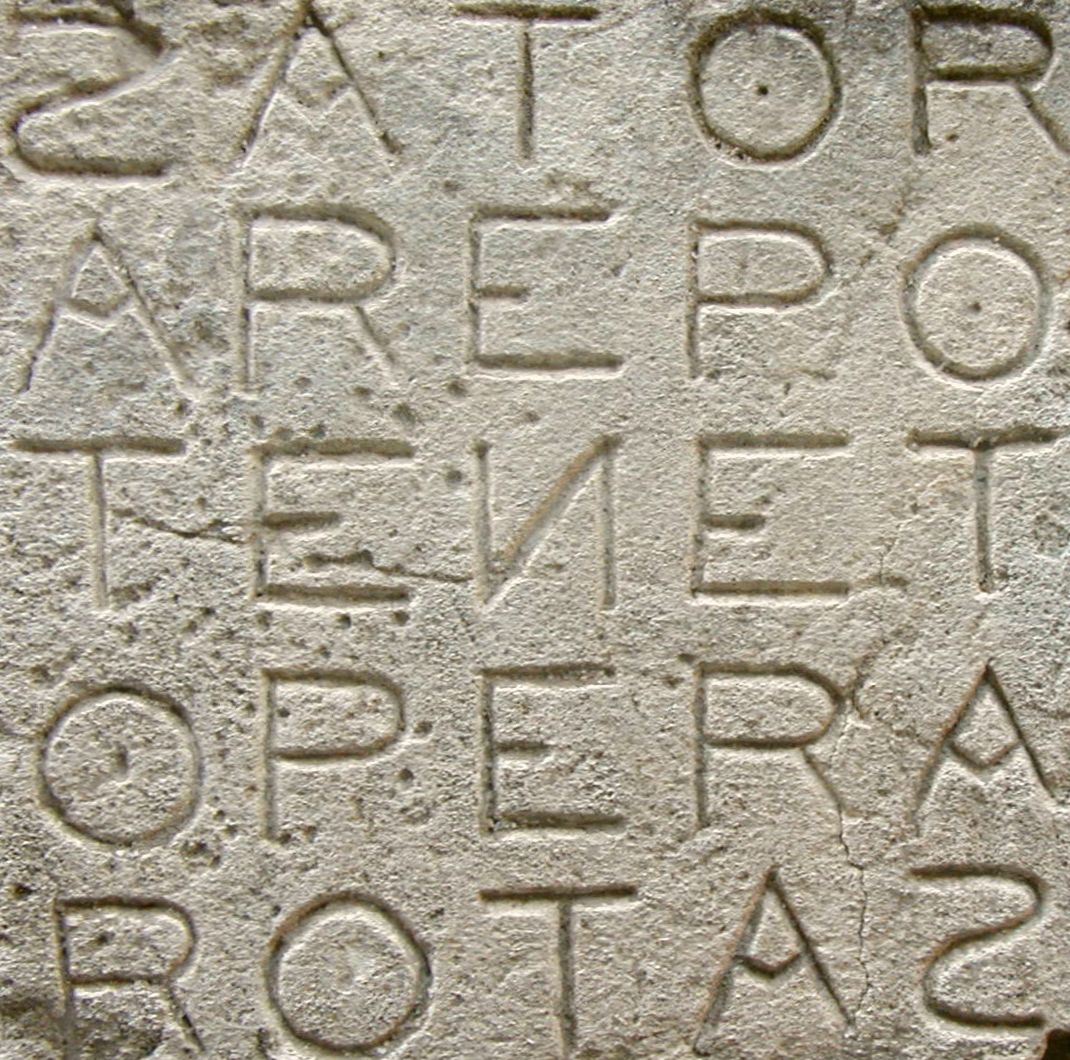 🇮🇹 Italy and 5 moreSator Square
A five-word Latin palindrome found in Roman ruins and medieval churchesCharm · Protection · Healing Historical
 🇬🇧 United KingdomWitch ball
A glass sphere hung in windows to trap spirits and ward off evilCharm · Protection Historical
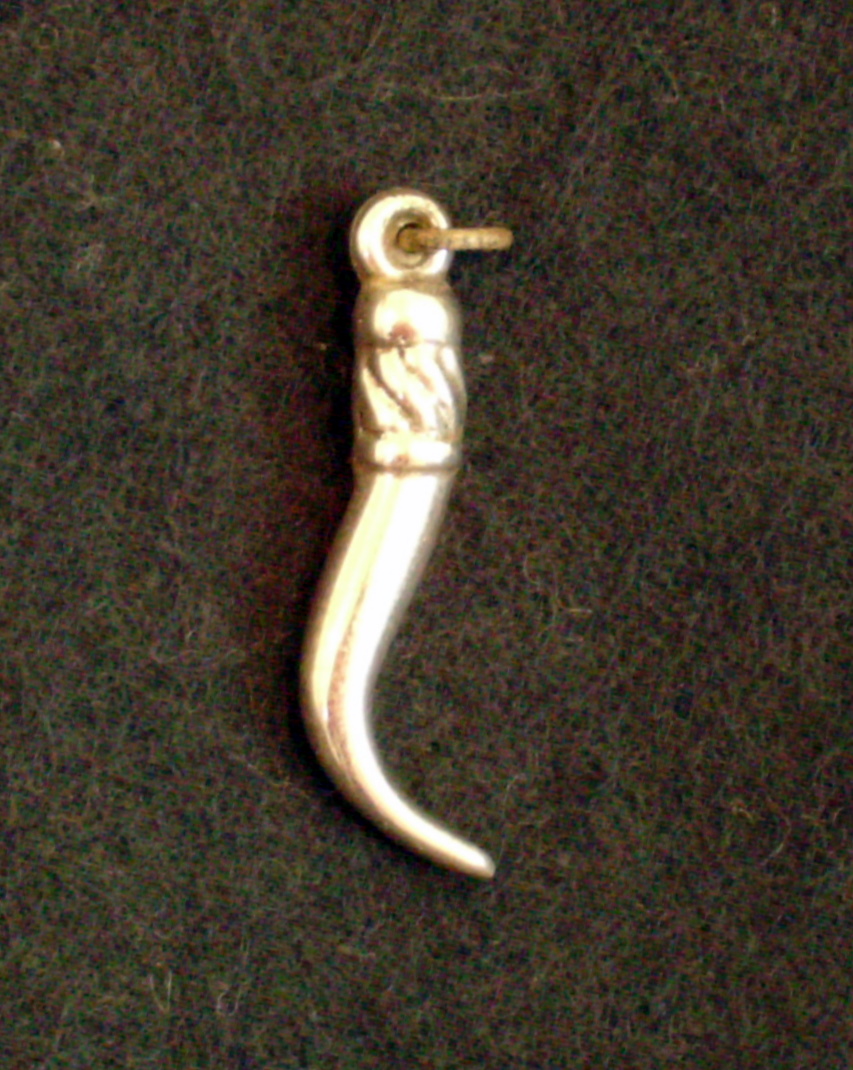 🇮🇹 ItalyCornicello
A twisted horn charm worn in Italy to ward off the evil eye and invite luck.Charm · Protection · Luck and prosperity Living
 🇬🇧 United Kingdom and 3 moreJet
A black gemstone carved into amulets and mourning jewelry for millenniaCharm · Protection · Power and authority Historical
 🇧🇪 Belgium and 5 moreRelic
An object or body part kept to honor a holy person and mark their connection to the divineCharm · Protection · Healing Living
🇬🇧 United KingdomEvil eye bead (sample)Nazar boncuğu
A blue glass bead hung to turn aside envy.Charm · Protection Living
🇬🇧 United KingdomWitch bottle (sample)
A stoppered bottle set out against curses.Charm · Protection · Cursing and harm Historical
 🇮🇹 Italy and 2 moreBulla
A round Roman amulet given to freeborn boys as a mark of status and protectionCharm · Protection · Luck and prosperity Historical
 🇩🇪 Germany and 1 moreHercules' ClubHerkuleskeule
A club-shaped amulet worn in the Roman Empire and by Germanic peoples as a protective charm.Charm · Protection Historical
 🇸🇪 SwedenKvinneby amulet
An 11th-century Swedish copper plate with a long runic inscription seeking protectionCharm · Protection Historical
🇪🇸 SpainDetente bala
A cloth charm worn by Spanish soldiers to stop bullets in the name of JesusCharm · Protection Living
 🇬🇧 United Kingdom and 1 moreBirthing girdle
A medieval charm worn during pregnancy to ensure a safe deliveryCharm · Protection Historical
 🇮🇹 Italy and 1 morePalladiumΠαλλάδιον (Palladion)
A wooden statue of Athena said to protect cities, stolen from Troy and brought to Rome.Charm · Protection Historical
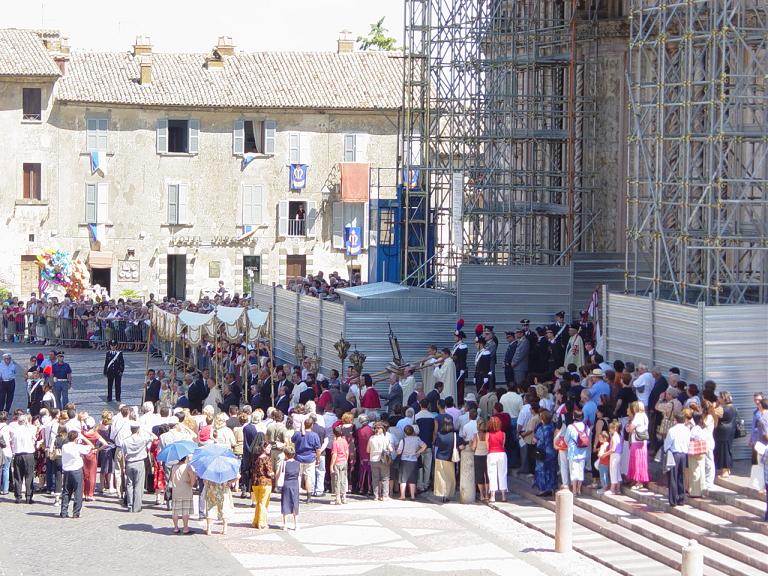 🇮🇹 ItalyCorporal of Bolsena
A cloth stained with red marks from a medieval Eucharistic eventCharm · Protection Historical
 🇬🇧 United Kingdom and 1 moreDried cat
A dried feline body hidden in walls to protect a home from harmCharm · Protection · Luck and prosperity Historical
🇫🇮 Finland and 1 moreFrog coffin
A Finnish folk magic burial of a frog in a tiny coffin to steal luck or reflect harmRite · Protection · Cursing and harm Historical
 🇪🇸 SpainIndalo
A Bronze Age pictograph used as a protective house charm and lucky symbol in Almería, SpainCharm · Protection · Luck and prosperity Living
🇮🇸 IcelandSingasteinn
A stone named in a Norse poem about Loki and Heimdall as sealsSubstance · Protection Legendary
 🇬🇷 GreeceAmulet MS 5236
A stamped gold amulet from ancient Greece invoking ApolloCharm · Protection · Cursing and harm Historical
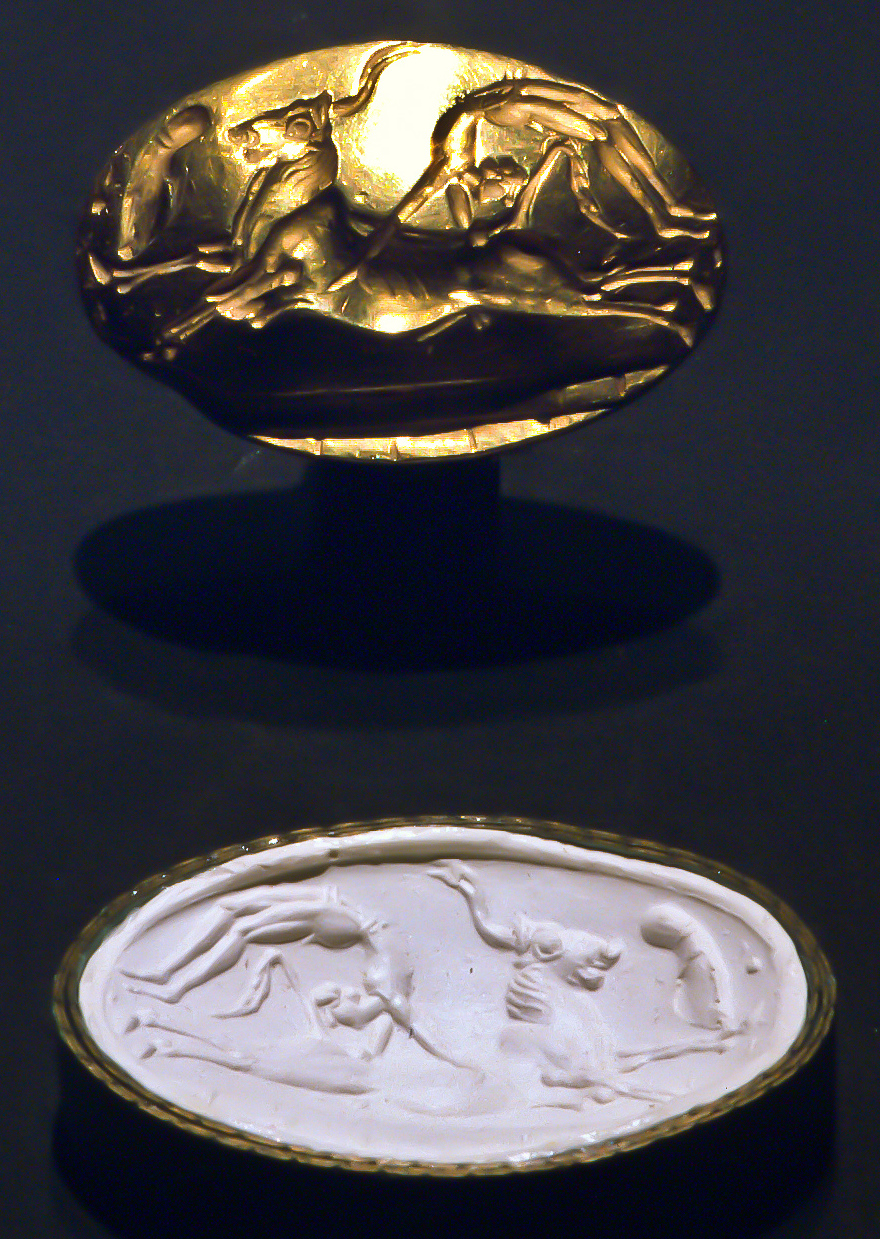 🇬🇷 GreeceMinoan sealstones
Carved gemstones and amulets from Bronze Age Crete used for identification and ritualCharm · Protection · Power and authority Historical
 🇬🇷 GreeceNebrisνεβρίς
A fawn skin worn by Dionysus and his followers in ancient GreeceCharm · Protection Historical
 🇦🇱 Albania and 3 moreCross necklace
A pendant bearing the Christian cross worn as a sign of faith or protection.Charm · Protection · Power and authority Living
 🇲🇹 Malta and 2 moreDevotional medal
Small metal pieces made and worn for Christian devotionCharm · Protection Living
 🇫🇷 France and 1 moreGargoylegargouille
A carved stone waterspout shaped like a creature, used on Gothic buildings to shed rainwaterCharm · Protection · Wonder and entertainment Historical
 🇷🇺 Russia and 2 moreBesomвеник
A twig broom used for sweeping, folk magic, and fire responseCharm · Protection · Wonder and entertainment Living
 🇬🇧 United KingdomFairy FlagA' Bhratach Shìth
A tattered silk heirloom of Clan MacLeod, said to hold fairy magic and ancient power.Charm · Protection · Luck and prosperity Historical
 🇬🇧 United KingdomSaltfleetby spindle-whorl
A lead spinning weight inscribed with runes calling on Norse gods for helpCharm · Protection Historical
 🇮🇹 ItalyLunula
A crescent-shaped amulet worn by girls in ancient Rome for protection.Charm · Protection Historical
 🇮🇹 ItalyFascinusfascinum
A Roman phallus image and charm, kept to turn away envyBeing · Protection · Luck and prosperity Historical
 🇬🇷 GreeceLabrysλάβρυς
A double-headed axe from ancient Crete, now a symbol of lesbian feminism and neo-paganismCharm · Power and authority · Protection Living
 🇳🇴 NorwayBergen rune charm
A four-sided wooden stick with runic verses for love and protection from medieval Norway.Charm · Love and attraction · Protection Historical
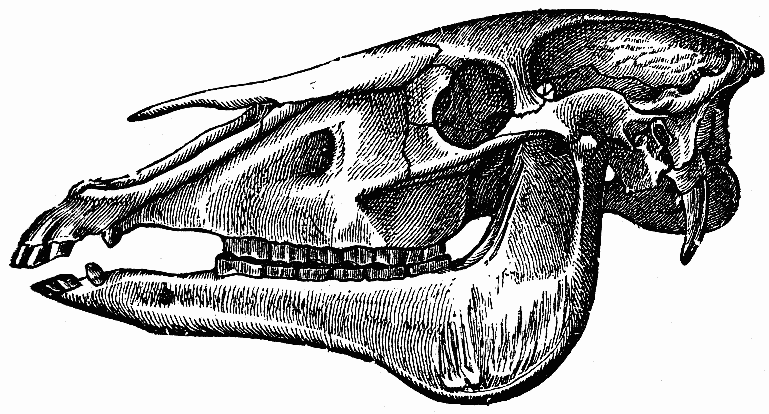 🇮🇪 Ireland and 2 moreHorse skulls
Concealed horse skulls found in buildings across Europe and North AmericaCharm · Protection · Wonder and entertainment Historical
 🇸🇪 SwedenSigtuna amulet I
An 11th-century copper runic charm from Sweden used to drive away illnessCharm · Healing · Protection Historical
🇬🇷 Greece and 3 morePalladium
A sacred image or object believed to guarantee the safety of a city or nationCharm · Protection Historical
 🇸🇪 Sweden and 1 moreTroll crosstrollkors
A carved or bent iron sigil used in Sweden and Norway to ward off harmful magic and creatures.Charm · Protection Revived
Photo credits on this page
The small pictures above come from Wikimedia Commons under free licences. Some are cropped to fit.
- Troll cross: Unknown author, Public domain, source
- Brigid's cross: Culnacreann, CC BY 3.0, source
- Corn dolly: Renata ( talk ), Public domain, source
- Fig sign: Harald the Bard, CC BY-SA 4.0, source
- Reliquary: Attributed to Jean de Toul, also written Jehan de Touyl in one source, CC0, source
- Nebris: Brygos Painter, Public domain, source
- Ex-voto: JTSH26, CC BY-SA 4.0, source
- Caul: JC Brand, CC BY-SA 4.0, source
- Minoan sealstones: Andree Stephan, CC BY 3.0, source
- Palladium: Marie-Lan Nguyen ( Jastrow ), Public domain, source
- Sator Square: M Disdero, CC BY-SA 3.0, source
- Kvinneby amulet: Ulrik Skans SHMM, CC BY-SA 2.5, source
- Bulla: Anonymous ( Category:Etruscans ) Unknown author, Public domain, source
- Apollo: Wolfgang Sauber, CC BY-SA 3.0, source
- Horse skulls: Dr. Karl Rothe, Ferdinand Frank, Josef Steigl, Public domain, source
- Bergen rune charm: Bengt A. Lundberg, CC BY 2.5, source
- Jet: Thmsfrst, Public domain, source
- Fascinus: Vassil, Public domain, source
- Relic: MathieuGuy, CC BY-SA 3.0, source
- Birthing girdle: Sarah Fiddyment , Natalie J. Goodison , Elma Brenner , Stefania Signor, CC BY 4.0, source
- Horseshoe: Cgoodwin, CC BY-SA 3.0, source
- Cornicello: Antonio Cavallo, Public domain, source
- Witch ball: John W. Schulze, CC BY 2.0, source
- Unicorn horn: Unknown author, CC BY 4.0, source
- Hercules' Club: Wolfgang Sauber, CC BY-SA 4.0, source
- Adder stone: Ansgar Koreng, CC BY-SA 3.0 de, source
- Corporal of Bolsena: Personal photograph, Public domain, source
- Dried cat: The Voice of Hassocks, CC0, source
- Indalo: Ismael Olea, Public domain, source
- Amulet MS 5236: Martin Schøyen, CC BY-SA 3.0, source
- Witch bottle: British Museum, Daniel Pett, 2004-10-25 15:27:22, CC BY-SA 2.0, source
- Concealed shoes: Edmund Patrick, CC BY-SA 3.0, source
- Excalibur: Unknown author, Public domain, source
- Cross necklace: paterm, CC BY-SA 4.0, source
- Devotional medal: Xhienne, CC BY-SA 3.0, source
- Gargoyle: Bernard Gagnon, CC BY-SA 4.0, source
- Besom: https://en.wikipedia.org/wiki/David_Cox_(artist), Public domain, source
- Fairy Flag: Otter, CC BY-SA 3.0, source
- Saltfleetby spindle-whorl: Lincolnshire County Council, Adam Daubney, 2011-04-27 11:43:56, CC BY-SA 2.0, source
- Lunula: Anonymous ( Category:Roman Empire ) Unknown author, Public domain, source
- Sigtuna amulet I: Bengt A. Lundberg, CC BY 2.5, source