Corporal of Bolsena
from Latin corporal, the cloth used for the Eucharist
A cloth stained with red marks from a medieval Eucharistic event
The Corporal of Bolsena is a linen cloth linked to a 1263 event in Italy where a consecrated host reportedly bled. The stains are viewed by the Roman Catholic Church as proof of transubstantiation and are kept in Orvieto today.
- Stains on linen cloth from a 1263 mass in Italy
- Kept in a gold reliquary in Orvieto Cathedral
- Believed to prove bread becomes Christ's body
- Scientists link red marks to common bacteria
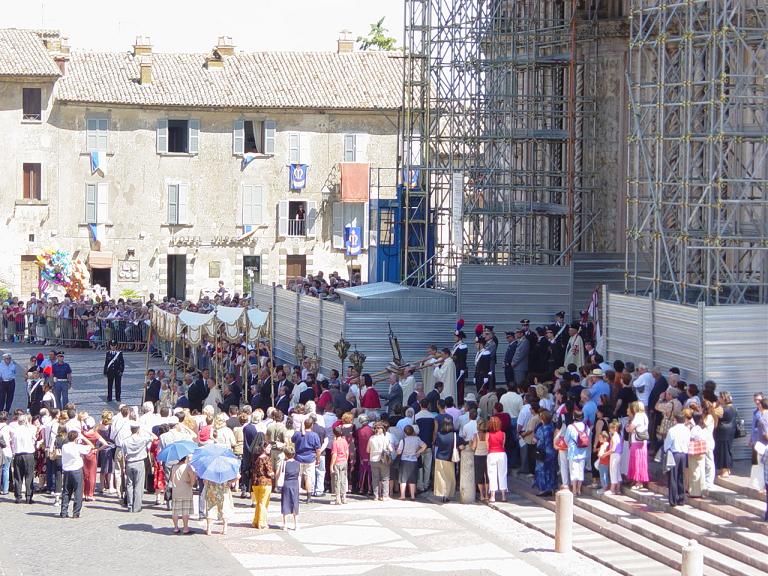
- Paraded annually during the Feast of Corpus Christi
What it is
The Corporal of Bolsena is a piece of white linen that bears reddish stains. These marks are believed to be blood from a consecrated host during a mass in 1263. The event took place in the Italian town of Bolsena. The stains are now kept in a gold reliquary in Orvieto. Observers note that the spots resemble a human face. The cloth serves as a physical reminder of a key religious belief.
Where it comes from
The story involves a priest named Peter of Prague who doubted his faith. While celebrating mass, the host began to bleed onto the cloth. This event happened during the reign of Pope Urban IV. The pope did not mention the miracle when creating the Feast of Corpus Christi. Later records describe the event on marble slabs and enamel work. Historians link the story to a broader shift in devotion to physical relics in the thirteenth century.
How it is done
The relic is displayed during the Feast of Corpus Christi in Orvieto. It is carried through the streets in a public procession. The cloth remains inside a protective case at all other times. Scientists have examined the fabric using ultraviolet light. They found deposits that look like dried biological fluids. The stains follow the folds of the original linen.
Tools and materials
The primary object is a small linen square called a corporal. It holds the host and chalice during the service. The cloth is now housed in a rich reliquary made by Ugolino di Vieri. Modern analysis uses ultraviolet photography to study the surface. Researchers also use laboratory cultures of bacteria to test the stain patterns.
Corporal of Bolsena, drawn and placed
- Living
- Revived
- Fading
- Historical
- Legendary
- Performed
- Lineage
- Roman Catholic tradition
- Timing
- during Mass and Corpus Christi
What it is for
Catholics view the stains as evidence of transubstantiation. This doctrine teaches that bread becomes the body of Christ. The church classifies this as a private revelation. Believers are not required to accept it as fact. The relic supports the reality of the Eucharist for those who seek confirmation.
Who does it
The original practitioner was a priest with doubts about the ritual. Today, the relic is cared for by church officials in Orvieto. Scholars and scientists study the cloth for historical and biological insights. They analyze the chemical composition of the red marks. Researchers attempt to replicate the staining process in controlled settings.
Peoples and places
The tradition belongs to the Roman Catholic Church in Italy. The city of Orvieto celebrates the relic annually. Similar legends of bleeding hosts appear in earlier European texts. These stories often emerged during periods of theological debate about the sacrament. The specific Bolsena account gained prominence in the fourteenth century.
At a glance: who, where and when


What people believe
The core belief is that the bread transforms into flesh. The blood on the cloth proves this change occurred. Some accounts say the priest doubted this transformation. Others suggest the blood came from the chalice instead. The event confirms the presence of Christ in the sacrament. It validates the authority of the church's teachings on the matter.
When it is done
The main celebration occurs on Corpus Christi. This feast day honors the Eucharist. The relic is paraded through Orvieto during this holiday. The date falls in late spring or early summer. The event commemorates the 1263 occurrence in Bolsena.
How scholars and sceptics see it
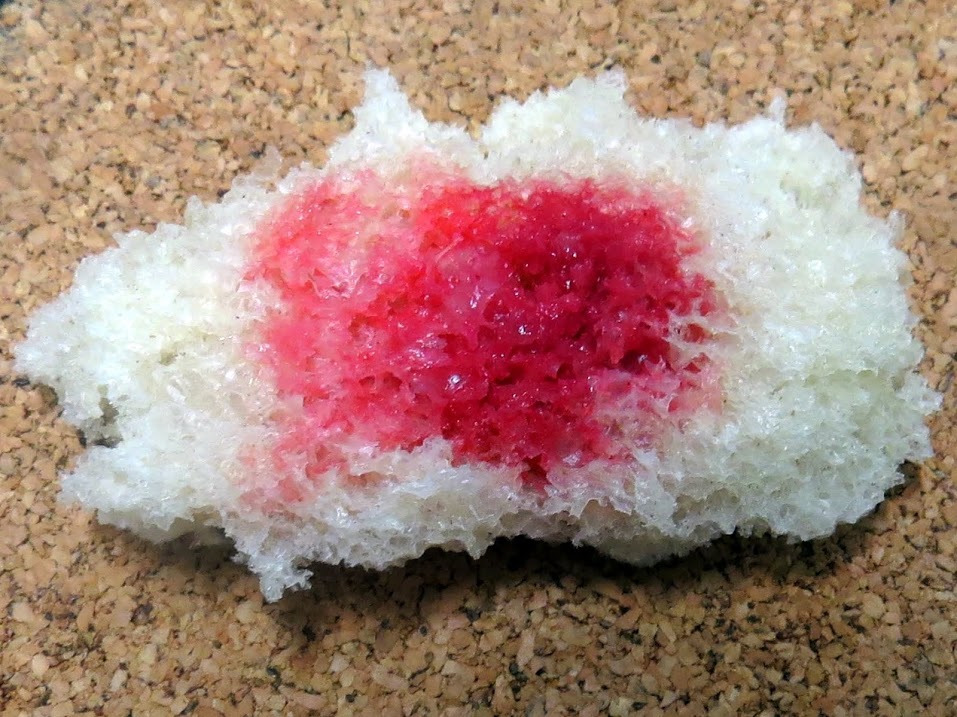
Scientists have offered natural explanations for the stains. Bacteria like Serratia marcescens can produce red pigment on starch. Researchers have grown this microbe on wafers in labs. The results match the appearance of the Bolsena stains. Historians note the timing coincides with increased lay anxiety about communion. Skeptics view the relic as a product of contamination rather than divine action.
Cautions and what is closed
The event is classified as a private revelation. Faithful Catholics are free to ignore it if they choose. There are no strict rules requiring belief in the miracle. The church does not mandate acceptance of the story. Scientific studies focus on biological causes without attacking faith.
Compare and confuse
Similar tales of bleeding hosts exist across medieval Europe. These stories often involve priests who questioned the sacrament. The Bolsena account is one of many such legends. Raphael painted a famous scene of the event in the Vatican. Other cities claim their own eucharistic miracles with similar details.
Law and persecution
The relic is protected property of the Orvieto cathedral. It is displayed publicly only on specific feast days. No legal restrictions prevent its veneration in Italy. The church maintains full ownership and control over the cloth. Foreign visitors may view it during scheduled exhibitions.
Questions people ask about Corporal of Bolsena
What is the Corporal of Bolsena?
It is a white linen cloth with red stains. The marks are said to come from a bleeding host in 1263. The cloth is now kept in Orvieto, Italy.
Why is the cloth considered miraculous?
Catholics believe it proves transubstantiation. This means bread turns into the body of Christ. The blood shows this change happened physically.
Do Catholics have to believe in the miracle?
No. The church calls it a private revelation. Believers may accept it freely but are not forced to.
What do scientists say about the stains?
They suggest bacterial contamination. A red microbe can grow on bread and look like blood. Labs can easily recreate the effect.
Where can I see the Corporal today?
It is stored in Orvieto Cathedral. It is shown publicly during the Feast of Corpus Christi each year.
Good reading and sources
- Corporal of Bolsena on WikipediaEncyclopedia
- More photos on Wikimedia CommonsPhotos and video
- Wikidata recordOpen data
The facts on this page come from the Wikipedia article "Corporal of Bolsena", written by its contributors and used under the CC BY-SA 4.0 licence, and from its Wikidata record (CC0). EveryJaadu rewrote the text in its own words, with AI assistance, and compares every page with the article to make sure no passage is copied. It may be reused under the same CC BY-SA 4.0 licence with a link back.
It may contain mistakes. Names and customs differ from one community to the next, and some knowledge is closed to outsiders and left out here. This page describes belief and practice. It does not say that any of it works, it is not a how-to, and it is not medical advice. If something is wrong, tell us. Last refreshed 2026-10-14.
More from Italy
All the entries from Italy 🇮🇹 Italy and 5 morePrecious coral
A marine skeleton harvested for jewelry and worn as a protective charm in several culturesSubstance · Protection · Healing Living
🇮🇹 Italy and 5 morePrecious coral
A marine skeleton harvested for jewelry and worn as a protective charm in several culturesSubstance · Protection · Healing Living
 🇮🇹 Italy and 5 moreSator Square
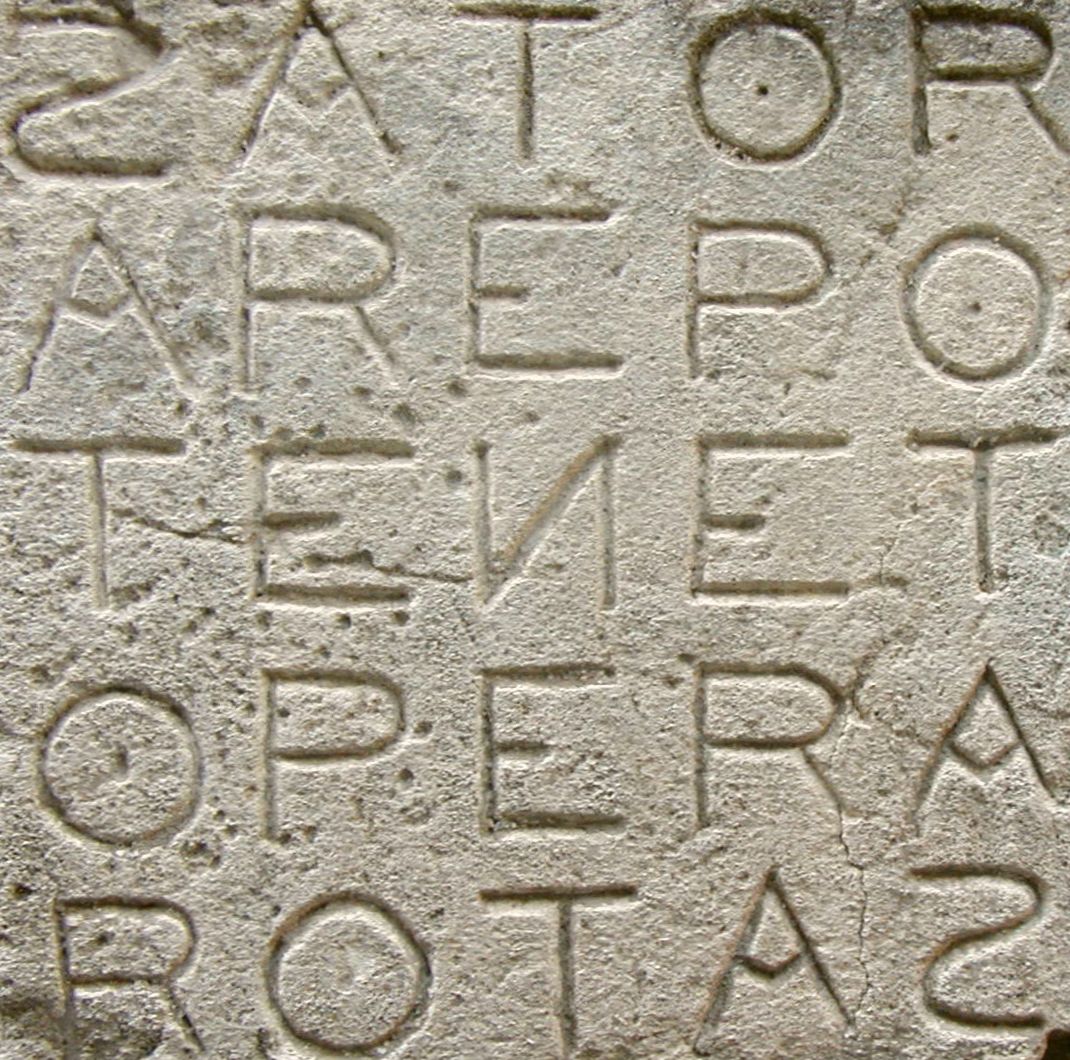
A five-word Latin palindrome found in Roman ruins and medieval churchesCharm · Protection · Healing Historical
🇮🇹 Italy and 5 moreSator Square
A five-word Latin palindrome found in Roman ruins and medieval churchesCharm · Protection · Healing Historical
 🇮🇹 Italy and 5 moreRelic
An object or body part kept to honor a holy person and mark their connection to the divineCharm · Protection · Healing Living
🇮🇹 Italy and 5 moreRelic
An object or body part kept to honor a holy person and mark their connection to the divineCharm · Protection · Healing Living
 🇮🇹 ItalyCornicello
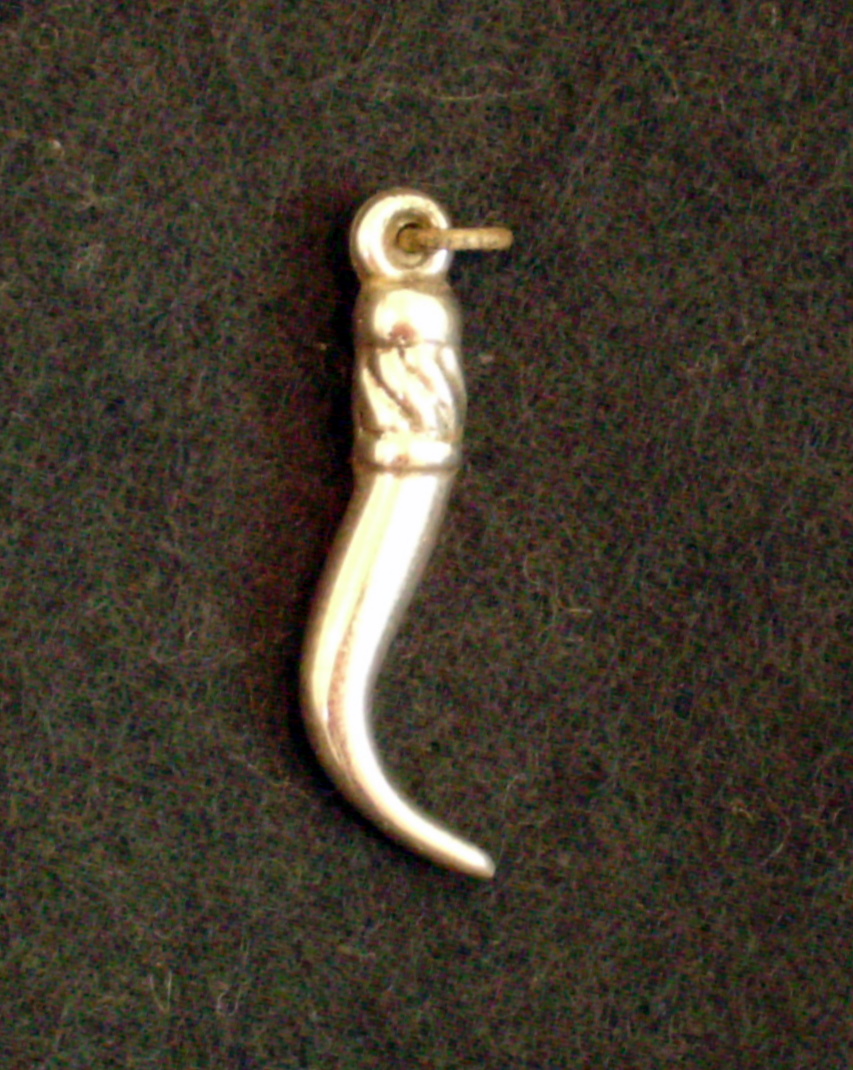
A twisted horn charm worn in Italy to ward off the evil eye and invite luck.Charm · Protection · Luck and prosperity Living
🇮🇹 ItalyCornicello
A twisted horn charm worn in Italy to ward off the evil eye and invite luck.Charm · Protection · Luck and prosperity Living
Related elsewhere
All charm 🇪🇬 Egypt and 1 moreSphinx
A composite creature of human head and lion body found in Egyptian and Greek mythBeing · Protection Legendary
🇪🇬 Egypt and 1 moreSphinx
A composite creature of human head and lion body found in Egyptian and Greek mythBeing · Protection Legendary
 🇪🇬 EgyptCurse
A spoken wish for harm, often backed by ritual or divine authorityBelief · Cursing and harm · Protection Historical
🇪🇬 EgyptCurse
A spoken wish for harm, often backed by ritual or divine authorityBelief · Cursing and harm · Protection Historical
 🇪🇬 Egypt and 5 moreAmulet
A portable object worn or carried to ward off harm and invite fortuneCharm · Protection · Luck and prosperity Living
🇪🇬 Egypt and 5 moreAmulet
A portable object worn or carried to ward off harm and invite fortuneCharm · Protection · Luck and prosperity Living
 🇹🇷 Turkey and 5 moreEvil eye
A curse caused by an envious look and the charms used to block itBelief · Protection · Cursing and harm Living
🇹🇷 Turkey and 5 moreEvil eye
A curse caused by an envious look and the charms used to block itBelief · Protection · Cursing and harm Living