Spirits, creatures and beings
Djinn, fairies, orisha, golems and the other powers that magic deals with.
Beings are the powers that magic deals with: spirits, ancestors, gods, djinn, fairies, orisha, nats, kami, demons, golems, ghosts and the many kinds of household and landscape spirit. People in most cultures have described a world shared with unseen others, who may help, trouble or ask for respect. This page covers what these beings are said to be and the very different ways communities relate to them. They are always described here as what communities believe, not as established fact.
Different kinds of beings
A being can be a god with a priesthood, such as an orisha served in Yoruba religion, Cuba and Brazil. It can be an ancestor, honoured in China, Africa and Mexico. It can belong to a place, such as the kami of Shinto, the Thai phi or the Burmese nats. It can be a trouble-maker, like the djinn of Arabic and Islamic tradition, formed from smokeless fire, or the fairies of Ireland, whom people avoided naming.
Relationship, not command
In many traditions, a person does not command a being but enters a relationship with it, through offerings, promises and respect. Possession and mediumship are forms of that relationship, as in Vodou, Candomblé, Korean mudang rites and Sufi gatherings. In ceremonial magic of the European grimoires, by contrast, the magician summons spirits by name and authority, which the Church condemned as demon-raising. The same being may be loved in one household and feared in the next, and a spirit helpful to its servant can be harmful to a stranger.
Religions and renaming
Dominant religions often absorbed beings by relabelling them. Christian missionaries called many African and Indigenous spirits demons. Islam reads the djinn as real creatures, some of whom are Muslim, and Hindu and Buddhist traditions fold local deities into their own pantheons. Pagan and fairy beliefs were sometimes recast as the devil's work, which fed witch trials in Europe. Churches and mosques have sometimes divided beings into good and evil in ways the older traditions did not, so that a neutral local spirit became a demon on the day a missionary arrived.
Harm and interpretation
Belief in harmful spirits has been used to accuse people. Children in parts of West and Central Africa have been branded as witches possessed by evil spirits, and some have been abused by pastors or families in the name of deliverance. Scholars read spirit beliefs as ways to make sense of illness, loss and conflict, and many communities see them simply as neighbours. That is why accusations tied to spirit beliefs fall hardest on children and the vulnerable, and why many agencies train local leaders to challenge them.
Being on EveryJaadu
The entries written up so far, best known first.
 🇵🇾 ParaguayJasy Jatere
A Guaraní spirit of the moon who guards yerba mate and enforces the siestaBeing · Protection · Luck and prosperity Legendary
🇮🇩 IndonesiaAbada
A two-horned mythical beast from Central African and Southeast Asian loreBeing · Healing · Luck and prosperity Legendary
 🇮🇳 IndiaHingchabiꯍꯤꯡꯆꯥꯕꯤ
A giantess figure from Meitei folklore who feeds on raw fleshBeing · Cursing and harm Legendary
🇮🇳 IndiaEcheneis
A legendary fish said to hold back ships and influence legal proceedingsBeing · Cursing and harm · Love and attraction Legendary
🇮🇳 IndiaBuru
A fierce swamp creature from Apatani founding narrativesBeing Legendary
🇮🇳 IndiaVasavi Kanyaka Parameshvari
A Hindu goddess honored by Komati groups as a clan deity and teacher of ahimsaBeing · Protection Living
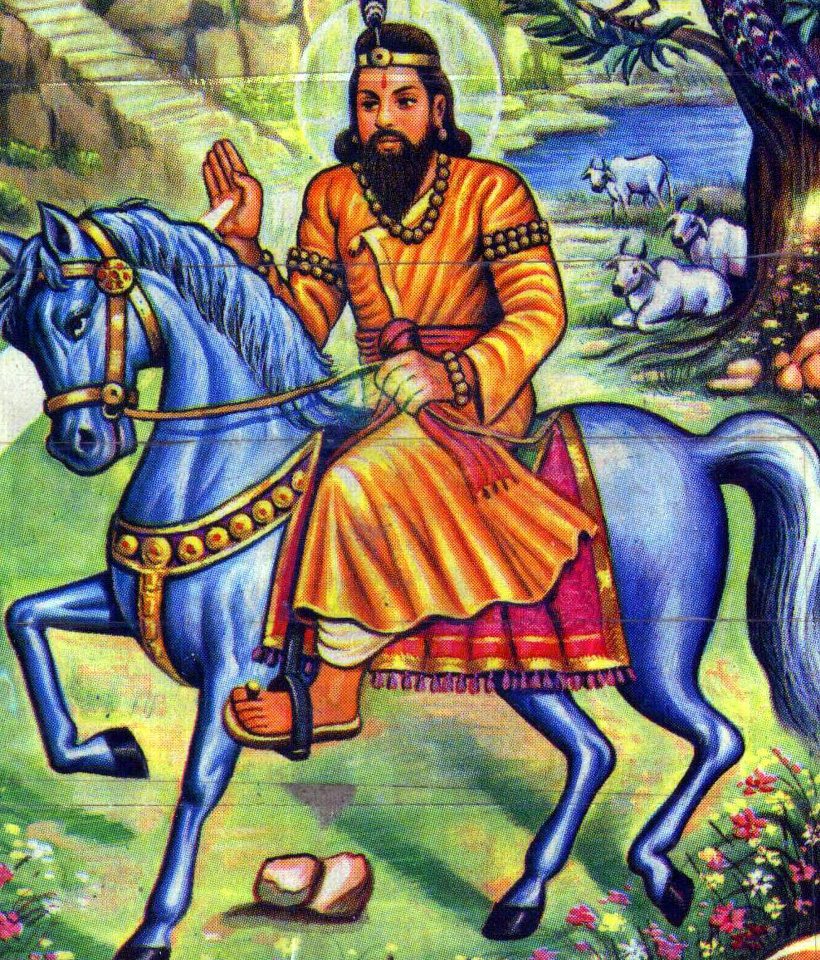 🇮🇳 IndiaBaba Mohan Ramबाबा मोहन राम
A folk form of Krishna worshipped at a cave shrine with a flame that never diesBeing · Healing · Luck and prosperity Living
🇮🇳 IndiaIndus worm
A giant carnivorous river creature from ancient Greek accounts of the IndusBeing · Cursing and harm Legendary
 🇮🇳 IndiaKadangot Makkam
A North Malabar goddess who became a deity after being killed by her brothers.Being · Protection · Love and attraction Living
🇮🇳 IndiaKuttichathanകുട്ടിചാത്തൻ
A guardian spirit of Malabar folklore known for illusions and household pranksBeing · Cursing and harm · Luck and prosperity Historical
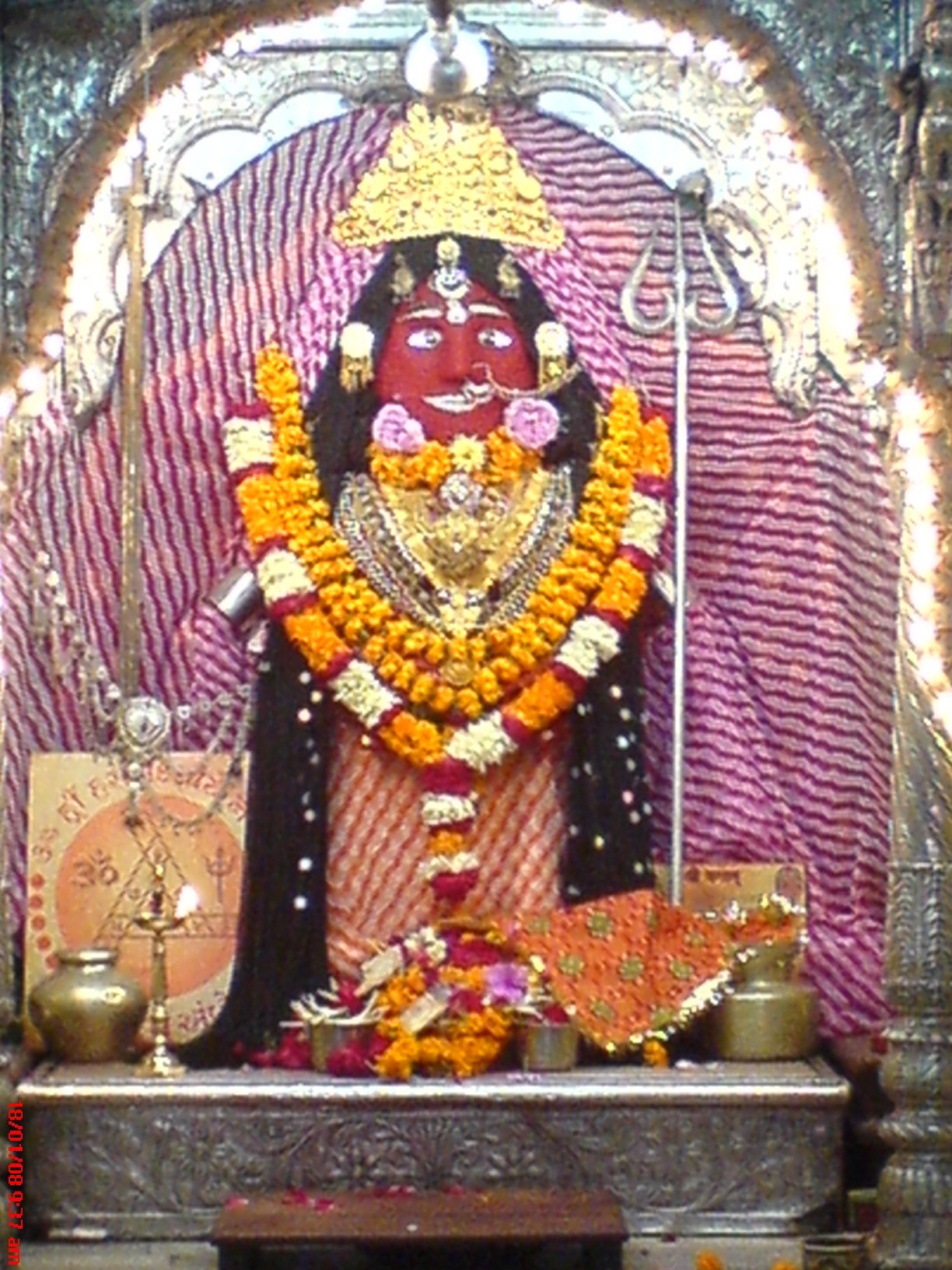 🇮🇳 IndiaHarsidhhi
A regional Hindu goddess kept as a clan deity and asked to guard shipsBeing · Protection Living
🇮🇳 IndiaPolerammaపోలేరమ్మ
A village goddess of smallpox and plague in Andhra PradeshBeing · Protection · Healing Living
🇮🇳 IndiaByangomaব্যাঙ্গমা
Human-faced birds of Bengali tales that tell fortunes and carry the deservingBeing · Seeing and foretelling · Protection Legendary
 🇮🇷 Iran and 1 moreSraosha𐬯𐬭𐬀𐬊𐬴𐬀
Zoroastrian yazata of obedience and prayer who guards the world from evil spiritsBeing · Protection · Speaking with spirits and the dead Living
 🇮🇳 IndiaJakh Botera
Seventy-two horsemen deities honoured in Kutch, IndiaBeing · Protection · Healing Living
 🇳🇵 Nepal and 1 moreBanjhakri and Banjhakrini
Forest shamans of the Kirati people in Nepal and eastern IndiaBeing · Speaking with spirits and the dead · Power and authority Living
 🇮🇳 IndiaCalingae
A people of ancient Indian legend said to reach old age at eightBeing Legendary
 🇳🇵 Nepal and 4 moreYetiགཡའ་དྲེད་
A hairy humanoid of Himalayan story, known in the West as the Abominable SnowmanBeing · Protection Legendary
🇮🇳 IndiaBaakবাক
A shapeshifting water spirit from Assamese folklore that mimics humans and fears torn nets.Being · Cursing and harm · Wonder and entertainment Living
🇮🇳 IndiaEtheric body
A subtle energy layer said to sustain the physical form and connect it to higher states.Being · Power and authority Historical
 🇮🇳 IndiaKroniகுறோணி
A primordial evil spirit in Ayyavazhi mythology, split into fragments across ages.Being · Cursing and harm Living
 🇮🇳 IndiaKhodiyarખોડીયાર
A limping Hindu folk goddess who rides a crocodile and shields royal clansBeing · Protection · Healing Living
🇮🇳 India and 1 moreRani Bhatiyani
A Rajput princess said to have become a guardian goddess of Rajasthan and SindhBeing · Protection · Speaking with spirits and the dead Living
🇧🇩 Bangladesh and 1 moreFolk deities of Sylhet
Seven local gods and goddesses of the Sylhet region, each with its own careBeing · Protection · Love and attraction Living
 🇵🇪 Peru and 3 moreMuki
A subterranean goblin of the Andes who guards mines and makes pacts with miners.Being · Power and authority · Luck and prosperity Living
🇮🇳 IndiaGreat White Brotherhood
An unseen company of spiritual teachers said to guide human developmentBelief · Speaking with spirits and the dead · Change and initiation Living
🇳🇵 Nepal and 1 moreTenma goddesses
Twelve guardian deities in Tibetan Buddhism who swore to protect the faith.Being · Protection Historical
 🇮🇳 IndiaJvarasuraज्वारासुर
A fever demon in Hindu lore who serves the pox goddess Shitala.Being · Cursing and harm · Healing Historical
 🇮🇳 IndiaGandharvaगन्धर्व
Celestial musicians of Indian religions and a form of marriage by consentBeing · Power and authority · Luck and prosperity Living
 🇮🇳 IndiaPanchajanyaपाञ्चजन्य
The sacred conch of Vishnu and Krishna, said to sound creation's first callSubstance · Speaking with spirits and the dead · Cleansing and purification Legendary
 🇵🇰 Pakistan and 1 moreApalālaअपलाल
A nāga king of Buddhist story, said to be converted by the BuddhaBeing Legendary
 🇮🇳 India and 2 moreAiravataऐरावत
A pristine white mythic elephant that carries the king of gods and controls the rains.Being · Power and authority · Protection Legendary
 🇮🇳 IndiaPoomala Bhagavathy
A Hindu goddess of North Malabar, revered as the family deity of the Thiyya community.Being · Love and attraction · Luck and prosperity Living
 🇮🇳 India and 1 moreVarahiवाराही (Vārāhī)
A Hindu mother goddess with a sow face, worshipped in Tantric rites for protection and powerBeing · Protection · Power and authority Living
🇮🇳 IndiaMogal Maa
A Hindu folk goddess of Gujarat worshipped for children and healingBeing · Healing · Luck and prosperity Living
 🇮🇳 IndiaMomaiમોમાઈ માં
A four-armed Kutch goddess on a camel, kept as a family deityBeing · Luck and prosperity Living
🇮🇳 India and 5 moreWerecat
A feline shapeshifter found in global folklore and occult beliefBeing · Cursing and harm · Power and authority Legendary
 🇮🇳 India and 5 moreKaruppannaswamyகருப்பண்ணசாமி, കറുപ്പണ്ണസാമി
A fierce guardian deity worshipped as a village protector and ancestral enforcer of justice.Being · Protection · Healing Living
 🇮🇳 IndiaUchitta Bhagavathyഉച്ചിട്ട ഭഗവതി
A North Malabar goddess of fire and childbirth, performed as TheyyamBeing · Protection · Healing Living
 🇮🇳 IndiaDaityaदैत्याः
A race of asuras in Hindu mythology descended from Kashyapa and DitiBeing Legendary
🇮🇳 IndiaPandi
A legendary race of giant-eared people from ancient geographic textsBeing · Wonder and entertainment Legendary
🇮🇳 India and 1 moreOrphan Bird
A medieval bestiary bird whose good eggs float and bad eggs sink in the seaBeing Legendary
🇮🇳 IndiaChedipeचेदिप
A witch-vampire spirit of the Godavari region that drains men and feeds on sorrowBeing · Cursing and harm Legendary
🇮🇳 IndiaAsanbibiআসানবিবি
A Bengali folk goddess worshipped with six sisters in southern Bengal.Being · Protection Living
 🇮🇳 IndiaNagnechiya Maa
Guardian goddess of the Rathore Rajputs, worshipped in RajasthanBeing · Protection · Power and authority Living
 🇮🇳 IndiaAshapura Mataआशापुरा माता
A Hindu goddess worshipped as the clan protector of Rajput and other communities in western India.Being · Protection · Luck and prosperity Living
🇳🇵 Nepal and 1 moreMurkattaमुर्कट्टा
A headless spirit from Nepali folklore with eyes and a mouth on its chestBeing · Cursing and harm Living
🇹🇭 ThailandPhi Phongผีโพง
A Thai ghost born from failed black magic, known for its glowing nose and feeding on filth.Being · Cursing and harm Legendary
Photo credits on this page
The small pictures above come from Wikimedia Commons under free licences. Some are cropped to fit.
- Shamanism in Ayyavazhi: Vaikunda Raja, CC BY-SA 3.0, source
- Apalāla: Biswarup Ganguly, CC BY 3.0, source
- Poomala Bhagavathy: Ajeeshkumar4u, CC BY-SA 4.0, source
- Airavata: Unknown, India, Rajasthan, Amber, South Asia, Public domain, source
- Panchajanya: Rajasekhar1961, CC BY-SA 4.0, source
- Gandharva: Biswarup Ganguly, CC BY 3.0, source
- Vahana: Unknown Nepali, Public domain, source
- Jvarasura: Suraj Belbase, CC BY-SA 4.0, source
- Yeti: Gardner Soule, Public domain, source
- Banjhakri and Banjhakrini: RajashreeTalukdar, CC BY-SA 3.0, source
- Hingchabi: Bemni, N, CC0, source
- Jasy Jatere: Patty P, Public domain, source
- Karuppannaswamy: GShas, CC0, source
- Momai: Oatsjvs, CC BY-SA 4.0, source
- Baba Mohan Ram: Yajush Rao, CC BY-SA 4.0, source
- Kadangot Makkam: Shagil Kannur, CC BY-SA 4.0, source
- Harsidhhi: Dkgohil, CC BY-SA 3.0, source
- Sraosha: Tahmasp I, CC0, source
- Jakh Botera: Nizil Shah and Bhavya Shah, CC BY-SA 4.0, source
- Calingae: anonymous, Public domain, source
- Khodiyar: Damian N. Boodram, CC BY-SA 4.0, source
- Muki: Arístides Herrera Cuntti at Spanish Wikipedia, CC BY-SA 3.0, source
- Nagnechiya Maa: Jairajsingh123, CC0, source
- Ashapura Mata: Rossifummi, CC BY-SA 4.0, source
- Uchitta Bhagavathy: Sreejith K ( talk ), CC BY 3.0, source
- Daitya: Unknown author, CC0, source